October 13, 2026
What to Look for When Buying a Pomeranian Puppy – A Complete Checklist
What to Look for When Buying a Pomeranian Puppy
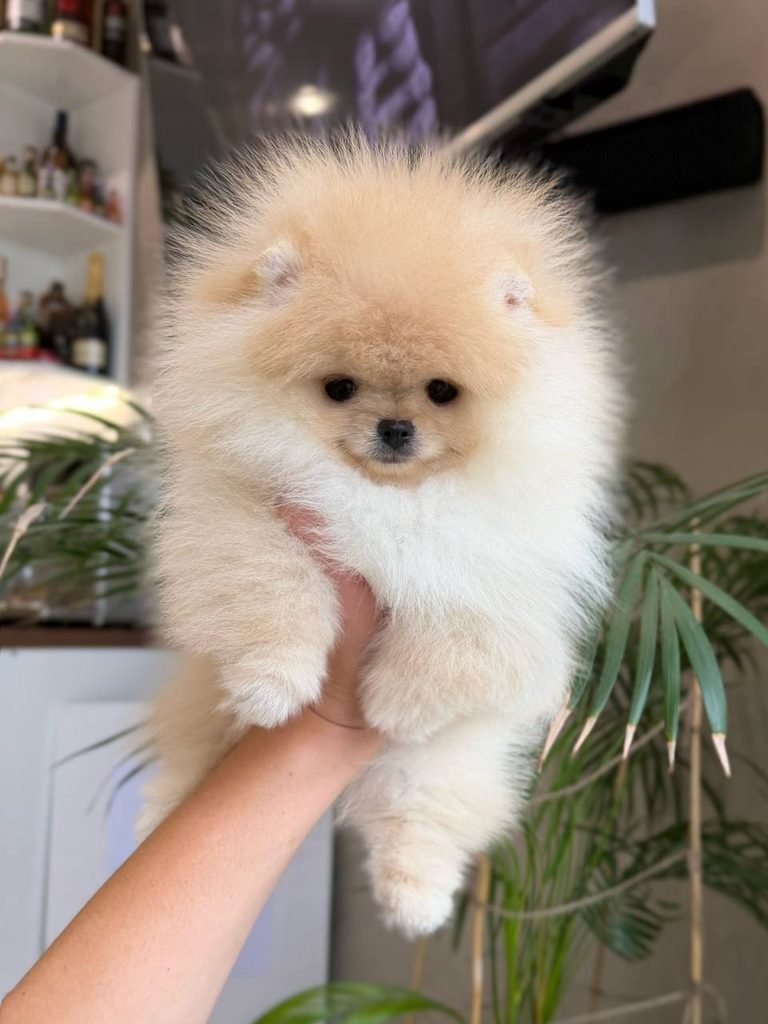
Buying a Pomeranian puppy is an exciting decision, especially if you are looking for a small, affectionate companion to welcome into your home. However, choosing the right puppy involves more than finding a cute face or a beautiful coat. You also need to consider the puppy’s health, temperament, background, breeder, veterinary records, and long-term care needs.https://pomeranianblisspuppies.com/puppies/
Knowing what to look for when buying a Pomeranian puppy can help you make a more informed decision and avoid common mistakes. A responsible purchase begins with asking questions, checking available documentation, observing the puppy’s behavior, and ensuring that the seller is transparent about the puppy’s history.
Whether you are buying your first Pomeranian or adding another dog to your family, this guide explains the most important things to check before making a commitment.https://pomeranianblisspuppies.com/puppies/
1. Check the Puppy’s Overall Health
The puppy’s health should be one of your first considerations. Although no visual inspection can guarantee that a puppy is completely healthy, observing its general condition can help you identify concerns that deserve further investigation.
When considering what to look for when buying a Pomeranian puppy, pay attention to the following signs:
- Bright, alert behavior: The puppy should generally respond to its surroundings in a way that is appropriate for its age.
- Clear eyes: Look for eyes that appear clear and free from obvious discharge or significant redness.
- Clean ears: Check for unusual discharge, strong odors, or signs of irritation.
- Clean nose: Notice any unusual discharge or breathing difficulties.
- Healthy-looking coat and skin: Look for excessive scratching, bald patches, visible parasites, or irritated skin.
- Comfortable movement: Observe whether the puppy walks and stands comfortably without obvious limping.
- Clean rear area: Excessive staining or persistent diarrhea may indicate a problem that needs veterinary attention.
- Normal breathing: Watch for persistent coughing, labored breathing, or unusual respiratory sounds.
A puppy may occasionally be sleepy, shy, or hesitant in a new environment. One behavior alone does not establish whether a puppy is healthy. If you notice concerning signs, ask the breeder for an explanation and have the puppy evaluated by a veterinarian.
Do not rely solely on photographs or a seller’s description when you can arrange a responsible in-person or veterinary assessment.
2. Ask for Veterinary and Vaccination Records
A responsible breeder should be prepared to explain the puppy’s previous healthcare and provide the available documentation.
Before purchasing, ask to review the puppy’s veterinary records, including:
- Previous veterinary examination reports.
- Vaccination history and dates.
- Deworming and parasite treatment records.
- Medication history, if applicable.
- Microchip information, if the puppy has been microchipped.
- Details of any known illness or ongoing treatment.
- Recommended follow-up appointments.
These documents help you understand what care the puppy has already received and what may still be needed.
Do not assume that a puppy has completed its vaccination schedule simply because the seller says it has received shots. Ask which vaccines were administered and have your veterinarian review the information.
If records are incomplete, request clarification. Missing paperwork does not automatically prove that a puppy is unhealthy, but you should understand the uncertainty before proceeding.
For more information about responsible pet care, visit the American Veterinary Medical Association’s pet owner resources.
3. Choose a Responsible Pomeranian Breeder
The breeder can have a significant influence on your buying experience. A responsible breeder should prioritize the dogs’ welfare, provide accurate information, and allow you reasonable time to make your decision.
When researching what to look for when buying a Pomeranian puppy, evaluate the breeder as carefully as you evaluate the puppy.
Look for a seller who:
- Answers questions clearly and honestly.
- Explains how the puppies are raised and socialized.
- Provides available veterinary and health records.
- Discusses the health history of the parents.
- Allows you to learn about the puppy’s environment.
- Explains the feeding routine and current care needs.
- Provides a written purchase agreement.
- Does not pressure you into making an immediate payment.
- Has a clear process for answering questions after the sale.
Ask whether you can meet the puppy’s mother or learn why she is unavailable. If you cannot meet a parent in person, request a reasonable explanation and ask what other information about the parent dogs can be provided.
Be cautious if the seller refuses reasonable questions, avoids sharing available records, or makes unrealistic promises about the puppy’s size, health, or future appearance.
You can also consult the American Kennel Club’s guide to finding a responsible breeder.
4. Observe the Puppy’s Temperament
Pomeranians are generally known for being lively, alert, and affectionate, although every puppy has an individual personality.
Spend time observing the puppy in a calm environment if possible. Notice how it responds to people, ordinary sounds, gentle interaction, and its littermates.
Positive signs may include:
- Curiosity about new surroundings.
- Interest in appropriate interaction.
- Playfulness balanced with periods of rest.
- Ability to settle after excitement.
- Comfortable movement around familiar people.
- Recovery after a mild, ordinary surprise.
A puppy does not need to be the most outgoing one in the litter to become a wonderful companion. Some puppies are naturally more reserved, and unfamiliar environments can temporarily affect behavior.
Instead of choosing only the boldest or most energetic puppy, look for a temperament that fits your household and lifestyle.
Ask the breeder how the puppy behaves during feeding, handling, playtime, and everyday household activities. Their observations can help you understand what to expect during the transition to your home.
5. Understand the Puppy’s Age and Readiness to Go Home
Age is an important consideration when buying a Pomeranian. Puppies need time with their mother and littermates to develop appropriate social skills and behavior.
Ask the breeder for the puppy’s date of birth and confirm that the puppy is old enough to leave according to applicable laws and responsible breeding guidance. In many places, puppies should not leave before eight weeks, while individual circumstances and local requirements may differ.
Because Pomeranians are a toy breed, very young puppies can be particularly vulnerable to feeding difficulties and low blood sugar. Ask the breeder and veterinarian about the puppy’s feeding routine, size, and any special care requirements.
Before bringing the puppy home, find out:
- What food the puppy currently eats.
- How often the puppy is fed.
- Whether it eats independently.
- Whether any special feeding instructions apply.
- Which veterinary appointments are planned.
- How to manage the transition into a new environment.
Avoid choosing a puppy simply because it is advertised as extra small or a “teacup” Pomeranian. Such labels are not a separate official breed classification, and exceptionally small size can be associated with additional health and care concerns.
Choose a puppy based on its health, welfare, and suitability for your household rather than size claims alone.
6. Review the Puppy’s Parents and Family Health History
The puppy’s parents can provide useful information about its background. If possible, meet the mother and observe her general condition and behavior. Ask the breeder about the father, even if he does not live at the same location.
Useful questions include:
- What are the parents’ ages?
- Have they received regular veterinary care?
- Are there known inherited health conditions in the family?
- What health screening has been completed?
- Are written results available for relevant tests?
- What are the parents’ typical temperaments?
Pomeranians can be affected by conditions involving the kneecaps, teeth, eyes, and other parts of the body. Ask the breeder what health concerns are considered in their breeding program and discuss relevant screening with your veterinarian.
A claim that the parents are healthy is useful background information, but it is not the same as documented testing. Likewise, health testing can reduce uncertainty but cannot guarantee that a puppy will never develop a health problem.
Responsible breeders should be willing to explain their approach to health, temperament, and breeding decisions.
7. Check the Puppy’s Coat, Skin, and Grooming Needs
The Pomeranian’s fluffy double coat is one of its most recognizable features. Before buying, examine the puppy’s coat and skin and ask how the breeder maintains them.
Look for a coat that is reasonably clean for the puppy’s age and environment. Watch for persistent scratching, visible parasites, irritated skin, or areas of hair loss that may require professional evaluation.
Ask the breeder:
- What grooming routine does the puppy currently follow?
- Has the puppy been introduced to gentle brushing?
- What grooming tools are recommended?
- How should the coat be maintained as it matures?
- Are there any known skin or coat concerns?
Pomeranians need regular brushing to help prevent tangles and matting. Their coat also requires appropriate care around the ears, feet, and other areas where debris or knots may collect.
Avoid shaving a Pomeranian down to the skin without veterinary or qualified grooming advice, because the double coat can be affected by clipping and regrowth may be unpredictable.
Choose a puppy with a suitable overall health and care history rather than focusing exclusively on coat color or fluffiness.
8. Evaluate the Puppy’s Living Environment
The conditions in which a puppy is raised can provide useful information about its early experiences and welfare.
If visiting the breeder, observe whether the puppies have access to a clean, reasonably safe area with suitable bedding, water, and opportunities for rest and age-appropriate activity.
Look for signs that the dogs receive regular care and human interaction. Ask how the breeder introduces puppies to everyday sounds, gentle handling, different surfaces, and appropriate new experiences.
A responsible environment should support both physical care and early social development.
If the seller only offers video calls or remote viewing, request current, individualized information about the puppy and ask whether a live video interaction is possible. Be especially careful if the seller refuses any reasonable verification or uses copied photographs.
A clean environment is a positive sign, but it does not replace veterinary records, health screening, or an independent assessment.
9. Understand the Total Cost of Buying a Pomeranian
The purchase price is only one part of owning a Pomeranian. Before choosing a puppy, estimate the ongoing costs of food, veterinary care, grooming, training, supplies, and emergency treatment.
Your budget may need to include:
- The puppy’s purchase price.
- Initial veterinary examination.
- Vaccinations and parasite prevention.
- Microchipping, if needed.
- Suitable food and feeding supplies.
- A comfortable bed and secure carrier.
- Collar or harness and leash.
- Grooming tools and professional grooming when needed.
- Training and socialization expenses.
- Pet insurance or an emergency savings fund.
Prices can vary considerably depending on location, breeder practices, age, pedigree, demand, and the care included in the sale.
A very low price does not automatically mean a puppy is unhealthy, just as a high price does not guarantee quality. Compare the available documentation, breeder transparency, puppy welfare, and the terms of the sale rather than using price as your only measure.
Ask for a clear breakdown of what is included and which expenses you will need to cover separately.
10. Read the Purchase Contract Carefully
A written agreement helps both the buyer and seller understand the terms of the transaction.
Before signing, review whether the contract identifies the puppy, states the purchase price, explains any deposit, and describes the conditions that apply after the sale.
Check for information about:
- The puppy’s identification and date of birth.
- Any promised registration documents.
- Veterinary records supplied with the puppy.
- Written health guarantees and their limitations.
- Requirements for a veterinary examination after purchase.
- The process for reporting a health concern.
- Return, refund, or other remedies, if applicable.
- Delivery or pickup arrangements, where relevant.
Do not assume that a verbal promise is included in the written agreement. Ask the seller to clarify any confusing wording before you sign or pay.
If a health guarantee is offered, read the actual terms carefully. Understand its duration, exclusions, required veterinary steps, and available remedies. A contract cannot guarantee that the puppy will remain free from every illness.
Keep a copy of the signed agreement and all supporting documents.
11. Watch for Pomeranian Puppy Buying Scams
Online puppy listings can make it easier to find a Pomeranian, but buyers should verify the seller before sending money.
Be cautious if you encounter any of these warning signs:
- The seller refuses to answer basic questions.
- The puppy is available immediately but documentation is missing.
- The seller uses pressure tactics or demands an urgent deposit.
- The price seems unusually low without a clear explanation.
- The seller refuses reasonable live video or identity verification.
- You are asked to pay unexpected shipping, insurance, or release fees.
- The seller will not provide a written agreement.
- The seller makes guarantees that seem unrealistic.
- Payment is requested through a method that offers little or no buyer protection.
Search for the breeder’s name, business details, and available reviews. Reverse-image searching puppy photographs may also help identify images that appear in unrelated listings.
Before sending a deposit, verify the seller and understand the payment terms. A professional-looking website, social media account, or certificate is not proof that a seller is legitimate.
For additional guidance, visit the Federal Trade Commission’s consumer advice, particularly its resources about avoiding online shopping and payment scams.
12. Make Sure a Pomeranian Fits Your Lifestyle
Even a healthy puppy from a responsible breeder may not be the right fit for every household.
Pomeranians are small, but they still need daily care, companionship, training, exercise, and mental stimulation. Their small size does not eliminate the need for supervision or consistent boundaries.
Before buying, consider whether you can provide:
- Daily play and age-appropriate exercise.
- Regular brushing and grooming.
- Positive-reinforcement training.
- Gradual, safe socialization.
- Veterinary care throughout the dog’s life.
- Companionship and a plan for time spent alone.
- A safe environment around children and larger pets.
Pomeranians can be vocal, and some may bark frequently without appropriate training. They can also be physically delicate, so children should learn to handle them gently and adults should supervise interactions.
If you work long hours, travel frequently, or have a busy household, plan how the puppy’s needs will be met before making a commitment.
Choosing a dog whose needs match your routine helps create a more successful transition for everyone.
Pomeranian Puppy Buying Checklist
Use this checklist when comparing puppies or preparing to collect your new companion.
- The puppy’s age and date of birth have been confirmed.
- The puppy’s general condition has been assessed.
- Available veterinary records have been reviewed.
- Vaccination and parasite treatment histories have been discussed.
- The breeder has answered questions about the parents.
- Relevant health screening information has been requested.
- The puppy’s temperament and early socialization have been discussed.
- The feeding routine and current food are known.
- The puppy’s living environment has been assessed as far as possible.
- The total cost of ownership has been considered.
- The written purchase contract has been reviewed.
- The seller has been reasonably verified.
- A first veterinary appointment has been planned.
- Supplies and a safe area at home are ready.
If you cannot check every item immediately, identify what remains uncertain and decide how to verify it before completing the purchase.
Frequently Asked Questions
What is the most important thing to look for when buying a Pomeranian puppy?
Prioritize the puppy’s health, available veterinary records, responsible breeding practices, temperament, and age-appropriate care. No single feature can guarantee a good purchase, so consider the complete picture before deciding.
How can I tell if a Pomeranian puppy is healthy?
Observe its general condition, movement, breathing, coat, skin, and behavior, and review the available medical history. However, a visual inspection cannot rule out every problem. An independent veterinary examination is the best way to assess the puppy’s current health.
Should I see the puppy’s mother before buying?
Meeting the mother can help you understand the puppy’s background and observe her general condition and behavior. If this is not possible, ask the breeder for a clear explanation and other verifiable information about the parents.
What documents should come with a Pomeranian puppy?
Request available veterinary and vaccination records, deworming information, microchip details if applicable, a written purchase agreement, and any registration or health-testing documents that have been promised. Confirm what each document actually proves.
Is a very small Pomeranian puppy a better choice?
Not necessarily. Extremely small size can bring additional health and care concerns. Prioritize a puppy’s welfare, appropriate development, and documented history instead of choosing solely for its size.
How much should I pay for a Pomeranian puppy?
Prices vary based on location, breeder, pedigree, age, and what care or documentation is included. Compare several responsible sellers and consider lifetime expenses. Do not assume that a high price guarantees health or that a low price automatically indicates a problem.
Can I buy a Pomeranian puppy online?
You can begin your search online, but verify the seller, request current information, review documentation, and understand the contract before sending money. Be cautious about pressure to pay quickly or unexpected delivery charges.
What should I do immediately after buying a Pomeranian puppy?
Prepare a safe home environment, continue the puppy’s established feeding routine while it adjusts, organize its records, and arrange a veterinary appointment. Ask your veterinarian about vaccinations, parasite prevention, nutrition, grooming, and socialization.
Final Thoughts
Knowing what to look for when buying a Pomeranian puppy helps you move beyond appearance and price to evaluate the factors that matter for a healthy, positive start.
Take time to assess the puppy’s general condition, review veterinary records, ask about the parents, evaluate the breeder, and read the purchase contract. Be cautious about pressure tactics and promises that cannot be verified.
Most importantly, prepare for the responsibilities that continue after the purchase. With careful research, realistic expectations, and appropriate veterinary care, you can make a more informed choice and give your Pomeranian puppy a safe, loving home.https://pomeranianblisspuppies.com/puppies/