October 6, 2026
What to Buy Before Bringing Home a Pomeranian Puppy – New Puppy Checklist
What to Buy Before Bringing Home a Pomeranian Puppy
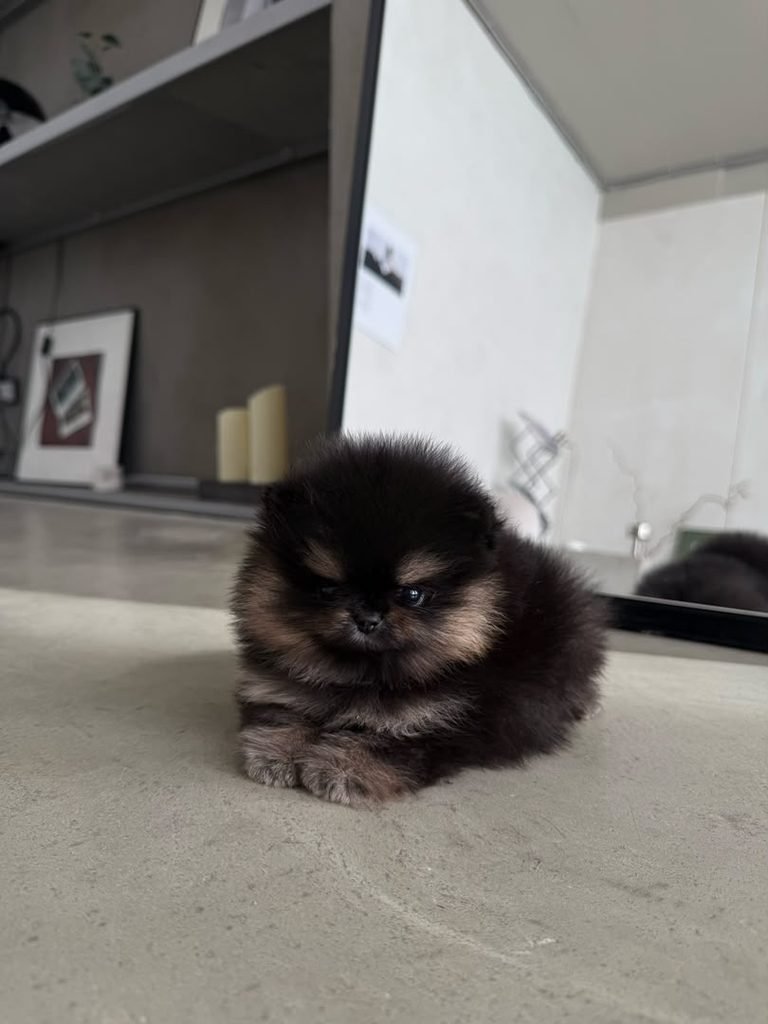
Knowing what to buy before bringing home a Pomeranian puppy can make the first few days much easier. A new Pomeranian puppy needs more than food and a cute bed. Before your puppy arrives, you should prepare a safe sleeping area, feeding supplies, grooming tools, training equipment, toys, cleaning products, identification, and basic health supplies.https://pomeranianblisspuppies.com/care-guide/
Pomeranians are small, energetic, intelligent companion dogs that benefit from consistent routines and positive training. Having the essentials ready before pickup day allows you to concentrate on helping your puppy settle in rather than making emergency shopping trips.https://pomeranianblisspuppies.com/care-guide/
This guide explains what to buy before bringing home a Pomeranian puppy, including the supplies you should purchase first, items that can wait, and the products that can make your puppy’s first week more comfortable.
What to Buy Before Bringing Home a Pomeranian Puppy: Start With the Essentials
Before purchasing toys, accessories, or decorative items, focus on the supplies your puppy will actually need every day.
Your basic shopping list should include:
- Appropriate puppy food
- Food bowl
- Water bowl
- Puppy crate
- Washable puppy bed
- Collar
- Harness
- Lightweight leash
- Identification tag
- Puppy-safe toys
- Grooming brush and comb
- Puppy shampoo
- Nail-care supplies
- Puppy training treats
- Potty-training supplies
- Enzymatic cleaner
- Puppy gates
- Secure travel carrier
- Dog toothbrush and toothpaste
These supplies give you a practical foundation for feeding, sleeping, training, grooming, travel, and safety.https://pomeranianblisspuppies.com/care-guide/
Puppy Food
Food should be one of the first things you purchase.
Before your puppy comes home, ask the breeder or current caregiver what food the puppy has been eating. Keeping the same food during the initial transition may help avoid unnecessary changes.
Choose a complete and balanced puppy food appropriate for your puppy’s size and life stage.
Your veterinarian can help determine an appropriate feeding plan based on your puppy’s individual needs.
What to Buy
Add these items to your shopping cart:
- Small-breed puppy food
- Measuring cup
- Airtight food container
- Food bowl
- Water bowl
- Small training treats
Avoid buying a huge quantity of food before you know whether the food is appropriate for your puppy and whether your veterinarian recommends continuing with it.
Food and Water Bowls
Pomeranians are small dogs, so their bowls should be appropriately sized.
Stainless-steel or ceramic bowls are practical choices because they are generally easy to clean.
Look for bowls that:
- Are easy for a small puppy to reach
- Are stable
- Are easy to wash
- Do not have sharp edges
- Are appropriately sized
Keep fresh water available according to your puppy’s needs and veterinary guidance.
A Properly Sized Puppy Crate
A crate is one of the most useful purchases you can make before bringing home your puppy.
A crate can provide a safe resting area and can also be useful for house training and travel.
Choose a crate that allows your Pomeranian puppy to:
- Stand comfortably
- Turn around
- Sit
- Lie down
- Rest without being cramped
However, you do not want an excessively large crate if you are using it as part of a house-training routine.
A crate divider can be useful because your puppy will grow.
Make the Crate Comfortable
You can add:
- Washable crate mat
- Lightweight blanket
- Comfortable puppy bed
- Safe puppy-approved comfort item
Do not fill the crate with objects your puppy could easily chew apart or swallow.
A Puppy Bed
Your Pomeranian will need somewhere comfortable to sleep outside the crate as well.
A washable bed is a practical choice because puppies can have accidents or make messes.
Consider buying two washable beds or covers. Having a spare allows your puppy to continue using a comfortable bed while another is being cleaned.
Look for a bed that:
- Fits your puppy properly
- Is easy to wash
- Has no easily detachable dangerous pieces
- Is comfortable without being excessively bulky
Puppy-Proofing Supplies
Knowing what to buy before bringing home a Pomeranian puppy also means thinking about home safety.
A tiny puppy can reach areas you might not expect.
Before your puppy arrives, purchase supplies that help you control access to unsafe areas.
Useful items include:
- Baby gates
- Puppy gates
- Cabinet locks
- Cord protectors
- Secure storage containers
- Trash-can protection
- Door barriers
- Storage bins
Keep cleaning chemicals, medications, small objects, cords, and other potentially dangerous items away from your puppy.
Walk through your home from the puppy’s level and look for hazards.
Collar and Identification Tag
A properly fitted collar can hold your puppy’s identification information.
Because Pomeranians are small, choose lightweight equipment and check the fit regularly.
Your puppy’s identification tag can include:
- Puppy name
- Your phone number
- Additional contact information if appropriate
As your puppy grows, check that the collar is not becoming too tight.
Harness and Leash
A harness can be a useful option for walking a small dog.
Choose a harness designed for a puppy’s size and make sure it fits properly.
You should also purchase a lightweight leash.
Avoid using heavy equipment that is uncomfortable or unnecessarily bulky for a small Pomeranian puppy.
Begin leash and harness training indoors or in another controlled environment before expecting your puppy to walk calmly outside.
Secure Travel Carrier
A secure carrier is one of the most important things to buy before pickup day.
Your puppy will need a safe way to travel home.
A carrier can also be useful for:
- Veterinary visits
- Longer car trips
- Air travel when appropriate
- Emergencies
- Temporary confinement
Add a washable blanket or towel to the carrier.
Bring puppy pads and cleaning supplies for the journey in case your puppy has an accident.
Never allow a young puppy to move freely around a moving vehicle.
Puppy Toys
One of the most enjoyable parts of preparing for a new Pomeranian is choosing toys.
However, you do not need dozens of toys immediately.
Start with a small collection of appropriate toys, such as:
- Puppy-safe chew toys
- Soft toys
- Interactive toys
- Food-puzzle toys
- Fetch toys
- Training toys
Rotate toys instead of leaving everything available at once. This can keep familiar toys more interesting.
Always inspect toys regularly.
If a toy becomes damaged, remove it.
Safe Chew Toys
Puppies naturally explore their surroundings with their mouths.
Appropriate chew toys can give your puppy something safe to focus on.
Choose toys that are:
- Appropriate for puppies
- Correctly sized
- Durable enough for your puppy
- Free from easily detachable parts
Do not assume that a toy is safe simply because it is sold for dogs. Supervise your puppy when introducing new toys.
Grooming Supplies
Pomeranians have a fluffy double coat, so grooming supplies should be purchased before the puppy arrives.
Your grooming shopping list should include:
- Soft brush
- Pin brush
- Metal comb
- Puppy-safe shampoo
- Dog towels
- Nail clippers or grinder
- Dog toothbrush
- Dog-safe toothpaste
- Grooming wipes when appropriate
Start grooming training early.
Your puppy should gradually learn that brushing, paw handling, ear checks, and mouth handling are normal parts of life.
Brush and Comb
A good brush and comb are essential Pomeranian supplies.
Regular brushing helps you maintain the coat and allows you to become familiar with your puppy’s skin and coat condition.
Do not wait until the coat becomes tangled before introducing brushing.
Start with very short sessions.
Reward calm behavior with praise or a small appropriate treat.
Puppy Shampoo and Towels
You may not need to bathe your puppy immediately, but having puppy-safe shampoo at home is useful.
Choose a product formulated for dogs rather than using human shampoo.
Also buy several absorbent towels.
A small Pomeranian can be easier to dry with a towel than with a loud hair dryer, particularly while still becoming accustomed to grooming.
Nail-Care Supplies
Nail care is another item to prepare for.
You can purchase:
- Small dog nail clippers
- Nail grinder
- Styptic product recommended by your veterinarian or groomer
Introduce paw handling slowly.
Do not rush through the first nail-trimming session.
If you are uncomfortable trimming your puppy’s nails, ask your veterinarian or professional groomer to demonstrate safe techniques.
Dental-Care Supplies
Dental care should be part of your shopping list from the beginning.
Purchase:
- Dog toothbrush
- Dog-safe toothpaste
- Dental products recommended by your veterinarian
Never use human toothpaste unless specifically instructed by a veterinary professional.
Start by allowing your puppy to become comfortable with gentle mouth handling.
The goal initially is not a perfect brushing session. The goal is to establish a positive routine.
Potty-Training Supplies
House training requires preparation.
Before bringing your puppy home, buy:
- Puppy pads if you plan to use them
- Poop bags
- Enzymatic cleaner
- Paper towels
- Washable cleaning cloths
- Small training treats
- A designated potty-area setup
An enzymatic cleaner is especially useful because ordinary cleaning may not completely remove odor cues that encourage repeated accidents.
Puppy Gates
A puppy gate can help you control your Pomeranian’s environment.
Instead of giving your puppy access to the entire house immediately, create a smaller puppy-safe area.
A gate can help prevent access to:
- Stairs
- Kitchens
- Storage rooms
- Electrical equipment
- Certain furniture
- Other restricted areas
As your puppy becomes more reliable and learns household rules, you can gradually increase access.
Training Treats
Small treats are useful for early training.
Because Pomeranians are tiny, treats should also be appropriately sized.
You can use rewards when teaching:
- Name recognition
- Sit
- Come
- Wait
- Leave it
- Leash manners
- Calm behavior
- Crate entry
- Potty routines
Treats are not the only reward. Praise, toys, play, and affection can also reinforce desired behavior.
Training Clicker
A clicker is optional.
Some owners find clicker training useful for marking the exact moment their puppy performs a desired behavior.
If you use one, pair the click with a reward so your puppy learns what the sound means.
You can also train successfully without a clicker.
Consistency matters more than having every training accessory.
For additional guidance, the AKC’s training resources provide information on basic dog training and behavior.
Cleaning Supplies
Puppy accidents are normal.
Do not bring your puppy home without cleaning supplies.
Prepare:
- Enzymatic cleaner
- Paper towels
- Washable towels
- Puppy-safe disinfecting products
- Trash bags
- Disposable gloves if needed
Keep cleaning products somewhere your puppy cannot access them.
Puppy-Proof Storage
Storage is often overlooked.
A puppy can chew through bags or knock over containers.
Use secure storage for:
- Food
- Treats
- Cleaning products
- Medication
- Grooming products
- Small toys
- Household chemicals
Keep your puppy’s food in an airtight container if appropriate.
Veterinary Information
Not everything you need to buy is a physical product.
Before bringing home your puppy, prepare financially for veterinary care and identify a veterinarian.
Ask the breeder for available health and vaccination records.
Your veterinary folder can contain:
- Vaccination records
- Deworming records
- Veterinary examination information
- Microchip details
- Registration documents if applicable
- Health guarantee
- Purchase contract
- Feeding instructions
- Medication instructions
Schedule your puppy’s veterinary care according to professional advice.
A Puppy First-Aid Kit
You can keep a basic pet first-aid kit at home.
It may include:
- Gauze
- Clean towels
- Disposable gloves
- Digital thermometer for pets if your veterinarian recommends one
- Tweezers
- Saline solution
- Your veterinarian’s contact information
- Emergency veterinary contact information
A first-aid kit is not a substitute for professional veterinary care.
If your puppy is sick or injured, contact a veterinarian promptly.
Puppy Food Storage
Food storage is worth considering before your puppy arrives.
An airtight container can help keep food fresh and prevent your puppy from accessing the entire food supply.
Store food according to the manufacturer’s instructions.
Do not leave food bags where a curious puppy can chew through them.
Puppy Training Area
Before pickup day, decide where training will happen.
You do not need a large room.
A quiet, puppy-safe area can be enough for practicing:
- Sit
- Name response
- Come
- Wait
- Leash walking
- Handling
- Crate entry
Keep sessions short and positive.
The AKC Pomeranian breed guide is another useful resource for learning about the breed’s general characteristics and care considerations.
Supplies for the First Night
The first night can be challenging for a puppy that has just left its familiar environment.
Have these items ready:
- Crate
- Comfortable bedding
- Puppy-safe comfort item
- Water
- Appropriate food
- Potty supplies
- Cleaning supplies
- Low-noise toys
- Your veterinarian’s contact information
Keep the environment calm.
Do not plan a large party or invite numerous people to meet the puppy immediately.
Your new Pomeranian needs time to adjust.
What to Buy for Pomeranian Puppy Socialization
Socialization does not mean taking your puppy everywhere immediately.
It means gradually introducing your puppy to appropriate people, sounds, handling, environments, and experiences in a safe and positive way.
You may want:
- Treat pouch
- Small training treats
- Harness
- Lightweight leash
- Carrier
- Safe toys
- Grooming equipment
Follow your veterinarian’s recommendations regarding vaccinations and exposure to public areas.
The AKC puppy socialization guidance can provide additional information.
What Not to Buy Yet
Knowing what to buy before bringing home a Pomeranian puppy also means knowing what you do not need immediately.
Avoid buying large quantities of:
- Food your puppy has never tried
- Clothing your puppy may quickly outgrow
- Too many toys
- Expensive beds
- Complicated training gadgets
- Grooming products you do not understand
- Oversized accessories
Start with the basics.
Once you learn your puppy’s preferences and needs, you can purchase additional items.
A Practical Pomeranian Puppy Shopping List
Here is a simple shopping list you can save.
Feeding
- Puppy food
- Food bowl
- Water bowl
- Measuring cup
- Food storage container
- Training treats
Sleeping
- Crate
- Crate mat
- Puppy bed
- Washable blanket
- Extra bedding
Walking
- Collar
- Identification tag
- Harness
- Lightweight leash
Toys
- Chew toys
- Soft toys
- Interactive toys
- Puzzle toy
- Fetch toy
Grooming
- Brush
- Metal comb
- Puppy shampoo
- Towels
- Nail clippers or grinder
- Dog toothbrush
- Dog-safe toothpaste
Potty Training
- Puppy pads
- Poop bags
- Enzymatic cleaner
- Paper towels
Safety
- Puppy gates
- Baby gates
- Cord protection
- Cabinet locks
- Secure storage
Travel
- Secure carrier
- Travel blanket
- Puppy pads
- Water
- Cleaning supplies
What to Prepare Besides Buying Supplies
Buying products is only one part of getting ready.
Before your Pomeranian arrives, also:
- Puppy-proof your home.
- Choose the sleeping area.
- Establish a feeding location.
- Establish a potty area.
- Find a veterinarian.
- Save emergency veterinary contact information.
- Ask the breeder about the puppy’s current routine.
- Learn what food the puppy is eating.
- Prepare a first-week schedule.
- Decide which household rules will apply.
- Prepare family members for the puppy’s arrival.
- Make arrangements for the puppy’s first veterinary visit.
This preparation can be just as valuable as buying supplies.
How Much Should You Spend on Pomeranian Puppy Supplies?
The cost of preparing for a Pomeranian puppy can vary considerably.
You do not need to purchase the most expensive version of every product.
Prioritize spending on:
- Quality food
- Safe transportation
- Appropriate veterinary care
- Safe grooming equipment
- Properly fitted walking equipment
- Durable, puppy-appropriate toys
- Home safety
You can save money on decorative accessories and unnecessary gadgets.
Your puppy needs safety and care more than luxury products.
Choosing Safe Products for a Small Pomeranian
Pomeranians are small dogs, so size matters.
A product that is appropriate for a larger dog may be unsuitable for a Pomeranian puppy.
Before purchasing anything, check:
- Recommended dog size
- Age recommendation
- Material
- Durability
- Choking hazards
- Ease of cleaning
- Fit
When in doubt, ask your veterinarian or a qualified pet professional.
Final Preparation Before Your Pomeranian Arrives
The day before bringing your puppy home, walk through your shopping list one more time.
Make sure you have:
- Food
- Water bowl
- Crate
- Bed
- Collar
- Harness
- Leash
- Identification
- Toys
- Grooming tools
- Potty supplies
- Cleaning products
- Carrier
- Veterinary information
Then puppy-proof the house.
Put dangerous objects away.
Close doors to restricted rooms.
Secure cords.
Remove small objects from the floor.
Set up the puppy’s sleeping area.
Finally, give yourself enough time to welcome your puppy calmly.
Final Thoughts: What to Buy Before Bringing Home a Pomeranian Puppy
Knowing what to buy before bringing home a Pomeranian puppy helps you prepare for one of the biggest changes in your household.
Your puppy does not need an enormous collection of products. The most important supplies are food, bowls, a safe crate, comfortable bedding, appropriate toys, grooming equipment, walking equipment, potty-training supplies, cleaning products, and safety equipment.
You should also prepare your home, establish a routine, find a veterinarian, organize your puppy’s health records, and decide on household rules before your puppy arrives.
The goal is not to have a perfect house. The goal is to create a safe, comfortable environment where your new Pomeranian can learn, rest, bond with you, and gradually become part of your family.
By preparing the essentials ahead of time, you can make the transition smoother and spend more time enjoying your new companion.
Frequently Asked Questions
What should I buy first for a Pomeranian puppy?
Start with puppy food, food and water bowls, a properly sized crate, bedding, a collar, harness, leash, toys, grooming supplies, potty-training supplies, cleaning products, and a secure carrier.
What do I need for my Pomeranian puppy’s first night?
Prepare a safe crate, comfortable bedding, food, water, appropriate toys, potty supplies, cleaning products, and a quiet sleeping area.
Does a Pomeranian puppy need a crate?
A crate can be useful for sleeping, house training, travel, and providing your puppy with a safe resting space.
What toys should I buy for a Pomeranian puppy?
Start with a few puppy-safe chew toys, soft toys, interactive toys, and puzzle or food-dispensing toys appropriate for your puppy’s size.
What grooming supplies does a Pomeranian need?
A Pomeranian puppy should have a suitable brush, metal comb, puppy-safe shampoo, towels, nail-care equipment, toothbrush, and dog-safe toothpaste.
Should I buy puppy pads?
Puppy pads can be useful depending on your house-training plan and living situation. They are not required for every puppy, particularly if you plan to train your puppy to potty outdoors.
What should I ask the breeder before bringing my Pomeranian home?
Ask about food, feeding schedule, vaccinations, deworming, veterinary examinations, health records, microchip information, socialization, parent health testing, contracts, and the puppy’s current routine.
Should I buy food before bringing home my Pomeranian?
Yes. Ask what food your puppy is currently eating and have enough of it ready before pickup. Discuss any future food changes with your veterinarian.
Do I need a harness for a Pomeranian puppy?
A properly fitted harness can be useful for walking a small Pomeranian, but fit is important. Choose equipment designed for your puppy’s size.
How do I prepare my home for a Pomeranian puppy?
Puppy-proof the house, secure electrical cords and dangerous products, remove small objects, block unsafe areas, prepare a sleeping area, establish a potty area, and keep your puppy’s food and supplies organized.
What should I bring when picking up my Pomeranian puppy?
Bring a secure carrier, washable blanket, puppy pads, cleaning supplies, water, and any paperwork or health records provided by the breeder.
Do I need everything before my Pomeranian puppy arrives?
You should have the basic essentials ready before arrival. Additional toys, accessories, and products can be purchased later once you understand your puppy’s needs and preferences.https://pomeranianblisspuppies.com/care-guide/