October 4, 2026
What Age Can a Pomeranian Puppy Go Home? – A Guide for New Owners
What Age Can a Pomeranian Puppy Go Home? Complete Guide
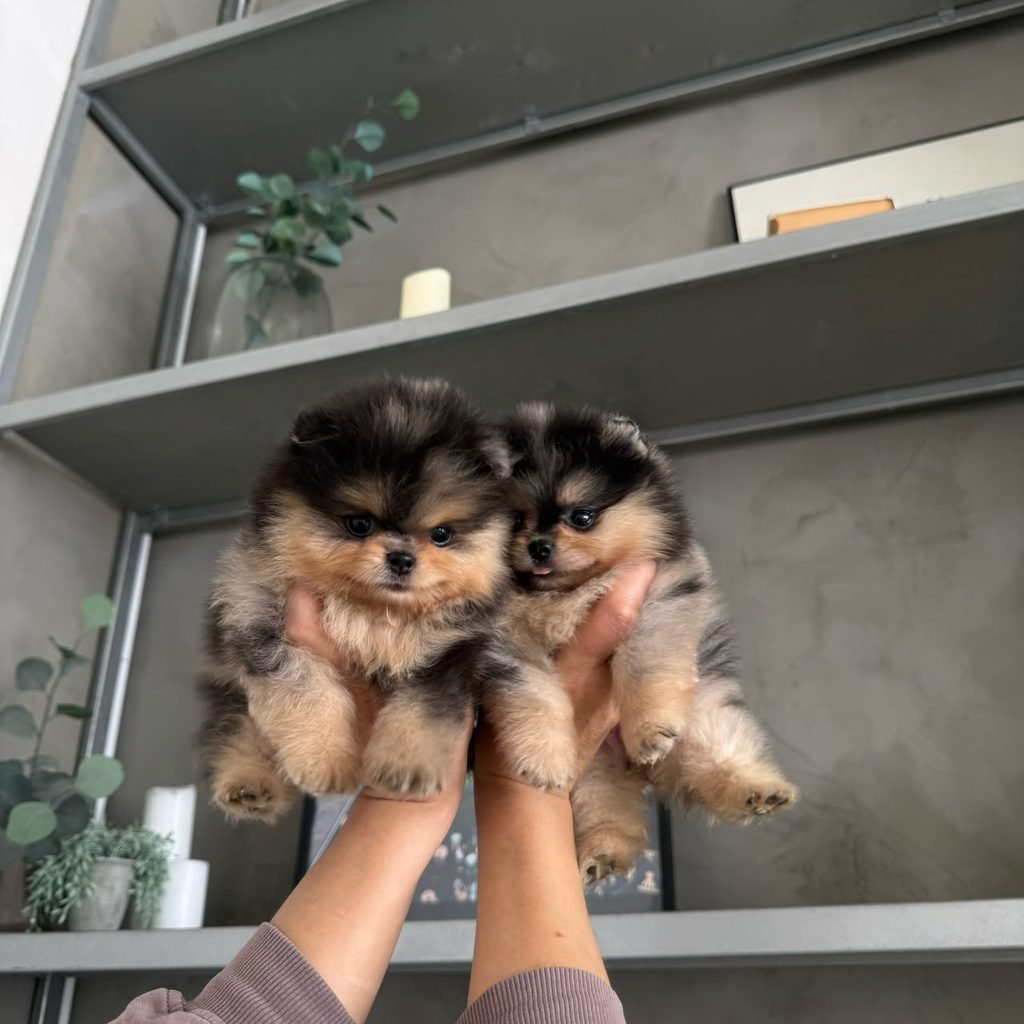
What Age Can a Pomeranian Puppy Go Home? In most situations, a Pomeranian puppy should not leave its mother and littermates before at least 8 weeks of age. Depending on the puppy’s development, size, health, socialization, and breeder’s recommendations, some Pomeranian puppies may benefit from staying with their mother and littermates until around 10 to 12 weeks.https://pomeranianblisspuppies.com/care-guide/
Because Pomeranians are a small toy breed, choosing the right time for a puppy to leave its litter is especially important. A responsible breeder should consider the individual puppy’s physical and behavioral development rather than rushing the puppy into a new home.
If you are preparing to buy a Pomeranian puppy, understanding What Age Can a Pomeranian Puppy Go Home? can help you make a safer and more informed decision.https://pomeranianblisspuppies.com/care-guide/
What Age Can a Pomeranian Puppy Go Home?
What Age Can a Pomeranian Puppy Go Home? Generally, a puppy should be at least 8 weeks old before going to a new home, assuming it is healthy, properly weaned, and developmentally ready.
Eight weeks is an important milestone because puppies have spent their early weeks learning essential behaviors from their mother and littermates.https://pomeranianblisspuppies.com/care-guide/
However, there is no need to assume that every puppy should leave exactly on the day it turns 8 weeks old.
Some puppies, particularly very small or slower-developing puppies, may benefit from additional time with their breeder.
The breeder should consider:
- The puppy’s physical development
- Ability to eat independently
- Weight and overall condition
- Social development
- Confidence
- Vaccination and veterinary care
- Ability to cope with normal household experiences
- Individual temperament
Why Is 8 Weeks an Important Age?
The first several weeks of a puppy’s life are extremely important for development.
During this period, puppies learn how to interact with their mother and littermates.
They begin developing important social skills such as:
- Appropriate play
- Bite inhibition
- Communication
- Body-language awareness
- Frustration tolerance
- Confidence
- Appropriate interaction with other dogs
Separating a puppy too early can interfere with some of these important experiences.
This is why What Age Can a Pomeranian Puppy Go Home? is more than a simple question about a calendar date.
The puppy’s developmental stage matters.
Can a Pomeranian Puppy Go Home at 8 Weeks?
A healthy, appropriately developed Pomeranian puppy may be ready to go home at 8 weeks.
However, the puppy should be properly weaned and capable of eating appropriate puppy food independently.
The breeder should also be monitoring the puppy’s health and development.
Before taking an 8-week-old Pomeranian home, ask the breeder about:
- Current weight
- Feeding schedule
- Veterinary examination
- Vaccinations
- Deworming
- Health records
- Microchip status, if applicable
- Parent health information
- Socialization
- Potty-training progress
- Current food
- Sleep routine
Having this information makes the transition easier.
Can a Pomeranian Puppy Go Home at 10 Weeks?
Yes. Ten weeks can be a reasonable age for a Pomeranian puppy to transition to a new home when the breeder and veterinarian consider the puppy ready.
Keeping a puppy with its mother and littermates for additional time can provide more opportunities for social development.
For some small or sensitive puppies, extra time can also allow the breeder to monitor development and build confidence before the puppy moves to a new environment.
Can a Pomeranian Puppy Go Home at 12 Weeks?
Some Pomeranian puppies may remain with their breeder until approximately 12 weeks.
This is not necessarily a sign that something is wrong.
There can be legitimate reasons for keeping a puppy longer, including:
- Additional socialization
- Continued monitoring
- Small size
- Individual development
- Breeder’s puppy-raising program
- Veterinary considerations
- Travel arrangements
The important question is whether the puppy is receiving appropriate care and positive social experiences while it remains with the breeder.
Should a Pomeranian Puppy Leave at 6 Weeks?
Generally, 6 weeks is too young for a puppy to be permanently separated from its mother and littermates.
At this stage, the puppy is still developing important social and behavioral skills.
A puppy may look physically capable of leaving, but appearance does not tell the entire story.
A responsible breeder should prioritize development rather than sending puppies to new homes as soon as they begin eating solid food.
If a seller insists that a very young Pomeranian puppy must leave immediately, treat that as a reason to ask additional questions.
Why Pomeranian Puppies May Need Extra Time
Pomeranians are a toy breed, and individual puppies can vary considerably in size and development.
A responsible breeder should not use a one-size-fits-all approach.
A particularly small puppy may need additional monitoring before moving to a new household.
Extra time can allow the breeder to:
- Monitor weight
- Confirm consistent eating
- Observe behavior
- Continue socialization
- Introduce grooming
- Introduce household sounds
- Begin basic training
- Establish feeding routines
- Monitor overall health
The exact timing should be based on the puppy’s condition rather than simply the buyer’s preferred pickup date.
What Happens Before a Pomeranian Puppy Goes Home?
A responsible breeder should prepare the puppy for the transition.
This preparation can include introducing the puppy to normal household experiences in an age-appropriate and safe way.
Examples include:
- Household sounds
- Gentle handling
- Grooming
- Different surfaces
- Short periods away from littermates
- Appropriate human interaction
- Basic crate exposure
- Age-appropriate potty routines
- Appropriate play
- Safe environmental exploration
Good early experiences can help a puppy adjust to its new family.
Is a Pomeranian Puppy Fully Vaccinated Before Going Home?
Usually, a puppy will not have completed its entire vaccination series before going home.
Puppy vaccination schedules typically involve multiple doses over the early months of life.
The exact schedule should be determined by a veterinarian based on the puppy’s age, health, location, and risk factors.
Ask the breeder for written veterinary records showing:
- Vaccinations received
- Dates of vaccinations
- Deworming treatments
- Veterinary examinations
- Other preventive care
After bringing your Pomeranian puppy home, arrange a veterinary appointment and provide the records to your veterinarian.
What Health Records Should Come With a Pomeranian Puppy?
When asking What Age Can a Pomeranian Puppy Go Home?, it is also important to consider what documentation should accompany the puppy.
Depending on the breeder and applicable requirements, you may receive:
- Veterinary health records
- Vaccination records
- Deworming records
- Microchip information
- Registration paperwork
- Health guarantee
- Purchase contract
- Feeding instructions
- Care instructions
Ask the breeder to explain every document before completing the purchase.
Should a Pomeranian Puppy Be Vet Checked Before Going Home?
A veterinary examination before placement can help identify health concerns and document the puppy’s condition.
Ask the breeder whether the puppy has been examined by a veterinarian and request documentation of the examination.
A responsible breeder should be willing to discuss the puppy’s health openly.
You should also schedule your own veterinary appointment shortly after bringing your puppy home.
What Should a Pomeranian Puppy Be Eating Before Going Home?
By the time a healthy puppy is ready to leave the breeder, it should generally be eating independently.
Ask the breeder:
- What food is the puppy eating?
- How many meals does the puppy receive?
- What portion size is being used?
- What time are meals given?
- Has the puppy experienced any digestive problems?
- How should the diet be changed if necessary?
When you first bring your Pomeranian home, keeping the same food initially can help reduce unnecessary digestive disruption.
If you want to change the diet, discuss the transition with your veterinarian and make changes gradually.
Why Weaning Matters Before a Pomeranian Goes Home
Weaning is the process of transitioning a puppy from nursing to eating solid food.
A puppy should be appropriately weaned before leaving its mother permanently.
Weaning is not just about whether a puppy can physically eat.
The breeder should make sure the puppy is maintaining appropriate nutrition and development.
A puppy that still depends heavily on its mother for nutrition may not be ready for the transition to a new home.
What About Pomeranian Puppy Socialization?
Socialization is one of the major reasons puppies benefit from appropriate early experiences.
The goal is not to expose a puppy to everything possible.
Instead, puppies should experience new sights, sounds, people, surfaces, handling, and environments in safe and positive ways.
Age-appropriate socialization can include:
- Gentle handling
- Different household sounds
- Different floor surfaces
- New toys
- Safe people
- Grooming experiences
- Car rides
- Brief new environments
- Calm interactions with appropriate dogs
The experiences should be positive and never overwhelming.
What Age Can a Pomeranian Puppy Go Home If It Is Very Small?
A very small Pomeranian puppy may require additional consideration before going home.
Size alone does not determine readiness, but extremely small puppies may require closer monitoring of feeding, weight, temperature, and overall health.
If a puppy is significantly smaller than its littermates, ask the breeder:
- Is the puppy gaining weight consistently?
- Has a veterinarian examined the puppy?
- Is the puppy eating independently?
- Is the puppy active and alert?
- Has the puppy experienced any health concerns?
- Does the veterinarian recommend additional monitoring?
A responsible breeder should be comfortable answering these questions.
Should You Choose the Youngest Pomeranian Puppy Available?
Not necessarily.
The youngest puppy is not automatically the best puppy for every household.
Instead of asking only What Age Can a Pomeranian Puppy Go Home?, consider whether the individual puppy is:
- Healthy
- Well socialized
- Properly weaned
- Confident
- Eating independently
- Receiving appropriate veterinary care
- Raised in a clean environment
- Supported by good breeder practices
A slightly older puppy may sometimes be an excellent choice.
What Age Is Best for a First-Time Pomeranian Owner?
For a first-time owner, a puppy that is appropriately developed and well socialized is generally more important than selecting a specific exact week.
A breeder who provides clear feeding instructions, health records, socialization information, and transition support can make the process easier.
First-time owners should prepare before pickup by purchasing:
- Puppy food
- Food and water bowls
- Comfortable bedding
- Puppy-safe toys
- Collar and identification
- Leash
- Appropriate crate
- Puppy gates
- Cleaning supplies
- Grooming tools
- Enzyme-based cleaning products
Preparing the home before the puppy arrives can make the first week less stressful.
What Age Can a Pomeranian Puppy Go Home for Long-Distance Travel?
Travel plans can affect the practical timing of a puppy’s move.
If the puppy must travel a long distance, talk with the breeder and veterinarian about the safest arrangement.
Consider:
- Puppy age
- Vaccination status
- Health
- Weather
- Travel method
- Length of journey
- Bathroom breaks
- Feeding
- Stress
- Applicable transportation requirements
A long journey may require more planning than a short local pickup.
What Should You Ask a Breeder Before Taking a Pomeranian Puppy Home?
Before agreeing to take a puppy home, ask the breeder:
Health Questions
- Has the puppy been examined by a veterinarian?
- What vaccinations has the puppy received?
- Has the puppy been dewormed?
- Are health records available?
- Have the parents undergone recommended health testing?
Development Questions
- When did the puppy begin eating solid food?
- Is the puppy fully weaned?
- How is the puppy’s weight progressing?
- What socialization has the puppy received?
Care Questions
- What food is the puppy eating?
- What feeding schedule should I follow?
- What crate size do you recommend?
- What grooming routine has the puppy experienced?
Contract Questions
- Is there a written purchase agreement?
- Is there a health guarantee?
- What happens if a veterinary problem is discovered?
- What support is provided after the puppy goes home?
A trustworthy breeder should be willing to answer questions clearly.
Red Flags When Buying a Pomeranian Puppy
Knowing What Age Can a Pomeranian Puppy Go Home? can also help you identify questionable sellers.
Be cautious if a seller:
- Wants to send a very young puppy home
- Refuses to provide health records
- Avoids questions about the parents
- Will not explain the puppy’s feeding routine
- Pressures you to pay immediately
- Refuses to discuss a contract
- Makes unrealistic health claims
- Cannot explain where the puppy was raised
- Offers no information about veterinary care
Do not allow excitement about getting a Pomeranian puppy to replace careful research.
Preparing Your Home for a Pomeranian Puppy
Once you know your puppy’s pickup date, prepare the home in advance.
Puppy-proof areas where the dog will spend time.
Secure:
- Electrical cords
- Cleaning chemicals
- Medications
- Small objects
- Toxic plants
- Open trash cans
- Unsafe gaps
- Accessible foods that are harmful to dogs
Create a dedicated puppy area where your new Pomeranian can sleep, eat, play, and relax.
The First 24 Hours After Your Pomeranian Comes Home
The first day should be calm.
Your puppy has just experienced a major change.
Avoid overwhelming the puppy with too many visitors or activities.
Instead:
- Bring the puppy into a quiet environment.
- Show the puppy its water and food area.
- Introduce the sleeping area.
- Take the puppy to the appropriate bathroom area.
- Allow supervised exploration.
- Keep the environment calm.
- Follow the breeder’s feeding routine initially.
- Give the puppy plenty of opportunities to rest.
Your puppy may sleep frequently during the first few days.
The First Week With a Pomeranian Puppy
The first week should focus on routine and trust.
Establish consistent times for:
- Feeding
- Bathroom trips
- Sleep
- Play
- Training
- Grooming
- Quiet time
Start with simple training.
Your puppy can begin learning its name, appropriate bathroom habits, gentle handling, and basic household rules.
Do not expect perfection.
The first week is about adjustment and establishing a foundation.
What Age Can a Pomeranian Puppy Go Home? Final Answer
So, What Age Can a Pomeranian Puppy Go Home? In general, a healthy and appropriately developed Pomeranian puppy should be at least 8 weeks old before leaving its mother and littermates permanently.
Some puppies may benefit from staying with their breeder until 10 or 12 weeks, particularly when additional development, socialization, monitoring, or veterinary considerations make extra time beneficial.
The most important thing is not simply choosing a specific date.
A puppy should be:
- Properly weaned
- Eating independently
- Developing appropriately
- Healthy enough for the transition
- Receiving appropriate socialization
- Receiving appropriate veterinary care
- Ready for the responsibilities of a new home
Choosing a responsible breeder and asking detailed questions can help you make a safer decision.
Frequently Asked Questions
What Age Can a Pomeranian Puppy Go Home?
A healthy Pomeranian puppy can generally go home at around 8 weeks or later when appropriately weaned and developmentally ready. Some may stay with the breeder until 10 to 12 weeks.
Can a Pomeranian Puppy Go Home at 8 Weeks?
Yes, an appropriately developed and healthy puppy may go home at 8 weeks. The breeder should confirm that the puppy is eating independently and ready for the transition.
Is 6 Weeks Too Young for a Pomeranian Puppy?
Six weeks is generally too young for permanent separation from the mother and littermates. Puppies benefit from additional time for social and behavioral development.
Is 10 Weeks a Good Age to Get a Pomeranian Puppy?
Yes. A healthy, properly socialized 10-week-old Pomeranian can be ready for a new home and may have benefited from additional time with its breeder.
Is 12 Weeks Too Old to Get a Pomeranian?
No. A 12-week-old Pomeranian can make an excellent puppy for a new family. What matters is the quality of care, socialization, health monitoring, and experiences provided during those additional weeks.
Should Pomeranian Puppies Stay With Their Mother Longer?
Appropriate time with the mother and littermates can support social and behavioral development. The exact timing should take the individual puppy’s health and development into account.
What Vaccinations Does a Pomeranian Puppy Need Before Going Home?
Puppies typically receive a series of vaccinations during their early months. The exact schedule should be determined by a veterinarian.
Should a Pomeranian Puppy Be Weaned Before Going Home?
Yes. A puppy should be appropriately weaned and eating independently before permanently moving to a new home.
What Should I Get Before Bringing My Pomeranian Puppy Home?
Prepare food, bowls, bedding, toys, a crate, leash, collar, grooming supplies, puppy gates, cleaning supplies, and other puppy-safe essentials.
How Soon Should a New Pomeranian Puppy See a Veterinarian?
Arrange a veterinary appointment soon after bringing your puppy home. Bring all health, vaccination, deworming, and other records provided by the breeder.
Final Thoughts
Knowing What Age Can a Pomeranian Puppy Go Home? is one of the most important questions to ask before purchasing a puppy.
Eight weeks is a common minimum point for a healthy, appropriately developed puppy, while some Pomeranians may benefit from remaining with a responsible breeder until 10 or 12 weeks.
Do not focus only on the puppy’s age. Look at the complete picture: health, weaning, development, socialization, veterinary care, breeder practices, and the puppy’s ability to transition successfully.
A few additional weeks of responsible care can be valuable when they help a Pomeranian puppy develop confidence and important social skills before beginning life with its new family.https://pomeranianblisspuppies.com/care-guide/