October 13, 2026
Pomeranian Puppy Vaccination Records – What to Check Before Buying
Pomeranian Puppy Vaccination Records: What Every Buyer Should Know
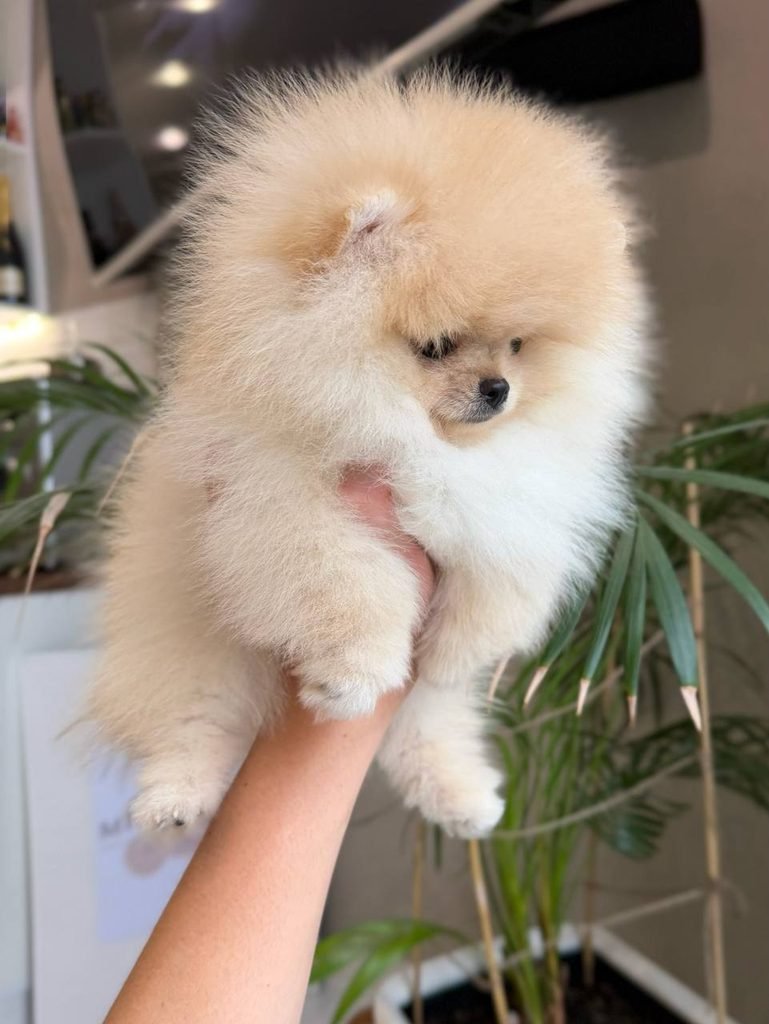
Bringing home a Pomeranian puppy is an exciting experience, but checking the puppy’s health information is an important part of responsible ownership. One of the first things prospective owners should review is the puppy’s vaccination history. Pomeranian Puppy Vaccination Records help buyers understand which vaccines a puppy has received, when the vaccinations were given, and which doses may still be needed.https://pomeranianblisspuppies.com/health/
Whether you are buying a Pomeranian from a professional breeder or considering a puppy from another source, reviewing vaccination documents can help you prepare for your puppy’s first veterinary appointment. These records also provide useful information about the puppy’s early healthcare and help you avoid confusion about future vaccinations.
This guide explains what vaccination records should contain, how to check them, which questions to ask a breeder, and what to do after bringing your Pomeranian puppy home.https://pomeranianblisspuppies.com/health/
Why Are Pomeranian Puppy Vaccination Records Important?
Vaccination records provide a written history of the vaccines administered to a puppy. They help owners and veterinarians determine what protection the puppy may have received and when follow-up doses should be considered.
Reviewing Pomeranian Puppy Vaccination Records before completing a purchase can help you:
- Confirm which vaccinations the breeder says the puppy has received.
- Check the dates of previous vaccinations.
- Identify the veterinary clinic or professional who administered the vaccines.
- Understand whether additional doses or boosters may be needed.
- Share accurate medical information with your veterinarian.
- Keep track of future vaccination appointments.
- Identify missing information that needs clarification before bringing the puppy home.
Vaccination records are an important part of a puppy’s healthcare history, but they are not a guarantee that the puppy is completely healthy or fully protected against every infectious disease. A veterinary examination remains essential.https://pomeranianblisspuppies.com/health/
What Should Pomeranian Puppy Vaccination Records Include?
A useful vaccination record should contain enough information for a veterinarian to review the puppy’s previous care and plan appropriate follow-up.
1. Puppy Identification Details
Start by checking whether the document clearly identifies the puppy. Ideally, it should include the puppy’s name, date of birth or estimated age, sex, and identifying information where available.
If the puppy has a microchip, the microchip number may also be included in the medical file. Confirm that the details on the records match the puppy you are purchasing.
Correct identification matters when a breeder has several puppies in the same litter, especially if they have similar colors or markings.
2. Vaccination Dates
Each recorded vaccination should have a date showing when the vaccine was administered. These dates help your veterinarian evaluate the puppy’s vaccination history and decide when the next dose may be appropriate.
Check the dates carefully and ask the breeder to explain any missing or unclear entries. Do not assume that a puppy has completed its vaccination course simply because one vaccination is documented.
The correct schedule depends on the puppy’s age, previous doses, vaccine product, health status, and veterinary guidance.
3. Vaccine Names
The record should identify the vaccine given whenever possible. Core canine vaccines commonly protect against diseases such as canine distemper, canine parvovirus, and canine adenovirus. Other vaccinations may be recommended depending on the puppy’s location, lifestyle, exposure risks, and local regulations.
Ask the breeder or veterinarian to explain any abbreviations on the document. Vaccine combinations and product names can vary, so it is better to have unclear entries explained than to guess what they mean.
4. Veterinary Clinic or Provider Details
Look for the name of the veterinary clinic or qualified provider associated with the vaccination. Contact information, a signature, a stamp, or other verification may also be available.
If the breeder administered vaccinations independently, ask who performed them and whether supporting documentation is available. Your veterinarian can help assess whether the records provide sufficient information to guide future care.
5. Next Vaccination or Booster Information
A vaccination record may include a recommended follow-up date or notes about the next dose. Use this information as a starting point, not as a substitute for veterinary advice.
Puppies commonly require a series of vaccinations during their first months of life because protection from early doses can vary. Your veterinarian should review the existing record and determine the appropriate schedule for your puppy.
6. Additional Health Notes
Some breeders maintain a broader puppy health file that includes deworming, parasite prevention, physical examination dates, medications, and other relevant treatments.
These details are not all vaccinations, but they help provide a more complete picture of the puppy’s early care. Keep the information together so your veterinarian can review it during the first appointment.
Which Vaccinations Might a Pomeranian Puppy Need?
Pomeranians generally follow canine vaccination recommendations based on age, medical history, and individual risk rather than requiring a completely separate schedule because of their breed.
Vaccines commonly discussed with a veterinarian include:
- Distemper: Helps protect against canine distemper, a serious infectious disease.
- Parvovirus: Helps protect against canine parvovirus, which can cause severe gastrointestinal illness.
- Adenovirus: Helps protect against canine adenovirus infections, including infectious canine hepatitis.
- Rabies: Recommended or required according to local laws and veterinary guidance.
- Bordetella: May be recommended for puppies exposed to boarding facilities, daycare, grooming environments, or groups of dogs.
- Leptospirosis: May be recommended depending on local disease risks and the puppy’s likely exposure.
- Other risk-based vaccines: Your veterinarian may recommend additional protection based on regional conditions and lifestyle.
Not every puppy needs every non-core vaccine. Your veterinarian can determine which vaccinations are appropriate.
Never attempt to create a vaccination schedule based solely on the puppy’s breed or age. Review the records with a veterinary professional before arranging additional doses.
How to Check Pomeranian Puppy Vaccination Records Before Buying
Before you pay a deposit or take a puppy home, ask the breeder to provide copies of the available veterinary records. Review the information carefully and request clarification if something is missing.
Use this practical checklist:
- Confirm that the puppy’s identifying details match the puppy being offered.
- Check the dates of all recorded vaccinations.
- Make sure the vaccine names or products are identifiable.
- Look for the veterinary clinic or provider details.
- Ask whether any follow-up doses are due.
- Request copies of supporting veterinary documents if available.
- Compare the vaccination history with the puppy’s age.
- Ask about deworming and other preventive treatments separately.
- Arrange an independent veterinary examination after bringing the puppy home.
A responsible breeder should be willing to discuss the puppy’s healthcare history and explain what documentation is available. If a record is incomplete, ask questions rather than immediately assuming that fraud has occurred.
However, be cautious if a seller refuses to provide any health information, gives inconsistent answers, or pressures you to purchase the puppy without allowing reasonable verification.
Are Pomeranian Puppies Fully Vaccinated When They Go Home?
Not necessarily. A puppy may have received one or more vaccinations before going home but still need additional doses.
The age at which puppies leave a breeder varies, and vaccination schedules depend on the veterinary plan and applicable recommendations. Early vaccinations are not always the end of the series.
When reviewing Pomeranian Puppy Vaccination Records, ask the breeder to explain exactly which doses have been administered and which ones remain outstanding.
Before taking the puppy home, find out:
- The date of the most recent vaccination.
- Whether a follow-up appointment is recommended.
- Which vaccines the veterinarian expects the puppy to receive next.
- Whether any health concerns could affect the timing.
- What precautions are appropriate before the vaccination series is complete.
Until your veterinarian advises otherwise, avoid exposing a young puppy to areas where unknown or unvaccinated dogs frequently gather. Your veterinarian can explain how to balance infection prevention with safe early socialization.
What If Vaccination Records Are Missing?
If the breeder cannot provide complete vaccination documentation, do not simply assume the puppy has received every necessary dose.
Ask for any available clinic receipts, medical notes, vaccine labels, or other supporting documents. If the seller says a vaccination was given but cannot document it, explain this to your veterinarian.
Your veterinarian can examine the puppy, assess the available history, and recommend a suitable vaccination plan. Depending on the circumstances, it may be necessary to treat the puppy’s vaccination history as uncertain.
Do not give additional vaccines yourself or repeat doses without professional guidance. A veterinarian can determine the safest and most appropriate next steps.
Missing records do not automatically prove that a puppy is unhealthy, but they do create uncertainty that should be addressed before relying on the claimed vaccination history.
What to Do After Bringing Your Pomeranian Puppy Home
Your responsibility for your puppy’s healthcare continues after the purchase. Organize the records and arrange a veterinary appointment promptly, following any timeframe stated in your purchase agreement or advised by your veterinarian.
Schedule a Veterinary Examination
Bring the puppy and all available medical documents to the appointment. Your veterinarian can check the puppy’s general condition, review its vaccination history, discuss parasite prevention, and plan any necessary follow-up.
Ask about the best timing for future vaccinations and how to protect your puppy while its vaccination course is ongoing.
Create a Vaccination Calendar
Record each completed vaccination and any future appointment recommended by the veterinarian. You can use a paper calendar, a spreadsheet, or a pet health application.
Include the date, vaccine name, clinic details, and any follow-up instructions. Keep the original documents in a safe place and store digital copies as a backup.
Keep All Veterinary Documents Together
Create a dedicated folder for your Pomeranian’s health records. Include vaccination documentation, examination notes, prescriptions, microchip details, insurance documents, and other relevant paperwork.
Maintaining an organized file makes it easier to share accurate information with a new veterinarian, boarding facility, groomer, or other service provider when necessary.
Monitor Your Puppy’s Health
Watch for changes in appetite, energy, bowel movements, or general behavior. Contact a veterinarian if you notice concerning symptoms, particularly if the puppy is very young or has an incomplete vaccination history.
If your puppy seems seriously ill, seek veterinary care promptly rather than waiting for the next scheduled vaccination.
Vaccination Records vs. a Health Certificate
These documents serve different purposes.
Vaccination records describe the vaccines documented as having been administered and may include dates, product information, and follow-up recommendations.
A veterinary health certificate or examination report generally documents a veterinarian’s assessment of the animal for a particular purpose. The exact contents and legal requirements vary by location and situation.
A health certificate does not automatically prove that every vaccination is complete. Similarly, vaccination records do not replace a veterinary examination.
If you are purchasing a Pomeranian for interstate or international travel, ask the relevant veterinarian and authorities which documents are required. Travel requirements can differ according to the destination, the animal’s origin, and the method of transport.
Questions to Ask a Pomeranian Breeder About Vaccinations
Before making a final decision, ask the breeder direct questions about the puppy’s medical history.
- Which vaccinations has the puppy received so far?
- Can I review copies of the vaccination records?
- Which veterinary clinic or provider administered the vaccines?
- When was the most recent vaccination given?
- When should the next veterinary appointment take place?
- Has the puppy received deworming or other parasite treatments?
- Has a veterinarian examined the puppy?
- Are there any known health concerns I should discuss with my veterinarian?
- Will you provide the available health documents when I collect the puppy?
- What does the purchase agreement say about veterinary checks and health concerns?
A trustworthy seller should answer these questions clearly and allow you reasonable time to review the available documentation.
Frequently Asked Questions
Should a Pomeranian breeder provide vaccination records?
A buyer should request written vaccination documentation and review whatever records are available before purchasing a puppy. The specific documents a seller must provide can depend on local laws and the terms of the sale. Ask for clear information about the puppy’s vaccination history and any outstanding veterinary care.
Can I buy a Pomeranian puppy with only one vaccination?
A puppy may be appropriately placed in a new home before its vaccination series is complete, depending on its age, health, and the breeder’s practices. The important point is to understand which doses have been given and arrange the remaining care with a veterinarian.
How can I tell whether vaccination records are genuine?
Check whether the puppy’s details match, the dates are consistent, and the vaccine information and provider can be identified. Where necessary, contact the listed veterinary clinic using independently verified contact information. Your veterinarian can help you assess unclear documentation.
Do vaccination records guarantee that my Pomeranian is healthy?
No. Vaccination records document vaccination history; they do not guarantee that a puppy is free from every illness or inherited condition. Arrange a veterinary examination and ask about the puppy’s broader health history.
What should I do if I lose my Pomeranian’s vaccination records?
Contact the veterinary clinic or provider that administered the vaccines and request a copy. If the records cannot be recovered, explain the situation to your current veterinarian so they can recommend the appropriate next steps.
Are Pomeranian vaccination requirements different from those for other dogs?
Pomeranians generally follow the same core canine vaccination principles as other breeds. Recommendations may differ according to age, health, lifestyle, exposure risks, and local legal requirements rather than breed alone.
Final Thoughts on Pomeranian Puppy Vaccination Records
Reviewing Pomeranian Puppy Vaccination Records is an important step when choosing a puppy and preparing for responsible ownership. Clear documentation helps you understand the puppy’s previous vaccinations, identify any missing information, and plan appropriate follow-up care.
Before completing your purchase, check the dates, vaccine details, provider information, and recommended next steps. Keep the records organized after bringing your puppy home and arrange a veterinary examination to confirm the best healthcare plan.
A well-prepared owner does more than collect paperwork. By keeping accurate medical records, asking questions, and following professional veterinary advice, you can give your Pomeranian a more organized and confident start in its new home.https://pomeranianblisspuppies.com/health/