September 21, 2026
Pomeranian Puppy Price Factors: What Determines the Cost?
Pomeranian Puppy Price Factors: What Really Affects the Cost?
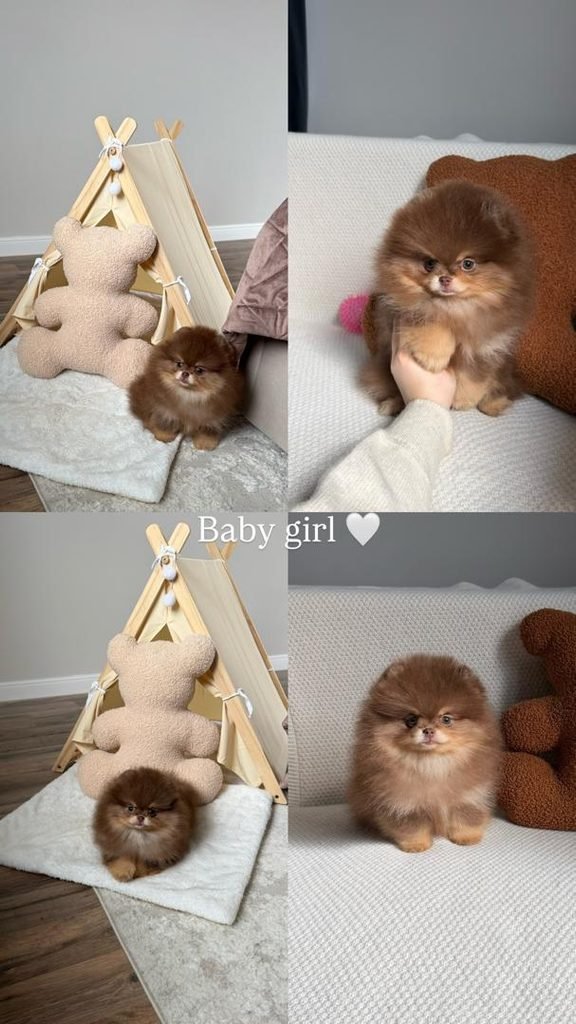
When searching for a Pomeranian puppy, you may notice that two puppies of the same breed can have very different prices. One may be listed for a relatively modest amount, while another can cost several thousand dollars.https://pomeranianblisspuppies.com/
So, what creates this difference?
Understanding the Pomeranian Puppy Price Factors can help buyers understand what they are actually paying for and compare puppies more carefully.
Current U.S. marketplace information commonly places Pomeranian puppies around $2,000 to $3,500, although individual prices can vary depending on the breeder, location, pedigree, health testing, puppy care, and other characteristics.
There is no official nationwide price list for Pomeranian puppies. Instead, each breeder establishes pricing based on their breeding program, expenses, puppies, and market.https://pomeranianblisspuppies.com/
What Are the Main Pomeranian Puppy Price Factors?
The most common Pomeranian Puppy Price Factors include:
- Breeder experience
- Health testing
- Pedigree and bloodline
- Show potential
- Puppy age
- Coat color and markings
- Location
- Veterinary care
- Socialization
- Grooming
- Registration and documentation
- Parent quality
- Supply and demand
- Transportation
- What is included with the puppy
Not every factor affects every puppy in exactly the same way.
A buyer should therefore consider the complete picture rather than assuming that a higher price automatically means a better puppy.https://pomeranianblisspuppies.com/
1. Health Testing
One of the most important Pomeranian Puppy Price Factors is health testing.
Responsible breeders may invest in health screening for their breeding dogs before producing a litter.
The AKC explains that breed-specific health testing can help breeders make more informed breeding decisions and identify potential inherited health concerns.
For Pomeranians, the American Pomeranian Club recommends health testing involving the:
- Patellas
- Heart
- Eyes
It also identifies additional tests that may be considered by breeders.
This testing takes time and money, which can become part of the overall cost of producing a responsibly bred puppy.
What Should Buyers Ask?
Instead of simply asking whether a puppy is “health tested,” ask:
- Which tests were performed?
- Were the sire and dam tested?
- What were the results?
- Can I see the documentation?
- Which testing organization performed the evaluations?
The AKC specifically recommends asking breeders about health testing performed on the puppy’s parents.https://pomeranianblisspuppies.com/
2. Pedigree and Bloodline
Pedigree is another major factor that can affect Pomeranian puppy pricing.
A puppy with documented ancestry may have a different price from one without an established pedigree.
Some breeders carefully plan multiple generations around:
- Breed characteristics
- Structure
- Temperament
- Health
- Pedigree
- Performance
- Show accomplishments
A puppy from a line containing titled or championship dogs may be priced differently from a companion puppy with a different breeding background.
However, pedigree should not be viewed as a guarantee of health or temperament.
A buyer should consider the entire breeding program rather than paying solely for impressive names on a pedigree.
3. Parent Quality
The quality and characteristics of the puppy’s parents can influence price.
Breeders may evaluate potential breeding dogs based on:
- Health
- Structure
- Coat
- Temperament
- Pedigree
- Breed standard
- Genetic information
The AKC explains that responsible breeders carefully consider health and breed characteristics when selecting dogs for breeding.
If a breeder has invested substantially in acquiring, testing, training, and maintaining high-quality breeding dogs, those expenses can contribute to puppy pricing.
4. Show Potential
Show potential is another of the Pomeranian Puppy Price Factors buyers may encounter.
Some puppies are primarily sold as family companions. Others may be evaluated as potential show prospects.
Show-oriented puppies may be assessed for characteristics such as:
- Structure
- Movement
- Coat
- Proportions
- Breed type
- Overall appearance
The AKC breed standard and breed education materials are used when evaluating Pomeranians for conformation.
A puppy with potential for the show ring may have a different price from a puppy being sold strictly as a companion.
That does not mean a companion puppy is inferior. It simply reflects a different purpose and buyer market.
5. Puppy Age
Age can also affect the price of a Pomeranian.
Most buyers searching for Pomeranian puppies want a young puppy, which can create greater demand for puppies at typical take-home ages.
However, older puppies may sometimes have different pricing.
For example, an older puppy may already have received:
- Additional vaccinations
- More veterinary care
- More grooming
- Additional socialization
- Basic training
- More food and daily care
Therefore, age does not always make a puppy cheaper.
The circumstances surrounding the individual puppy matter.
6. Coat Color
Color is another commonly discussed Pomeranian Puppy Price Factor.
Pomeranians come in a wide variety of colors and patterns, and some colors may attract more attention from buyers.
A buyer may specifically search for:
- Orange Pomeranians
- Cream Pomeranians
- Black Pomeranians
- White Pomeranians
- Chocolate Pomeranians
- Parti Pomeranians
- Sable Pomeranians
- Other recognized colors and patterns
Because demand varies, breeders may price individual puppies differently.
However, buyers should avoid assuming that an unusual color automatically means better quality.
Health, temperament, responsible breeding, and appropriate care remain important regardless of coat color.
7. Location
Location can significantly influence the price of a puppy.
The cost of veterinary care, housing, food, grooming, transportation, and general business expenses varies across the United States.
For that reason, the price of a Pomeranian in one state may not be identical to the price of a similar puppy elsewhere.
Location can also affect buyer demand.
A breeder in an area with many prospective buyers may experience different market conditions from a breeder in a region with fewer Pomeranian breeders and buyers.
8. Veterinary Care
Veterinary expenses are another important part of the Pomeranian Puppy Price Factors.
Before a puppy goes to a new home, the breeder may pay for:
- Veterinary examinations
- Vaccinations
- Deworming
- Microchipping
- Health checks
- Preventive care
- Follow-up veterinary visits
The AKC notes that puppies should receive appropriate veterinary attention before going to their new homes, with care depending on age and individual circumstances.
Ask the breeder what veterinary services are included in the purchase price.
9. Early Socialization
Responsible puppy raising involves more than feeding and cleaning.
Puppies benefit from appropriate handling and exposure to normal household experiences.
A breeder may spend time introducing puppies to:
- Different surfaces
- Household sounds
- Gentle handling
- Grooming
- New people
- Age-appropriate experiences
- Safe environments
The AKC recommends asking breeders how their puppies are socialized before purchase.
Because socialization requires time and effort, it can be one of the less obvious Pomeranian Puppy Price Factors.
10. Grooming and Coat Care
Pomeranians are known for their full double coats.
Maintaining puppies properly can involve:
- Brushing
- Nail trimming
- Bathing
- Coat maintenance
- Gentle handling
- Grooming exposure
Breeders who invest time in introducing puppies to grooming routines may incur additional expenses.
This is especially relevant because future Pomeranian owners will also need to maintain the coat throughout the dog’s life.
11. Registration and Documentation
Registration and documentation can also influence the advertised price.
Depending on the breeder, a puppy may come with:
- Registration paperwork
- Pedigree information
- Veterinary records
- Vaccination records
- Microchip information
- Health-testing documentation
- Purchase contract
Always ask exactly what documentation is included.
Do not assume that every breeder’s advertised price includes the same paperwork.
12. Breeder Experience
Breeder experience can influence pricing, although experience alone should not be treated as proof of quality.
An established breeder may have years of knowledge about:
- Pomeranian pedigrees
- Puppy development
- Grooming
- Health concerns
- Breed standards
- Socialization
- Puppy placement
The AKC recommends asking a potential breeder about their experience with the breed and their approach to health testing and puppy socialization.
A buyer should look for evidence of responsible practices rather than relying solely on how long someone has been breeding.
13. Supply and Demand
Basic market demand can also affect Pomeranian prices.
Pomeranians are a popular toy breed, and demand can fluctuate depending on:
- Location
- Season
- Color preferences
- Availability
- Breeder reputation
- Puppy age
- Pedigree
- Show potential
When fewer puppies are available and more buyers are searching, asking prices may increase.
When more puppies are available, breeders may price differently.
14. Puppy Care Before Going Home
Another factor that buyers sometimes overlook is the cost of raising the puppy until it is ready to leave.
During this period, the breeder may provide:
- Food
- Bedding
- Cleaning
- Veterinary care
- Grooming
- Toys
- Socialization
- Safe housing
- Daily supervision
The longer a puppy remains with the breeder, the more resources may be required.
This can help explain why two puppies of similar age may have different prices.
15. Transportation
Transportation is another possible Pomeranian Puppy Price Factor.
If a puppy is purchased from a breeder far away, the buyer may need to arrange:
- Ground transportation
- Air transportation where appropriate
- Travel supplies
- Health documentation
- Transportation-related veterinary requirements
Some breeders include delivery in their pricing, while others charge transportation separately.
Always ask for a complete cost before making a purchase.
16. Puppy Guarantees and Contracts
Some breeders provide written agreements that outline their responsibilities and the buyer’s responsibilities.
A contract may address:
- Health guarantees
- Return policies
- Registration
- Spay/neuter requirements
- Breeding restrictions
- Buyer responsibilities
- Rehoming provisions
A breeder who provides a detailed contract may have different pricing from someone selling puppies with little documentation.
Read the contract carefully before paying a deposit.
17. The Reputation of the Breeding Program
A breeder’s reputation may influence demand and pricing.
Established programs may have:
- Returning customers
- Puppy waiting lists
- Show records
- Documented pedigrees
- Health-testing records
- Breed-club involvement
However, buyers should still verify claims independently.
A high price or a polished website should never replace actual documentation.
Pomeranian Puppy Price Factors: What Matters Most?
Not every pricing factor deserves equal attention.
When comparing puppies, consider these areas carefully:
| Price factor | What to investigate |
|---|---|
| Health testing | Actual parent test results |
| Veterinary care | Records and treatments |
| Pedigree | Documented ancestry |
| Parent quality | Health and breed characteristics |
| Socialization | How puppies are raised |
| Age | Puppy development and care received |
| Color | Demand and individual characteristics |
| Location | Regional costs |
| Registration | What paperwork is included |
| Contract | Terms and guarantees |
| Transportation | Additional delivery costs |
| Breeder experience | Knowledge and transparency |
This approach gives you a much better understanding of the advertised price.
Does a Higher Price Mean a Better Pomeranian?
Not necessarily.
This is an important point when researching Pomeranian Puppy Price Factors.
A higher price can reflect legitimate expenses, pedigree, demand, show potential, or additional services. But price by itself cannot prove that a puppy is healthier or better suited to your household.
Similarly, a lower-priced puppy is not automatically a bad choice.
Instead, compare the evidence behind the price.
Ask what you are actually receiving for your money.
What Should Be Included in a Pomeranian Puppy Price?
Every breeder is different, so ask for an itemized explanation.
The price may include some combination of:
- Puppy
- Veterinary examination
- Vaccinations
- Deworming
- Microchip
- Registration
- Pedigree
- Health records
- Puppy food
- Starter supplies
- Written contract
- Health guarantee
Never assume that these items are included simply because another breeder includes them.
How to Compare Two Pomeranian Puppies With Different Prices
Imagine you find two puppies.
Puppy A
The puppy costs less but comes with limited documentation and little information about the parents.
Puppy B
The puppy costs more and comes with documented parent health testing, veterinary records, a written contract, and detailed information about how the puppy was raised.
The difference in price should prompt you to investigate what accounts for the difference.
The goal is not simply to find the lowest number.
The goal is to understand what you are paying for.
Questions to Ask About Pomeranian Puppy Price
Before sending a deposit, ask the breeder:
“What is the total price?”
Ask whether taxes, transportation, registration, or other fees are additional.
“What is included?”
Request a clear list of everything included with the puppy.
“Have the parents been health tested?”
Ask which tests were performed and request documentation.
“Can I see the puppy’s veterinary records?”
Make sure you understand what veterinary care has already been provided.
“Can I meet the parents?”
Whenever practical, seeing the puppy’s environment and parents can provide useful information.
“Is there a written contract?”
Read the contract completely before paying.
“What happens if I cannot keep the dog?”
Ask whether the breeder has a return or rehoming policy.
These questions can reveal much more than the advertised price.
Beware of Extremely Low Prices
A low price is not automatically a scam, but unusually cheap online listings deserve careful investigation.
Possible explanations may include:
- Adult dog rather than puppy
- Rescue or rehoming
- Different registration status
- Limited documentation
- Special circumstances
- Poor-quality breeding practices
- Misleading advertisement
- Fraudulent listing
Do not send money simply because a puppy appears to be a bargain.
Verify the seller, puppy, documentation, and payment arrangements first.
Why “Teacup” Pricing Requires Extra Caution
Some advertisements charge premium prices for puppies described as “teacup” Pomeranians.
The term is not an official AKC size classification. The AKC cautions buyers about breeders marketing puppies using “teacup” terminology.
The official Pomeranian breed standard recognizes a 3–7 pound weight range.
Therefore, buyers should be cautious about paying extra simply because a seller promises an exceptionally tiny adult size.
Healthy development should be more important than an unusually small marketing label.
How Health Testing Can Help You Compare Prices
Health testing is one of the most useful areas to investigate when comparing breeder prices.
The AKC explains that health screening can help breeders make informed breeding decisions and reduce the likelihood of certain inherited problems, although testing cannot guarantee that a puppy will never develop a health condition.
Ask to see actual results rather than relying on statements such as:
“Our dogs are healthy.”
Documentation gives you more useful information than a simple verbal claim.
Pomeranian Puppy Price Factors and Long-Term Value
The purchase price is only one part of owning a Pomeranian.
You should also budget for:
- Food
- Veterinary care
- Grooming
- Preventive care
- Training
- Toys
- Bedding
- Supplies
- Emergency care
- Pet insurance if desired
A lower purchase price does not necessarily mean lower total ownership costs.
For this reason, buyers should consider the puppy’s health information and breeder practices as well as the initial price.
Frequently Asked Questions About Pomeranian Puppy Price Factors
What are the biggest Pomeranian Puppy Price Factors?
The major Pomeranian Puppy Price Factors include health testing, pedigree, parent quality, breeder experience, location, puppy age, coat color, show potential, veterinary care, socialization, and market demand.
How much do Pomeranian puppies cost?
Current U.S. marketplace information commonly lists Pomeranian puppies around $2,000–$3,500, although individual prices vary.
Does Pomeranian color affect price?
Yes, color can influence demand and therefore advertised pricing. However, color should not be considered more important than health, responsible breeding, and temperament.
Does pedigree affect Pomeranian puppy price?
Yes. Documented ancestry, show history, and particular bloodlines can influence pricing.
Does age affect the price of a Pomeranian?
Yes. Puppy age can influence demand and the amount of care already invested in the puppy, although older puppies are not necessarily always cheaper.
Does health testing increase the price?
It can contribute to the cost of producing a puppy because breeders may invest in breed-specific health evaluations and other veterinary services.
Are expensive Pomeranian puppies always better?
No. Price alone does not establish quality. Buyers should examine health records, parent testing, breeder practices, documentation, and contract terms.
Should I pay more for a teacup Pomeranian?
Be cautious. “Teacup” is not an official AKC size designation. Focus on healthy development and responsible breeding rather than an unusually small promised adult size.
What should I ask a Pomeranian breeder before buying?
Ask about parent health testing, veterinary care, puppy socialization, pedigree, registration, contract terms, total price, and what is included with the puppy. The AKC recommends asking breeders about health testing, experience, and puppy socialization.
Final Thoughts on Pomeranian Puppy Price Factors
Understanding Pomeranian Puppy Price Factors makes it easier to look beyond the number shown in a puppy advertisement.
Price can be influenced by health testing, pedigree, parent quality, breeder experience, puppy age, color, location, veterinary care, socialization, grooming, registration, transportation, and market demand.
A responsible buyer should not automatically choose the cheapest puppy or assume the most expensive puppy is automatically the best.
Instead, ask what the price includes and request documentation supporting the breeder’s claims.
When you understand the Pomeranian Puppy Price Factors, you can compare breeders more carefully and make a purchase based on the complete picture rather than price alone.https://pomeranianblisspuppies.com/