October 9, 2026
Pomeranian Puppy Potty Training – Step-by-Step Training Guide
Pomeranian Puppy Potty Training: A Complete Guide for New Owners
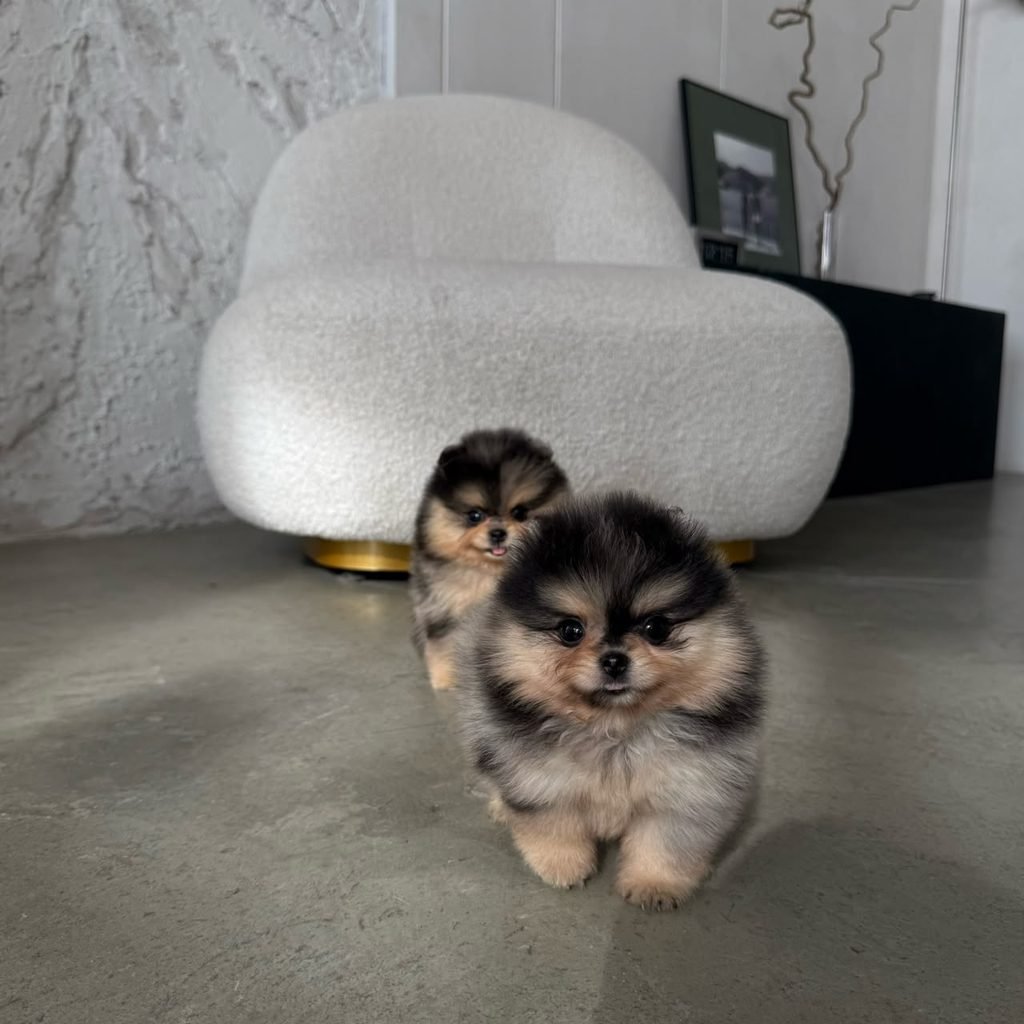
Pomeranian Puppy Potty Training is one of the most important skills to teach when bringing a new Pomeranian into your home. Although Pomeranians are intelligent and capable of learning household rules, their tiny bodies, small bladders, and developing bathroom habits mean they need patience, consistency, and regular potty breaks.https://pomeranianblisspuppies.com/solution/
Whether you have just brought home an eight-week-old puppy or are trying to correct accidents with an older Pomeranian, establishing a reliable potty routine can make life easier for both you and your dog.
The key to successful Pomeranian Puppy Potty Training is to prevent accidents whenever possible, reward your puppy for using the correct potty area, and maintain a predictable daily schedule. Punishment, shouting, or expecting a young puppy to hold their bladder for too long can make the process more stressful.
This complete guide explains how to potty train a Pomeranian puppy, how often to take your puppy outside, how to use puppy pads, how crate training can help, and what to do when accidents happen.https://pomeranianblisspuppies.com/solution/
Why Is Pomeranian Puppy Potty Training Important?
Pomeranians are small companion dogs that often live comfortably in apartments, houses, and other indoor environments. However, living indoors means they need to learn where and when to relieve themselves.
A consistent Pomeranian Puppy Potty Training routine helps your puppy understand the household’s expectations.
Successful potty training can help you:
- Reduce urine and stool accidents indoors.
- Establish a predictable bathroom schedule.
- Keep carpets, furniture, and floors cleaner.
- Help your puppy become more comfortable at home.
- Build communication between you and your dog.
- Develop healthy habits that continue into adulthood.
Pomeranians are intelligent, but intelligence does not mean a puppy will automatically understand where to go potty. Your puppy needs guidance and plenty of opportunities to practice the correct behavior.https://pomeranianblisspuppies.com/solution/
When Should You Start Potty Training a Pomeranian Puppy?
You can begin Pomeranian Puppy Potty Training as soon as your puppy arrives home, provided the puppy is healthy and settled enough to participate.
For many puppies, this means beginning around eight weeks of age, although the appropriate age for going to a new home depends on individual circumstances and local requirements.
Start by introducing one designated potty area and taking your puppy there frequently. You do not need to wait until your puppy can control their bladder for longer periods.
Young puppies learn through repetition. Every successful potty trip gives them another opportunity to associate the correct location with relieving themselves.
Keep early training simple. Use the same location, a consistent cue, and immediate rewards.
How Long Does It Take to Potty Train a Pomeranian?
There is no exact timeline for every Pomeranian puppy.
Some puppies begin developing reliable habits within a few weeks, while others need several months of consistent training before accidents become uncommon. Complete reliability can take longer, especially when a puppy is very young or has had inconsistent routines.
Progress depends on several factors, including:
- Age and bladder control.
- How frequently the puppy gets potty breaks.
- Consistency among household members.
- Previous training experiences.
- The puppy’s health and individual temperament.
- Whether the puppy is trained outdoors, indoors, or with both methods.
During Pomeranian Puppy Potty Training, look for gradual improvement rather than expecting perfection immediately.
Fewer accidents, faster responses to potty cues, and more frequent success in the designated area are all encouraging signs.
Create a Pomeranian Puppy Potty Training Schedule
A predictable schedule is one of the most effective ways to make Pomeranian Puppy Potty Training easier.
Young puppies often need to eliminate after waking, eating, drinking, playing, or becoming excited. They may also need bathroom breaks very frequently while awake.
Take your puppy to the designated potty area:
- Immediately after waking up.
- Shortly after meals.
- After drinking water.
- After naps.
- After active play.
- After coming out of a crate or puppy pen.
- Before bedtime.
- Whenever you notice signs that your puppy needs to go.
Do not rely entirely on your puppy to ask to go outside. Very young puppies may not yet know how to communicate their needs.
Sample Pomeranian Puppy Potty Training Schedule
Here is an example of a daily schedule for a young puppy.
| Time | Activity |
|---|---|
| 7:00 AM | Wake up and go potty |
| 7:15 AM | Breakfast |
| 7:30 AM | Potty break |
| 8:00 AM | Gentle play and training |
| 8:30 AM | Potty break, then nap |
| 10:30 AM | Wake up and go potty |
| 11:00 AM | Play and exploration |
| 12:00 PM | Lunch if following a three- or four-meal schedule |
| 12:15 PM | Potty break |
| 1:00 PM | Nap |
| 3:00 PM | Wake up and go potty |
| 3:30 PM | Play and short training session |
| 4:00 PM | Potty break |
| 5:30 PM | Dinner |
| 5:45 PM | Potty break |
| 7:00 PM | Family time and gentle play |
| 7:30 PM | Potty break |
| 9:00 PM | Quiet time and potty break |
| 10:00 PM | Final potty trip and bedtime |
This schedule is only an example. Your puppy may need more frequent breaks, particularly during the first weeks at home. Adjust the times according to age, meals, water intake, sleep, activity, and individual needs.
How Often Should a Pomeranian Puppy Go Potty?
The frequency depends on age, health, and how recently the puppy ate, drank, slept, or played.
Very young puppies may need potty opportunities every 30–60 minutes while awake, sometimes more frequently. This is a practical starting point, not a strict rule or a promise that your puppy can wait that long.
As your Pomeranian matures, bladder control generally improves. However, you should gradually increase the time between bathroom trips only when your puppy consistently manages the current schedule.
If your puppy repeatedly has accidents, shorten the interval between potty breaks and increase supervision.
Remember that the goal is to give your puppy enough opportunities to succeed rather than testing how long they can hold their bladder.
Choose One Designated Potty Area
Consistency helps puppies learn.
Choose a specific outdoor area where your Pomeranian can relieve themselves. If you are using indoor puppy pads, designate one suitable location for them.
Take your puppy to the same place whenever possible.
Allow a few quiet minutes for your puppy to sniff and explore. Avoid turning every potty trip into a long walk or an exciting play session.
You can introduce a verbal cue such as “go potty.” Say it calmly when your puppy begins eliminating, then reward the puppy after they finish.
Over time, your Pomeranian may learn to associate the cue with the behavior.
Use Positive Reinforcement
Positive reinforcement is an essential part of Pomeranian Puppy Potty Training.
When your puppy successfully uses the correct potty area, reward the behavior immediately.
You can use:
- Calm verbal praise.
- A small puppy-appropriate treat.
- Gentle affection, if your puppy enjoys it.
Timing matters. Reward your puppy immediately after they finish so they can connect the reward with the correct behavior.
Avoid waiting until you have returned indoors, because your puppy may not understand what earned the reward.
Keep your reaction friendly and consistent. Your puppy should learn that going potty in the correct place is a positive experience.
How to Recognize When Your Pomeranian Needs to Go Potty
Learning your puppy’s signals can prevent many accidents.
Common signs include:
- Sniffing the floor.
- Circling in one spot.
- Walking away from an activity.
- Becoming suddenly restless.
- Whining near a door.
- Moving toward a previously used potty area.
- Squatting or beginning to eliminate.
Some puppies show very subtle signs, so supervision is important.
If you notice any of these behaviors, calmly take your puppy to the designated potty area immediately.
During the early stages of Pomeranian Puppy Potty Training, it is better to offer an extra potty break than to wait until an accident occurs.
How to Potty Train a Pomeranian Puppy in an Apartment
Pomeranians can live comfortably in apartments, but apartment owners need a practical plan for bathroom breaks.
If outdoor access is convenient and safe, choose a consistent outdoor potty location. Carrying a very small puppy to the area may help prevent accidents on the way, especially when the puppy has just woken up.
If reaching the outdoor area takes time, consider how frequently your puppy needs to eliminate and plan accordingly.
For apartment training:
- Establish a consistent potty location.
- Take your puppy there after waking, eating, drinking, and playing.
- Supervise your puppy closely indoors.
- Reward successful potty trips immediately.
- Clean accidents thoroughly.
- Keep a record of successful trips and accidents.
- Arrange extra breaks when you cannot supervise.
If outdoor access is temporarily impractical, an indoor potty area may be useful. Decide whether your long-term goal is outdoor elimination or an indoor option, and keep the routine as consistent as possible.
Should You Use Puppy Pads for Pomeranian Potty Training?
Puppy pads can be useful for some households, especially when a puppy is very young, outdoor access is limited, or the owner needs a designated indoor potty area.
However, puppy pads are not essential for every Pomeranian.
If you decide to use them, place the pad in a quiet, accessible location away from your puppy’s food and sleeping area.
Take your puppy to the pad at predictable times and reward successful use.
Benefits of Puppy Pads
Puppy pads may:
- Provide an accessible indoor potty area.
- Help owners who live in high-rise apartments.
- Offer a temporary option when outdoor trips are difficult.
- Help create a predictable bathroom location.
Potential Challenges With Puppy Pads
Some puppies may learn to eliminate on soft or absorbent surfaces, which can make rugs and bath mats confusing if the training is inconsistent.
Transitioning from indoor pads to outdoor potty training may also require additional practice.
If your goal is outdoor potty training, use a clear plan for gradually moving toward the outdoor location rather than switching between several different areas unpredictably.
Outdoor Potty Training vs. Indoor Potty Training
Both methods can work, but consistency is essential.
Outdoor training teaches your puppy to relieve themselves in a designated outdoor location.
Indoor training teaches your puppy to use a specific pad or other appropriate indoor potty system.
Some owners use both, but having two locations can sometimes slow learning if the puppy does not understand when each is appropriate.
Choose the method that suits your home, schedule, and long-term expectations.
If you are using outdoor training, discuss safe outdoor exposure with your veterinarian, particularly before your puppy has completed the recommended vaccinations.
Avoid high-traffic areas used by unfamiliar dogs when your veterinarian advises against them.
How Crate Training Can Help With Potty Training
A properly introduced crate can support Pomeranian Puppy Potty Training by providing a safe resting space and helping you manage supervision.
Many puppies avoid eliminating where they sleep, but this instinct is not a guarantee. A puppy may still have an accident if confined too long or if they have a medical or behavioral issue.
Choose a crate that allows your puppy to stand, turn around, and lie down comfortably.
Introduce the crate gradually with treats, meals, and calm positive experiences.
Use it for appropriate rest periods, not as punishment.
Important Crate Training Tips
- Take your puppy potty before entering the crate.
- Provide bathroom breaks after waking up.
- Avoid leaving a young puppy confined longer than they can comfortably manage.
- Never use the crate to punish accidents.
- Keep the crate comfortable and safe.
- Monitor your puppy for signs of distress.
A crate should be one part of a wider training plan that includes supervision, play, sleep, and regular potty breaks.
What to Do When Your Pomeranian Puppy Has an Accident
Accidents are a normal part of learning.
If you catch your puppy beginning to eliminate indoors, calmly interrupt them without shouting and take them to the correct potty area if you can do so safely and promptly.
If your puppy finishes in the right place, reward them.
If you discover an accident after it has happened, simply clean it up. Your puppy will not reliably understand punishment delivered after the event.
Use an enzymatic cleaner designed for pet accidents to help remove lingering odors. Residual smells may encourage a puppy to return to the same spot.
How to Prevent Repeated Accidents
Look for patterns.
Ask yourself:
- Did the puppy recently wake up?
- Was there a meal or drink?
- Had the puppy been playing?
- Was the puppy unsupervised?
- Was the interval between potty breaks too long?
- Did the puppy show signs that were missed?
Use what you learn to adjust the schedule.
For example, if your puppy frequently has accidents shortly after playing, add a potty break immediately after each play session.
Why Is My Pomeranian Puppy So Difficult to Potty Train?
There are several reasons a Pomeranian puppy may struggle with potty training.
1. A Small Bladder
Pomeranians are small dogs, and young puppies need frequent bathroom opportunities. Expecting too much too soon can lead to repeated accidents.
2. An Inconsistent Schedule
If potty breaks happen randomly, your puppy may find it harder to establish predictable habits.
3. Too Much Freedom Indoors
A puppy allowed to roam throughout the house without supervision may find hidden places to eliminate.
Start with a smaller, puppy-safe area and gradually expand access as reliability improves.
4. Missed Potty Signals
Some puppies show subtle signs that they need to go. Watching your puppy closely helps you respond sooner.
5. Incomplete Cleaning
Lingering odors can encourage repeated accidents in the same location.
6. Stress or Changes in Environment
Moving to a new home, meeting unfamiliar people, or experiencing a change in routine may temporarily affect bathroom habits.
7. A Possible Medical Problem
Frequent urination, straining, blood in the urine, unusual thirst, or sudden regression in a previously trained puppy may indicate a medical issue.
Contact your veterinarian if you notice these signs. Seek urgent veterinary attention if your puppy repeatedly strains but cannot pass urine.
How to Potty Train a Pomeranian Puppy at Night
Nighttime training requires patience because young puppies may not be able to remain comfortable until morning.
Before bed, take your puppy to the designated potty area and allow enough time for them to eliminate.
Keep the sleeping area quiet and comfortable.
If your puppy wakes and appears to need the bathroom, take them to the potty area with minimal excitement. Praise successful elimination calmly and return to bed.
Avoid turning nighttime potty trips into extended play sessions.
As your puppy grows, nighttime needs may decrease, but do not assume every puppy will follow the same timeline.
Pomeranian Puppy Potty Training While You Work
Owners who work outside the home may need additional support.
Young puppies should not be expected to remain alone for a full workday without suitable care, bathroom opportunities, and interaction.
Depending on the puppy’s age and your circumstances, consider arranging help from:
- A trusted family member.
- A responsible friend.
- A pet sitter.
- A puppy caregiver.
- Another suitable care arrangement.
A safe puppy pen with a designated potty area may help in some households, but it does not replace supervision, social interaction, or age-appropriate care.
If you work from home, build regular potty breaks into your workday and gradually teach your puppy to rest independently between activities.
How to Potty Train an Older Pomeranian Puppy
An older puppy can still learn good bathroom habits.
Start by temporarily returning to the basics:
- Choose a consistent potty location.
- Take the puppy out frequently.
- Supervise indoor activity.
- Reward correct elimination.
- Keep a record of accidents.
- Expand indoor freedom gradually.
Do not assume an older puppy should already be fully trained.
If the puppy has recently moved homes, previous routines may be unfamiliar. Give them time to learn your household’s expectations.
How to Potty Train an Adult Pomeranian
Adult Pomeranians can also learn new potty habits.
First, determine whether the dog has never been properly house-trained or has suddenly started having accidents after previously being reliable.
For a dog with incomplete training, establish a consistent schedule and reward successful bathroom trips.
For a previously trained adult with sudden accidents, consult your veterinarian to rule out medical causes before treating the issue as a training problem.
Common Pomeranian Puppy Potty Training Mistakes
Avoid these mistakes when house-training your puppy.
Punishing Accidents
Shouting, hitting, or rubbing your puppy’s nose in an accident can create fear and confusion. It does not teach the correct potty location.
Waiting Too Long Between Breaks
Young puppies need frequent opportunities to eliminate.
Giving Too Much Freedom Too Soon
Allowing unrestricted access to the entire house can make supervision difficult.
Changing Potty Locations Constantly
Using several locations without a clear plan may confuse your puppy.
Forgetting to Reward Success
Praise and rewards help your puppy understand which behavior you want.
Ignoring Medical Symptoms
Not every accident is a training problem. Urinary or digestive symptoms deserve veterinary attention.
Expecting Overnight Success
Potty training is a gradual process. Consistency matters more than speed.
A Daily Pomeranian Puppy Potty Training Checklist
Use this checklist to stay consistent.
Morning
- Take your puppy potty immediately after waking.
- Feed breakfast according to the feeding schedule.
- Offer another potty break after the meal.
- Supervise playtime.
Midday
- Take your puppy potty after naps.
- Offer breaks after eating and drinking.
- Reward successful elimination.
- Keep track of accidents and patterns.
Evening
- Take your puppy potty after dinner.
- Offer a break after active play.
- Clean accidents thoroughly.
- Provide a final potty opportunity before bed.
Every day
- Keep the potty location consistent.
- Supervise your puppy indoors.
- Avoid punishment.
- Provide fresh water.
- Watch for signs of illness.
- Adjust the schedule to your puppy’s needs.
Frequently Asked Questions
How long does Pomeranian Puppy Potty Training take?
It varies. Some puppies develop good habits within a few weeks, while others need several months of consistent practice. Age, health, routine, and supervision all affect progress.
How often should I take my Pomeranian puppy outside?
Very young puppies may need a potty opportunity every 30–60 minutes while awake, as well as after waking, meals, drinking, and play. Adjust the frequency according to your puppy’s behavior and needs.
Are Pomeranians hard to potty train?
Not necessarily, but their small size means frequent potty breaks are important. Consistent routines, supervision, and immediate rewards can make learning easier.
Should I use puppy pads for my Pomeranian?
Puppy pads can be helpful when indoor potty training is your goal or outdoor access is limited. If you want your dog to eliminate outdoors long-term, establish a clear transition plan.
Should I punish my Pomeranian puppy for accidents?
No. Punishment can cause fear and does not reliably teach the correct behavior. Clean the area and adjust your routine to prevent future accidents.
Why does my Pomeranian keep peeing in the same spot?
Lingering odor, an established habit, or insufficient supervision may contribute. Clean the area thoroughly with an appropriate enzymatic cleaner and take your puppy to the designated potty area more frequently.
Can I potty train my Pomeranian in an apartment?
Yes. Establish a reliable potty location, supervise your puppy closely, and arrange frequent bathroom breaks. Indoor pads may be an option if outdoor access is difficult.
Should my Pomeranian sleep in a crate during potty training?
A properly introduced crate can support training, but it must be comfortable and used appropriately. Young puppies still need frequent bathroom breaks and should not be confined too long.
What if my Pomeranian suddenly starts having accidents?
A change in routine can contribute, but sudden regression may also signal a medical issue. Contact your veterinarian, particularly if your puppy has urinary symptoms, diarrhea, increased thirst, or discomfort.
Final Thoughts
Pomeranian Puppy Potty Training becomes easier when you focus on consistency, supervision, and positive reinforcement rather than expecting immediate results.
Start with a designated potty location, offer frequent bathroom opportunities, reward success immediately, and pay attention to your puppy’s individual signals. Use a crate or puppy pen appropriately if it helps you manage supervision, and clean accidents thoroughly.
Most importantly, remember that your Pomeranian is still learning. Small setbacks are normal, and every successful potty trip helps build better habits.
With patience and a reliable routine, your puppy can gradually learn where to go, develop greater bathroom control, and become a more confident member of your household.https://pomeranianblisspuppies.com/solution/