October 6, 2026
Pomeranian Puppy First Day Home – A Guide for New Owners
Pomeranian Puppy First Day Home: Complete Guide
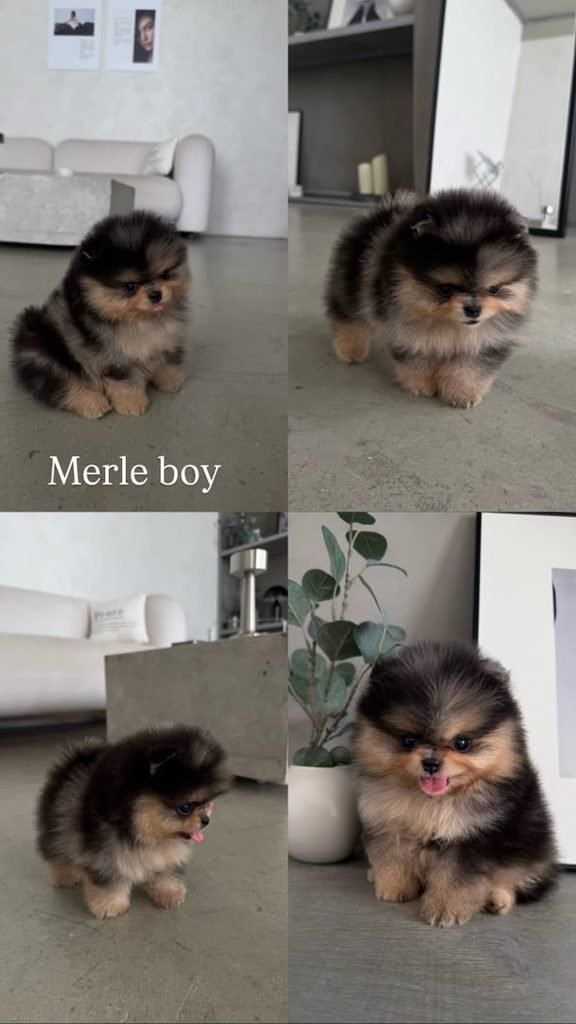
Bringing a new Pomeranian home is an exciting moment, but the Pomeranian puppy first day home can also be overwhelming for both the puppy and the family. Your puppy is leaving a familiar environment and entering a completely new world filled with unfamiliar smells, sounds, people, rooms, and routines.https://pomeranianblisspuppies.com/care-guide/
The first day is not about teaching your puppy everything. It is about helping your Pomeranian feel safe, comfortable, and secure while beginning a simple daily routine.https://pomeranianblisspuppies.com/care-guide/
Knowing what to do during the Pomeranian puppy first day home can make the transition smoother and help you avoid some of the most common mistakes new puppy owners make.
From the moment you arrive home to the first night of sleep, this guide explains how to make your puppy’s first day as calm and positive as possible.
What to Expect on Your Pomeranian Puppy First Day Home
Your puppy may react to the new environment in several different ways.
Some Pomeranian puppies immediately begin exploring. Others may be shy, quiet, nervous, sleepy, or clingy.
Your puppy may:
- Follow you around
- Cry or whine
- Sleep frequently
- Explore every corner
- Have a potty accident
- Eat less than usual
- Look for its mother or littermates
- Become excited by new sounds
- Want constant attention
- Hide for a short period
- Seem unusually quiet
These reactions can occur because the puppy has experienced a major change.
Try not to judge your puppy’s personality based entirely on the first few hours.
Give your Pomeranian time to settle.https://pomeranianblisspuppies.com/care-guide/
Prepare Before Your Pomeranian Arrives
The best first day actually begins before you pick up your puppy.
Have everything ready before your Pomeranian enters the house.
You should have:
- Puppy food
- Fresh water bowl
- Food bowl
- Comfortable bed
- Appropriately sized crate
- Safe puppy toys
- Collar
- Identification tag
- Leash
- Grooming brush
- Puppy-safe cleaning products
- Potty supplies
- Puppy pads if you intend to use them
- Blankets
- Baby gates if needed
Having these items ready means you can focus on your puppy instead of running around looking for supplies.
Puppy-Proof Your Home
A small Pomeranian puppy can get into places you might not expect.
Before the puppy arrives, inspect the house carefully.
Secure:
- Electrical cords
- Cleaning products
- Medicines
- Small objects
- Children’s toys
- Trash
- Dangerous plants
- Open stairways
- Balconies
- Gaps behind furniture
- Unsafe foods
Keep doors and gates closed where necessary.
Your puppy should have a safe area where you can easily supervise it.
What Should You Do When You First Arrive Home?
When you arrive at your house, avoid rushing your puppy directly into a busy environment.
Take your Pomeranian to its designated potty area first, if appropriate.
Give the puppy an opportunity to eliminate.
Then calmly introduce your puppy to the area where it will spend most of its first day.
You can show your puppy:
- Its bed
- Crate
- Food area
- Water bowl
- Potty area
- Safe toys
Allow your puppy to explore at its own pace.
Do Not Give Your Puppy the Whole House Immediately
It can be tempting to let a new Pomeranian explore every room.
However, too much freedom can make the first day more difficult.
Your puppy may:
- Get overwhelmed
- Have more potty accidents
- Find unsafe objects
- Become overstimulated
- Become difficult to supervise
Start with one puppy-proofed area.
As your Pomeranian becomes more comfortable and learns household rules, you can gradually give it access to additional areas.
Keep the Pomeranian Puppy First Day Home Calm
The first day should be peaceful.
Avoid turning your home into a puppy party.
Even though everyone may be excited, your puppy needs time to process the new environment.
Try to limit:
- Loud music
- Large gatherings
- Too many visitors
- Excessive handling
- Rough play
- Constant photography
- Long outings
Let your puppy rest.
There will be plenty of time for introductions later.
Should Family Members Hold the Puppy All Day?
No.
Everyone may want to hold the new puppy, but constant handling can become tiring and stressful.
Teach family members to give the puppy breaks.
Children especially should understand that a puppy is not a toy.
Allow your Pomeranian to sleep and explore without constantly picking it up.
Let Your Pomeranian Explore
Exploration is a natural part of settling into a new home.
Allow your puppy to investigate safe areas.
You may notice your Pomeranian:
- Sniffing furniture
- Looking under chairs
- Exploring corners
- Investigating sounds
- Following you
- Checking its sleeping area
- Playing with toys
Stay nearby and supervise.
Do not force the puppy into areas where it seems frightened.
Your Pomeranian May Be Nervous
A puppy that hides or stays close to you during the first day is not necessarily unhealthy or poorly socialized.
The new environment can be overwhelming.
Speak calmly.
Sit near your puppy.
Allow it to approach you.
Use treats or toys appropriately to create positive associations.
Do not force your puppy to interact with every person or object immediately.
Feeding Your Pomeranian on the First Day
Ask the breeder what your puppy has been eating before you bring it home.
Keeping the same food initially can help make the transition easier.
Ask for details about:
- Food brand
- Type of food
- Feeding schedule
- Portion size
- Treats
- Water routine
Follow your veterinarian’s recommendations for your puppy’s nutritional needs.
Because Pomeranians are small dogs, their feeding routine should be appropriate for their age, size, health, and individual needs.
What If Your Puppy Does Not Eat?
Some puppies may have a reduced appetite after traveling or entering a new environment.
Monitor your puppy closely.
A puppy that refuses food and also appears weak, unusually sleepy, repeatedly vomits, develops significant diarrhea, or shows other concerning symptoms should receive veterinary attention.
Do not assume that every unusual symptom is simply stress.
When in doubt, contact your veterinarian.
Give Your Pomeranian Fresh Water
Fresh water should be available according to your veterinarian’s recommendations.
Show your puppy where the water bowl is located.
Keep the bowl clean and easy to access.
Avoid making major changes to drinking routines without discussing them with your veterinarian.
Potty Training Starts on Day One
You do not need to wait until tomorrow to start potty training.
Begin establishing the routine immediately.
Take your puppy to its designated potty area:
- After waking
- After eating
- After drinking
- After playing
- Before sleeping
- Whenever you notice signs that it needs to go
Reward your puppy calmly after successful potty trips.
Expect Accidents on the First Day
Do not expect your puppy to be completely house-trained.
Your Pomeranian is still learning.
If an accident occurs:
- Stay calm.
- Do not punish the puppy.
- Clean the area thoroughly.
- Take the puppy out more frequently.
- Reward appropriate potty behavior.
Consistency will be more effective than punishment.
The First Nap at Home
Your puppy may fall asleep surprisingly quickly.
A new environment can be mentally exhausting.
Let your puppy sleep.
Avoid waking your Pomeranian repeatedly because family members want to play.
Puppies need substantial rest during development.
A quiet sleeping area is particularly useful during the first day.
Should You Use a Crate on the First Day?
Yes, you can introduce the crate on the first day, but keep it positive.
Place comfortable bedding and appropriate toys inside.
Leave the door open initially and allow your puppy to investigate.
You can place a treat near the entrance or inside the crate.
Never force your puppy into the crate as punishment.
The goal is to teach your Pomeranian that the crate is a safe and comfortable place.
The First Night With Your Pomeranian
The first night can be one of the most challenging parts of the transition.
Your puppy may cry because it is no longer sleeping beside its mother and littermates.
A consistent bedtime routine can help.
Before bedtime:
- Allow appropriate play
- Give your puppy time to settle
- Take it to the potty area
- Make the sleeping area comfortable
- Keep the environment quiet
- Place the puppy in its designated sleeping area
If your puppy wakes and needs a bathroom break, keep the interaction calm and brief.
Where Should Your Puppy Sleep?
Choose the sleeping location before your puppy arrives.
Some owners place the puppy’s crate close to their bedroom during the first nights.
The important thing is that the area is:
- Safe
- Comfortable
- Quiet
- Free of hazards
- Easy to monitor
- Consistent
Avoid moving the puppy’s sleeping area repeatedly during the first few nights if you can avoid it.
How Much Should You Play on the First Day?
Keep play sessions short.
Your puppy may appear energetic but still need plenty of rest.
Good first-day activities include:
- Gentle toy play
- Name games
- Exploring a safe room
- Short training sessions
- Gentle handling
- Calm interaction
Avoid strenuous exercise or long outings.
Start Teaching Your Pomeranian Its Name
Name training is an excellent first-day activity.
Say your puppy’s name in a happy voice.
When the puppy looks toward you, provide praise or an appropriate reward.
Repeat the exercise several times throughout the day.
Keep the sessions short and fun.
Begin Positive Training
Your puppy can begin learning immediately.
However, keep training simple.
On the first day, you can practice:
- Name recognition
- Coming toward you
- Following a treat
- Sitting
- Gentle handling
- Going into the crate
- Settling on a bed
You do not need to teach a dozen commands.
The goal is to establish communication and trust.
Start Grooming Habits Early
Pomeranians have a beautiful fluffy coat that requires regular maintenance.
The first day is a good opportunity for very gentle grooming exposure.
You can briefly touch:
- Paws
- Ears
- Tail
- Coat
- Legs
- Mouth
If your puppy remains calm, use praise or a reward.
Do not attempt a long grooming session.
The purpose is simply to make handling familiar.
Introducing Your Puppy to Children
If you have children, explain the rules before the puppy arrives.
Children should understand that the puppy needs:
- Quiet time
- Sleep
- Gentle handling
- Personal space
- Supervision
Do not allow children to chase, squeeze, carry, or roughhouse with the puppy.
Because Pomeranians are small, accidental falls or rough handling can cause serious injury.
Introducing Your Puppy to Other Dogs
If another dog lives in your home, make the introduction carefully.
Do not force immediate interaction.
Consider allowing them to observe each other calmly.
Supervise all interactions.
Give each dog its own:
- Food area
- Sleeping area
- Toys
- Resting space
Watch for signs of stress or conflict.
Introducing a Pomeranian Puppy to a Cat
If you have a cat, give the cat an escape area where the puppy cannot follow.
Keep early interactions controlled.
Your puppy may be fascinated by the cat, while the cat may be nervous about the new arrival.
Allow the relationship to develop gradually.
Should You Take Your Pomeranian Puppy Out on the First Day?
It depends on the situation.
A short, necessary trip home is obviously different from taking a young puppy to busy public areas.
Because vaccination status and disease exposure matter, ask your veterinarian about when and where your puppy can safely go.
Avoid exposing a young puppy to areas heavily used by unknown dogs until your veterinarian says the puppy is appropriately protected.
Car Travel With Your New Pomeranian
Your puppy should travel securely.
Use an appropriate carrier or restraint.
Do not allow your Pomeranian to roam freely inside a moving vehicle.
For longer journeys, prepare:
- Carrier
- Blanket
- Water
- Food
- Cleaning supplies
- Health records
- Potty supplies
Keep the environment calm during the journey.
Schedule the First Veterinary Appointment
Arrange veterinary care shortly after bringing your puppy home.
Bring all available records from the breeder.
Your veterinarian can review:
- Vaccinations
- Deworming
- Parasite prevention
- Weight
- General health
- Diet
- Development
- Preventive care
Ask about the timing of future vaccinations and other puppy care.
What to Watch for on the First Day
Pay attention to your puppy’s general condition.
Monitor:
- Appetite
- Energy
- Breathing
- Stool
- Urination
- Vomiting
- Coughing
- Nasal discharge
- Eye discharge
- General behavior
If your puppy seems seriously ill, unusually weak, collapses, has difficulty breathing, or develops other urgent symptoms, contact a veterinarian promptly.
Your Pomeranian May Follow You Everywhere
It is common for a new puppy to stay close to its owner.
Your Pomeranian may follow you from room to room.
This is an opportunity to begin teaching appropriate independence.
Give your puppy short periods to relax safely in its own area.
You do not need to respond to every movement with attention.
A balance of companionship and independence is useful.
Avoid Spoiling Your Puppy on the First Day
There is nothing wrong with giving affection.
However, avoid creating rules you do not intend to keep.
For example, if you do not want your adult Pomeranian sleeping on your bed, think carefully before making the bed the puppy’s permanent first-day sleeping location.
Likewise, establish consistent household rules for:
- Furniture
- Rooms
- Feeding
- Barking
- Jumping
- Sleeping
- Potty training
Consistency helps puppies understand expectations.
What Not to Do on Your Pomeranian Puppy First Day Home
Avoid these common mistakes:
Do Not Overwhelm the Puppy
Too many people and experiences can create unnecessary stress.
Do Not Punish Accidents
Your puppy is still learning.
Do Not Force Social Interaction
Let your puppy approach people and new experiences gradually.
Do Not Overexercise
Young puppies need plenty of rest.
Do Not Change Everything at Once
Keep food and routines as consistent as practical.
Do Not Leave the Puppy Unsupervised
A small puppy can get into trouble quickly.
Do Not Ignore Health Concerns
Contact your veterinarian when something appears abnormal or concerning.
Pomeranian Puppy First Day Home Checklist
Use this checklist to keep the first day organized:
- Puppy-safe area ready
- Crate prepared
- Bed prepared
- Food available
- Fresh water available
- Food and water bowls ready
- Collar ready
- Identification ready
- Leash ready
- Safe toys available
- Potty area established
- Cleaning supplies available
- Health records collected
- Veterinarian selected
- First appointment planned
- Family understands puppy rules
- Other pets introduced carefully
- Quiet sleeping area prepared
A Simple Pomeranian First-Day Schedule
Here is an example of how you can structure the day:
Arrival
Potty → calm exploration → water → rest.
Late Morning
Potty → short play → name training → nap.
Afternoon
Potty → meal according to feeding schedule → potty → gentle interaction → nap.
Evening
Potty → calm play → brief grooming practice → family bonding → rest.
Bedtime
Potty → quiet routine → crate or sleeping area → sleep.
Your puppy’s actual feeding, potty, sleep, and activity needs will vary according to age and individual circumstances.
Frequently Asked Questions
What should I do on my Pomeranian puppy first day home?
Keep the day calm and predictable. Introduce your puppy to its safe area, provide food and water, begin potty training, allow plenty of sleep, and start gentle bonding and training.
Should I let my Pomeranian puppy explore the entire house?
It is usually easier to begin with a small puppy-proofed area. Gradually expand access as your puppy becomes comfortable and more reliable.
What if my Pomeranian puppy cries on the first night?
Your puppy may be adjusting to being away from its mother and littermates. Keep the bedtime routine calm and consistent and provide a potty break when necessary.
Should I crate my Pomeranian puppy on the first night?
You can use a crate if it has been introduced positively and safely. Make it comfortable and never use it as punishment.
Should I invite people over on the first day?
It is generally better to keep visitors limited. Your puppy needs time to adjust before being exposed to a busy household.
Should I start potty training on the first day?
Yes. Begin taking your puppy to the designated potty area immediately and reward successful behavior.
Can my Pomeranian puppy meet other dogs on the first day?
Introductions should be controlled and appropriate. Ask your veterinarian about disease exposure and vaccination considerations before allowing your puppy to interact with unfamiliar dogs.
When should I take my Pomeranian puppy to the vet?
Arrange a veterinary appointment early after bringing your puppy home and bring the puppy’s health records with you.
What if my puppy does not eat on the first day?
Stress and travel can sometimes affect appetite, but monitor your puppy carefully. If your puppy refuses food or develops weakness, vomiting, significant diarrhea, or other concerning symptoms, contact your veterinarian.
How can I make my Pomeranian puppy feel safe?
Keep the environment quiet, provide a secure sleeping area, establish a predictable routine, use positive reinforcement, and allow your puppy to adjust at its own pace.
Final Thoughts on the Pomeranian Puppy First Day Home
The Pomeranian puppy first day home is less about accomplishing a long list of training goals and more about creating a safe and comfortable beginning.
Your puppy has just entered a completely new environment. Give it time to explore, rest, eat, potty, and bond with its new family.
Keep the household calm, establish simple routines, supervise your puppy closely, and use positive reinforcement from the beginning.
Do not worry if your puppy has accidents, cries during the night, seems shy, or needs extra time to settle. These first-day experiences are part of the transition.
With preparation and patience, you can make your Pomeranian’s first day at home a positive experience and establish a strong foundation for the weeks, months, and years ahead.https://pomeranianblisspuppies.com/care-guide/