October 6, 2026
Pomeranian Puppy Care Guide – Feeding, Grooming, Training & Health
Pomeranian Puppy Care Guide: Complete Care Tips for New Owners
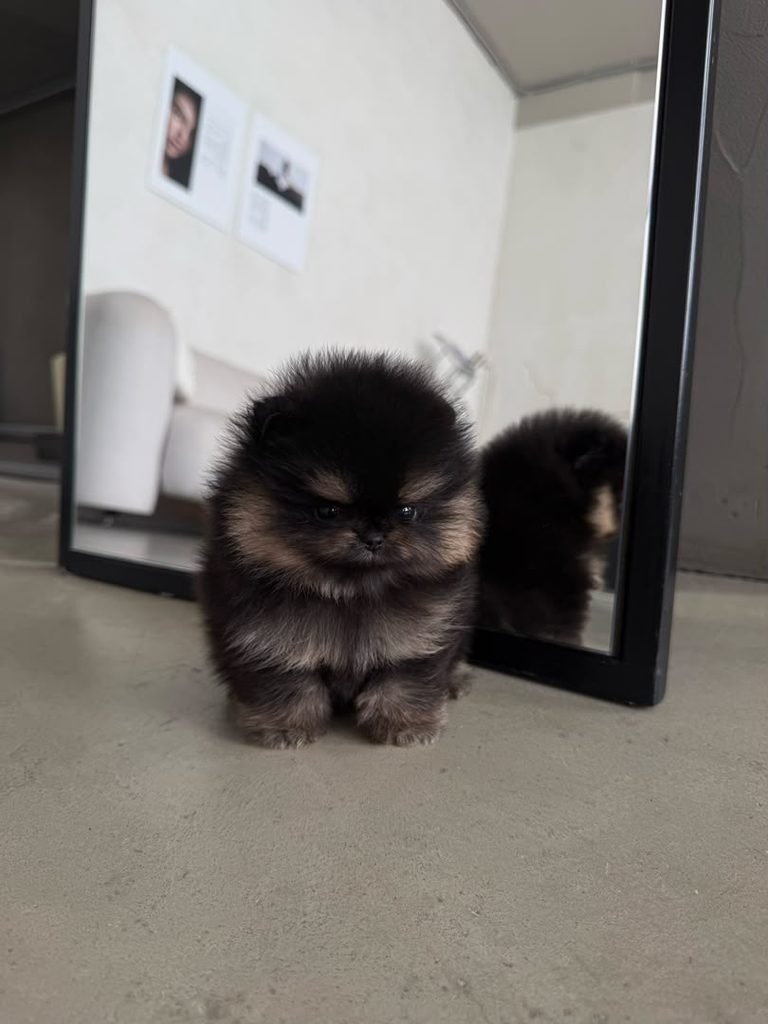
Bringing home a Pomeranian puppy is an exciting experience, but raising a healthy and confident puppy requires more than providing food and a comfortable bed. Young Pomeranians need appropriate nutrition, regular veterinary care, grooming, training, socialization, exercise, mental stimulation, sleep, and plenty of positive interaction.https://pomeranianblisspuppies.com/health/
This Pomeranian Puppy Care Guide explains the most important things new owners should know about caring for a Pomeranian puppy. Whether you are preparing for your first puppy or already have a young Pomeranian at home, these guidelines can help you create a safe and consistent routine.
Pomeranians are small dogs with lively personalities and intelligent, alert minds. Their small size can make them convenient companions, but they still need proper training and responsible care.https://pomeranianblisspuppies.com/health/
The goal of this Pomeranian Puppy Care Guide is to help you understand your puppy’s needs from the first day at home through the important stages of early development.
What Does a Pomeranian Puppy Need?
A young Pomeranian needs a safe and predictable environment.
The most important areas of puppy care include:
- Nutrition
- Fresh water
- Comfortable sleep
- Potty training
- Basic obedience training
- Grooming
- Dental care
- Safe exercise
- Mental stimulation
- Socialization
- Veterinary care
- Identification
- Home safety
- Positive human interaction
You do not have to teach everything at once.
The best approach is to establish basic routines first and gradually introduce additional training and experiences.https://pomeranianblisspuppies.com/health/
Pomeranian Puppy Care Guide: Preparing Your Home
Before bringing your puppy home, create a safe area where the puppy can rest and explore without unnecessary hazards.
Puppy-proof your home by securing:
- Electrical cords
- Cleaning products
- Medications
- Small objects
- Trash
- Toxic substances
- Sharp objects
- Easily swallowed items
- Unsafe furniture areas
Use puppy gates or baby gates to restrict access to rooms that are not puppy-proofed.
Because Pomeranians are very small, they can fit into spaces that larger dogs cannot reach.
Get down to your puppy’s level and inspect the floor and lower parts of furniture for possible hazards.https://pomeranianblisspuppies.com/health/
Setting Up a Pomeranian Puppy Area
Your puppy should have a designated area for sleeping, resting, playing, and beginning training.
This area can contain:
- Crate
- Washable bed
- Water bowl
- Appropriate toys
- Puppy-safe flooring
- Potty supplies if necessary
Keep the area relatively simple.
Too many toys and too much freedom can make it harder for a puppy to settle and learn household rules.
As your Pomeranian becomes more reliable, gradually expand access to other areas.
Pomeranian Puppy Care Guide: Feeding
Nutrition is one of the most important parts of raising a healthy puppy.
Choose a complete and balanced puppy food appropriate for your puppy’s size and life stage.
If you purchased your puppy from a breeder, ask what food the puppy has already been eating.
Keeping the same food initially can make the transition easier.
If you want to change foods, make the change gradually and discuss your puppy’s nutritional needs with your veterinarian.
How Much Should a Pomeranian Puppy Eat?
There is no universal portion size for every Pomeranian puppy.
Feeding needs can vary depending on:
- Age
- Body weight
- Growth
- Activity
- Food formulation
- Individual health
- Veterinary recommendations
Use the food manufacturer’s feeding guidelines as a starting point and have your veterinarian help you determine an appropriate feeding plan.
Do not intentionally overfeed a puppy to make it grow faster.
Creating a Feeding Routine
A predictable feeding schedule can help with both nutrition and potty training.
Depending on your puppy’s age and veterinary guidance, meals may be divided throughout the day rather than offered as one large meal.
Keep feeding times reasonably consistent.
Measure portions rather than guessing.
Monitor your puppy’s body condition and growth with help from your veterinarian.
Fresh Water
Your Pomeranian puppy should have access to fresh water according to its individual needs and veterinary guidance.
Keep the bowl clean.
Choose a stable bowl that your puppy cannot easily knock over.
If you notice unusual changes in drinking or urination, contact your veterinarian.
Pomeranian Puppy Care Guide: Potty Training
Potty training requires patience and consistency.
Young puppies have limited bladder control, so frequent bathroom opportunities are necessary.
Take your puppy to the designated potty location:
- After waking
- After eating
- After drinking
- After playing
- After naps
- Before bedtime
When your puppy eliminates in the correct location, provide immediate praise and an appropriate reward.
Handling Accidents
Accidents are part of puppyhood.
Never punish your puppy after an accident.
Instead:
- Clean the area thoroughly.
- Use an enzymatic cleaner.
- Increase supervision.
- Take your puppy outside or to the designated area more frequently.
- Reward successful potty trips.
Consistency is more effective than punishment.
Pomeranian Puppy Care Guide: Crate Training
A crate can provide your puppy with a secure place to sleep and relax.
It can also help with house training and travel.
Introduce the crate gradually.
Start by leaving the door open and placing treats or appropriate toys inside.
Reward your puppy for voluntarily entering.
Never use the crate as a place of punishment.
Your puppy should learn that the crate is a safe and comfortable space.
Pomeranian Puppy Sleep
Puppies need plenty of sleep.
A young Pomeranian may alternate between energetic periods and frequent naps.
Make sure your puppy has a quiet place where it will not constantly be disturbed.
A predictable sleep routine can help your puppy settle.
Avoid assuming that a tired puppy needs more exercise. Sometimes excessive excitement is actually a sign that the puppy needs rest.
Pomeranian Puppy Care Guide: Training
Training should begin early.
You do not need to wait until your Pomeranian is older.
Start with simple behaviors such as:
- Responding to its name
- Sitting
- Coming when called
- Waiting briefly
- Leave it
- Gentle handling
- Crate entry
- Leash introduction
- Calm behavior
Keep training sessions short.
Pomeranians are intelligent, but young puppies have limited attention spans.
The AKC dog training resources provide additional information about training techniques and basic obedience.
Positive Reinforcement
Reward behaviors you want to see repeated.
Rewards can include:
- Small treats
- Praise
- Toys
- Play
- Affection
For example, if your puppy sits calmly instead of jumping, reward the calm behavior.
Over time, your puppy learns which behaviors produce positive results.
Teaching Your Pomeranian Its Name
Name training is one of the easiest exercises for a new puppy.
Say your puppy’s name in a pleasant voice.
When the puppy looks toward you, reward it.
Repeat throughout the day.
Avoid repeatedly saying the name when you are angry or correcting the puppy.
The goal is for the name to become associated with positive attention.
Pomeranian Puppy Care Guide: Socialization
Socialization helps puppies become familiar with different people, sounds, environments, surfaces, and handling experiences.
Introduce new experiences gradually.
Examples include:
- Calm visitors
- Household sounds
- Different floor surfaces
- Gentle handling
- Grooming
- Car rides
- Veterinary handling
- Appropriate dogs
- New environments when safe
Do not overwhelm your puppy.
One positive experience is usually more valuable than several stressful experiences.
Follow your veterinarian’s recommendations about vaccination and disease exposure before taking your puppy into public areas.
For additional information, see the AKC puppy socialization guidance.
Introducing Your Pomeranian to New People
Allow your puppy to approach people at a comfortable pace.
Visitors should avoid immediately grabbing or picking up the puppy.
Ask visitors to remain calm.
Reward relaxed behavior.
This can teach your puppy that unfamiliar people are not automatically something to fear.
Introducing a Pomeranian Puppy to Children
Pomeranians are small and can be injured accidentally through rough handling.
Teach children to:
- Handle the puppy gently
- Avoid pulling the tail or ears
- Leave the puppy alone while eating
- Leave the puppy alone while sleeping
- Avoid chasing the puppy
- Avoid taking toys away
- Ask an adult before picking up the puppy
Always supervise young children around a puppy.
Pomeranian Puppy Care Guide: Grooming
Grooming should become part of your Pomeranian’s normal routine.
Pomeranians have a fluffy double coat that requires regular maintenance.
Introduce grooming gradually.
Your puppy should learn to tolerate:
- Brushing
- Combing
- Paw handling
- Nail trimming
- Bathing
- Ear checks
- Mouth handling
Keep early sessions short and positive.
Brushing Your Pomeranian Puppy
Use an appropriate brush and comb.
Brush gently rather than pulling aggressively through knots.
Regular brushing can help maintain the coat and allows you to notice changes in the skin.
If you encounter significant matting, seek professional grooming advice rather than pulling forcefully.
Bathing
Pomeranian puppies do not need unnecessary frequent baths.
When a bath is needed, use a dog-safe product appropriate for puppies.
Rinse thoroughly.
Dry your puppy carefully and keep the environment warm and comfortable afterward.
Pomeranian Puppy Care Guide: Nail Care
Introduce paw handling before trimming nails.
Touch your puppy’s paws gently and reward calm behavior.
When you begin trimming, take only small amounts at a time if you are comfortable doing it yourself.
If you are unsure, ask your veterinarian or professional groomer to demonstrate.
Dental Care
Dental care should begin early.
Purchase a dog toothbrush and dog-safe toothpaste.
Start by allowing your puppy to become comfortable with having its mouth touched.
Gradually introduce brushing.
Never use human toothpaste unless specifically directed by a veterinarian.
Pomeranian Puppy Care Guide: Exercise
Young Pomeranians need activity, but puppies should not be pushed into excessive or strenuous exercise.
Age-appropriate activities can include:
- Short walks when appropriate
- Gentle play
- Exploring safe areas
- Training games
- Interactive toys
- Supervised indoor activity
Watch your puppy for signs of fatigue.
If your puppy becomes tired, allow it to rest.
Mental Stimulation for Pomeranian Puppies
Pomeranians are intelligent and benefit from activities that challenge their minds.
Try:
- Name games
- Treat searches
- Puzzle toys
- Food-dispensing toys
- Short obedience sessions
- Hide-and-seek
- Toy retrieval
- Simple problem-solving games
Mental stimulation can help prevent boredom without requiring excessive physical activity.
Pomeranian Puppy Care Guide: Preventing Boredom
A puppy who is bored may begin chewing, barking, digging, or demanding attention.
Instead of simply adding more physical exercise, provide appropriate mental activities.
Rotate toys so that your puppy does not have every toy available all the time.
Short training sessions throughout the day can also provide useful mental stimulation.
Managing Puppy Biting and Chewing
Puppies naturally explore with their mouths.
Provide appropriate chew toys and redirect your puppy when it bites inappropriate objects.
If your puppy bites during play, calmly stop the interaction and redirect toward an appropriate toy.
Avoid encouraging rough hand games.
Consistent responses from everyone in the household are important.
Pomeranian Puppy Care Guide: Alone Time
A young puppy should gradually learn to spend short periods alone.
Do not immediately leave a newly arrived puppy alone for many hours.
Start with brief periods in a safe area.
Gradually increase independence as your puppy becomes comfortable.
If your puppy experiences persistent distress when separated, speak with a veterinarian or qualified behavior professional.
Building Independence
Your Pomeranian should learn that it can relax without constantly being held or entertained.
Encourage independent activities such as:
- Resting in the crate
- Chewing an appropriate toy
- Relaxing on a bed
- Playing with a puzzle toy
- Spending short periods in a safe puppy area
Balance independence with companionship and interaction.
Pomeranian Puppy Care Guide: Veterinary Care
A veterinarian should be part of your puppy’s care team.
Bring your puppy’s health records to the first appointment.
Your veterinarian can discuss:
- Vaccinations
- Deworming
- Parasite prevention
- Nutrition
- Growth
- Dental care
- Exercise
- Microchipping
- Spaying or neutering
- Breed-related health concerns
Do not rely on online information as a substitute for veterinary care when your puppy is sick.
Understanding Pomeranian Health
Pomeranians, like all dogs, can be susceptible to certain health problems.
When purchasing a puppy, ask about the health history of the parents and what health testing has been performed.
The American Pomeranian Club and AKC provide breed-specific information that can help owners understand areas to discuss with their veterinarian.
You can also review the American Pomeranian Club’s health information.
Monitoring Your Puppy at Home
Get familiar with what is normal for your puppy.
Pay attention to:
- Appetite
- Water consumption
- Energy
- Stool
- Urination
- Coat
- Skin
- Eyes
- Ears
- Teeth
- Weight
- General behavior
If you notice a significant or concerning change, contact your veterinarian.
Very young puppies can become ill quickly, so unusual symptoms should not be ignored.
Pomeranian Puppy Care Guide: Vaccinations and Preventive Care
Your puppy’s vaccination and parasite-prevention schedule should be established with your veterinarian.
Keep records of every vaccination and veterinary visit.
Do not assume that a puppy is fully protected simply because it has received one vaccination.
Your veterinarian can explain which vaccinations are appropriate and when your puppy can safely participate in different activities.
Microchipping and Identification
Microchipping can provide permanent identification.
Ask your veterinarian whether your puppy has already been microchipped.
If so, make sure the registration information is correct.
If not, discuss microchipping with your veterinarian.
Your puppy should also have appropriate identification on its collar.
Pomeranian Puppy Care Guide: Daily Routine
A predictable routine can help your puppy understand what to expect.
A general day might look like:
Morning:
Potty → breakfast → play → training → nap
Midday:
Potty → meal if scheduled → play → short training → rest
Afternoon:
Potty → exploration → mental stimulation → nap
Evening:
Meal if scheduled → calm play → grooming practice → potty → relaxation
Bedtime:
Final potty opportunity → quiet time → sleep
Your puppy’s exact schedule should be adjusted for age, health, feeding needs, and veterinary advice.
Pomeranian Puppy Care Guide: First Week
The first week is about creating stability.
Focus on:
- Feeding consistently
- Establishing potty habits
- Creating a sleep routine
- Introducing the crate
- Starting basic training
- Beginning grooming handling
- Scheduling veterinary care
- Building trust
- Providing appropriate socialization
- Keeping the puppy safe
Do not expect perfection during the first week.
Your puppy is learning a completely new environment.
The First Month With a Pomeranian Puppy
During the first month, gradually build on the basics.
You can work on:
- Better potty habits
- Name recognition
- Basic commands
- Leash skills
- Grooming tolerance
- Calm behavior
- Socialization
- Appropriate play
- Independence
- Household manners
Continue reinforcing behaviors that you want to become permanent habits.
Common Pomeranian Puppy Care Mistakes
Giving Too Much Freedom
A puppy should not automatically have access to the entire house.
Start with a safe area.
Overfeeding
More food does not automatically mean better growth.
Follow an appropriate feeding plan.
Skipping Grooming Training
Waiting until your puppy desperately needs grooming can make the process more difficult.
Start handling and brushing early.
Ignoring Dental Care
Dental habits are easier to establish when your puppy is young.
Using Punishment
Punishment can create fear and confusion.
Focus on management, prevention, redirection, and positive reinforcement.
Overwhelming Your Puppy
Too many people, places, and experiences at once can create unnecessary stress.
Give your puppy time to process new experiences.
Inconsistent Rules
Everyone should follow the same basic household rules.
What Should a Pomeranian Puppy Owner Buy?
Your basic supplies should include:
- Puppy food
- Food bowl
- Water bowl
- Crate
- Washable bed
- Collar
- Harness
- Leash
- Identification tag
- Puppy-safe toys
- Brush
- Comb
- Puppy shampoo
- Nail-care supplies
- Dog toothbrush
- Dog-safe toothpaste
- Training treats
- Puppy pads if needed
- Enzymatic cleaner
- Puppy gates
- Secure carrier
You do not need to buy every puppy product available.
Focus on safety and practical daily care.
Pomeranian Puppy Care Guide: Grooming Schedule
There is no single grooming schedule that works identically for every puppy.
Your routine should depend on coat condition, lifestyle, grooming needs, and professional advice.
Regular brushing and handling are important.
Professional grooming may be useful as your puppy grows.
Do not shave a Pomeranian simply because the coat seems difficult to maintain without first discussing appropriate grooming with a knowledgeable professional.
Traveling With Your Pomeranian Puppy
Use a secure carrier or appropriate restraint when traveling.
Bring:
- Food
- Water
- Bowls
- Health records
- Leash
- Harness
- Cleaning supplies
- Puppy pads
- Familiar bedding
- Identification
Plan breaks for longer journeys.
Never leave a puppy unattended in a hot or cold vehicle.
Pomeranian Puppy Care Guide: Home Safety
Your puppy’s environment should be safe every day.
Keep dangerous items out of reach.
Check:
- Floors
- Cords
- Doors
- Windows
- Stairs
- Trash
- Cabinets
- Plants
- Cleaning products
- Medications
- Small objects
Puppy-proofing is not a one-time job.
As your puppy grows and becomes more mobile, new hazards can appear.
Choosing a Responsible Pomeranian Breeder
If you are still looking for your puppy, responsible breeder selection is an important part of care.
Ask the breeder about:
- Parent health testing
- Veterinary examinations
- Vaccinations
- Deworming
- Socialization
- Feeding
- Health records
- Contract
- Health guarantee
- Microchip
- Registration documents where applicable
A good breeder should be willing to answer reasonable questions and provide appropriate documentation.
Questions to Ask Before Bringing Your Puppy Home
Ask:
- What food is the puppy eating?
- What is the puppy’s current feeding schedule?
- What vaccinations has the puppy received?
- Has the puppy been dewormed?
- Has the puppy seen a veterinarian?
- Has the puppy been microchipped?
- What health records are available?
- What socialization has the puppy received?
- What health testing has been performed on the parents?
- What does the contract include?
- What support is available after the puppy goes home?
Pomeranian Puppy Care Guide: New Owner Checklist
Use this quick checklist to stay organized.
Daily Care
- Feed according to schedule
- Provide fresh water
- Take puppy to potty regularly
- Provide age-appropriate play
- Practice short training sessions
- Provide mental stimulation
- Allow plenty of sleep
- Monitor behavior and appetite
Weekly Care
- Check coat
- Brush as appropriate
- Check nails
- Practice dental care
- Check ears
- Wash bedding
- Clean food and water bowls
- Rotate appropriate toys
Ongoing Care
- Veterinary appointments
- Vaccinations
- Parasite prevention
- Microchip registration
- Socialization
- Training
- Grooming
- Dental care
- Growth monitoring
When Should You Contact a Veterinarian?
Contact your veterinarian if you are concerned about your puppy’s health.
Examples of situations that warrant professional advice include:
- Significant appetite changes
- Repeated vomiting
- Persistent diarrhea
- Difficulty breathing
- Severe lethargy
- Collapse
- Injury
- Seizure
- Signs of pain
- Sudden behavioral changes
- Suspected poisoning
Do not wait for an online article to diagnose your puppy.
A veterinarian can evaluate the puppy directly and provide appropriate treatment.
Final Thoughts on Pomeranian Puppy Care
This Pomeranian Puppy Care Guide covers the foundation of responsible puppy ownership.
Your Pomeranian needs much more than food and toys. Good puppy care means providing appropriate nutrition, veterinary attention, grooming, training, socialization, exercise, mental stimulation, sleep, safety, and companionship.
The first few weeks may feel overwhelming, particularly if this is your first puppy. Remember that your Pomeranian is learning too.
Focus on one skill at a time.
Establish predictable routines.
Reward good behavior.
Keep your puppy safe.
Give your puppy plenty of rest.
And ask your veterinarian whenever you have concerns about health or development.
With patience and consistency, you can help your Pomeranian grow from a curious little puppy into a confident, well-mannered companion.
Frequently Asked Questions
How do you take care of a Pomeranian puppy?
Pomeranian puppy care includes appropriate food, fresh water, regular veterinary care, grooming, potty training, positive obedience training, socialization, age-appropriate exercise, mental stimulation, adequate sleep, and a safe home environment.
What should I do when I first bring home a Pomeranian puppy?
Give your puppy a quiet, safe area to settle into. Provide food and water according to the established routine, offer regular potty opportunities, allow plenty of rest, and begin gentle bonding and basic training.
How often should a Pomeranian puppy eat?
The appropriate feeding frequency depends on the puppy’s age, food, size, health, and veterinary recommendations. Ask your veterinarian for a feeding schedule suited to your individual puppy.
How do I potty train a Pomeranian puppy?
Take your puppy to the appropriate potty area frequently, especially after waking, eating, drinking, playing, and sleeping. Reward successful potty trips and clean accidents thoroughly.
Are Pomeranian puppies easy to train?
Pomeranians are intelligent and can learn many behaviors, but they still require consistency and patience. Short, positive training sessions are generally a good approach for young puppies.
How often should I brush a Pomeranian puppy?
Pomeranians have a fluffy coat that requires regular maintenance. Establish a brushing routine appropriate for your puppy’s coat and teach your puppy to enjoy grooming from an early age.
How much exercise does a Pomeranian puppy need?
Young Pomeranians need age-appropriate play and activity rather than strenuous exercise. Short play sessions, gentle exploration, and training games can provide appropriate stimulation.
Can a Pomeranian puppy be left alone?
A young puppy should gradually learn to spend short periods alone rather than being left alone for long periods immediately. Build independence slowly and provide appropriate care when you are away.
When should Pomeranian puppy training begin?
Basic training can begin as soon as your puppy comes home. Start with name recognition, potty routines, gentle handling, crate training, and simple behaviors.
What health care does a Pomeranian puppy need?
Your veterinarian can establish an appropriate plan for vaccinations, parasite prevention, nutrition, dental care, growth monitoring, microchipping, and other preventive care.
How can I keep my Pomeranian puppy safe?
Puppy-proof your home, supervise your puppy, secure dangerous objects, provide appropriate toys, use safe transportation, and prevent access to potentially hazardous substances and areas.
What is the most important part of Pomeranian puppy care?
Consistency is one of the most important parts of puppy care. A predictable routine combined with proper nutrition, veterinary care, training, grooming, socialization, rest, and positive interaction gives your puppy a strong foundation.https://pomeranianblisspuppies.com/health/