October 16, 2026
Pomeranian Puppy Buying Checklist – Everything to Know Before Bringing One Home
Pomeranian Puppy Buying Checklist: Everything to Check Before Bringing Your Puppy Home
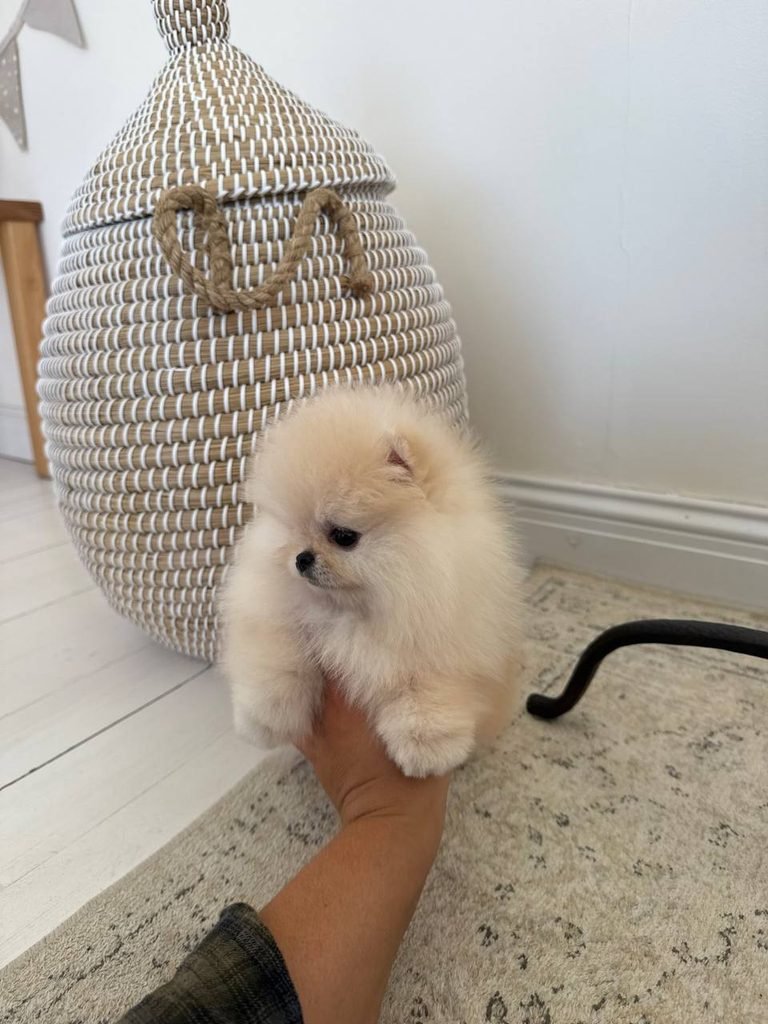
Bringing a Pomeranian puppy home is an exciting experience, but preparing for your new companion involves more than choosing the cutest puppy. Before making a purchase, you should check the breeder’s reputation, review important health records, understand the puppy’s needs, and prepare your home for a safe transition.https://pomeranianblisspuppies.com/puppies/
This Pomeranian Puppy Buying Checklist is designed to help prospective owners make an informed decision before paying a deposit or taking a puppy home. It covers breeder verification, health documentation, puppy behavior, expected expenses, essential supplies, and the questions you should ask before completing your purchase.https://pomeranianblisspuppies.com/puppies/
Whether you are buying your first Pomeranian or adding another small dog to your family, use this guide to organize the process and avoid overlooking important details.https://pomeranianblisspuppies.com/puppies/
Why You Need a Pomeranian Puppy Buying Checklist
Pomeranians are small, intelligent, affectionate dogs with lively personalities and distinctive fluffy coats. However, their small size does not mean they require little attention. They need appropriate nutrition, regular grooming, veterinary care, socialization, training, and protection from accidental injuries.
Using a Pomeranian Puppy Buying Checklist helps you compare breeders fairly and prepare for the responsibilities of ownership.
A checklist can help you:
- Verify that the breeder provides accurate information.
- Review available veterinary and vaccination records.
- Ask about the puppy’s parents and relevant health testing.
- Confirm the puppy’s age and readiness to leave its mother.
- Understand the purchase price and ongoing costs.
- Prepare the supplies needed for the first few days.
- Identify warning signs before paying a deposit.
- Plan the puppy’s first veterinary appointment.
Do not rush the process because a seller claims that another buyer is waiting. A responsible purchase begins with clear information, careful checks, and realistic expectations.https://pomeranianblisspuppies.com/puppies/
1. Check the Pomeranian Breeder Before Buying
The first item on your Pomeranian Puppy Buying Checklist should be breeder verification. A trustworthy breeder should be willing to discuss the puppies’ background, health care, temperament, and living conditions.
Before committing to a puppy, research the breeder’s name, website, contact information, and available reviews. Check whether the information in advertisements matches what the breeder tells you directly.
Ask these questions:
- How long have you been breeding Pomeranians?
- Where are the puppies raised?
- Can I see the puppy and its living environment?
- Can I meet the mother or see her through a live video call?
- What veterinary care have the puppies received?
- What health screening has been performed on the parents?
- What support do you offer after the puppy goes home?
- Will you provide a written purchase agreement?
Whenever possible, visit the breeder in person. If that is not practical, arrange a live video call and independently verify the seller’s identity before sending money.https://pomeranianblisspuppies.com/puppies/
Be cautious if a seller refuses reasonable questions, pressures you to pay immediately, or repeatedly requests extra fees after you have made an initial payment.
You can read the American Kennel Club’s guide to finding a responsible breeder for additional guidance.
2. Inspect the Puppy’s General Health
A puppy’s appearance and behavior can offer useful clues about its condition, although they cannot replace a veterinary examination.
When using your Pomeranian Puppy Buying Checklist, observe the puppy when it is awake and comfortable. Look for signs of appropriate care rather than expecting every puppy to behave in exactly the same way.
Check the following:
- Eyes: Look for eyes that appear clear and comfortable, without obvious discharge or persistent redness.
- Nose and breathing: Notice whether the puppy breathes comfortably at rest and whether there is persistent coughing or nasal discharge.
- Ears: Check for obvious redness, discharge, or strong odors.
- Coat and skin: Look for bald patches, significant irritation, sores, or visible parasites.
- Movement: Observe whether the puppy moves comfortably without an obvious limp.
- Body condition: The puppy should not appear severely underweight or unusually swollen.
- Behavior: Look for appropriate curiosity and responsiveness when the puppy is awake.
- Cleanliness: Check whether the puppy and its living area appear reasonably clean and cared for.
Young puppies need plenty of sleep, so resting quietly is not automatically a sign of illness. Likewise, a playful puppy can still have an underlying health issue.
Ask about anything that concerns you and arrange an independent veterinary examination. If the seller refuses reasonable health checks or the puppy appears unwell, consider delaying the purchase until a veterinarian has assessed the situation.
3. Review Veterinary and Vaccination Records
Health documentation is one of the most important parts of a Pomeranian Puppy Buying Checklist. Ask the breeder for the records available for the individual puppy, not just a general statement that the litter has been checked.
Review documents for:
- Veterinary examination dates and findings.
- Vaccinations administered and their dates.
- Deworming treatments and dates.
- Medications or previous illnesses.
- Microchip information, if applicable.
- Weight and growth records, if available.
- Any recommended follow-up care.
Make sure the paperwork matches the puppy’s identity and age. If the breeder says a treatment was given but cannot provide supporting information, ask for clarification and discuss the gap with your veterinarian.
Puppies usually need a series of vaccinations rather than a single injection. The next steps depend on the puppy’s age, previous vaccinations, health history, and local disease risks. Your veterinarian can review the records and recommend an appropriate schedule.
For general pet-care information, consult the American Veterinary Medical Association.
4. Ask About the Parents’ Health and Temperament
Pomeranians can develop inherited or breed-associated health problems. Responsible breeders should understand relevant risks and be willing to explain how they evaluate the dogs used for breeding.
Ask about health assessments relevant to the breed, including screening for patellar luxation and appropriate eye or cardiac concerns where indicated. Request available results rather than relying solely on verbal assurances.
You should also ask:
- What are the parents’ ages?
- What are their temperaments like?
- Have either parent or close relatives experienced significant health problems?
- What veterinary care have the parents received?
- Can the breeder explain the purpose and results of any health tests?
The puppy’s parents can offer clues about possible adult size, coat, and temperament, but no breeder can predict every aspect of a dog’s development.
Remember that health testing reduces certain risks but cannot guarantee that a puppy will never become ill.
5. Confirm the Puppy’s Age and Background
Ask for the puppy’s exact date of birth before agreeing to collect it. In the United States, responsible breeders generally keep puppies with their mother and littermates until at least eight weeks of age, although some small-breed puppies may benefit from staying longer.
A puppy should be developmentally ready for the transition to its new home. Do not agree to take home a puppy that is too young simply because the seller says it is ready.
Confirm the following:
- The puppy’s date of birth.
- The identity of the mother and, where available, the father.
- The puppy’s current diet and feeding routine.
- The socialization experiences it has received.
- Whether it has been introduced to gentle handling and normal household sounds.
- Any special care instructions for the first few days.
If the puppy is advertised as purebred or registered, ask which registration organization is involved and what documents will be provided.
Registration papers can help establish pedigree information, but they do not independently prove the puppy’s health or the breeder’s quality.
6. Understand the Purchase Price and Additional Costs
A responsible Pomeranian Puppy Buying Checklist should include a financial review. The advertised purchase price is only one part of the total cost of ownership.
Depending on the breeder, location, age, pedigree, and other factors, Pomeranian puppy prices can vary considerably. Do not assume that a very high price guarantees quality or that a low price is automatically a bargain.
Before paying, request a written breakdown of the price and any additional charges.
Potential expenses include:
- The puppy’s purchase price or adoption fee.
- Initial veterinary examination.
- Vaccinations and preventive treatments.
- Food and treats.
- Collar or harness, leash, and identification tag.
- Crate, playpen, bed, and cleaning supplies.
- Brushes and grooming products.
- Training and socialization classes.
- Pet insurance, if you choose it.
- Emergency veterinary care.
Ask whether the purchase price includes any veterinary care, microchipping, registration documents, or starter supplies. Do not assume these are included unless the seller confirms them in writing.
Plan for unexpected veterinary expenses before bringing the puppy home. Even a puppy from a responsible breeder can need additional treatment.
7. Review the Contract Before Paying a Deposit
A written contract helps establish what the buyer and breeder have agreed to. Ask to review it before making a payment.
Your Pomeranian Puppy Buying Checklist should include the following contract checks:
- The breeder’s full name and contact information.
- The puppy’s identifying details and date of birth.
- The agreed price and payment schedule.
- Deposit terms and any refund conditions.
- Details of the health guarantee, if offered.
- The documents that will accompany the puppy.
- Any registration or breeding restrictions.
- Return or rehoming conditions.
- Instructions for reporting a health problem after purchase.
Read the health guarantee carefully. Find out what conditions are covered, the length of coverage, what veterinary documentation is required, and what remedies are available.
A verbal promise is not a substitute for clear written terms. Ask the breeder to explain any confusing clause before you sign.
Keep a copy of the signed contract, payment receipt, messages, and all documents provided with the puppy.
8. Watch for Puppy Scams and Misleading Claims
Online advertisements make it easy to discover Pomeranian puppies, but scammers can copy photographs and pretend to represent genuine breeders.
Protect yourself by verifying the seller and the puppy before paying. Search for the breeder’s contact details and check whether the same photographs appear under different names or locations.
Be cautious if the seller:
- Refuses a reasonable live video call.
- Uses inconsistent names, addresses, or stories.
- Pressures you to send money immediately.
- Demands repeated unexpected payments for delivery or insurance.
- Cannot explain the puppy’s background.
- Refuses to provide a contract or receipt.
- Promises guaranteed health or an exact adult size without qualification.
- Claims registration alone proves that the puppy is healthy.
If delivery is offered, independently verify the transport arrangements and the identity of the person or business handling them. Do not treat a tracking number or a photograph of a shipping crate as proof that the puppy exists or is being transported as claimed.
Read the Federal Trade Commission’s advice on avoiding pet scams before sending money to an unfamiliar seller.
9. Prepare Your Home Before the Puppy Arrives
Once you have chosen a puppy responsibly, prepare a safe area where it can rest, eat, play, and gradually adjust to its new environment.
Pomeranians are small dogs, and puppies can be injured by falls, rough handling, or being stepped on. Take extra care if children or larger pets live in your home.
Prepare the following:
- A suitable puppy bed.
- A secure crate or playpen.
- Food and water bowls that are easy to clean.
- The same puppy food the breeder currently uses, at least initially.
- A well-fitting harness or collar and a lightweight leash.
- Identification with current contact information.
- A soft brush and appropriate grooming tools.
- Puppy-safe toys.
- Enzymatic cleaning supplies for accidents.
- A secure travel carrier for transportation.
Puppy-proof your home by removing electrical cords, small objects that could be swallowed, toxic foods, medications, and household chemicals. Block unsafe stairs and places where the puppy could fall or become trapped.
Arrange a quiet resting area away from constant activity. Allow the puppy to explore gradually instead of introducing every room, visitor, and household sound at once.
10. Choose Appropriate Food and a Feeding Routine
Ask the breeder what food the puppy currently eats, how much is offered, and how frequently meals are provided.
Keep the diet consistent during the initial transition unless your veterinarian recommends a change. If you change foods, ask your veterinarian how to transition gradually to reduce the chance of digestive upset.
Your checklist should include:
- The current food brand and formula.
- The puppy’s normal feeding schedule.
- The amount currently fed at each meal.
- Any known food sensitivities or digestive problems.
- Fresh drinking water.
- A plan for monitoring appetite and weight.
Pomeranian puppies are very small and need age-appropriate nutrition. Avoid guessing portion sizes or restricting food to control the puppy’s growth.
Ask your veterinarian to recommend a feeding plan suited to the puppy’s age, weight, body condition, and health.
11. Plan Grooming, Training, and Socialization
Pomeranians have a thick double coat that needs regular care. Their small size also makes gentle handling and early training especially important.
Before bringing the puppy home, prepare a routine for:
Grooming: Brush regularly with suitable tools, check for tangles, and introduce grooming calmly. Ask your veterinarian or groomer for advice about dental care, nail trimming, and coat maintenance.
House training: Take the puppy to its designated toilet area frequently, especially after waking, eating, drinking, and playing. Reward appropriate behavior and clean accidents thoroughly.
Basic training: Begin with short, positive sessions. Teach the puppy to respond to its name, come when called, accept gentle handling, and settle calmly.
Socialization: Introduce safe sights, sounds, people, and experiences gradually. Follow veterinary advice about reducing infection risks before the puppy has completed its vaccination series.
Exercise and play: Provide supervised, age-appropriate play and opportunities to explore safely. Avoid forcing a small puppy to exercise beyond its ability.
Alone-time practice: Gradually teach the puppy to spend short periods in a safe area, building confidence without leaving it distressed for long periods.
A consistent routine helps your puppy feel secure while developing good habits.
12. Arrange the First Veterinary Visit
Your checklist is not complete until you have a plan for independent veterinary care.
Book an appointment soon after bringing your puppy home, following your veterinarian’s advice and any terms in the purchase agreement.
Bring all available records and ask the veterinarian to review:
- General health and body condition.
- Vaccination and deworming history.
- Dental development.
- Knees and movement, where appropriate.
- Eyes, ears, skin, and coat.
- Feeding, growth, and weight.
- Parasite prevention and local health risks.
- Microchip details, if applicable.
- The timing of future vaccinations and examinations.
Ask which symptoms require prompt veterinary attention and where to seek urgent care outside normal office hours.
If the puppy seems unwell before the scheduled visit, contact a veterinarian rather than waiting for the appointment.
Printable Pomeranian Puppy Buying Checklist
Use this quick checklist before completing your purchase.
Breeder verification
- Researched the breeder and checked available reviews.
- Verified contact details and the puppy’s background.
- Met the breeder or arranged a meaningful live video visit.
- Asked about the mother and both parents’ health histories.
- Observed the puppy’s living conditions.
Health and documents
- Reviewed available veterinary records.
- Checked vaccination and deworming details.
- Asked about relevant parent health screening.
- Confirmed the puppy’s date of birth.
- Verified registration claims, if applicable.
- Reviewed the purchase contract and health guarantee.
Payment and planning
- Confirmed the total price and extra charges.
- Understood deposit and refund terms.
- Received clear written payment terms.
- Avoided suspicious or unverified payment requests.
Home preparation
- Prepared food, bowls, bed, and safe resting space.
- Purchased a secure carrier and suitable walking equipment.
- Prepared grooming and cleaning supplies.
- Puppy-proofed the home.
- Planned a feeding and toilet routine.
- Arranged a veterinary appointment.
Final decision
- I have received clear answers to my important questions.
- I understand the puppy’s needs and expected expenses.
- I am comfortable with the breeder’s transparency and practices.
- I am ready to provide lifelong care.
If important checks are incomplete, take more time before committing to the purchase.
Frequently Asked Questions
What should I check before buying a Pomeranian puppy?
Check the breeder’s reputation, the puppy’s general condition, available veterinary records, parent health information, date of birth, purchase contract, and total cost. Also make sure your home is ready and you have a plan for ongoing veterinary care.
What documents should come with a Pomeranian puppy?
Ask for available veterinary examination records, vaccination and deworming history, the purchase agreement, feeding instructions, and microchip details if applicable. Registration or pedigree documents may also be provided when relevant to the sale.
Is it safe to buy a Pomeranian puppy online?
Buying online can involve additional risks. Verify the seller independently, request a live video call when possible, review documentation, confirm written payment terms, and avoid rushing into a deposit. Online photographs and positive testimonials alone are not enough to establish legitimacy.
How much should I budget for a Pomeranian puppy?
Your budget depends on the puppy’s purchase price or adoption fee, location, veterinary needs, supplies, food, grooming, and training. Ask for a written price breakdown and plan for routine as well as unexpected medical expenses.
What age should a Pomeranian puppy be when it goes home?
In the United States, responsible breeders generally keep puppies with their mother and littermates until at least eight weeks of age. Some puppies may need longer depending on their development and circumstances. Confirm local requirements and ask a veterinarian if you have concerns.
Should I have a Pomeranian puppy checked by my own veterinarian?
Yes. An independent examination helps establish a health baseline, review the puppy’s records, and identify care needs. Arrange the appointment promptly after bringing the puppy home, following your veterinarian’s guidance.
Conclusion
A well-prepared Pomeranian Puppy Buying Checklist can help you make a careful decision before welcoming a new puppy into your family. By checking the breeder, reviewing health records, understanding the contract, planning your budget, and preparing your home, you can reduce avoidable risks and begin ownership with greater confidence.
Take your time, ask questions, and verify important claims instead of relying on advertisements or verbal promises. Most importantly, choose a puppy based on responsible care, transparency, and a good fit for your household—not appearance or price alone.
With thoughtful preparation and ongoing veterinary guidance, you can give your Pomeranian a safer, happier start in its new home.https://pomeranianblisspuppies.com/puppies/