August 26, 2026
Find Your New Companion
Pomeranian Puppies Ready for Homes
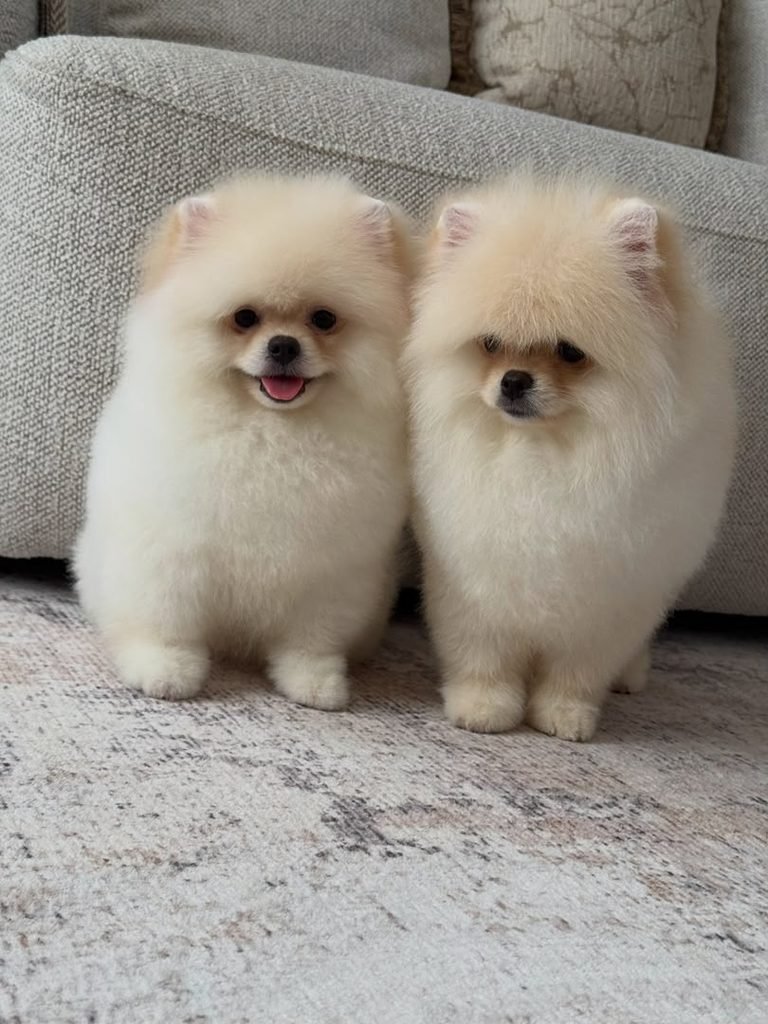
If you are searching for Pomeranian Puppies Ready for Homes, finding the right puppy is an exciting step toward welcoming a loving companion into your family. Pomeranians are small, intelligent, lively, and affectionate dogs that can bring plenty of personality into a home.
Before bringing a puppy home, however, it is important to look beyond photographs and availability. A responsible puppy search should include learning about the puppy’s health, temperament, parents, socialization, veterinary care, and living environment.https://pomeranianblisspuppies.com/puppies/
Pomeranian Puppies Ready for Their New Homes
When Pomeranian puppies are ready for their new homes, they should have received appropriate early care and be prepared for the transition to a new family.
Ask the breeder about:
- Veterinary examinations
- Vaccinations
- Deworming
- Microchipping
- Feeding routine
- Socialization
- Health records
- Registration paperwork
- Puppy contract
- Care instructions
The American Kennel Club recommends that prospective owners ask breeders about health testing, meet the dogs when possible, and learn how puppies are raised before making a purchase.https://pomeranianblisspuppies.com/puppies/
Choosing Pomeranian Puppies Ready for Homes
If you are considering Pomeranian Puppies Ready for Homes, take your time when choosing a puppy.
A puppy’s appearance is only one part of the decision.
Consider:
- Temperament
- Health
- Personality
- Socialization
- Parent health
- Breeder practices
- Your lifestyle
- Long-term care requirements
A responsible breeder should know the individual personalities of their puppies and be willing to help families find a suitable match.https://pomeranianblisspuppies.com/puppies/
Pomeranian Puppy Temperament
Pomeranians are known for being alert, intelligent, curious, lively, and confident.
Despite their small size, they often have big personalities and enjoy interacting with their families.
Individual puppies can have different temperaments. Some may be particularly playful and outgoing, while others may be calmer or more reserved.
Tell the breeder about your household and lifestyle so they can help you choose a puppy with a compatible personality.
Are Pomeranian Puppies Good Family Pets?
Pomeranians can make wonderful companion dogs for many households.
They can enjoy:
- Family companionship
- Indoor play
- Short walks
- Training
- Interactive games
- Mental stimulation
- Gentle affection
Because Pomeranians are very small, children should always be supervised when interacting with puppies.
Teach children to handle the puppy gently and respect the puppy’s food, toys, sleeping area, and personal space.
Pomeranian Puppy Health
Health should be one of the most important considerations when choosing Pomeranian Puppies Ready for Homes.
The AKC lists three recommended health tests for Pomeranians:
- Patella evaluation
- Cardiac examination
- Ophthalmologist evaluation
Ask the breeder whether the puppy’s parents have received these recommended evaluations and request documentation of applicable results.
The American Pomeranian Club also recommends health testing for patellas, heart, and eyes.
Ask About the Puppy’s Parents
Before bringing your Pomeranian home, learn about the puppy’s parents.
Ask about:
- Health history
- Temperament
- Pedigree
- Health testing
- Previous litters
- General condition
When possible, meet the puppy’s mother.
Seeing the parents can give you useful information about characteristics your puppy may inherit.
How Are the Puppies Socialized?
Early socialization can help puppies become comfortable with everyday experiences.
Ask how the puppies have been introduced to:
- Different people
- Household sounds
- Gentle handling
- Different surfaces
- Normal household activities
- Appropriate new environments
Puppies should be introduced to new experiences gradually and positively.
They also need plenty of rest during their early development.
What Does “Ready for Home” Mean?
When a breeder says that puppies are ready for homes, ask what that means specifically.
Find out:
- How old the puppies are
- Whether they have been examined by a veterinarian
- What vaccinations they have received
- Whether they have been dewormed
- Whether they are eating independently
- Whether they have been microchipped
- What records will be provided
- What socialization they have received
A breeder should be able to explain the puppy’s development and why the puppy is ready to transition to a new home.
When Can a Pomeranian Puppy Go Home?
The appropriate time for a puppy to leave its mother and littermates depends on its development and individual circumstances.
Do not allow pressure to make you take a puppy home prematurely.
Ask the breeder about the puppy’s age, development, veterinary care, and readiness for the transition.
The AKC recommends asking breeders when puppies can go home and what care they receive before leaving the breeder.
Questions to Ask Before Bringing a Puppy Home
Before reserving one of the Pomeranian Puppies Ready for Homes, ask:
- Can I meet the puppy’s mother?
- Can I see where the puppies are raised?
- What health testing has been performed on the parents?
- Can I see the health-testing documentation?
- Has the puppy been examined by a veterinarian?
- What vaccinations has the puppy received?
- Has the puppy been dewormed?
- Has the puppy been microchipped?
- How has the puppy been socialized?
- What food is the puppy eating?
- What paperwork comes with the puppy?
- Is there a written health agreement?
- What are the reservation and payment terms?
- What happens if the puppy develops a health issue?
- What support is available after the puppy goes home?
A responsible breeder should be comfortable answering reasonable questions.
A Responsible Breeder Should Ask You Questions
Choosing a puppy should be a two-way process.
A responsible breeder may ask about:
- Your home
- Your lifestyle
- Work schedule
- Children
- Other pets
- Previous dog experience
- Training plans
- Veterinary care
- Why you want a Pomeranian
These questions can help determine whether the puppy is likely to be a good fit for your family.
Be Careful When Searching Online
The phrase Pomeranian Puppies Ready for Homes can attract many online advertisements.
Not every seller is equally responsible.
Be cautious if a seller:
- Refuses to show the puppy
- Will not allow you to meet the mother
- Cannot provide health information
- Avoids questions
- Pressures you to pay immediately
- Refuses to provide a written agreement
- Uses suspicious photographs
- Makes unrealistic health claims
Take your time and verify the breeder before making a deposit.
Avoid Choosing Only by Appearance
Pomeranian puppies are adorable, but appearance should not be the only reason you choose a particular puppy.
Consider the puppy’s:
Health + temperament + personality + socialization + background.
A puppy that looks perfect in a photograph may not necessarily be the best match for your household.
Work with the breeder to understand the personalities of the available puppies.
Pomeranian Puppy Reservation
If you find a puppy you would like to bring home, the breeder may require a reservation or deposit.
Before paying, ask whether the deposit:
- Reserves a specific puppy
- Reserves a place on a waiting list
- Is refundable
- Is transferable
- Is applied toward the purchase price
Always understand the terms before sending money.
Preparing Your Home for a Pomeranian Puppy
Before your puppy arrives, prepare a safe and comfortable area.
Basic supplies include:
- Puppy food
- Food and water bowls
- Puppy crate
- Comfortable bed
- Collar
- Identification tag
- Harness
- Leash
- Puppy-safe toys
- Grooming supplies
- Training treats
- Cleaning supplies
Pomeranian puppies are very small, so carefully puppy-proof your home.
Keep electrical cords, medications, cleaning products, small objects, and other hazards out of reach.
Pomeranian Puppy Grooming
Pomeranians have a thick double coat that requires regular grooming.
Begin introducing your puppy to grooming gradually.
Practice:
- Gentle brushing
- Nail handling
- Teeth cleaning
- Ear checks
- Paw handling
- Gentle body handling
Positive early experiences can help your puppy become comfortable with grooming.
Pomeranian Puppy Training
Start basic training soon after your puppy settles into their new home.
Useful skills include:
- Name recognition
- Sit
- Come
- Stay
- Leave it
- Potty training
- Crate training
- Leash walking
- Calm greetings
Use positive, consistent training methods.
Short sessions can help keep your puppy focused while building a strong relationship.
Pomeranian Puppy Nutrition
Ask the breeder what food the puppy is currently eating.
Keeping the same food initially may help make the transition to your home easier.
Your veterinarian can recommend an appropriate feeding routine based on your puppy’s age, size, growth, and individual needs.
Avoid sudden dietary changes without appropriate guidance.
Your Puppy’s First Veterinary Visit
Arrange your puppy’s veterinary care according to your veterinarian’s recommendations.
Bring all records provided by the breeder.
Your veterinarian can discuss:
- Vaccinations
- Parasite prevention
- Nutrition
- Growth
- Dental care
- Exercise
- Socialization
- General health
Regular veterinary care is an important part of raising a healthy Pomeranian.
Bringing Your Pomeranian Puppy Home
The first few days should be calm and predictable.
Your puppy is adjusting to:
- A new home
- New people
- New smells
- New sounds
- A new routine
- Being separated from their littermates
Give your puppy time to settle.
Establish consistent routines for feeding, potty breaks, play, training, rest, and sleep.
Helping Your Puppy Adjust
Your puppy may be excited, nervous, sleepy, or curious during the first few days.
Provide a quiet area where your puppy can retreat when they need to rest.
Avoid overwhelming your puppy with too many visitors or new experiences immediately.
Gradually introduce your puppy to the household and establish positive routines.
Pomeranian Puppy Bonding
Spending quality time together can help your puppy develop trust.
You can build your relationship through:
- Gentle play
- Positive training
- Feeding
- Grooming
- Quiet companionship
- Safe exploration
- Consistent routines
Allow your puppy to rest and become comfortable at their own pace.
Final Thoughts on Pomeranian Puppies Ready for Homes
If you are searching for Pomeranian Puppies Ready for Homes, take time to make sure the puppy is genuinely prepared for the transition and that the breeder has provided appropriate care.
Look beyond availability and photographs. Ask about health testing, veterinary care, socialization, the puppy’s parents, temperament, and what paperwork comes with the puppy.
The AKC recommends breed-specific health screening for Pomeranians, including patella, cardiac, and ophthalmologist evaluations of breeding dogs.
Choosing carefully can help you find a healthy, well-socialized Pomeranian puppy and prepare your home for a wonderful new companion.
A Pomeranian may be small, but bringing one home is a long-term commitment. With proper preparation, responsible care, training, and plenty of love, your new puppy can become a cherished member of your family for years to come.https://pomeranianblisspuppies.com/puppies/