September 15, 2026
Pomeranian Puppies From a Trusted Kennel – Finding a Responsible Breeder
Pomeranian Puppies From Trusted Kennel: How to Choose With Confidence
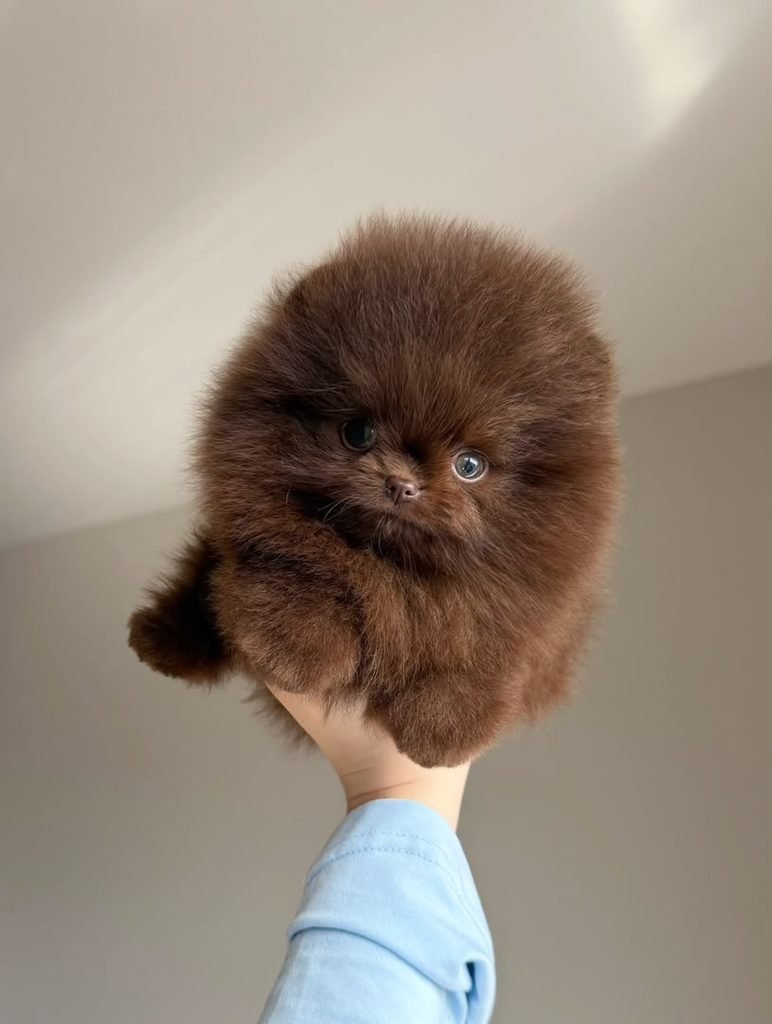
Finding Pomeranian puppies from trusted kennel programs can be an exciting part of bringing a new companion into your family. However, choosing a puppy should involve more than looking at photographs or finding a kennel with available puppies.https://pomeranianblisspuppies.com/
A trustworthy kennel should be able to answer questions about the puppies, their parents, health screening, veterinary care, socialization, living conditions, and the documentation provided at pickup.
When searching for Pomeranian puppies from trusted kennel programs, prospective owners should take time to research the kennel and verify important claims before paying a deposit.
The American Kennel Club recommends visiting a breeder’s home or kennel when possible, observing the condition of the dogs, meeting at least one parent, and asking for evidence of health screening.https://pomeranianblisspuppies.com/
What Makes a Pomeranian Kennel Trustworthy?
The word “trusted” should be supported by observable practices rather than simply being part of a kennel’s advertising.
A reputable Pomeranian kennel should be transparent about:
- Puppy health
- Parent health
- Veterinary care
- Health testing
- Puppy socialization
- Living conditions
- Feeding
- Contracts
- Registration
- Pickup or delivery arrangements
- Support after the puppy goes home
When researching Pomeranian puppies from trusted kennel programs, look for a kennel that is willing to answer detailed questions rather than pressuring you to make a quick decision.https://pomeranianblisspuppies.com/
Research the Kennel Before Buying
Before contacting a kennel, spend some time researching its history and reputation.
Look for:
- A professional website
- Clear contact information
- Information about the parents
- Health-testing information
- Puppy-care information
- Written policies
- Veterinary documentation
- A clear purchase agreement
- Consistent information across listings and social media
Online reviews can provide useful background, but they should not replace your own investigation.
A beautiful website does not automatically mean a kennel follows responsible breeding practices.
Visit the Kennel When Possible
One of the most useful steps when searching for Pomeranian puppies from trusted kennel programs is visiting the kennel in person when practical.
The AKC recommends observing the premises and looking at the condition and behavior of the adult dogs and puppies.
During your visit, pay attention to:
- Cleanliness
- Odors
- Fresh water
- General condition of the dogs
- Puppy activity levels
- Housing arrangements
- Interaction between puppies and people
- Interaction between the breeder and dogs
- Overall organization
Healthy puppies should generally appear appropriately active and cared for rather than consistently lethargic or visibly ill.
Ask to Meet the Puppy’s Parents
A puppy’s parents can provide useful information about the breeding program.
When possible, ask to meet the mother and learn about the father.
The AKC recommends asking to see at least one of the puppy’s parents and learning about the parent’s temperament and appearance.
Ask questions such as:
- How old are the parents?
- What are their temperaments like?
- What health testing have they completed?
- Can I see their records?
- Have they produced previous litters?
- Are there known health concerns in their family?
When evaluating Pomeranian puppies from trusted kennel programs, information about both parents can be extremely useful.
Pomeranian Parent Health Testing
Health testing is one of the most important subjects to discuss with a kennel.
The AKC lists the following recommended health tests for Pomeranians:
- Patella evaluation
- Cardiac examination
- Ophthalmologist evaluation
The American Pomeranian Club also recommends health testing involving the patellas, heart, and eyes and identifies additional health testing that may be considered.
When researching Pomeranian puppies from trusted kennel programs, ask to see the actual health-testing documentation rather than relying solely on statements such as “our parents are healthy.”
Patella Health Testing
Patellar luxation involves the kneecap moving out of its normal position.
The condition is particularly relevant when researching Pomeranians, and patella evaluation is one of the breed’s recommended health tests.
Ask the kennel:
- Have both parents had their patellas evaluated?
- Who performed the evaluation?
- Can I see the results?
- Are the results available through an appropriate health database?
Documentation can help you understand what screening has actually been completed.
Cardiac Health Testing
Cardiac evaluation is another recommended health screening for Pomeranians.
The AKC includes a cardiac examination among the recommended health tests for the breed.
When looking for Pomeranian puppies from trusted kennel programs, ask whether the sire and dam have documented cardiac evaluations.
The breeder should be able to explain what examinations were performed and provide appropriate documentation when available.
Eye Health Testing
Eye examinations are also included in the recommended health-testing guidance for Pomeranians.
The AKC lists ophthalmologist evaluation among the recommended tests for the breed.
The American Pomeranian Club likewise recommends eye health screening.
Ask the kennel whether the parents have completed appropriate eye examinations and whether the results are available for review.
What Does Health Testing Actually Tell You?
Health testing can provide useful information, but it should not be confused with a guarantee of perfect health.
Even conscientious breeding programs can produce puppies that later develop health problems.
The American Pomeranian Club specifically notes that even conscientious breeders may encounter health problems, while explaining that screening for genetic problems can improve the chances of producing healthy puppies.
Therefore, Pomeranian puppies from trusted kennel programs should not be marketed as completely risk-free simply because their parents were tested.
Responsible kennels should explain both the benefits and limitations of health testing.
Ask About OFA and CHIC Records
The Orthopedic Foundation for Animals, commonly called OFA, maintains a searchable database of health-screening information.
The AKC recommends asking breeders for copies of applicable OFA results for the litter’s parents.
The American Pomeranian Club also identifies OFA and CHIC as useful health-information resources.
If a kennel says its dogs have completed health testing, ask:
- Which tests were performed?
- Where are the results recorded?
- Can I see copies?
- Can the results be independently verified?
This is more informative than simply accepting a health claim in an advertisement.
Ask About Puppy Veterinary Care
A trustworthy kennel should be able to explain the veterinary care provided before a puppy goes home.
Depending on age and individual circumstances, puppy records may include:
- Veterinary examination
- Vaccination information
- Deworming records
- Microchip information
- Medication history
- Health observations
- Follow-up recommendations
The American Pomeranian Club’s code of ethics states that participating members agree to have puppies checked by a veterinarian before sale and provide buyers with immunization and health records.
When researching Pomeranian puppies from trusted kennel programs, ask to review the records before completing the purchase.
Vaccinations and Deworming
Puppies receive vaccinations and parasite-control care according to their age and veterinary recommendations.
Ask the kennel:
- Which vaccinations has the puppy received?
- When were they administered?
- Has the puppy been dewormed?
- Which product was used?
- When is the next treatment due?
- Will the records come with the puppy?
Do not assume that every puppy receives the same schedule.
Your veterinarian should review the puppy’s records and recommend future care.
Microchipping
If the puppy has been microchipped, ask for the identification number and information about transferring or registering the chip.
Check that the number on the documentation corresponds to the puppy.
A microchip provides permanent identification, but it does not replace visible identification or responsible ownership.
How Puppies Should Be Raised
A trusted kennel should pay attention to the puppies’ early environment.
Young Pomeranians can benefit from appropriate exposure to normal household experiences.
Depending on age, this may include:
- Gentle handling
- Household sounds
- Different surfaces
- Appropriate toys
- Grooming experiences
- Human interaction
- Age-appropriate social experiences
- Safe exploration
The objective is not to overwhelm puppies with constant stimulation. Experiences should be appropriate for their developmental stage and introduced carefully.
Socialization Before Going Home
Early socialization is an important part of puppy development.
Ask the kennel:
- How often are puppies handled?
- Do puppies interact with different people?
- Are they introduced to normal household sounds?
- Do they experience grooming?
- Are they exposed to safe environments?
- How are new experiences introduced?
A kennel should be able to explain its socialization approach clearly.
What Age Should a Pomeranian Puppy Go Home?
The AKC advises buyers not to expect to take a puppy home before approximately 8–12 weeks because puppies benefit from time with their mother and littermates for development and socialization.
The exact timing can vary based on the puppy, breeder, veterinary guidance, and circumstances.
When searching for Pomeranian puppies from trusted kennel programs, ask:
- What is the puppy’s date of birth?
- When will the puppy be ready?
- What veterinary care will be completed before departure?
- What food is the puppy eating?
- What records will be provided?
Avoid rushing a puppy home simply because you are eager to have it.
What Should You Receive With Your Puppy?
Before buying Pomeranian puppies from trusted kennel programs, ask what is included in the puppy package.
Depending on the kennel, this may include:
- Veterinary records
- Vaccination records
- Deworming records
- Microchip information
- Registration paperwork when applicable
- Parent health-testing documentation
- Written contract
- Health guarantee terms
- Feeding instructions
- Puppy-care information
- Breeder contact information
Make sure you know which documents are included before paying the final balance.
Review the Puppy Contract
A written contract can clarify the responsibilities of both the buyer and kennel.
The agreement may cover:
- Puppy identification
- Purchase price
- Deposit terms
- Health provisions
- Veterinary examination requirements
- Registration
- Breeding restrictions
- Spay/neuter provisions
- Return-to-breeder terms
- Buyer responsibilities
The AKC notes that responsible breeders may use contracts and may require a dog to be returned to them if the owner can no longer keep it.
Always read the agreement before signing.
What Is a Health Guarantee?
A health guarantee describes the health-related commitments made by the breeder or kennel under the written agreement.
It may cover specified conditions for a defined period.
However, a health guarantee should not be interpreted as a promise that a puppy will never experience illness.
Ask:
- What conditions are covered?
- How long does coverage last?
- What exclusions apply?
- Is a veterinary examination required after purchase?
- What happens if a covered condition is diagnosed?
- What documentation is required?
The actual contract should contain the answers.
Beware of “Teacup” Marketing
When searching for Pomeranian puppies from trusted kennel programs, you may encounter advertisements using terms such as “teacup,” “micro,” or “tiny.”
Be cautious about making a purchase decision primarily on extreme-size marketing.
A responsible breeding program should prioritize health, appropriate structure, temperament, and welfare rather than simply attempting to produce the smallest possible puppy.
Ask about the parents’ adult sizes and health history instead of relying on marketing labels.
How to Recognize a Responsible Kennel
The AKC suggests several useful things prospective puppy owners can observe.
A responsible breeder should generally be willing to:
- Answer questions
- Share health-screening information
- Let buyers observe the dogs’ environment
- Discuss the breed’s strengths and weaknesses
- Ask buyers questions about their homes
- Provide appropriate documentation
- Remain available as a resource after purchase
These factors are much more meaningful than simply describing a kennel as “trusted.”
Red Flags to Watch For
Be cautious if a kennel:
- Refuses to show health-testing records
- Will not identify the puppy’s parents
- Avoids questions about veterinary care
- Pressures you to send money immediately
- Offers unusually vague health guarantees
- Does not provide a written agreement
- Has poor or overcrowded living conditions
- Cannot explain its puppy socialization practices
- Makes unrealistic promises about lifelong health
- Uses extreme-size marketing as its main selling point
- Gives inconsistent information
One concern does not necessarily establish that a kennel is irresponsible, but several concerns should prompt additional research.
Questions to Ask a Trusted Pomeranian Kennel
Before purchasing Pomeranian puppies from trusted kennel programs, save this list.
About the Parents
- Can I meet the mother?
- Can I see information about the father?
- What health testing have both parents completed?
- Can I see the results?
- What are the parents’ temperaments like?
About the Puppy
- What is the puppy’s date of birth?
- Has the puppy been examined by a veterinarian?
- Which vaccinations have been given?
- Has the puppy been dewormed?
- Is the puppy microchipped?
- What food is the puppy eating?
- What socialization has the puppy received?
About the Kennel
- Can I visit?
- How long have you been breeding Pomeranians?
- Do you participate in recognized breeder programs?
- What support do you provide after purchase?
- Do you have a written contract?
- What does the health guarantee cover?
Consider Recognized Breeder Programs
Some breeders participate in formal programs that establish additional requirements.
For example, the AKC Breeder of Merit program requires participating breeders to certify that applicable health screens are performed on breeding stock according to the recommendations of the breed’s parent club.
The AKC Bred with H.E.A.R.T. program includes commitments involving health, education, accountability, responsibility, and compliance with applicable laws.
These programs can provide useful information, but buyers should still conduct their own research.
American Pomeranian Club Resources
The American Pomeranian Club is the AKC-recognized national parent club for the Pomeranian breed.
Its breeder directory lists some members in good standing, while the club specifically states that it does not guarantee the services of individual breeders listed in the directory.
This is an important point for anyone searching for Pomeranian puppies from trusted kennel programs.
A directory listing can be a starting point for research, but it should not replace your own evaluation of a particular kennel.
Preparing for Your Pomeranian Puppy
Once you have selected your puppy, prepare your home before pickup.
Consider purchasing:
- Appropriately sized crate
- Comfortable bed
- Food and water bowls
- Puppy food
- Puppy-safe toys
- Collar
- Harness
- Leash
- Grooming brush
- Puppy shampoo
- Training treats
- Enzymatic cleaner
- Puppy gates
Ask the kennel what food the puppy is currently eating and follow your veterinarian’s advice when making future dietary changes.
Schedule a Veterinary Appointment
Even if you purchase Pomeranian puppies from trusted kennel programs with extensive records, your puppy still needs ongoing veterinary care.
Bring all records to your veterinarian.
Your veterinarian can discuss:
- Vaccinations
- Parasite prevention
- Nutrition
- Growth
- Dental care
- Grooming
- Exercise
- Microchip registration
- Preventive healthcare
The puppy’s individual care plan should be based on its age, health, environment, and veterinary recommendations.
Trusted Kennel Checklist
Use this checklist when comparing Pomeranian kennels:
- Research the kennel
- Visit when possible
- Meet the mother
- Ask about the father
- Request parent health-testing records
- Check patella testing
- Ask about cardiac screening
- Ask about eye examinations
- Review puppy veterinary records
- Check vaccination information
- Check deworming records
- Confirm microchip information
- Ask about socialization
- Review the contract
- Understand the health guarantee
- Ask about return provisions
- Confirm registration details
- Prepare your home
- Schedule a veterinary appointment
Frequently Asked Questions
What should I look for when searching for Pomeranian puppies from trusted kennel programs?
Look for transparent health information, appropriate veterinary care, documented parent health testing, good living conditions, puppy socialization, a written contract, and a breeder who is willing to answer questions.
How can I verify a Pomeranian kennel’s health claims?
Ask for actual health-testing records for the parents. The AKC recommends requesting copies of applicable OFA results and identifying the recommended breed-specific health tests.
What health tests are recommended for Pomeranians?
The AKC lists patella evaluation, cardiac examination, and ophthalmologist evaluation as recommended Pomeranian health tests.
Should I visit a Pomeranian kennel before buying?
When practical, visiting can help you observe the living conditions and meet the dogs. The AKC recommends visiting a breeder’s home or kennel and observing the premises.
What records should I receive with my puppy?
Depending on the kennel and puppy, you may receive veterinary records, vaccination and deworming information, identification details, registration documents when applicable, parent health information, and a written contract.
Is a kennel listed by the American Pomeranian Club automatically guaranteed?
No. The American Pomeranian Club explicitly states that its listed breeders are members in good standing but that the club does not guarantee their services.
What age should a Pomeranian puppy go home?
The AKC advises buyers not to expect puppies to go home before approximately 8–12 weeks because they benefit from additional development and socialization with their mother and littermates.
Final Thoughts
Choosing Pomeranian puppies from trusted kennel programs should involve careful research rather than a quick purchase based on photographs or availability.
Look for a kennel that is transparent about its breeding dogs, health testing, veterinary care, puppy socialization, living conditions, contracts, and ongoing support.
For Pomeranians, pay particular attention to the recommended patella, cardiac, and ophthalmologist evaluations.
A trustworthy kennel should also be willing to answer reasonable questions and provide documentation supporting its claims.
Take your time, verify important information, read the contract before signing, and prepare your home before bringing your new Pomeranian home.
The goal is not simply to find an available puppy. It is to find a well-documented breeding program and a puppy whose health, care, and background you understand.https://pomeranianblisspuppies.com/