September 14, 2026
Pomeranian Puppies for First Time Dog Owners – What New Owners Should Know
Pomeranian Puppies for First-Time Dog Owners
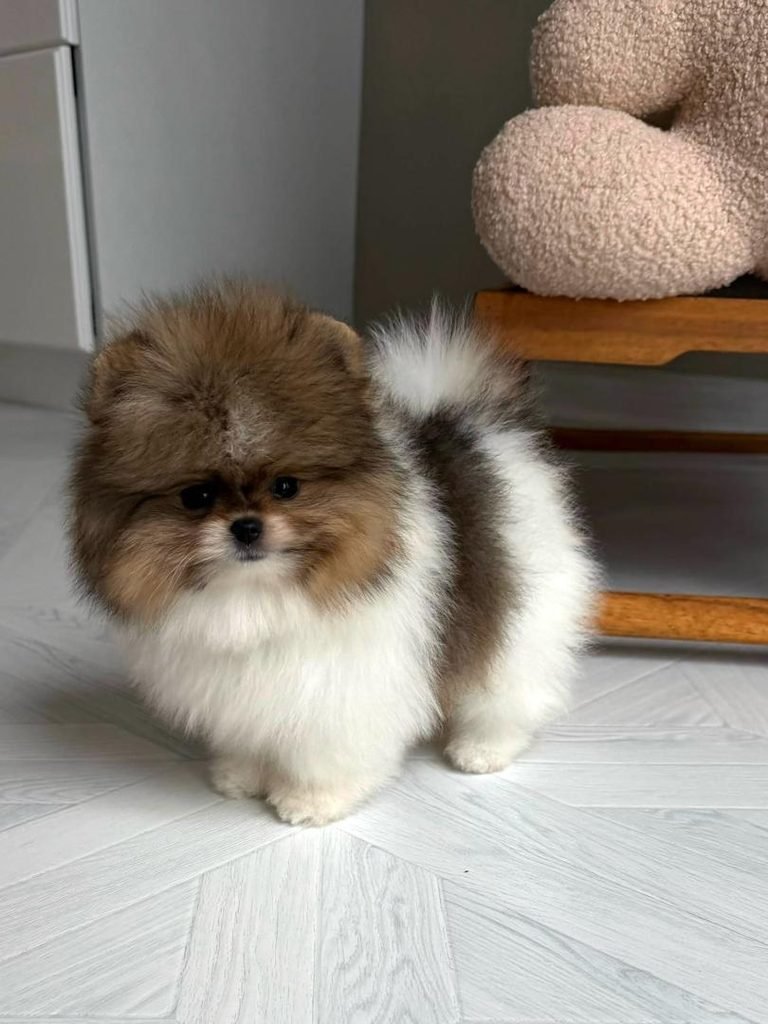
Bringing home your first dog is an exciting experience, and a Pomeranian puppy can be a wonderful companion for the right household. These small dogs are known for their lively personalities, intelligence, fluffy coats, and strong attachment to their families.https://pomeranianblisspuppies.com/puppies/
However, choosing a puppy is only the beginning. First-time owners need to understand grooming, feeding, training, exercise, socialization, veterinary care, and the special considerations that come with owning a very small dog.
If you are considering Pomeranian puppies for first time dog owners, this guide will help you understand what daily life with a Pomeranian can be like and how to prepare for your new companion.https://pomeranianblisspuppies.com/puppies/
Are Pomeranian Puppies Good for First-Time Dog Owners?
Pomeranians can be suitable for first-time dog owners who are prepared to provide consistent training, grooming, supervision, and companionship.
The American Kennel Club’s Pomeranian breed information describes the breed as lively, inquisitive, and bold. Pomeranians are also very small, with an adult weight generally around 3–7 pounds. (akc.org)
Their small size can make them appealing to new owners, but it should not be confused with being completely low-maintenance.
A Pomeranian still needs structure, training, mental stimulation, grooming, veterinary care, and daily interaction.
What First-Time Owners Should Know About Pomeranians
Before choosing Pomeranian puppies for first time dog owners, it is helpful to understand the breed’s general characteristics.
Pomeranians are typically:
- Small and portable
- Intelligent
- Energetic for their size
- Social with their families
- Alert
- Playful
- Often vocal
- Fluffy and grooming-intensive
- Capable of learning many behaviors
Their personality can be much bigger than their body.
A first-time owner should be prepared for a small dog that may want to participate in many aspects of family life.https://pomeranianblisspuppies.com/puppies/
1. Prepare Your Home Before the Puppy Arrives
One of the first steps for anyone considering Pomeranian puppies for first time dog owners is puppy-proofing the home.
Because Pomeranian puppies are tiny, ordinary household objects can present significant hazards.
Before your puppy arrives, secure:
- Electrical cords
- Small objects
- Cleaning products
- Medications
- Trash cans
- Toxic plants
- Open stairways
- Gaps behind furniture
- Easily accessible food
- Items that could be swallowed
Create a designated area where your puppy can rest, eat, play, and sleep safely.https://pomeranianblisspuppies.com/puppies/
2. Pomeranian Puppies Need Gentle Handling
Their small size means they need to be handled carefully.
Teach everyone in the household how to pick up and carry the puppy correctly.
Young children should always be supervised around a Pomeranian puppy.
A puppy should never be dropped, squeezed, pulled by its legs or tail, or encouraged to jump from furniture.
This is particularly important for first-time owners who may not realize how vulnerable a tiny puppy can be.
3. Start Training Early
Pomeranians are intelligent and can learn quickly when training is consistent and rewarding.
Start with simple behaviors such as:
- Responding to their name
- Coming when called
- Sitting
- Waiting
- Walking on a leash
- Dropping objects
- Settling on a mat
- Appropriate chewing
- Potty training
Keep sessions short.
Young puppies have limited attention spans, so several brief training sessions can be more productive than one long lesson.
The American Kennel Club’s training resources provide additional information for owners beginning basic dog training.
4. Potty Training Requires Patience
House training can take time, especially with a very small puppy.
Create predictable opportunities for your puppy to eliminate:
- After waking
- After eating
- After drinking
- After playing
- After naps
- Before bedtime
Take your puppy to the designated bathroom area consistently and reward successful elimination.
Accidents are normal during the learning process.
Avoid punishment. Instead, supervise carefully and reward the behavior you want.
5. Grooming Is Part of Pomeranian Ownership
One of the biggest considerations for Pomeranian puppies for first time dog owners is grooming.
Pomeranians have a distinctive double coat that requires regular maintenance.
A grooming routine may include:
- Brushing
- Nail trimming
- Ear checks
- Dental care
- Bathing when appropriate
- Coat inspection
Regular brushing helps prevent mats and tangles.
It is best to teach your puppy that grooming is a normal and positive part of life from an early age.
6. Dental Care Should Not Be Ignored
Small dogs can require particular attention to dental hygiene.
Begin teaching your puppy to accept gentle mouth handling when appropriate.
Ask your veterinarian about:
- Tooth brushing
- Puppy dental products
- Professional dental care
- Appropriate chews
Do not wait until dental problems develop before introducing oral care.
Making it part of the routine from puppyhood can make future care easier.
7. Pomeranian Puppies Need Exercise
Pomeranians are small, but they are not completely inactive.
They benefit from age-appropriate physical activity and play.
A puppy’s daily activity may include:
- Short walks when appropriate
- Indoor play
- Gentle retrieving
- Toy games
- Exploration
- Training exercises
Avoid assuming that a tiny dog needs the same amount of exercise as a large athletic breed.
At the same time, do not assume that carrying your puppy everywhere provides enough activity.
Your veterinarian can help you determine appropriate exercise as your puppy grows.
8. Mental Stimulation Is Important
Pomeranians are intelligent dogs.
Mental activities can include:
- Treat searches
- Food puzzles
- Name games
- Short obedience sessions
- Toy identification
- “Find it” games
- Basic trick training
Mental stimulation can help keep a puppy engaged without relying entirely on physical exercise.
For first-time owners, incorporating small training games into everyday activities is often an easy way to provide enrichment.
9. Socialization Matters
Socialization is one of the most important aspects of raising Pomeranian puppies for first time dog owners.
A well-socialized puppy learns to remain comfortable around appropriate people, environments, sounds, surfaces, and experiences.
Gradually introduce your puppy to:
- Different household sounds
- Visitors
- Car rides
- Grooming
- Safe outdoor environments
- Different surfaces
- Appropriate dogs
- Handling by trusted people
The AKC’s puppy socialization guidance recommends positive, gradual exposure to new experiences rather than overwhelming a puppy. (akc.org)
Follow your veterinarian’s recommendations regarding vaccination and exposure to areas with unknown dogs.
10. Pomeranians Can Be Vocal
Some Pomeranians are enthusiastic barkers.
A puppy may bark when it hears:
- People outside
- Doorbells
- Other dogs
- Unfamiliar noises
- Visitors
- Movement around the home
Do not simply shout at a barking puppy.
Instead, teach alternative behaviors such as looking at you, settling, or going to a designated mat.
Reward calm behavior consistently.
Training early can help prevent excessive barking from becoming a long-term habit.
11. Don’t Encourage Small-Dog Aggression
Because Pomeranians are tiny, owners sometimes excuse behaviors that would not be acceptable from a larger dog.
A puppy should not be allowed to:
- Constantly lunge at people
- Snap at visitors
- Guard food
- Harass other animals
- Bite hands
- Control household movement through aggressive behavior
Small size does not make undesirable behavior harmless.
Use positive training and seek professional help if your puppy displays concerning aggression or fear.
12. Supervise Around Larger Dogs
A Pomeranian puppy can be vulnerable around larger dogs even when the larger dog is friendly.
Play should be carefully supervised.
A large dog can accidentally injure a tiny puppy through rough play, chasing, stepping on it, or simply knocking it over.
Give your Pomeranian a safe area where it can retreat and rest.
13. Feeding Your Pomeranian Puppy
Nutrition is an important consideration when choosing Pomeranian puppies for first time dog owners.
Puppies need food appropriate for their growth stage, size, and nutritional requirements.
Choose a complete puppy diet and follow feeding guidance from your veterinarian and the food manufacturer.
Because Pomeranians are small, their meals should be appropriately portioned rather than estimated casually.
Avoid sudden food changes.
If you need to change foods, ask your veterinarian about a suitable transition.
14. Water Should Always Be Available
Fresh water should be available throughout the day unless your veterinarian has given different instructions.
Use a stable bowl that is easy for your puppy to access.
Clean the bowl regularly.
During warm weather, pay particular attention to hydration and temperature because small dogs can become uncomfortable quickly.
15. Establish a Daily Routine
First-time owners often find puppy life easier when they establish a predictable schedule.
A basic routine can include:
Morning: potty, breakfast, short training, play
Midday: potty, enrichment, rest
Afternoon: potty, training, gentle play, nap
Evening: dinner, family interaction, calm activity
Night: final potty and bedtime
The exact times are less important than maintaining a predictable rhythm.
16. Pomeranian Puppies Need Plenty of Sleep
Puppies need substantial sleep during development.
If your puppy becomes extremely energetic, mouthy, cranky, or unable to settle, it may not necessarily need more exercise.
It may be overtired.
Provide a quiet, safe sleeping area and allow your puppy to rest undisturbed.
Learning when to encourage activity and when to encourage rest is an important skill for first-time owners.
17. Choose a Safe Sleeping Area
Your puppy should have a comfortable, secure sleeping space.
Many owners use a crate or puppy pen as part of their management routine.
The area should be large enough for the puppy to move comfortably but designed to encourage clean sleeping habits.
Make the space positive rather than using it as punishment.
18. Consider Veterinary Care Before Bringing Your Puppy Home
A new puppy should have appropriate veterinary care from the beginning.
Discuss:
- Vaccinations
- Parasite prevention
- Nutrition
- Weight
- Dental care
- Microchipping
- Spaying or neutering
- Breed-specific health considerations
The American Pomeranian Club’s health information and its breed health recommendations can also be useful resources for prospective owners.
The AKC lists patella evaluation, cardiac examination, and ophthalmologist evaluation among health tests recommended by the Pomeranian parent club. (akc.org)
19. Learn How to Choose a Responsible Breeder
Choosing the puppy is one of the most important decisions a first-time owner makes.
Do not choose a breeder solely because the puppy is inexpensive or because photographs look attractive online.
Ask questions about:
- Parent dogs
- Health screening
- Veterinary care
- Vaccinations
- Socialization
- Puppy environment
- Contracts
- Return policies
- Registration documentation
- References
The AKC’s responsible breeder guidance recommends that prospective owners ask questions, meet the breeder, see where puppies are raised, and request appropriate health information. (akc.org)
20. Be Careful With “Teacup” Marketing
First-time buyers may encounter advertisements using terms such as “teacup,” “micro,” or “tiny teacup.”
These labels can make puppies sound appealing, but prospective owners should focus on health and responsible breeding rather than extreme smallness.
PetMD warns that so-called teacup Pomeranians can be associated with increased health risks and recommends avoiding breeders who prioritize extremely small size over health. (petmd.com)
Look for a healthy, appropriately developed puppy rather than simply the smallest puppy available.
21. Pomeranians Can Form Strong Bonds
Many Pomeranians enjoy spending significant time with their families.
This can make them wonderful companions, but it also means first-time owners should teach independence gradually.
Give your puppy opportunities to relax independently in a safe area.
Practice brief periods away from you while ensuring the puppy is comfortable and secure.
This can help your puppy learn that being alone for short periods is normal.
22. Teach Your Puppy Good Leash Manners
A small dog still needs leash training.
Begin indoors or in a safe environment by allowing your puppy to become comfortable wearing a properly fitted collar or harness.
Reward your puppy for walking beside you.
Gradually introduce distractions.
Avoid pulling or dragging a tiny puppy.
Positive reinforcement can make leash training more enjoyable and effective.
23. Pomeranian Puppies and Children
Pomeranians can live successfully with children when interactions are appropriate and supervised.
Because the breed is small, young children need to understand that the puppy is not a toy.
Teach children to:
- Handle the puppy gently
- Leave the puppy alone while eating
- Respect sleeping time
- Avoid chasing
- Avoid picking the puppy up without permission
- Let the puppy retreat when it wants space
Adults should supervise interactions.
24. Pomeranians in Apartments
Their small size can make Pomeranians practical for apartment living, but apartment ownership still requires training and exercise.
Your puppy will need opportunities for:
- Potty training
- Play
- Mental stimulation
- Appropriate walks
- Socialization
- Quiet time
You should also work on barking because excessive noise can become a problem in shared buildings.
25. Prepare for Grooming Appointments
If you plan to use a professional groomer, introduce your puppy to grooming equipment and gentle handling early.
The puppy should gradually become comfortable with:
- Brushing
- Paw handling
- Ear inspection
- Being touched around the face
- Nail handling
- Bathing
- Clippers or dryers at appropriate levels
Do not wait until the puppy has a heavily tangled coat before introducing grooming.
26. Budget Beyond the Purchase Price
A common mistake among first-time owners is focusing only on the puppy’s purchase price.
Owning a Pomeranian can involve ongoing expenses such as:
- Food
- Veterinary visits
- Vaccinations
- Parasite prevention
- Grooming
- Training
- Toys
- Bedding
- Crate or playpen
- Identification
- Emergency veterinary care
- Pet insurance, if chosen
Creating a realistic budget before bringing home a puppy can make ownership less stressful.
27. What Should First-Time Owners Buy?
Before your puppy arrives, consider preparing:
Feeding Supplies
- Puppy food
- Food bowl
- Water bowl
- Measuring cup
Training Supplies
- Small treats
- Leash
- Properly fitted collar or harness
- Training toys
Sleeping Supplies
- Crate
- Puppy bed
- Washable blanket
Grooming Supplies
- Appropriate brush
- Nail-care equipment
- Puppy-safe shampoo if needed
Safety Supplies
- Identification tag
- Baby gates
- Puppy-proofing equipment
- Cleaning supplies
Having everything ready can make the first few days much smoother.
28. Give Your Puppy Time to Adjust
The first days in a new home can be overwhelming.
Your puppy is suddenly away from its littermates and familiar surroundings.
Keep the first few days relatively calm.
Avoid inviting large groups of people over immediately.
Give your puppy time to learn:
- Where to sleep
- Where to eat
- Where to potty
- Where toys are kept
- Who the family members are
- Which behaviors receive rewards
A calm beginning can help establish a strong foundation.
29. Be Consistent With Household Rules
Everyone should agree on the rules.
If one person allows the puppy on the furniture while another constantly removes it, the puppy receives mixed signals.
Decide in advance:
- Where the puppy can sleep
- Where it can play
- Whether furniture is allowed
- Which areas are restricted
- Which behaviors are rewarded
- How family members will respond to unwanted behavior
Consistency makes training easier.
30. Enjoy the Puppy Stage
The puppy stage can sometimes feel exhausting, especially for a first-time dog owner.
There may be accidents, chewing, barking, interrupted sleep, and repeated training.
But puppies grow quickly.
Take photographs, celebrate small achievements, and enjoy the process of building a relationship with your new companion.
Pomeranian Puppies for First Time Dog Owners: Pros and Cons
Before choosing Pomeranian puppies for first time dog owners, consider both the advantages and challenges.
Potential Advantages
- Small size
- Lively personality
- Intelligent and trainable
- Often affectionate with their families
- Easy to transport
- Can adapt well to many living environments
- Enjoy interactive play
Potential Challenges
- Regular grooming requirements
- Possible barking
- House-training patience required
- Small body requires careful handling
- Can become overly dependent without appropriate independence training
- Need consistent socialization
- Veterinary and grooming expenses continue throughout ownership
No breed is perfect for every household.
Questions to Ask Before Buying a Pomeranian Puppy
First-time buyers should consider asking:
- How old are the puppies?
- What veterinary care have they received?
- What vaccinations have been given?
- Have the parents received recommended health screening?
- Can I meet the mother?
- How are the puppies socialized?
- What food are the puppies eating?
- What documentation comes with the puppy?
- What does the contract cover?
- What happens if I can no longer care for the dog?
A responsible breeder should be willing to discuss these subjects openly.
Final Thoughts
For the right household, Pomeranian puppies for first time dog owners can become affectionate, entertaining, and rewarding companions. Their small size and lively personality make them appealing, but new owners should understand that small dogs still require training, grooming, exercise, socialization, nutrition, veterinary care, and consistent boundaries.
Before bringing a puppy home, prepare your living space, research responsible breeders, establish a daily routine, and schedule appropriate veterinary care.
Most importantly, choose health and temperament over appearance or extreme size. With patience, positive training, careful handling, and plenty of affection, your first Pomeranian can become a confident and cherished member of your family.https://pomeranianblisspuppies.com/puppies/