September 18, 2026
Pomeranian Coat Colors and Patterns – A Complete Guide for Buyers
Pomeranian Coat Colors and Patterns: Complete Guide to Pomeranian Colors
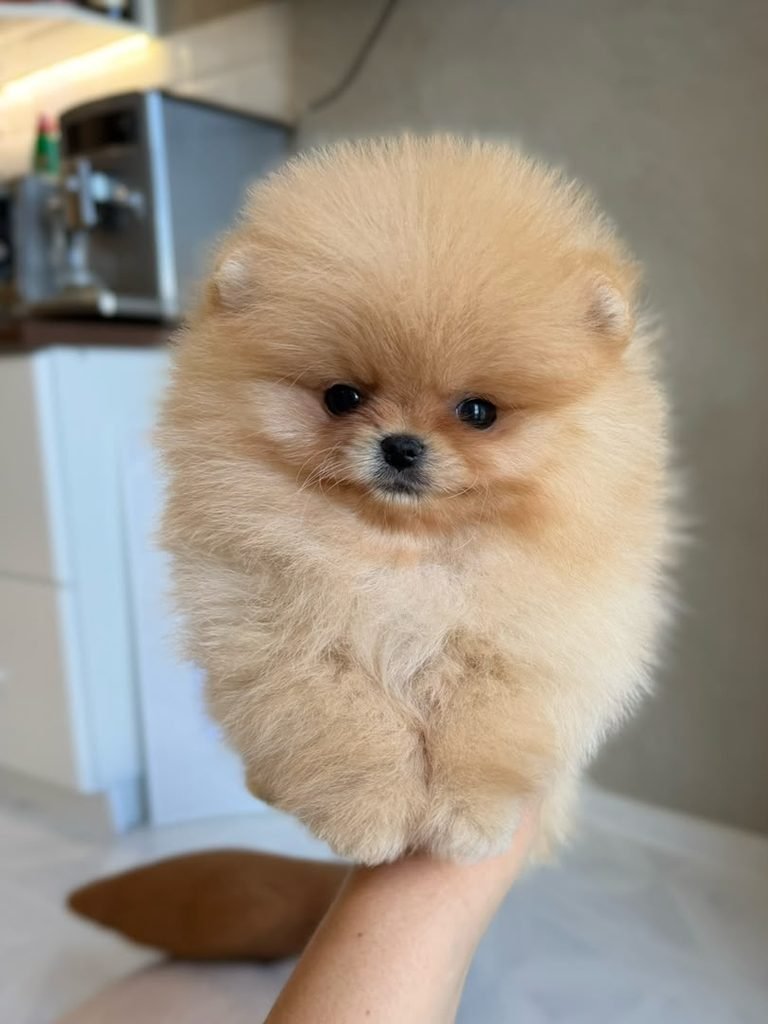
If you are researching Pomeranian coat colors and patterns, you will quickly discover that this small breed comes in an impressive variety of beautiful shades and markings.https://pomeranianblisspuppies.com/
Pomeranians can have solid coats, shaded coats, sable coloring, parti patterns, tan-point markings, brindle striping, and other recognized variations. The American Pomeranian Club states that all Pomeranian colors, patterns, and variations are allowed under the breed standard and should be judged on an equal basis.
Some of the most familiar colors include orange, orange sable, cream, black, brown, blue, white, and sable. Other recognized varieties include beaver, brindle, merle, parti, and tan points.https://pomeranianblisspuppies.com/
Understanding Pomeranian coat colors and patterns can help prospective owners know what they are looking at when comparing puppies and can also help explain why two Pomeranians may look dramatically different while still belonging to the same breed.
What Are Pomeranian Coat Colors and Patterns?
Pomeranian coat colors and patterns describe the basic color of a dog’s coat and the way additional colors or markings are distributed throughout the coat.
A color generally describes the primary pigmentation of the coat, while a pattern describes how colors are arranged.
For example:
- Orange is a color.
- Black is a color.
- Cream is a color.
- Sable describes dark-tipped hairs over a lighter base.
- Parti describes a white base with patches of another accepted color or pattern.
- Brindle describes dark cross-striping.
- Tan points describe sharply defined tan markings in specific areas.
The American Pomeranian Club separates Pomeranian colors into several classifications and identifies recognized patterns including brindle, parti, and tan points.https://pomeranianblisspuppies.com/
Pomeranian Coat Colors and Patterns Recognized by the Breed Standard
The American Pomeranian Club’s current color information includes:
Red
Orange
Cream
Sable
Black
Brown
Blue
Beaver
Brindle
Merle
Parti
Tan Points
White
Sable also includes variations such as red sable, orange sable, cream sable, wolf sable, blue sable, and chocolate sable.
The breed standard states that colors, patterns, and variations are to be judged equally.
This is important for buyers because a particular coat color should not automatically be interpreted as meaning that one Pomeranian is healthier, more valuable, or better than another.https://pomeranianblisspuppies.com/
Orange Pomeranian
Orange is one of the most recognizable Pomeranian colors.
According to the American Pomeranian Club, orange and orange sable are currently among the most common Pomeranian colors.
An orange Pomeranian can range from lighter orange to deeper, richer shades.
When looking at orange puppies, remember that puppy coats can change considerably as the dog matures.
A young puppy may not have exactly the same adult coloration it eventually develops.
Orange Sable Pomeranian
Orange sable is another extremely recognizable Pomeranian appearance.
The American Pomeranian Club describes orange sable as an orange base coat with black-tipped hairs.
The amount of black tipping can vary.
Some orange sable Pomeranians may have relatively subtle shading, while others can have considerably darker areas.
This variation is one reason Pomeranian coat colors and patterns can be so interesting to prospective owners.
Red Pomeranian
Red Pomeranians have a deeper reddish appearance than typical orange Pomeranians.
Red sable is also recognized, with a reddish base color combined with darker-tipped guard hairs.
Because color intensity can vary, identifying a young puppy’s eventual adult shade can sometimes be difficult.
Ask the breeder about the puppy’s parents and previous puppies from the same lines if you want to understand potential coat development.
Cream Pomeranian
Cream Pomeranians have a pale, off-white or ivory appearance.
The American Pomeranian Club describes cream as an even, pale coloration and also identifies cream sable as a separate variation.
Some cream puppies can appear quite silvery when young and become creamier as their adult coat develops.
This is another example of why photographs of a very young puppy may not perfectly predict the mature coat.
Clear Cream Pomeranian
Clear cream is a particularly pale variation.
The American Pomeranian Club explains that clear creams can appear nearly white when young and may have very pale or straw-colored whiskers and other pigmentation characteristics.
When purchasing a cream or clear cream puppy, ask the breeder how the color has developed in related dogs.https://pomeranianblisspuppies.com/puppies/
Black Pomeranian
Black is one of the classic Pomeranian colors.
A solid black Pomeranian has a predominantly black coat without the patches of another color associated with patterns such as parti.
Black Pomeranians can have a dramatic appearance because the dense coat creates a strong, uniform silhouette.
When evaluating a black puppy, however, coat color should remain secondary to health, temperament, breeder practices, and overall puppy development.https://pomeranianblisspuppies.com/puppies/
Brown or Chocolate Pomeranian
Brown Pomeranians are also commonly described as chocolate Pomeranians.
The American Pomeranian Club lists brown among the recognized Pomeranian colors.
The shade can range from lighter brown to deeper chocolate tones.
Chocolate can also appear in patterns and combinations such as chocolate and tan, chocolate sable, chocolate merle, and chocolate-and-white parti.
Blue Pomeranian
Blue Pomeranians have a diluted dark pigmentation that creates a blue-gray or charcoal appearance.
The American Pomeranian Club recognizes blue among Pomeranian colors and also describes blue sable and blue combinations in its color information.
Blue should not be confused with gray simply because the coat may have a grayish appearance.
If a breeder is advertising a particular color as “rare” or “exclusive,” ask questions about the puppy’s genetic background and health testing rather than assuming that unusual appearance means superior quality.
Beaver Pomeranian
Beaver is another recognized Pomeranian color.
It has a softer diluted appearance compared with darker brown coloration.
The American Pomeranian Club includes beaver in its “Any Other Color, Pattern, or Variation” classification.
Because beaver Pomeranians may be less familiar to casual buyers, prospective owners should rely on reputable breed information rather than marketing descriptions.
White Pomeranian
White Pomeranians have a predominantly white coat.
White is included among the recognized Pomeranian color varieties listed by the American Pomeranian Club.
A true white Pomeranian should be distinguished from a very pale cream puppy, since young puppies can sometimes make color identification difficult.
If you are interested in a white puppy, ask the breeder how the puppy’s color has developed and what the parents’ coats are like.
Sable Pomeranian
Sable is different from a simple solid coat.
The American Pomeranian Club explains that sable refers to dark banding or tipping on guard hairs over a lighter base color.
Sable can vary considerably in intensity.
A puppy may have only a small amount of darker tipping, while another may have substantial shading.
Recognized sable variations include:
- Red sable
- Orange sable
- Cream sable
- Wolf sable
- Blue sable
- Chocolate sable
Wolf Sable Pomeranian
Wolf sable has a distinctive grayish appearance with darker guard hairs.
The American Pomeranian Club explains that true wolf sable is associated with lighter areas around the eyes and a particular pattern of darker guard hairs.https://pomeranianblisspuppies.com/puppies/
Wolf sable can look very different from orange sable, even though both fall within the broader sable category.
Blue Sable Pomeranian
Blue sable combines a lighter base with blue or charcoal-colored tipping.
According to the American Pomeranian Club, blue sable results from dilution of black pigment, giving the darker coat portions a bluish or charcoal appearance.
Some blue sable puppies can look surprisingly different as their coat matures.
Chocolate Sable Pomeranian
Chocolate sable combines a lighter base with darker brown or chocolate-tipped hairs.
The American Pomeranian Club notes that chocolate sable puppies can sometimes resemble chocolate-and-tan puppies when young, but their banded coat eventually helps distinguish the two appearances.
This illustrates why experienced breeders can be helpful when identifying developing coat colors.
Pomeranian Coat Patterns
In addition to solid colors and shaded coats, Pomeranian coat colors and patterns can include several distinctive patterns.
The recognized patterns described by the American Pomeranian Club include:
- Brindle
- Parti
- Extreme piebald
- Piebald
- Irish
- Tan points
Let’s look at each one.https://pomeranianblisspuppies.com/puppies/
Parti Pomeranian
Parti Pomeranians have a white base with patches of another accepted color or pattern.
The American Pomeranian Club describes three distinct parti patterns:
- Extreme piebald
- Piebald
- Irish
A white blaze on the head is preferred under the breed description, and the patches can involve a variety of recognized colors.
Parti combinations can include:
- Orange and white
- Cream and white
- Black and white
- Chocolate and white
- Blue and white
- Brindle and white
- Beaver and white
- Merle and white
- Sable and white
Extreme Piebald Pomeranian
Extreme piebald is a specific distribution of white and colored areas.
The American Pomeranian Club describes it as white with patches of color concentrated on the head and base of the tail.
This can produce a very distinctive appearance.
Piebald Pomeranian
Piebald Pomeranians have white combined with patches of color on the head, body, and base of the tail.
The distribution of patches can vary from one dog to another.
Because of this variation, no two parti or piebald Pomeranians necessarily look exactly alike.
Irish Pattern Pomeranian
The Irish pattern is another recognized parti pattern.
It consists of color on the head and body with white legs, chest, and collar.
This produces a very recognizable contrast between the colored body and white areas.
Tan Point Pomeranian
Tan-point Pomeranians have sharply defined tan markings against another base color or pattern.
The American Pomeranian Club describes tan markings in areas such as:
- Above the eyes
- Inside the ears
- Muzzle
- Throat
- Forechest
- Lower legs
- Feet
- Underside of the tail
- Skirt
A black-and-tan Pomeranian is one of the most familiar examples.
Other combinations can include:
- Blue and tan
- Chocolate and tan
- Merle and tan
- Tan-point parti combinations
Brindle Pomeranian
Brindle is a striped pattern.
The American Pomeranian Club describes brindle as dark cross-stripes over a base color or accepted pattern.
The stripes can vary in width and may not appear perfectly continuous throughout the coat.
Brindle can also occur in combination with other patterns.
Merle Pomeranian
Merle creates a mottled or patchy visual effect within the coat.
The American Pomeranian Club currently includes merle among the Pomeranian’s recognized colors, patterns, and variations.
Merle can also occur in combinations such as:
- Blue merle
- Chocolate merle
- Merle and tan
- Merle parti
The club’s parti information illustrates several of these combinations.
Because coat genetics can be complicated, anyone considering a merle Pomeranian should ask the breeder about the genetic background of both parents and the health-testing practices used in the breeding program.
Pomeranian Coat Colors and Patterns Can Change With Age
One of the most interesting things about Pomeranian coat colors and patterns is that a puppy’s appearance can change as it matures.
Puppy coats and adult coats can look noticeably different.
Changes may involve:
- Color intensity
- Amount of sable shading
- Guard-hair development
- Coat length
- Distribution of darker hairs
- Overall contrast
For example, a young orange sable puppy may become lighter or darker as the adult coat develops.
A cream puppy may also appear considerably different once the adult coat comes in.
If you are selecting a puppy, ask the breeder whether they can show photographs of related puppies at different ages.
Why Pomeranian Puppy Colors Can Be Difficult to Predict
Coat genetics involve multiple genes and interactions.
This means that simply looking at a newborn or very young puppy may not always tell you exactly what the adult coat will look like.
A breeder with experience in particular bloodlines may be able to provide useful observations based on:
- Parents
- Grandparents
- Previous litters
- Coat development
- Known color genetics
However, buyers should be cautious about anyone promising an exact adult coat appearance with absolute certainty when the puppy is extremely young.
Pomeranian Coat Colors and Patterns vs. Health
A coat color should not be used as a substitute for health evaluation.
When choosing a Pomeranian, investigate:
- Parent health testing
- Veterinary care
- Family health history
- Temperament
- Breeding practices
- Socialization
- Puppy development
The American Pomeranian Club’s breed resources emphasize that overall quality and responsible breeding matter alongside color.
A beautiful coat is only one characteristic of a dog.
Are Some Pomeranian Colors More Valuable?
You may see advertisements describing certain puppies as:
- Rare
- Exotic
- Premium
- Exclusive
- Designer color
- Luxury color
These terms are primarily marketing descriptions unless they are backed by a clear explanation of the breeding and documentation.
The American Pomeranian Club states that all colors, patterns, and variations are allowed and should be judged on an equal basis under the breed standard.
Therefore, buyers should not assume that a less common color automatically means a better Pomeranian.
Health, temperament, responsible breeding, and suitability for your home are more important considerations.
Pomeranian Coat Colors and Patterns for Families
Families often choose a Pomeranian based on appearance.
There is nothing wrong with having a preferred color.
You may love:
- Orange
- Cream
- Black
- White
- Chocolate
- Blue
- Parti
- Sable
However, color should be only one part of the decision.
Consider the puppy’s:
- Temperament
- Energy level
- Health background
- Socialization
- Parent temperament
- Breeder practices
- Compatibility with your household
A beautiful Pomeranian with a color you love can be a wonderful companion, but personality and health remain important throughout the dog’s life.
Pomeranian Coat Colors and Patterns and Grooming
Regardless of color, Pomeranians have a substantial double coat that requires regular care.
The breed standard describes a dense undercoat and longer outer coat, with a prominent ruff, feathering, skirt, and heavily coated tail.
Regular grooming helps maintain the coat.
A grooming routine may include:
- Brushing
- Combing
- Nail trimming
- Ear care
- Bathing
- Coat inspection
Light-colored coats may show dirt more visibly, while darker coats may make certain types of shedding less noticeable.
But all Pomeranians require appropriate grooming regardless of color.
How to Choose a Pomeranian Coat Color
If you have a preferred appearance, start by identifying your favorite colors and patterns.
Then evaluate the puppy using other criteria.
Step 1: Choose Your Preferred Appearance
Decide whether you prefer:
- Solid
- Sable
- Parti
- Tan points
- Brindle
- Another recognized variation
Step 2: Research the Breeder
Look for transparency about:
- Parents
- Health testing
- Puppy care
- Socialization
- Pedigree
- Contracts
Step 3: Ask About Color Genetics
If color is important to you, ask how the parents’ genetics may influence the litter.
Step 4: Understand Coat Development
Ask whether the puppy’s color may change as it matures.
Step 5: Prioritize Health
Never allow color preference to replace appropriate health evaluation.
Questions to Ask a Pomeranian Breeder About Coat Color
Before choosing a puppy, ask:
- What color are the parents?
- What colors have previous puppies from these parents developed?
- Is the puppy’s current color expected to change?
- Is the puppy solid, sable, parti, or patterned?
- What color do you expect the adult coat to become?
- Can I see photographs of related adult dogs?
- What color genetics are known in the bloodline?
- Does the puppy have any white markings?
- Is the puppy registered with the color designation you described?
- What health testing has been performed on the parents?
These questions can help you understand the difference between a puppy’s current appearance and its expected adult coat.
Pomeranian Coat Colors and Patterns Chart
| Color or Pattern | Basic Appearance |
|---|---|
| Red | Deep reddish coat |
| Orange | Orange solid coat |
| Cream | Pale cream or ivory coat |
| Black | Solid black coat |
| Brown/Chocolate | Brown to chocolate coat |
| Blue | Diluted blue-gray pigmentation |
| Beaver | Diluted brown appearance |
| White | Predominantly white coat |
| Sable | Dark-tipped hairs over a lighter base |
| Parti | White base with colored patches |
| Tan Points | Defined tan markings on a darker base |
| Brindle | Dark cross-stripes |
| Merle | Mottled or patchy color pattern |
These categories are based on the color and pattern information published by the American Pomeranian Club.
Common Pomeranian Color Combinations
The variety becomes even greater when colors and patterns are combined.
Examples include:
- Orange sable
- Cream sable
- Red sable
- Wolf sable
- Blue sable
- Chocolate sable
- Black and tan
- Blue and tan
- Chocolate and tan
- Orange and white parti
- Black and white parti
- Chocolate and white parti
- Brindle and white parti
- Merle and white parti
- Merle and tan
The American Pomeranian Club documents many of these combinations in its color and parti resources.
Pomeranian Coat Colors and Patterns and Registration
If you are buying a registered Pomeranian, make sure the color information is properly documented.
Ask the breeder:
- Which registry?
- What color is recorded?
- Is a pattern recorded separately?
- Is the puppy already registered?
- Will registration paperwork be provided?
- Does the breeder provide a pedigree?
Remember that registration papers do not replace health testing.
They document registration and ancestry information rather than guaranteeing health or temperament.
Beware of Color-Based Marketing
A buyer searching for Pomeranian coat colors and patterns may encounter advertisements that heavily emphasize color.
Be cautious when an advertisement focuses almost entirely on terms such as:
- “Ultra rare”
- “One-of-a-kind”
- “Designer color”
- “Premium color”
- “Exotic”
- “Luxury”
Ask what makes the puppy worth the additional price.
If the answer is only appearance, continue your research.
A responsible breeder should also be able to discuss:
- Health
- Parents
- Temperament
- Pedigree
- Socialization
- Veterinary care
- Breeding goals
Pomeranian Coat Colors and Patterns: What Matters Most
Color is fun to explore, but a responsible puppy purchase should involve much more.
Before choosing your Pomeranian, investigate:
Health
Ask about parent health testing and veterinary care.
Temperament
Learn about the puppy’s personality and the temperament of the parents.
Socialization
Ask what experiences the puppy has had.
Breeder
Choose a breeder who is transparent and knowledgeable.
Documentation
Review registration, pedigree, veterinary records, and contracts.
Lifestyle Fit
Make sure a Pomeranian is suitable for your household.
Final Thoughts on Pomeranian Coat Colors and Patterns
The variety of Pomeranian coat colors and patterns is one of the breed’s most appealing characteristics.
From orange and cream to black, blue, brown, white, sable, parti, brindle, merle, and tan points, Pomeranians can have remarkably different appearances while remaining within the broad range of colors and patterns recognized by the breed standard.
Sable adds another level of variation because the amount of dark tipping can range from subtle to dramatic.
Parti Pomeranians can also display several different distributions of white and color, including extreme piebald, piebald, and Irish patterns.
When choosing a puppy, however, don’t let color become the only consideration.
A beautiful coat is wonderful, but health, temperament, responsible breeding, socialization, and compatibility with your family are equally important.
If you have a particular color in mind, talk with the breeder about the parents, previous litters, color genetics, and how the puppy’s coat may change as it grows.
That approach allows you to enjoy the incredible variety of Pomeranian coat colors and patterns while making a thoughtful decision about the puppy that will become part of your family.
Frequently Asked Questions
What are the most common Pomeranian colors?
The American Pomeranian Club states that orange and orange sable are currently among the most common Pomeranian colors.
What Pomeranian colors are recognized?
Recognized varieties include red, orange, cream, sable, black, brown, blue, beaver, brindle, merle, parti, tan points, and white.
What is a sable Pomeranian?
A sable Pomeranian has darker-tipped guard hairs over a lighter base color. Variations include red sable, orange sable, cream sable, wolf sable, blue sable, and chocolate sable.
What is a parti Pomeranian?
A parti Pomeranian has a white base with patches of an accepted color or pattern. The American Pomeranian Club describes extreme piebald, piebald, and Irish parti patterns.
What is a brindle Pomeranian?
A brindle Pomeranian has dark cross-stripes over a base color or accepted pattern.
Can Pomeranian puppies change color as they grow?
Yes. Some Pomeranian puppies can change noticeably as their adult coat develops, particularly puppies with sable or shaded coloring.
Are rare Pomeranian colors better?
No. The American Pomeranian Club states that all colors, patterns, and variations are allowed and should be judged equally under the breed standard.
Which Pomeranian color is the most expensive?
There is no universal price ranking for Pomeranian colors. Breeder pricing can vary based on demand, pedigree, health testing, breeding goals, and other factors.
Are Pomeranian coat colors related to health?
Coat color alone should not be used to judge a puppy’s overall health. Buyers should investigate the parents, health testing, veterinary care, and breeding practices.
What should I ask a breeder about Pomeranian colors?
Ask about the parents’ colors, previous litters, expected coat development, color genetics, registration information, and whether the puppy’s appearance may change as it matures.
Where can I learn more about official Pomeranian colors?
The American Pomeranian Club’s Pomeranian Colors resource provides detailed information about recognized colors and patterns.