October 18, 2026
Pomeranian Barking Behavior – Why Pomeranians Bark & How to Manage It
Pomeranian Barking Behavior: Causes and Training Tips
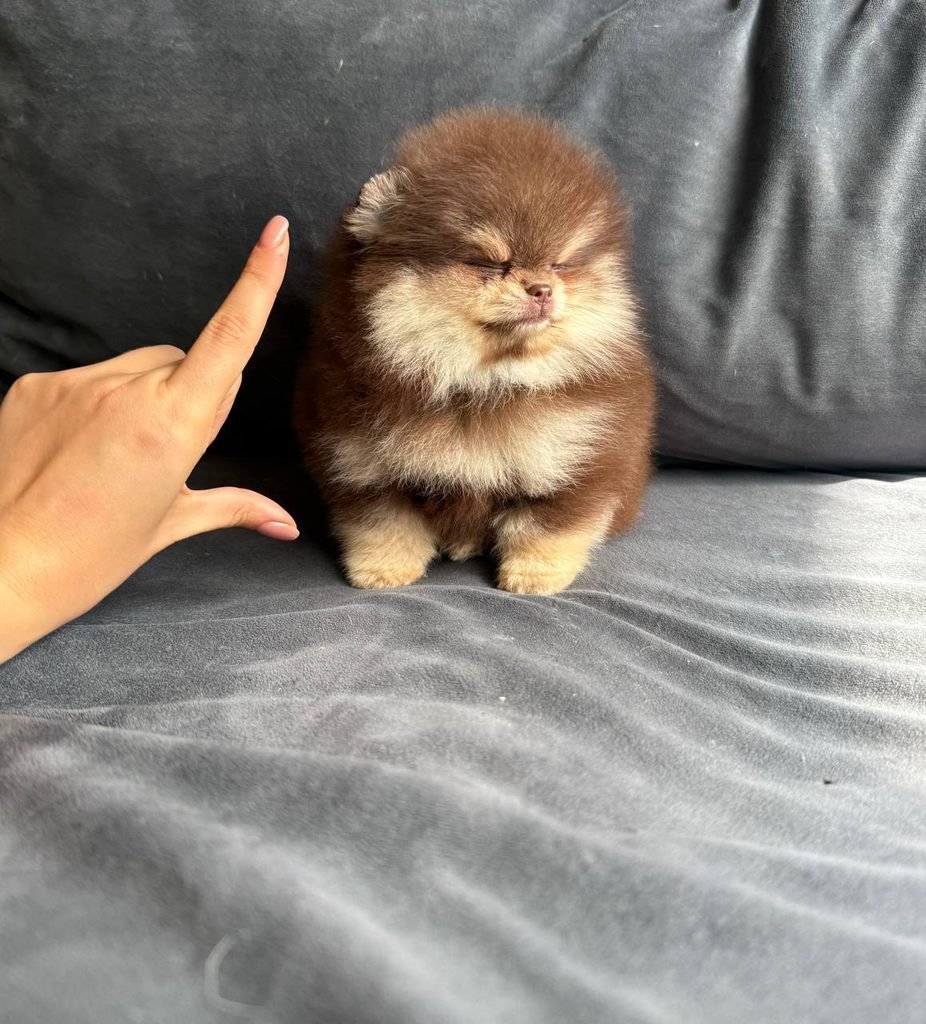
Pomeranian Barking Behavior is an important topic for anyone bringing one of these small, intelligent dogs into their home. Pomeranians are alert, lively, and naturally vocal. They may bark when they hear unfamiliar sounds, see people outside, become excited, feel frightened, or want attention. Although barking is a normal form of canine communication, frequent barking can become difficult for owners and neighbors. Understanding why your puppy barks is the first step toward helping them feel secure and behave calmly.https://pomeranianblisspuppies.com/solution/
Why Do Pomeranians Bark So Much?
Pomeranian Barking Behavior is influenced by their alert nature, environment, experiences, and training. Despite their small size, Pomeranians often act as watchdogs and quickly notice changes around them.
Common reasons include:
- Alert barking: reacting to doorbells, footsteps, visitors, or noises outside.
- Attention-seeking: barking to request play, food, cuddles, or interaction.
- Excitement: barking during greetings, games, or walks.
- Fear or uncertainty: reacting to unfamiliar people, dogs, or environments.
- Boredom: barking when they lack sufficient play, exercise, or mental stimulation.
- Separation-related distress: vocalizing when left alone and feeling worried.
Watch what happens immediately before and after barking. The trigger and your puppy’s body language can help you determine what they need.https://pomeranianblisspuppies.com/solution/
Is Barking Normal for Pomeranian Puppies?
Yes. Some barking is normal, especially while puppies learn about their surroundings. Pomeranians are often alert and expressive, so they may respond to sounds that people barely notice. However, constant barking should not simply be accepted as part of the breed.https://pomeranianblisspuppies.com/solution/
Pomeranian Barking Behavior can improve with consistent training, appropriate enrichment, and calm responses. Puppies may need time to learn which sounds require attention and which can safely be ignored. Avoid expecting a young puppy to remain quiet in every situation immediately.
How to Stop Excessive Pomeranian Barking
1. Identify the Trigger
Start by observing when your puppy barks. Is it at the window, when someone enters, during play, or when you leave the room? Knowing the trigger lets you address the cause instead of reacting to the noise alone.
2. Reward Quiet Moments
Use positive reinforcement to teach your puppy that calm behavior pays off. When your Pomeranian notices a sound but stays quiet, calmly praise them and offer a small treat. Rewarding quiet behavior before barking begins can be especially useful.
3. Teach a Quiet Cue
When your puppy barks, wait for a brief pause rather than shouting over them. Say a cue such as “quiet” in a calm voice and reward the pause. Gradually reward longer periods of silence. Practice in short sessions and keep expectations realistic.
4. Avoid Yelling or Punishment
Shouting may increase excitement or anxiety, and some dogs interpret raised voices as participation in the noise. Avoid hitting, frightening, or using painful anti-bark devices. Gentle, consistent training helps build trust and teaches your dog what to do instead.
5. Provide Exercise and Mental Stimulation
Pomeranians are small, but they still need daily activity and opportunities to use their minds. Offer age-appropriate walks, interactive toys, sniffing games, and brief training sessions. Puppies need plenty of rest, so balance activity with naps.
6. Manage the Environment
If your puppy barks at passersby, close the curtains or move their resting area away from the window. Use gentle background noise if outdoor sounds trigger barking. Preventing repeated practice of the behavior can make training easier.
7. Teach Calm Greetings
Ask visitors to avoid immediately exciting your puppy. Reward four paws on the floor and calm behavior. If barking starts when the doorbell rings, practice with a quiet recording or a helper at a low intensity, rewarding your puppy for remaining relaxed.
Pomeranian Barking Behavior Around Strangers
Pomeranians may bark at unfamiliar people because they are alert, uncertain, excited, or trying to create distance. Do not force your puppy to approach someone. Give them space and allow them to observe from a comfortable distance.
Pair the sight of a person with treats and praise while your puppy remains relaxed. Gradually work closer only when they are comfortable. If your puppy growls, hides, stiffens, or tries to retreat, increase the distance and proceed more slowly.
Why Does My Pomeranian Bark at Other Dogs?
Barking at other dogs can result from fear, frustration, excitement, or limited social experience. Some puppies bark because they want to greet another dog but cannot reach them; others are asking for more space.
Keep a comfortable distance during walks and reward your puppy for looking at another dog without reacting. Avoid forcing greetings or allowing an unfamiliar dog to rush toward your puppy. Choose safe, positive experiences with suitable dogs, and ask a qualified reward-based trainer for help if reactions are intense.
Pomeranian Barking When Left Alone
A Pomeranian that barks after you leave may be bored, responding to outside sounds, or experiencing separation-related distress. Look for other signs, including pacing, panting, drooling, destructive behavior, or attempts to escape.
Build alone-time skills gradually. Begin with very short separations that your puppy can handle comfortably, and return before distress escalates when possible. Provide a safe resting area and suitable enrichment. Do not punish barking after you return. If your dog becomes highly distressed, consult your veterinarian or a qualified professional experienced in separation problems.
Does a Pomeranian’s Age Affect Barking?
Puppies may bark more as they explore their environment and learn how to communicate. Adolescents may become more responsive to sounds and distractions as their confidence develops. Adult dogs can also bark excessively if the behavior has been reinforced over time or if their environment changes.
Pomeranian Barking Behavior is not determined by age alone. Individual temperament, health, socialization, training history, and living conditions all matter. Older dogs that suddenly begin barking more should receive a veterinary assessment, particularly if the change is accompanied by confusion, pain, restlessness, or altered hearing or vision.
Common Mistakes That Can Make Barking Worse
- Giving attention every time your puppy barks for attention.
- Shouting, scolding, or frightening the dog.
- Expecting a puppy to remain quiet without teaching the behavior.
- Providing too little activity or mental enrichment.
- Forcing interactions with strangers or other dogs.
- Ignoring signs of fear or separation distress.
- Using inconsistent rules between household members.
Instead, agree on a consistent training approach, reward calm behavior, and address the reason for the barking.
When Should You Seek Professional Help?
Seek advice from your veterinarian if barking begins suddenly, increases significantly, occurs alongside signs of pain, or is accompanied by other unusual behavior. A veterinarian can help identify possible medical causes.
Consider a qualified, reward-based dog trainer or veterinary behavior professional if barking is persistent, involves lunging or snapping, or happens with severe distress when your dog is alone. Early support can prevent problems from becoming more difficult to manage.
Frequently Asked Questions
Do Pomeranians bark a lot?
Many Pomeranians are vocal and alert, but individual dogs vary. Training, socialization, daily routine, and the reasons for barking influence how often a dog vocalizes.
Can you train a Pomeranian to stop barking?
You can often reduce unnecessary barking by identifying triggers, rewarding quiet behavior, teaching a quiet cue, and providing adequate activity. The goal is manageable barking rather than eliminating all communication.
Why does my Pomeranian bark at every noise?
Your puppy may be alert to unfamiliar sounds or may have learned that barking brings attention. Reduce exposure to overwhelming triggers and reward calm responses to ordinary noises.
Should I ignore my Pomeranian when it barks?
It depends on why the dog is barking. Avoid rewarding attention-seeking barking, but do not ignore possible fear, pain, urgent needs, or separation distress. Identify the cause first.
Does barking mean my Pomeranian is aggressive?
No. Barking can indicate excitement, alertness, fear, frustration, or a desire for distance. Look at body language and context rather than assuming barking always means aggression.
Helpful Resources for Pomeranian Owners
For breed information and responsible dog-care guidance, visit the American Kennel Club’s Pomeranian breed page and its dog training resources. These resources can complement a consistent, positive training plan.
Conclusion
Pomeranian Barking Behavior becomes easier to manage when owners understand the reason behind the noise. Alertness, excitement, fear, boredom, and separation-related distress can all lead to barking, but each requires a slightly different response. Use positive reinforcement, provide suitable exercise and mental stimulation, manage triggers, and teach your puppy how to settle calmly. With patience and consistency, many Pomeranians can learn to bark less in everyday situations while still communicating when they need to.https://pomeranianblisspuppies.com/solution/