October 16, 2026
How to Verify a Pomeranian Breeder – 7 Things Buyers Should Check
How to Verify a Pomeranian Breeder: A Complete Buyer’s Guide
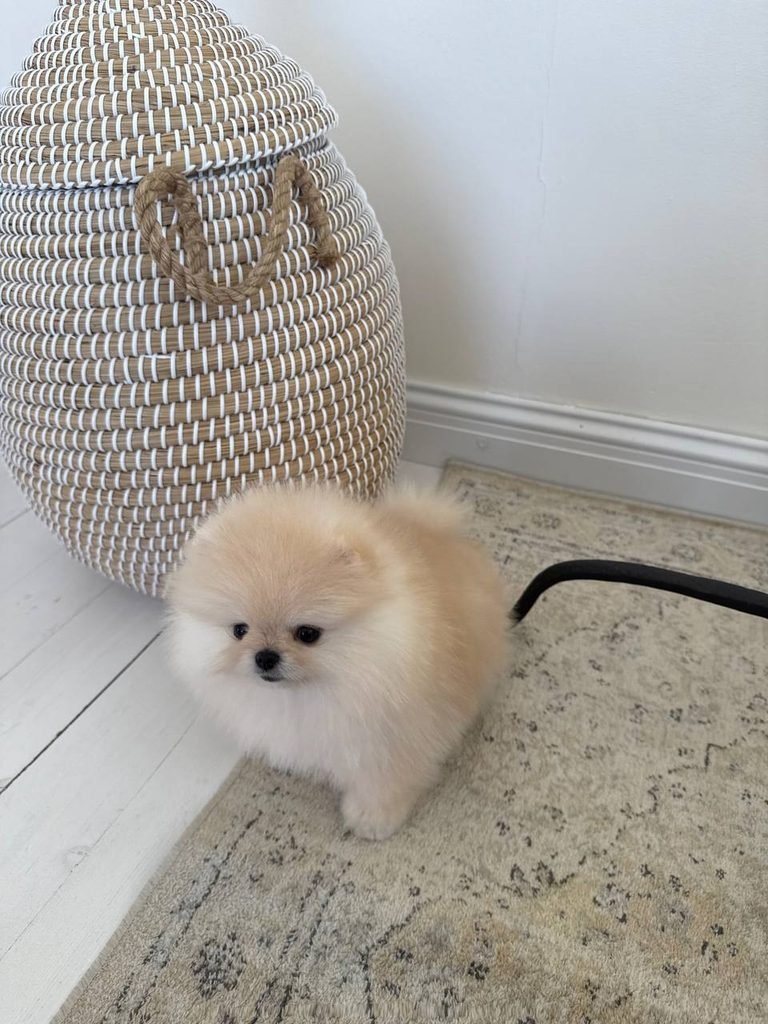
Buying a Pomeranian puppy is an exciting experience, but finding a trustworthy breeder is one of the most important steps you can take before bringing your new companion home. A responsible breeder prioritizes the puppies’ health, temperament, welfare, and long-term future rather than simply trying to complete a sale.https://pomeranianblisspuppies.com/puppies/
Learning how to verify a Pomeranian breeder can help you avoid puppy scams, misleading advertisements, incomplete health records, and irresponsible breeding practices. It also gives you a better chance of finding a healthy, well-socialized puppy whose needs match your lifestyle.
Before paying a deposit or agreeing to collect a puppy, take time to investigate the breeder, review the available documents, ask detailed questions, and observe how the dogs are raised. This guide explains the steps you can follow to make a more informed decision.https://pomeranianblisspuppies.com/puppies/
Why You Should Verify a Pomeranian Breeder
Not every person advertising Pomeranian puppies has the same experience, standards, or approach to animal welfare. Some breeders carefully plan their litters, arrange veterinary care, and screen prospective owners. Others may provide little information about the puppies’ backgrounds or use misleading claims to attract buyers.
Knowing how to verify a Pomeranian breeder helps you assess whether the person selling the puppy is transparent and prepared to answer reasonable questions.https://pomeranianblisspuppies.com/puppies/
Verification can help you:
- Review the puppy’s veterinary and vaccination records.
- Learn about the health history of both parents.
- Check whether the breeder’s identity and contact information are consistent.
- Understand the puppy’s living conditions and early socialization.
- Review the purchase contract and health guarantee.
- Identify suspicious payment requests and online scams.
- Find out whether the breeder will offer support after the sale.
Remember that no single document, website, registration certificate, or positive review proves that a breeder is responsible. Consider the complete picture before making your decision.
1. Research the Breeder’s Name and Background
The first step in learning how to verify a Pomeranian breeder is to research their name, kennel name, website, phone number, and public business information.
Start by searching for the breeder’s name alongside terms such as “reviews,” “complaints,” “scam,” and “Pomeranian puppies.” Look for consistent information across different sources rather than relying entirely on testimonials displayed on the breeder’s own website.
Pay attention to the following details:
- Does the breeder provide a consistent name and reliable contact information?
- Are the website, social media profiles, and advertisements consistent?
- Can the breeder explain where the puppies are raised?
- Are previous buyers willing to discuss their experiences?
- Does the breeder respond clearly to questions about health, care, and contracts?
- Are there credible reports of unresolved complaints or suspicious behavior?
A new breeder is not automatically dishonest, and an established website does not automatically make someone trustworthy. Evaluate the evidence rather than judging a breeder solely by how long they have been advertising.
You can also contact a recognized Pomeranian breed club or breeder referral service for guidance on finding breeders who follow responsible practices.
2. Ask to Meet the Breeder and See the Puppies
Whenever possible, arrange an in-person visit before making a purchase. Meeting the breeder and seeing the puppies gives you an opportunity to observe their environment and ask questions directly.https://pomeranianblisspuppies.com/puppies/
If an in-person visit is not possible, request a live video call that allows you to see the actual puppy, its surroundings, and the mother when available. A live call can help establish that the puppy exists, although it does not replace a proper inspection or independent verification.
During your visit, look for:
- Clean and reasonably maintained living areas.
- Puppies that appear alert, comfortable, and appropriately cared for.
- Access to clean water and suitable food.
- Safe resting areas and age-appropriate opportunities for play.
- Evidence of regular human interaction and early socialization.
- A breeder who handles the puppies gently and knows their individual personalities.
Do not expect every puppy to be running around constantly. Young puppies need plenty of sleep, and individual energy levels vary. Instead, look for the overall condition of the litter and ask a veterinarian about any health concerns.
A breeder who refuses every reasonable opportunity to show the puppy or explain its living conditions deserves additional scrutiny.
3. Confirm the Puppy Is With Its Mother When Appropriate
One useful way to verify a Pomeranian breeder is to ask to see the puppy’s mother, also known as the dam. Observing the mother can provide information about her general condition, temperament, and the environment in which the puppies are being raised.
Ask the breeder:
- What is the mother’s name, age, and health history?
- Can I see her with the puppies?
- What is her usual temperament around people?
- Has she received appropriate veterinary care?
- What health screening has been completed before breeding?
The father, or sire, may live elsewhere because breeders sometimes arrange matings with dogs owned by other people. Therefore, it is not necessarily suspicious if the sire is not physically present. Ask for his identity, available health information, and relevant documentation instead.https://pomeranianblisspuppies.com/puppies/
If the breeder says the mother cannot be shown, ask for a clear explanation and seek independent verification. A photograph alone is not strong proof that the advertised puppy came from the claimed litter.
4. Check Veterinary Records and Vaccination History
Veterinary records are an important part of the process. A responsible breeder should be willing to explain the puppy’s health history and provide the documentation available for that particular puppy.
When learning how to verify a Pomeranian breeder, request records covering:
- Veterinary examinations and the dates they occurred.
- Vaccinations administered, including dates and product details when recorded.
- Deworming treatments and dates.
- Any illnesses, injuries, or medications.
- Microchip details, if the puppy has been microchipped.
- Weight and growth information, where available.
- Recommendations for follow-up veterinary appointments.
Check that the records identify the puppy correctly and that the dates make sense for its age. If information is missing, ask the breeder to explain why and consult your veterinarian before proceeding.
Vaccination and deworming schedules vary depending on age, previous treatment, local disease risks, and veterinary guidance. Do not assume that one vaccination certificate means a puppy has completed every vaccine it will need.
Arrange an examination with your own veterinarian after bringing the puppy home. A breeder’s health records are useful evidence, but they cannot guarantee that a puppy has no medical problems.
5. Ask About Health Testing for the Parents
Pomeranians can be affected by inherited or breed-associated health concerns. Responsible breeders should understand relevant risks and explain what screening they have undertaken to make informed breeding decisions.
Ask for details of health evaluations performed on both parents. Depending on the dogs and the veterinary recommendations for the breed, relevant concerns may include patellar luxation, eye conditions, cardiac issues, and dental health.
Request copies of available test results or the details needed to verify them through the relevant veterinary professional or testing organization.
Useful questions include:
- Have both parents undergone appropriate health screening?
- Which conditions were assessed?
- Can I review the results rather than relying on a verbal assurance?
- Have any related dogs experienced significant inherited health problems?
- What steps does the breeder take to reduce known risks?
A breeder should be able to discuss both the strengths and limitations of the available tests. Even careful health screening cannot guarantee that a puppy will never develop a health condition.
Be cautious of anyone who claims their puppies are guaranteed to be completely free of all genetic or medical problems.
6. Verify Registration and Pedigree Documents
If you are buying a registered purebred Pomeranian, ask what registration or pedigree documents are available and what they establish.
In the United States, for example, the American Kennel Club provides registration services and educational resources for prospective puppy buyers. Other countries may have different recognized kennel organizations.
Ask the breeder to clarify:
- Whether the puppy’s parents are registered.
- Whether the litter has been registered or is eligible for registration.
- Which organization will issue the paperwork.
- Whether the puppy is being sold with registration rights or under specific registration conditions.
- When the paperwork will be provided.
Verify documents with the issuing organization when possible. Check names, dates, registration details, and other identifying information for consistency.
Keep in mind that registration papers primarily relate to pedigree and registration eligibility. Registration by itself does not prove that a puppy is healthy or that its breeder follows responsible practices. You should still review the health records, living conditions, and purchase agreement.
7. Read the Purchase Contract Carefully
A written contract helps both parties understand the terms of the sale. Before paying a deposit, ask for a copy and read it thoroughly.
A useful Pomeranian puppy purchase agreement may identify:
- The breeder and buyer.
- The puppy’s date of birth, sex, color, and identifying details.
- The agreed purchase price and payment terms.
- Documents that will accompany the puppy.
- Any health guarantee and its exact conditions.
- The process for addressing a health concern discovered after purchase.
- Spay or neuter conditions, if applicable.
- Return or rehoming responsibilities.
- The breeder’s contact details and after-sale support arrangements.
Pay close attention to the health guarantee. Find out what it covers, how long it lasts, which veterinary documents are required, and what remedies are available if its conditions are met.
Do not rely on verbal promises that contradict the written agreement. Ask for clarification or professional legal advice if a clause is confusing or appears unfair.
A breeder who refuses to provide clear written terms before payment may not be a suitable choice.
8. Check Reviews and Speak With Previous Buyers
Reviews can provide useful background when deciding how to verify a Pomeranian breeder, but they should not be your only source of evidence.
Look for feedback on independent platforms and check whether the reviews describe specific experiences rather than offering only vague praise. Where possible, ask the breeder whether a previous buyer is willing to discuss their experience.
Consider asking previous customers:
- Were the puppy’s records provided as promised?
- Did the breeder answer questions before and after the sale?
- Was the puppy’s age and background represented accurately?
- Were the contract and payment terms clear?
- Did the breeder offer reasonable guidance after the puppy went home?
Be cautious if all reviews appear at the same time, use nearly identical wording, or cannot be independently corroborated. Also, a lack of online reviews does not automatically mean a breeder is dishonest, especially if they are new or operate on a small scale.
Use reviews as one part of a broader verification process.
9. Understand How the Breeder Handles Deposits and Payments
A deposit may be part of a legitimate puppy purchase, but you should understand the terms before sending money.
Ask for written confirmation of the total price, the deposit amount, whether it is refundable, the expected collection date, and any additional charges. Make sure the person receiving the payment matches the identity of the breeder or the business named in the agreement.
Warning signs include:
- Pressure to pay immediately before you can ask questions.
- Requests for payment through irreversible methods without adequate verification.
- Changing explanations about the puppy’s location.
- Repeated unexpected charges for shipping, insurance, permits, or special crates.
- Refusal to provide a contract or receipt.
- Requests for more money after each payment without clear documentation.
Scammers may copy photographs from genuine breeders or build professional-looking websites. Reverse-searching puppy photographs and independently checking the breeder’s identity can help identify inconsistencies.
Never assume that a puppy is real simply because someone has sent photographs, videos, identification documents, or a tracking number. Verify the details independently before paying.
For additional guidance, consult the Federal Trade Commission’s advice on avoiding pet scams.
10. Ask Whether the Breeder Screens Potential Owners
A responsible breeder should also want to know whether you can provide a suitable home.
Expect questions about your daily schedule, household, previous pet experience, training plans, and ability to afford veterinary care. The breeder should explain the breed’s needs honestly rather than suggesting that every Pomeranian will suit every home.
A good breeder will discuss the breed’s small size, grooming needs, exercise, training, and potential health concerns. They should also explain how they introduce puppies to everyday sights, sounds, people, and appropriate handling.
Pomeranians are small dogs, but they still require consistent training, supervision, veterinary care, and enrichment. Puppies are particularly vulnerable to accidental injuries, so families with young children need clear guidance about gentle handling and safe interactions.
Be cautious if a breeder asks no questions about the home and seems interested only in collecting payment.
11. Confirm the Puppy Is Old Enough to Leave
Ask for the puppy’s exact date of birth and confirm its age before agreeing to collection or delivery.
In the United States, responsible breeders generally keep puppies with their mother and littermates until at least eight weeks of age, and some toy-breed breeders may keep puppies longer when appropriate. Applicable rules can vary by location.
A Pomeranian puppy should be developmentally ready for the transition and should have a plan for ongoing veterinary care, feeding, socialization, and adjustment to its new home.
Do not accept pressure to take home a puppy that is too young simply because the seller says it is ready or because you have already paid a deposit.
Ask what food the puppy currently eats, how its daily routine is organized, and what instructions will be provided for the first few days at home.
12. Recognize the Warning Signs of an Untrustworthy Breeder
When learning how to verify a Pomeranian breeder, it is just as important to know when to walk away.
Be especially cautious if the seller:
- Refuses reasonable questions about the puppy’s history.
- Will not provide available veterinary records.
- Cannot explain the identity or background of the puppy’s parents.
- Offers to sell puppies that appear unwell or are kept in poor conditions.
- Uses copied photographs or inconsistent names and contact information.
- Pressures you to pay before you can verify the puppy.
- Makes unrealistic promises about health, adult size, or temperament.
- Claims registration guarantees perfect health.
- Refuses to provide written purchase terms.
- Offers several different breeds and litters without being able to explain how they are raised and cared for.
One concern does not always establish fraud, but several warning signs together should make you pause. You are not obligated to complete a purchase just because you have spent time communicating with the breeder.
If something feels wrong, stop the transaction, keep copies of relevant messages, and investigate other options.
13. Use This Pomeranian Breeder Verification Checklist
Before committing to a puppy, review the following checklist.
- I researched the breeder’s name and contact details.
- I checked independent reviews and available references.
- I met the breeder or arranged a meaningful live video visit.
- I saw the puppy and its living environment.
- I asked to see the mother when appropriate.
- I reviewed the puppy’s available veterinary records.
- I asked about health screening for both parents.
- I verified registration or pedigree claims where applicable.
- I received and reviewed a written purchase contract.
- I understand the deposit, refund, and payment terms.
- I confirmed the puppy’s date of birth and expected collection date.
- I have a plan for an independent veterinary examination.
- I know whom to contact if I have questions after bringing the puppy home.
If important items remain unchecked, take the time to obtain answers before making a decision.
Frequently Asked Questions About Verifying a Pomeranian Breeder
How can I tell if a Pomeranian breeder is legitimate?
Research the breeder’s identity, ask for veterinary and parent health records, meet the breeder and puppy when possible, review a written contract, and independently verify important claims. No single website listing or certificate is enough to establish that a breeder is trustworthy.
Does AKC registration prove that a Pomeranian breeder is trustworthy?
No. Registration can provide information about pedigree and registration eligibility, but it does not independently guarantee a puppy’s health, the breeder’s business practices, or the conditions in which the puppy was raised. Review other evidence before buying.
Should I pay a deposit before meeting a Pomeranian puppy?
Avoid rushing into payment. First verify the seller’s identity, the puppy’s existence and background, the payment terms, and the written agreement. If you cannot visit in person, use live video and independent checks before considering a deposit.
What health records should a Pomeranian breeder provide?
Ask for available veterinary examination records, vaccination and deworming history, medication information, and relevant health screening details for the parents. Your veterinarian can help identify missing information and recommend the next steps.
Is a breeder suspicious if the puppy’s father is not present?
Not necessarily. The father may belong to another breeder or live elsewhere. Ask for his identity and available health information, and request documentation to support the breeder’s claims.
What should I do if I suspect a Pomeranian puppy scam?
Do not send additional money. Save messages, advertisements, payment receipts, and other evidence. Report suspected fraud to the relevant consumer protection or law-enforcement authority in your jurisdiction and contact your payment provider to ask whether any recovery options are available.
Final Thoughts: How to Verify a Pomeranian Breeder Before Buying
Knowing how to verify a Pomeranian breeder helps you make a more careful decision and protects you from preventable risks. Take time to research the breeder, observe the puppy’s environment, examine health records, verify registration claims, and understand the written contract before committing.
A responsible breeder should be willing to answer reasonable questions, discuss health concerns honestly, and help you prepare for life with your new puppy. They should care about the puppy’s future, not simply about completing a transaction.
Do not let urgency, attractive photographs, or a low price push you into a decision before you have checked the facts. By following these steps, you can make a more informed choice and prepare to welcome a Pomeranian puppy into a safe, caring home.https://pomeranianblisspuppies.com/puppies/