October 11, 2026
How to Train a Pomeranian Puppy – Essential Training Tips for Beginners
How to Train a Pomeranian Puppy: A Complete Beginner’s Guide
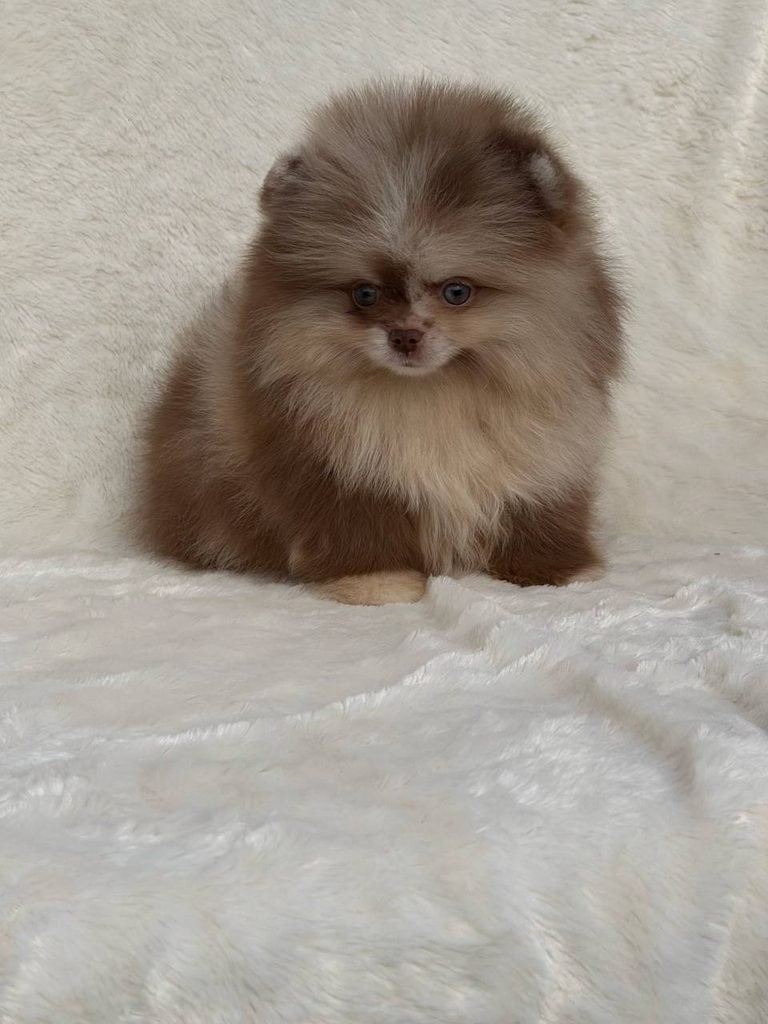
Learning how to train a Pomeranian puppy is an important part of raising a happy, confident, and well-behaved companion. Pomeranians are small, intelligent dogs with lively personalities. They often enjoy learning new things, spending time with their owners, and participating in daily family activities.https://pomeranianblisspuppies.com/care-guide/
However, their small size does not mean they need less training than larger dogs. Pomeranian puppies need clear rules, regular practice, early socialization, and plenty of positive reinforcement to develop good habits.
Whether you have just brought home your first puppy or want to improve your dog’s behavior, this guide explains how to train a Pomeranian puppy step by step. You will learn how to teach basic commands, encourage good manners, improve potty training, manage barking, reduce biting, and build a consistent daily routine.https://pomeranianblisspuppies.com/care-guide/
Why Is Training a Pomeranian Puppy Important?
Training helps your Pomeranian understand what you expect and how to behave in different situations. It also strengthens the relationship between you and your puppy by encouraging communication, trust, and cooperation.
Pomeranians are naturally alert and may bark when they hear unfamiliar sounds or notice people approaching. Without appropriate guidance, some puppies may develop habits such as excessive barking, jumping, pulling on the leash, or demanding attention.
Learning how to train a Pomeranian puppy early can help you:
- Establish good household manners.
- Make potty training easier.
- Teach basic obedience commands.
- Reduce unwanted barking and jumping.
- Encourage safe interactions with people and other dogs.
- Improve confidence in unfamiliar environments.
- Build a stronger bond with your puppy.
Training should be a positive experience. Rewarding good behavior and setting your puppy up for success generally works better than shouting, intimidation, or physical punishment.https://pomeranianblisspuppies.com/care-guide/
When Should You Start Training a Pomeranian Puppy?
You can begin basic training as soon as your Pomeranian puppy comes home, usually at around eight weeks of age, depending on the puppy’s circumstances and veterinary guidance.
Early lessons should be simple. You can teach your puppy to respond to its name, follow you, accept gentle handling, use a designated potty area, and settle calmly in a safe resting space.
Keep sessions short, often just three to five minutes for a young puppy. Several brief sessions throughout the day are usually more manageable than one long lesson.https://pomeranianblisspuppies.com/care-guide/
As your puppy matures, gradually introduce additional commands and practice them in different environments. Always consider your puppy’s attention span, energy level, and comfort.
Step 1: Build Trust Before Teaching Commands
Before expecting your Pomeranian to follow instructions, help it feel safe with you and its new surroundings.
Give your puppy time to explore a puppy-proofed area of your home. Establish a predictable schedule for meals, potty breaks, play, and sleep. Use a gentle voice and reward your puppy when it approaches you voluntarily.
Handle your puppy carefully and gradually introduce routine activities such as brushing, checking its paws, examining its ears, and touching its collar. Pair these experiences with praise or small treats.
Never force prolonged handling if your puppy is frightened. Make each experience brief and comfortable, and allow your puppy to take breaks.
A trusting relationship creates a strong foundation for learning how to train a Pomeranian puppy successfully.
Step 2: Teach Your Pomeranian Puppy Its Name
Name recognition is one of the easiest and most useful first lessons.
Follow these steps:
- Choose one name and use it consistently.
- Say the name once in a friendly voice when your puppy is nearby.
- Reward your puppy as soon as it looks toward you.
- Repeat in short sessions throughout the day.
- Gradually practice when mild distractions are present.
Avoid repeatedly calling your puppy’s name when it is unlikely to respond. You want the name to become a positive signal that paying attention to you is worthwhile.
Never use the puppy’s name primarily when scolding it. You want your dog to associate its name with good things and communication.
Step 3: Teach Basic Commands
Basic commands help you guide your Pomeranian safely at home and in public. Begin with one command at a time and reward correct responses immediately.
Teach “Sit”
Hold a small treat near your puppy’s nose and slowly move it upward and slightly back toward its head. As your puppy follows the treat, its bottom may naturally lower.
The moment it sits, say “sit,” then praise and reward it. If your puppy jumps or becomes frustrated, reset and try again without pushing its body into position.
Practice several repetitions, then take a break.
Teach “Come”
Start in a quiet room with very little distraction. Crouch down, say your puppy’s name followed by “come,” and encourage it toward you with a cheerful voice.
When it reaches you, offer praise and a treat. Gradually increase the distance as your puppy becomes more reliable.
Practice with a long training line in a safe, enclosed area when appropriate. Do not allow your puppy to run off-leash in an unsecured public space.
Teach “Stay”
Ask your puppy to sit. Show a gentle hand signal and say “stay.” Pause for a second, then reward your puppy if it remains in position.
Gradually increase the duration before increasing the distance. If your puppy gets up, simply reset and make the next attempt easier.
Teach “Leave It”
Place a treat in a closed hand and let your puppy investigate. Wait until it stops sniffing or pawing at your hand, then reward it with a different treat from your other hand.
Gradually introduce the cue “leave it” before presenting the closed hand. Practice with safe objects under supervision.
This command can help you redirect your puppy away from unsuitable items, but it does not replace careful puppy-proofing.
Teach “Drop It”
Offer your puppy a safe toy. Present a treat near its nose and reward it when it releases the toy voluntarily. Add the words “drop it” as your puppy begins to understand the action.
Whenever possible, return the toy or offer another appropriate toy so your puppy learns that releasing something does not always end the fun.
Step 4: Make Potty Training Part of Your Routine
Potty training is one of the most important parts of learning how to train a Pomeranian puppy. Because Pomeranians are small, young puppies may need frequent bathroom breaks.
Take your puppy to its designated potty area:
- Immediately after waking.
- After meals and drinking.
- After naps.
- After active play.
- Before going into its crate.
- Immediately after coming out of its crate.
- Before bedtime.
- Whenever it begins sniffing, circling, or acting restless.
Young puppies may need a bathroom opportunity every 30–60 minutes while awake, depending on their age and individual needs.
Reward your puppy immediately after it uses the correct spot. If an accident happens indoors, clean it thoroughly with a suitable enzymatic pet cleaner and review the schedule.
Do not punish your puppy for accidents. If accidents suddenly become frequent or are accompanied by signs of illness, consult your veterinarian.
For detailed guidance, read our related article on Pomeranian puppy potty training.
Step 5: Socialize Your Pomeranian Puppy Early
Socialization helps puppies become more comfortable with different people, sounds, surfaces, environments, and everyday experiences.
Introduce new experiences gradually and make them positive. Your Pomeranian might learn to feel comfortable with gentle visitors, household sounds, car rides, grooming equipment, and calm, friendly dogs.
Useful socialization activities include:
- Meeting calm, respectful people.
- Hearing ordinary household sounds at a comfortable volume.
- Walking on different safe surfaces.
- Practicing gentle handling.
- Seeing bicycles, cars, and other everyday sights from a safe distance.
- Visiting suitable environments without overwhelming your puppy.
- Meeting healthy, vaccinated dogs in appropriate settings.
Avoid forcing your puppy to approach people or animals when it seems frightened. Give it space, reward calm observation, and let it move away when necessary.
Ask your veterinarian about safe socialization opportunities before your puppy completes its vaccination series. Avoid high-risk areas where unknown dogs gather if your veterinarian advises against them.
Step 6: Teach Good Leash Manners
Pomeranians are small enough to be pulled or injured by unsuitable collars and poorly managed leashes. Start leash training indoors or in a quiet, safe area.
Introduce a properly fitted harness and allow your puppy to become comfortable wearing it. Reward your puppy for walking beside you with a loose leash.
If your puppy pulls, stop moving and wait for the leash to loosen before continuing. You can also change direction gently to encourage your puppy to pay attention to you.
Keep walks appropriate for your puppy’s age and health. Avoid jerking the leash or dragging your puppy forward.
Practice in low-distraction areas before moving to busier environments. Short, positive sessions help build confidence and better walking habits.
Step 7: Manage Barking and Teach Quiet Behavior
Pomeranians are alert dogs, and barking can be a natural response to noises, visitors, or unfamiliar activity. The goal is not necessarily to eliminate every bark but to teach your puppy when to settle.
First, identify why your puppy is barking. It may be excited, frightened, bored, seeking attention, or reacting to something outside.
Try these strategies:
- Reward calm behavior before barking starts.
- Reduce exposure to triggers that overwhelm your puppy.
- Close curtains if outdoor movement causes repeated barking.
- Provide suitable play, exercise, and mental enrichment.
- Teach a calm cue such as “quiet” when your puppy is able to settle.
- Reward your puppy when it pauses barking and turns its attention to you.
Avoid yelling over your puppy. Your dog may interpret the raised voice as more excitement, and punishment can increase fear.
If barking is persistent or linked to separation distress, consult a qualified positive-reinforcement trainer or veterinarian.
Step 8: Stop Biting and Encourage Gentle Play
Puppies explore with their mouths, and teething can increase chewing and mouthing. Your Pomeranian needs to learn which items are appropriate to bite.
Keep suitable puppy toys nearby. If your puppy mouths your fingers, calmly redirect it to a toy.
If biting continues during play, pause the interaction briefly and give your puppy a chance to settle. Resume when it is calmer.
Avoid hitting, pinning, holding the mouth shut, or frightening your puppy. These methods can damage trust and may make some dogs more defensive.
Provide age-appropriate chewing options and enough rest. An overtired puppy may become more excitable and bite more frequently.
If biting is intense, escalating, or accompanied by stiff body language, guarding, or repeated attempts to injure, seek advice from a veterinarian or qualified behavior professional.
Step 9: Use Positive Reinforcement Every Day
Positive reinforcement means rewarding a behavior you want to see again. Rewards can include small treats, praise, toys, play, or access to something your puppy enjoys.
For example, reward your Pomeranian when it:
- Comes when called.
- Sits calmly before a meal.
- Uses the correct potty area.
- Walks with a loose leash.
- Settles quietly in its crate.
- Allows gentle grooming.
- Greets a visitor without jumping.
Reward the behavior immediately so your puppy can make the connection.
Keep training treats small and account for them within your puppy’s overall food intake. If your puppy has a sensitive stomach or dietary restrictions, ask your veterinarian which rewards are suitable.
Consistency matters. Everyone in the household should use similar cues and rules so your puppy is not expected to follow different instructions from different people.
Step 10: Create a Daily Pomeranian Puppy Training Schedule
A daily routine helps your puppy learn what to expect while giving you regular opportunities to practice good behavior.
| Time | Suggested activity |
|---|---|
| 7:00 AM | Wake up and potty break |
| 7:15 AM | Breakfast |
| 7:30 AM | Potty break and name-recognition practice |
| 8:00 AM | Supervised play and gentle socialization |
| 8:30 AM | Rest or crate time if comfortable |
| 10:00 AM | Potty break and short command practice |
| 10:30 AM | Play with suitable toys |
| 11:00 AM | Nap or quiet time |
| 12:00 PM | Lunch if appropriate for the puppy’s feeding plan |
| 12:15 PM | Potty break |
| 1:00 PM | Rest and supervised independent activity |
| 3:00 PM | Potty break and short training session |
| 4:00 PM | Play, handling practice, or enrichment |
| 5:30 PM | Dinner according to your feeding routine |
| 5:45 PM | Potty break |
| 7:00 PM | Family time and calm play |
| 8:30 PM | Gentle activity and settling practice |
| Before bed | Final potty break and bedtime routine |
This schedule is a flexible example, not a strict timetable. Young puppies need frequent bathroom breaks and substantial sleep throughout the day. Adjust meal times, activity, and rest to your puppy’s age and individual needs.
Keep formal training sessions short. You can also reinforce good behavior naturally throughout the day by rewarding calm greetings, gentle handling, and checking in with you.
Step 11: Teach Your Pomeranian Puppy to Be Comfortable Alone
Pomeranians often enjoy being close to their owners, so it is helpful to teach calm independence from an early age.
Begin by giving your puppy a safe resting area with suitable toys. Reward it for relaxing while you remain nearby.
Gradually practice stepping away for a few seconds, returning calmly, and increasing the distance or duration only when your puppy remains comfortable.
Avoid suddenly leaving a young puppy alone for long periods. Arrange appropriate care, feeding, potty breaks, and companionship when you need to be away.
If your puppy shows intense distress when separated, such as frantic escape attempts, excessive drooling, or persistent panic, seek professional guidance rather than forcing longer periods alone.
Common Training Mistakes to Avoid
Even well-meaning owners can make mistakes that slow their puppy’s progress.
Training for Too Long
Young puppies have short attention spans. Several short sessions are generally more useful than a long lesson that leaves your puppy frustrated.
Expecting Immediate Results
Your puppy may learn a command at home but struggle to respond around visitors or outside. Practice the same skill in gradually more distracting environments.
Using Physical Punishment
Hitting, shouting, or intimidating a puppy can create fear and undermine trust. Focus on rewarding desirable behavior and preventing repeated mistakes.
Being Inconsistent
If one person allows jumping while another discourages it, your puppy may struggle to understand the rule. Agree on household expectations and use the same cues.
Ignoring Exercise and Mental Stimulation
Pomeranians need suitable opportunities to move, explore, sniff, play, and learn. A puppy that lacks appropriate enrichment may have more difficulty settling.
Forgetting That Puppies Need Sleep
Overtired puppies can become restless, mouthy, and less responsive to training. Build regular naps and quiet periods into the day.
How Long Does It Take to Train a Pomeranian Puppy?
There is no fixed timeline for training a Pomeranian. Your puppy may learn some basic cues within days or weeks, while reliable behavior in different situations takes longer.
Potty training, recall, leash manners, and comfortable social behavior develop at different rates. Progress depends on age, temperament, prior experiences, consistency, and the environment.
Focus on steady improvement instead of expecting perfection. Reward small successes, make difficult lessons easier, and repeat skills in short sessions.
If your puppy struggles with a particular command, break it into smaller steps. For example, before expecting a reliable “come” across a yard, reward your puppy for responding from a short distance in a quiet room.
Frequently Asked Questions
Are Pomeranian puppies easy to train?
Pomeranians are intelligent and can learn many skills, but individual temperaments vary. Short sessions, consistent cues, positive reinforcement, and regular practice help make training easier.
What should I teach a Pomeranian puppy first?
Start with name recognition, potty training, gentle handling, recall, and simple cues such as “sit.” Also introduce safe socialization and a predictable daily routine.
How many minutes should I train my Pomeranian puppy each day?
Begin with short sessions of around three to five minutes for a young puppy, repeated when it is alert and comfortable. You can also reward desirable behavior throughout the day. Stop before your puppy becomes tired or frustrated.
How do I stop my Pomeranian puppy from barking?
Identify the reason for the barking, reduce overwhelming triggers, reward calm behavior, and teach your puppy to redirect its attention. Avoid shouting or punishment, which may increase excitement or fear.
How do I stop my Pomeranian puppy from biting?
Redirect mouthing to appropriate toys, pause play briefly if biting continues, and provide suitable chewing options and adequate rest. Seek professional advice if biting is intense or concerning.
Can I train a Pomeranian puppy at home?
Yes. You can teach many foundation skills at home using short lessons, rewards, supervision, and a consistent routine. A qualified trainer can provide additional help with socialization, leash manners, or persistent behavior challenges.
Should I take my Pomeranian puppy to obedience classes?
A well-run puppy class can provide structured training and opportunities to learn around controlled distractions. Choose a trainer who uses humane, reward-based methods and follows appropriate vaccination and hygiene requirements.
Final Thoughts on How to Train a Pomeranian Puppy
Learning how to train a Pomeranian puppy takes patience, repetition, and a clear understanding of your puppy’s needs. Begin with trust and basic routines, then introduce commands, potty training, socialization, leash manners, and calm behavior in manageable steps.
Reward good choices, keep training sessions short, and make sure your puppy receives enough sleep, play, and attention. Avoid punishment and give your Pomeranian time to practice each skill before expecting it to work reliably in challenging situations.
With consistent positive training, your Pomeranian can develop good manners, grow in confidence, and become a loving, well-adjusted member of your family.https://pomeranianblisspuppies.com/care-guide/