October 16, 2026
How to Choose a Healthy Pomeranian Puppy – A Complete Buyer’s Guide
How to Choose a Healthy Pomeranian Puppy: A Complete Buyer’s Guide
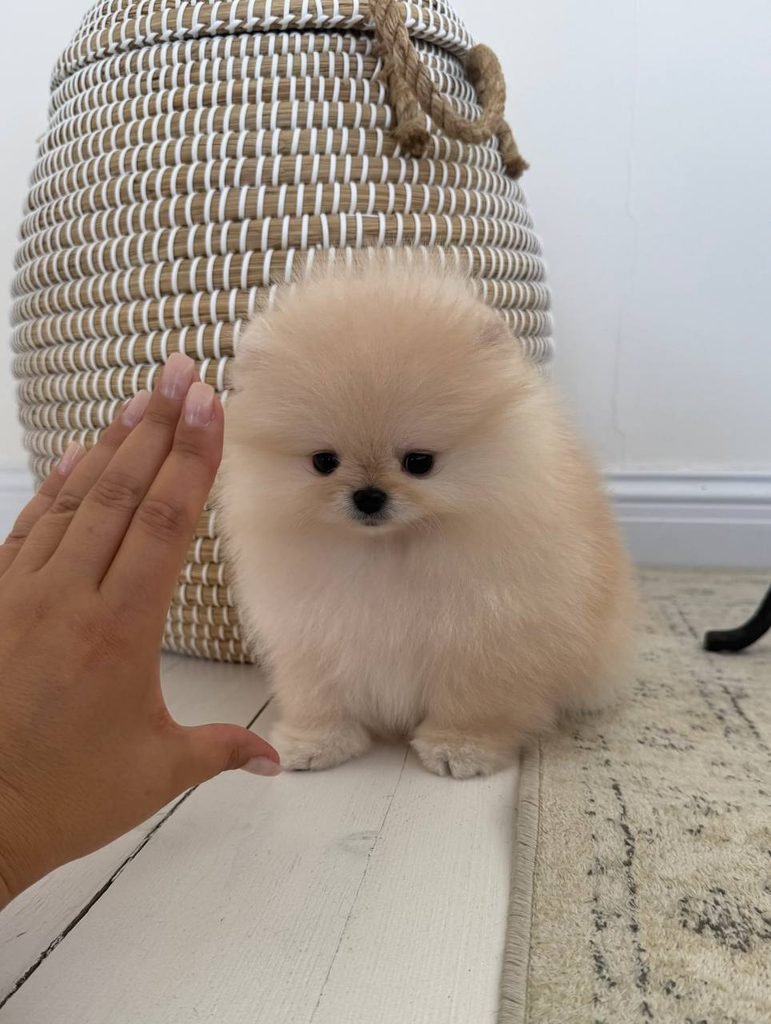
Choosing a new puppy is an exciting experience, especially when you are looking for a beautiful, fluffy Pomeranian to become part of your family. However, selecting the right puppy involves more than coat color, size, or appearance. You need to consider the puppy’s health, temperament, medical history, breeder, and early living conditions.https://pomeranianblisspuppies.com/health/
Knowing how to choose a healthy Pomeranian puppy can help you make a more informed decision and prepare for responsible ownership. Although no puppy can be guaranteed to remain free from illness, checking the available health information and arranging a veterinary examination can reduce uncertainty.
In this guide, you will learn how to evaluate a Pomeranian puppy, which veterinary records to request, what questions to ask the breeder, and which warning signs should make you pause before buying.https://pomeranianblisspuppies.com/health/
1. Observe the Puppy’s General Appearance
The first step in learning how to choose a healthy Pomeranian puppy is to observe its overall condition. Look at the puppy carefully, preferably in a calm environment where you can see it standing, walking, resting, and interacting naturally.
Consider the following signs:
- Eyes: They should generally appear clear, without significant redness, cloudiness, or unusual discharge.
- Ears: Look for obvious irritation, unusual discharge, or a strong odor.
- Nose and breathing: Watch for labored breathing or persistent abnormal discharge.
- Skin and coat: Check for irritated skin, visible parasites, bald patches, or excessive scratching.
- Movement: Observe whether the puppy walks comfortably without obvious limping or difficulty standing.
- Rear area: Excessive staining or persistent diarrhea should be discussed with a veterinarian.
- General alertness: Notice whether the puppy responds to its surroundings in a way that is appropriate for its age.
- Body condition: The puppy should not appear severely underweight, weak, or unusually swollen.
These observations are useful, but they cannot diagnose a health condition. A puppy may appear healthy and still have an underlying medical or inherited problem.https://pomeranianblisspuppies.com/health/
If you notice concerning signs, ask the breeder for an explanation and arrange an independent veterinary assessment before completing the purchase whenever possible.https://pomeranianblisspuppies.com/health/
2. Check the Puppy’s Energy and Behavior
A puppy’s behavior can provide clues about its general well-being and developing temperament. Pomeranians are typically lively, alert, and curious, although individual puppies can differ in confidence and activity level.
When evaluating a puppy, observe how it responds to people, ordinary household sounds, toys, and its surroundings.
A puppy may show:
- Curiosity about unfamiliar objects.
- Interest in gentle interaction.
- Playfulness appropriate for its age.
- Comfortable movement during play.
- Periods of rest between activities.
- The ability to settle after excitement.
Do not automatically reject a puppy because it is quieter than its littermates. Young puppies may be tired, cautious, or temporarily unsettled by an unfamiliar environment.
Instead, ask the breeder how the puppy usually behaves during feeding, playtime, handling, and interactions with familiar people. This information can help you understand its personality more accurately.
Avoid choosing only the most energetic puppy. A suitable temperament is one that matches your household, experience, and lifestyle.
3. Review the Puppy’s Veterinary Records
One of the most important steps in learning how to choose a healthy Pomeranian puppy is reviewing its medical history.
Ask the breeder for copies of available veterinary records and check that the information relates to the puppy you are considering.
The records may include:
- Veterinary examination reports.
- Vaccination dates and vaccine details.
- Deworming and parasite prevention history.
- Medication information, if applicable.
- Previous illness or treatment notes.
- Microchip details, if the puppy has been microchipped.
- Recommendations for follow-up appointments.
Ask which vaccinations have been administered and when the next dose may be due. Puppies often require a series of vaccinations, so one recorded dose does not necessarily mean the puppy has completed its vaccination course.
If records are incomplete, ask the breeder to explain why. Your veterinarian can assess the available information and recommend an appropriate healthcare plan.
A responsible seller should be willing to discuss the puppy’s documented medical history rather than relying only on verbal assurances.
4. Choose a Responsible Pomeranian Breeder
A responsible breeder should prioritize the dogs’ welfare, health, and appropriate early development. The breeder should also be able to answer reasonable questions about the puppy and provide the available documentation.
Before buying, find out how the puppies are raised and how their daily needs are met.
Look for a breeder who:
- Provides accurate information about the puppy’s age and background.
- Shares available veterinary records.
- Explains vaccination and parasite treatment history.
- Discusses health concerns within the family line.
- Allows reasonable opportunities to view or verify the puppy.
- Explains the puppy’s feeding routine and current care.
- Provides a written purchase agreement.
- Gives you time to make an informed decision.
- Is willing to answer questions after the sale.
If possible, meet the puppy’s mother and observe her general condition and behavior. If the father is not available, ask for information about his health and temperament.
Be cautious if the breeder refuses to answer basic questions, pressures you to pay immediately, or makes unrealistic claims about the puppy’s future size or health.
You can read the American Kennel Club’s guide to finding a responsible breeder for additional guidance.
5. Ask About Pomeranian Health Conditions
Pomeranians can be affected by certain health problems, and it is sensible to ask breeders about the health history of the puppy and its parents.
Potential concerns to discuss with a veterinarian include:
Patellar Luxation
Patellar luxation occurs when the kneecap moves out of its normal position. It can affect movement and may range in severity.
Ask whether the parents have undergone relevant orthopedic examinations or screening and whether the breeder knows of any history of kneecap problems in the family.
Dental Problems
Small dogs can be prone to dental crowding and other oral health concerns. Ask the breeder about the puppy’s dental development and discuss preventive dental care with your veterinarian.
Eye Conditions
Ask whether there is a family history of eye problems and whether relevant veterinary examinations or health testing have been completed.
Tracheal and Respiratory Concerns
Some small dogs experience airway problems, including tracheal disorders. Ask about any history of persistent coughing, breathing difficulties, or related diagnoses in the puppy or its parents.
Other Inherited or Developmental Concerns
A breeder should be willing to explain which health issues they consider when selecting breeding dogs and what screening they perform.
Health testing can provide valuable information, but it cannot eliminate every possible risk. Request available results and ask your veterinarian which tests are relevant for the puppy and its family history.
6. Check the Puppy’s Age and Development
A puppy’s age is important when evaluating its readiness to leave the breeder.
Ask for the date of birth and verify that the puppy is old enough to leave its mother under applicable laws and responsible breeding guidance. In many places, eight weeks is a commonly used minimum, although local requirements and individual circumstances may differ.
The puppy should also be developing the ability to eat appropriately for its age and should have a suitable care plan.
Before bringing the puppy home, ask:
- What food is it currently eating?
- How often is it fed?
- Is it eating independently?
- Has it received veterinary care appropriate for its age?
- What socialization experiences has it had?
- Are any follow-up appointments needed?
Pomeranians are a toy breed, and very small puppies can be particularly vulnerable to problems such as low blood sugar. Ask your veterinarian about feeding frequency, warning signs, and special precautions for your individual puppy.
Avoid choosing a puppy solely because the seller describes it as a “teacup” or exceptionally tiny Pomeranian. These terms are not a separate official breed classification, and unusually small size may be associated with additional health risks.
7. Examine the Puppy’s Coat and Skin
The Pomeranian’s fluffy double coat is a distinctive feature of the breed. While coat appearance can be appealing, skin and coat health are more important than choosing a particular color or maximum fluffiness.
Look for a coat that is reasonably clean and free from obvious signs of parasites. Check for areas of hair loss, irritated skin, persistent scratching, or unusual lumps that need veterinary evaluation.
Ask the breeder about:
- The puppy’s current grooming routine.
- Any known skin or coat problems.
- Whether the puppy has been introduced to gentle brushing.
- The grooming tools they recommend.
- How the adult coat may change as the puppy grows.
Pomeranians need regular brushing to help prevent matting. Gentle handling and positive grooming experiences from an early age can make future coat care easier.
Avoid making a health judgment based on coat color alone. A beautiful coat does not guarantee that the puppy is healthy, and minor differences in appearance may be normal.
8. Observe the Puppy’s Living Environment
The environment in which a puppy is raised can provide useful information about its early care.
If you visit the breeder, observe whether the puppy has access to clean bedding, suitable water, safe space, and opportunities for age-appropriate play and rest.
Ask how the breeder introduces puppies to everyday sounds, gentle handling, and ordinary household experiences. Early socialization should be gradual and appropriate for the puppy’s age and vaccination status.
Be cautious if the environment appears unsafe, the puppies seem persistently unwell, or the seller refuses reasonable verification of the puppy’s living conditions.
If an in-person visit is not possible, ask for current, individualized video of the puppy and a live conversation with the seller. Remote verification cannot replace an independent examination, but it can help you identify inconsistencies before proceeding.
9. Understand the Puppy’s Feeding and Nutrition
Good nutrition is important for growth and development. Before buying a Pomeranian puppy, ask what it eats and how its feeding routine is managed.
Request information about:
- The current food brand and type.
- Feeding frequency.
- Approximate portion sizes.
- Any known food sensitivities.
- Changes in appetite or digestion.
- Recommendations from the breeder’s veterinarian.
Avoid making sudden food changes immediately after bringing the puppy home unless your veterinarian advises otherwise. A gradual transition is generally easier for many puppies.
Because Pomeranians are small, young puppies may need carefully managed meals. Ask your veterinarian for individualized guidance, especially if the puppy is unusually small, has a poor appetite, or has a history of digestive problems.
Seek veterinary advice promptly if a young puppy becomes weak, trembles, refuses food, or seems unusually lethargic. Do not assume these symptoms are simply normal puppy behavior.
10. Arrange an Independent Veterinary Examination
Even when a breeder provides reassuring records, arranging a veterinary examination is one of the best ways to assess a puppy’s current condition.
If possible, arrange the examination before finalizing the purchase. If that is not practical, book an appointment promptly after bringing the puppy home and follow any deadlines in the purchase agreement.
Your veterinarian may assess:
- General physical condition.
- Heart and lung sounds.
- Eyes, ears, mouth, and teeth.
- Skin and coat.
- Movement and joints.
- Growth and body condition.
- Vaccination and parasite treatment history.
- Whether additional tests or follow-up care are appropriate.
Ask the breeder in writing what happens if the examination identifies a concern and whether the agreement provides any specific remedies.
A single examination cannot predict every future health issue, but it can help identify current concerns and establish a baseline for ongoing care.
11. Watch for Warning Signs When Buying a Pomeranian
Knowing how to choose a healthy Pomeranian puppy also means knowing when to pause or walk away from a purchase.
Take extra care if:
- The seller refuses to share available medical records.
- The puppy appears very weak or has obvious untreated health concerns.
- The seller cannot verify the puppy’s age.
- You are pressured to pay immediately.
- The breeder makes unrealistic guarantees about health or adult size.
- The seller refuses reasonable questions about the parents.
- Photographs or videos appear inconsistent with the listing.
- Unexpected shipping or insurance fees appear after you pay.
- The seller refuses to provide a written agreement.
These signs do not all prove that a seller is dishonest, but they warrant further investigation. Do not send money until you have verified the seller and understand the terms of the transaction.
For general guidance on protecting yourself from online purchase scams, visit the Federal Trade Commission’s consumer advice website.
12. Prepare for the Cost of Responsible Ownership
The purchase price is only one part of owning a Pomeranian. A healthy puppy still needs routine veterinary care, nutritious food, grooming, training, and a safe home.
Budget for:
- The purchase or adoption fee.
- Veterinary examinations and vaccinations.
- Parasite prevention.
- Food and feeding supplies.
- A secure harness, leash, and identification.
- A bed, carrier, and suitable toys.
- Grooming tools and professional grooming when needed.
- Training and socialization.
- Emergency veterinary expenses.
Prices vary depending on where you live, the breeder, the puppy’s background, and what is included in the sale.
A higher price does not automatically guarantee a healthier puppy. Compare the breeder’s practices, available records, health screening, and transparency rather than relying on price alone.
Make sure you can afford ongoing care before committing to a puppy.
Healthy Pomeranian Puppy Buying Checklist
Use this checklist when comparing puppies or preparing to make a purchase.
- Confirm the puppy’s age and date of birth.
- Observe its general condition, movement, and behavior.
- Review available veterinary examination records.
- Check vaccination and parasite treatment information.
- Ask about known health issues in the puppy and its parents.
- Request relevant health screening results.
- Learn about the puppy’s feeding routine.
- Ask how the puppy has been socialized.
- Evaluate the breeder’s transparency and practices.
- Review the written purchase agreement.
- Verify the seller before sending money.
- Plan an independent veterinary examination.
- Prepare your home and budget for ongoing care.
If you cannot verify an important detail, ask for clarification before making a decision.
Frequently Asked Questions
How can I tell if a Pomeranian puppy is healthy?
Look at the puppy’s general condition, eyes, skin, coat, breathing, movement, and behavior. Review its veterinary records and arrange an independent veterinary examination. A visual check alone cannot rule out every illness or inherited condition.
What is the best age to buy a Pomeranian puppy?
The puppy should be old enough to leave its mother under local laws and responsible breeding guidance. Eight weeks is a commonly used minimum in many places, but ask your veterinarian and check the applicable requirements.
Should I buy a Pomeranian puppy without vaccination records?
It is better to understand why the records are missing before proceeding. Ask for supporting documentation and consult your veterinarian about the puppy’s medical history and appropriate next steps.
Are very small Pomeranian puppies healthier?
No. Smaller size does not automatically mean better health. Exceptionally small puppies may have additional care needs, so prioritize appropriate development, veterinary assessment, and reliable health information.
Should I meet the puppy’s parents?
Meeting the mother can help you understand the puppy’s background and observe her general condition and temperament. Ask for health information about both parents, including relevant screening results. If a parent is unavailable, request a clear explanation and supporting information.
What health problems should I ask a Pomeranian breeder about?
Ask about relevant family history and screening for concerns such as patellar luxation, dental problems, eye conditions, and airway disorders. Your veterinarian can explain which health checks are appropriate for the puppy and its parents.
Can a breeder guarantee that a Pomeranian puppy will never become sick?
No. Health guarantees may define specific contractual protections, but no breeder can guarantee that a puppy will never develop an illness. Read the written terms carefully and arrange veterinary care.
Final Thoughts on How to Choose a Healthy Pomeranian Puppy
Learning how to choose a healthy Pomeranian puppy helps you look beyond appearance and focus on the factors that matter most: health, temperament, early care, responsible breeding, and reliable documentation.
Take your time reviewing veterinary records, asking questions about the parents, observing the puppy’s behavior, and checking the seller’s practices. Arrange an independent veterinary examination and make sure you are prepared for the ongoing costs of responsible ownership.
The right puppy is not necessarily the smallest, fluffiest, or most expensive one. It is a puppy whose needs you understand and can meet, with a background you have investigated as carefully as possible.https://pomeranianblisspuppies.com/health/