October 11, 2026
How Often Should You Groom a Pomeranian? – Grooming Schedule & Tips
How Often Should You Groom a Pomeranian? A Complete Grooming Schedule
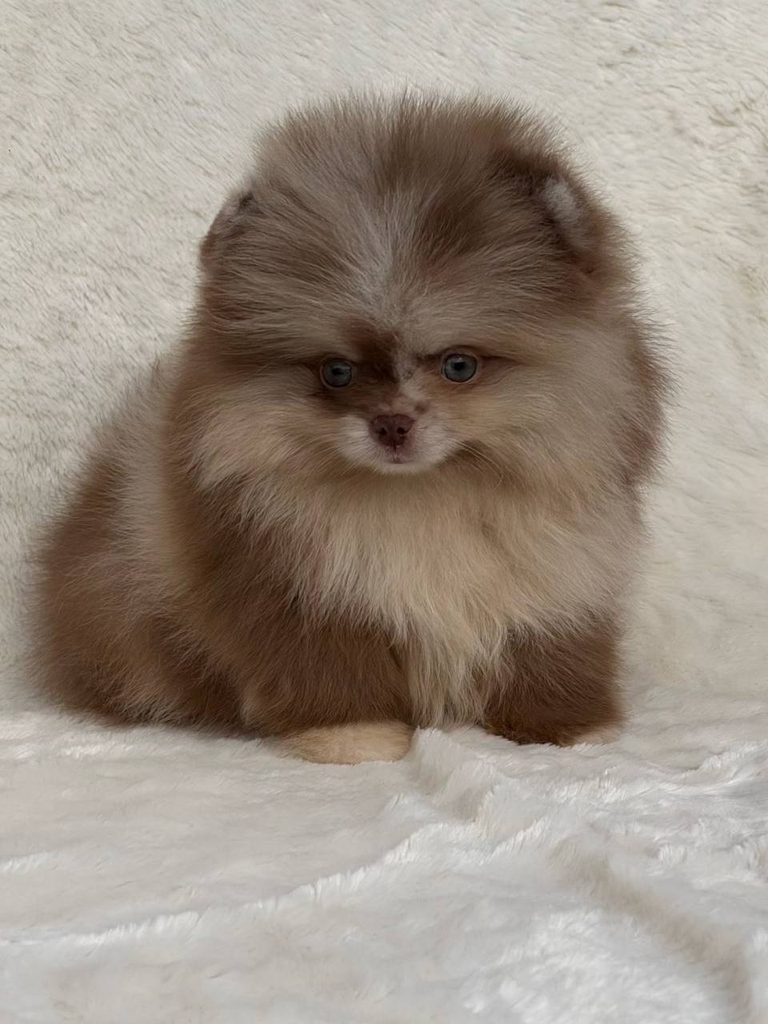
How often should you groom a Pomeranian? This is an important question for anyone who owns or plans to bring home this fluffy toy breed. Pomeranians are famous for their beautiful double coats, fox-like faces, and full tails, but maintaining their appearance requires regular care.https://pomeranianblisspuppies.com/care-guide/
The good news is that you do not need to perform every grooming task every day. The right schedule combines frequent brushing, occasional baths, regular nail checks, dental care, and professional grooming when needed.
Understanding how often you should groom a Pomeranian helps prevent tangles, keeps the coat comfortable, and makes grooming a more positive experience for your dog. It also allows you to notice changes in your Pomeranian’s skin, ears, paws, and teeth before they become bigger problems.
In this guide, you will learn how often to brush, bathe, trim nails, clean ears, brush teeth, and schedule professional grooming for a Pomeranian puppy or adult dog.https://pomeranianblisspuppies.com/care-guide/
How Often Should You Groom a Pomeranian?
Most Pomeranians benefit from brushing several times a week, with daily checks for tangles. Their double coat can collect loose hair, and friction can cause mats to develop behind the ears, under the legs, around the collar, and near the tail.
Other grooming tasks follow different schedules. Bathing is usually needed only occasionally, while nails should be checked weekly and trimmed when necessary. Dental care should ideally happen every day.
Here is a general Pomeranian grooming schedule:
| Grooming task | Recommended frequency |
|---|---|
| Coat brushing | Several times a week; check for tangles daily |
| Eye and face check | Daily |
| Paw inspection | Daily or after outdoor activity |
| Tooth brushing | Ideally daily |
| Ear inspection | Weekly |
| Nail inspection | Weekly |
| Nail trimming | When needed, often every few weeks |
| Bathing | When dirty or needed, rather than on a rigid schedule |
| Professional grooming | Often every 4–8 weeks, depending on coat and grooming needs |
These are starting guidelines rather than strict rules. Your Pomeranian’s coat condition, lifestyle, skin health, and tolerance for grooming will affect the schedule.
How Often Should You Brush a Pomeranian?
Brushing is one of the most important parts of Pomeranian coat maintenance. For most dogs, brushing several times a week is a good starting point, with additional attention to areas that tangle easily.
Some Pomeranians need more frequent brushing, particularly during periods of shedding or when their coat is long and dense.
Why Regular Brushing Matters
A Pomeranian has a double coat consisting of a soft undercoat and a longer outer coat. Loose hair can collect in the coat and become tangled, especially where the fur rubs against itself.
Regular brushing helps:
- Remove loose hair and surface dirt.
- Detect tangles before they become mats.
- Keep the coat easier to manage.
- Distribute natural oils through the coat.
- Familiarize your dog with grooming and handling.
How to Brush Your Pomeranian Correctly
Choose a suitable brush and comb designed for small dogs with double coats. Work gently in small sections, checking the coat carefully rather than brushing only the top layer.
Pay particular attention to the areas behind the ears, under the front legs, around the collar, and near the tail.
Never pull hard on a tangle or scrape the skin with a brush. Tight mats close to the skin should be assessed by an experienced groomer or veterinarian. Avoid cutting mats out with scissors because the skin can become trapped inside them.
How Often Should You Bathe a Pomeranian?
Pomeranians generally do not need frequent baths if their coat is clean and well maintained. Bathing when the dog is dirty or when a bath is otherwise needed is usually more appropriate than following an unnecessarily frequent schedule.
Some Pomeranians may need a bath every few weeks, while others can go longer between baths. Lifestyle, coat condition, and skin health make a difference.
Signs Your Pomeranian May Need a Bath
Consider bathing your dog when:
- The coat is visibly dirty.
- Dirt or debris remains after brushing.
- Your dog has an unpleasant odor that can be traced to the coat.
- Your veterinarian recommends a particular bathing routine.
- Your groomer identifies a coat-care need that requires bathing.
A persistent unpleasant smell may indicate a skin, ear, dental, or other health problem rather than simply a need for a bath.
Bathing Tips for Pomeranians
Use a dog shampoo appropriate for your Pomeranian’s coat and skin. Wet the coat thoroughly, follow the shampoo instructions, and rinse carefully to remove residue.
Dry your Pomeranian thoroughly after bathing. Use a towel gently, then a pet-safe dryer on a low or cool setting if your dog tolerates it. Avoid high heat and keep the dryer moving so the skin does not become overheated.
Brushing before bathing can help identify and address manageable tangles before the coat gets wet. Wetting a heavily tangled coat can make some mats more difficult to resolve.
How Often Should You Trim a Pomeranian’s Nails?
Check your Pomeranian’s nails at least once a week. Many dogs need their nails trimmed every few weeks, but the correct interval depends on how quickly the nails grow and how much they wear down naturally.
Nails that become too long can be uncomfortable and may affect how your dog places its feet.
Signs the Nails May Be Too Long
Watch for nails that touch the floor when your dog stands naturally, catch on fabric, or appear to interfere with comfortable walking.
Do not rely only on clicking sounds, because floor surfaces and walking style can affect how noticeable they are.
How to Make Nail Care Easier
Introduce paw handling gradually and reward your Pomeranian for remaining calm. Use suitable dog nail clippers or a pet nail grinder, and remove only small amounts at a time.
The quick contains blood vessels and nerves, so cutting into it can cause pain and bleeding. If you are uncertain, especially with dark nails, ask a veterinarian or professional groomer to demonstrate safe trimming.
How Often Should You Clean a Pomeranian’s Ears?
Inspect your Pomeranian’s ears weekly, but do not automatically clean them on a fixed schedule if they are healthy and clean.
Unnecessary cleaning can irritate the ear canal. If cleaning is needed, use a veterinarian-approved ear cleaner and follow the product directions.
Avoid inserting cotton swabs or other objects deep into the ear canal. Do not use alcohol, peroxide, or homemade cleaning mixtures unless your veterinarian specifically recommends them.
Contact your veterinarian if your Pomeranian repeatedly scratches its ears, shakes its head, develops an unusual odor or discharge, or appears uncomfortable when the ears are touched.
How Often Should You Brush a Pomeranian’s Teeth?
Ideally, brush your Pomeranian’s teeth every day. Small dogs can be vulnerable to dental problems, making early and consistent dental care particularly valuable.
Use a toothbrush designed for dogs and dog-specific toothpaste. Human toothpaste is not suitable, and products containing xylitol can be dangerous to dogs.
If your Pomeranian is not used to tooth brushing, begin gradually. First, let your dog become comfortable with gentle mouth handling. Then introduce the toothbrush and brush a few teeth before gradually extending the session.
Regular brushing does not replace veterinary dental examinations. Arrange a veterinary visit if you notice persistent bad breath, inflamed gums, broken teeth, drooling, or difficulty eating.
How Often Should a Pomeranian Visit a Professional Groomer?
Many Pomeranian owners arrange professional grooming approximately every four to eight weeks, depending on the dog’s coat, hygiene needs, and the services required.
This is not a mandatory interval for every dog. A Pomeranian that receives consistent home brushing and needs only occasional tidying may need fewer full grooming appointments. Another dog may require more frequent professional help to maintain a manageable coat.
A professional groomer can assist with bathing, drying, coat maintenance, nail care, and safe trimming around sensitive areas.
What Should a Professional Grooming Appointment Include?
Depending on your dog’s needs and the groomer’s services, an appointment may include:
- Bathing with an appropriate dog shampoo.
- Thorough drying.
- Coat brushing and detangling.
- Nail trimming.
- Gentle cleaning around the face.
- Tidying of the feet and sanitary areas when appropriate.
- A general visual check for coat or skin concerns.
Choose a groomer experienced with Pomeranians and other double-coated breeds. Ask about their handling methods and how they help nervous dogs feel comfortable.
How Often Should You Groom a Pomeranian Puppy?
A Pomeranian puppy should become familiar with grooming early, but sessions should be short and gentle. You can start brushing and handling your puppy after bringing it home, provided it is comfortable and healthy.
During the early weeks, focus on helping your puppy accept the brush, paw handling, gentle ear checks, and tooth brushing. You do not need to perform every task in one session.
A practical puppy grooming routine may include:
- Daily: Brief coat, face, and paw checks, plus a short dental-care practice.
- Several times a week: Gentle brushing and a check for tangles.
- Weekly: Ear inspection and nail assessment.
- As needed: Bathing, with a puppy-safe shampoo.
- When appropriate: A gentle introductory visit to an experienced groomer.
Some Pomeranians go through a puppy coat transition as their adult coat develops. During this time, coat texture and fullness can change. Keep grooming gentle and seek professional advice if you notice patchy hair loss, skin irritation, or unusual changes.
Does the Pomeranian’s Coat Affect Grooming Frequency?
Yes. Coat length, density, shedding, and tangling patterns can affect how often your dog needs brushing and professional attention.
A fuller coat may need more careful section-by-section brushing than a shorter, well-maintained coat. Dogs that play outdoors frequently may also collect more dirt and debris.
However, shaving a Pomeranian’s double coat very short is generally not recommended unless a veterinarian advises it for a specific medical reason. The coat helps protect the skin, and regrowth can sometimes be unpredictable.
Ask a groomer experienced with double-coated breeds to recommend a suitable maintenance plan for your individual Pomeranian.
A Simple Weekly Pomeranian Grooming Schedule
If you are unsure where to start, the following schedule can help organize routine care.
| Day | Grooming task |
|---|---|
| Monday | Brush the coat and check for tangles |
| Tuesday | Inspect paws and practice gentle tooth brushing |
| Wednesday | Brush the coat and inspect the ears |
| Thursday | Check the face and clean around the eyes if needed |
| Friday | Brush the coat and inspect the nails |
| Saturday | Additional brushing or a bath if needed |
| Sunday | General coat, skin, paw, and ear check |
Tooth brushing should ideally be daily, and coat checks can be performed briefly each day. Adjust the schedule according to your Pomeranian’s condition and tolerance.
Common Pomeranian Grooming Mistakes to Avoid
Brushing Too Infrequently
Long gaps between brushing sessions can allow loose hair and tangles to accumulate. Regular, gentle brushing makes coat care easier.
Bathing Too Often
Frequent bathing with unsuitable products can dry or irritate the skin. Bathe when needed and follow veterinary guidance if your dog has a skin condition.
Ignoring Hidden Mats
The coat can appear fluffy on the surface while tangles develop underneath. Check carefully around the ears, legs, collar, and tail.
Cutting Mats With Scissors
A dog’s skin can be pulled into a mat, making accidental cuts possible. Leave tight mats to a professional groomer or veterinarian.
Forgetting Dental Care
Coat maintenance is only one part of grooming. Regular tooth brushing and veterinary dental checks are also important.
Shaving the Coat Too Short
Very short shaving can affect the protective double coat and may lead to unpredictable regrowth. Discuss medical or styling needs with a veterinarian and an experienced groomer.
Signs Your Pomeranian Needs Veterinary Attention
Grooming provides an opportunity to notice changes in your dog’s condition. Contact your veterinarian if you observe:
- Sudden or patchy hair loss.
- Persistent itching, redness, or irritated skin.
- A strong or unusual ear odor.
- Ear discharge or repeated head shaking.
- Bleeding, swollen gums, or difficulty eating.
- Pain when the paws or coat are touched.
- Persistent odor that remains after routine cleaning.
These symptoms may require medical assessment rather than a change in grooming frequency alone.
Frequently Asked Questions
How often should you groom a Pomeranian at home?
Brush your Pomeranian several times a week and check for tangles daily. Inspect the nails weekly, check the ears regularly, and brush the teeth ideally every day. Bathe when needed rather than following a rigid schedule.
Can I brush my Pomeranian every day?
Yes. Gentle daily brushing is appropriate for many Pomeranians, especially when their coats tangle easily. Use suitable tools and avoid excessive pressure or repeated brushing that irritates the skin.
How often should a Pomeranian get a haircut?
Pomeranians generally need coat maintenance rather than a very short haircut. The timing of professional tidying depends on the coat and the services required. Ask an experienced groomer for advice and avoid shaving the double coat very short without veterinary guidance.
How often should I take my Pomeranian to a groomer?
Many owners use a four-to-eight-week interval as a starting point, but some dogs need appointments more or less often. Regular home brushing can reduce tangles between visits.
Do Pomeranians need daily brushing?
Not every Pomeranian requires a full brushing session every day, but daily tangle checks are useful. Dogs with dense or easily tangled coats may benefit from daily gentle brushing.
How often should I bathe a Pomeranian puppy?
Bathe a puppy when it becomes dirty or needs a bath for another reason. Use puppy-safe products and dry the coat thoroughly. Ask your veterinarian for advice if your puppy has sensitive skin or a medical condition.
Is professional grooming necessary for Pomeranians?
Not every grooming task requires a professional, but an experienced groomer can help with coat maintenance, nail trimming, difficult tangles, and safe tidying. Home care is still important between appointments.
Final Thoughts on How Often You Should Groom a Pomeranian
Understanding how often you should groom a Pomeranian makes it easier to maintain a healthy, manageable coat without overdoing baths or grooming sessions. Regular brushing, daily dental care, weekly nail checks, routine ear inspections, and occasional bathing form a practical foundation.
Professional grooming every four to eight weeks may suit many Pomeranians, but your dog’s individual coat and needs should determine the schedule. Start grooming early, use gentle techniques, and reward calm behavior to make care more comfortable.
With a consistent routine, you can help your Pomeranian stay clean, comfortable, and fluffy while making grooming a positive part of everyday life.https://pomeranianblisspuppies.com/care-guide/