October 4, 2026
Can Pomeranians Be Left Alone? – How Long Can They Stay Alone?
Can Pomeranians Be Left Alone? Complete Guide for Pomeranian Owners
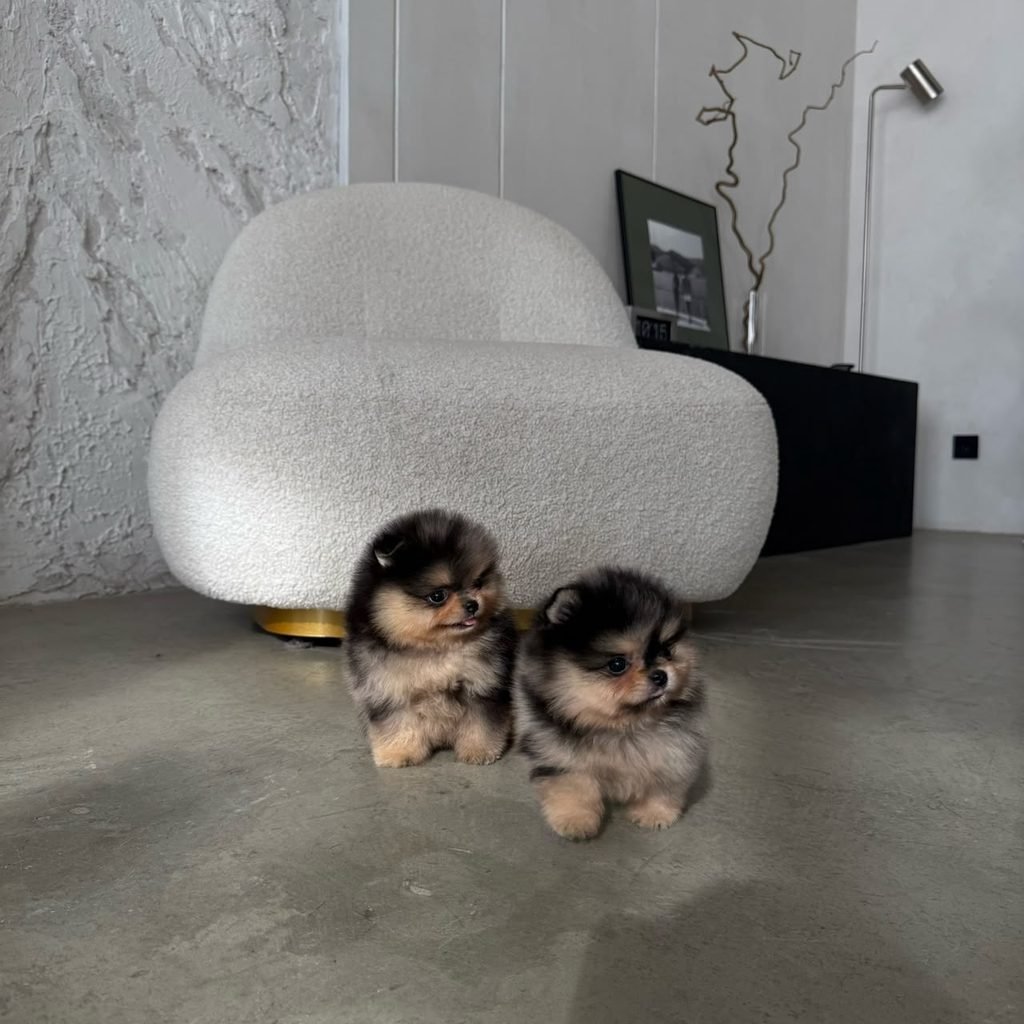
Can Pomeranians Be Left Alone? Yes, many adult Pomeranians can learn to stay home alone for reasonable periods when they are properly trained, exercised, and comfortable with their environment. However, Pomeranians are affectionate companion dogs that often enjoy being close to their families, so they should not simply be left alone for long periods without preparation.https://pomeranianblisspuppies.com/care-guide/
If you are thinking about getting a Pomeranian puppy or already have one, understanding Can Pomeranians Be Left Alone? is important. Your dog’s age, personality, training, health, routine, and previous experience with being alone can all affect how well they handle time away from their owner.
The good news is that independence can be taught gradually. With the right routine, safe environment, mental stimulation, and positive training, many Pomeranians can become comfortable spending some time by themselves.https://pomeranianblisspuppies.com/care-guide/
Can Pomeranians Be Left Alone?
Can Pomeranians Be Left Alone? They can, but the amount of time they should spend alone depends heavily on their age and individual needs.
An adult Pomeranian that has been properly trained may be comfortable staying home alone for part of the day. A young puppy, however, needs much more frequent potty breaks, meals, supervision, interaction, and training.https://pomeranianblisspuppies.com/care-guide/
Pomeranians are also intelligent and energetic despite their small size. Simply leaving toys on the floor does not necessarily provide enough stimulation for several hours.
The goal should not be to teach your Pomeranian that they never need you. Instead, you want to teach them that being alone is safe, temporary, and normal.
How Long Can a Pomeranian Be Left Alone?
There is no single number of hours that works for every Pomeranian.
A puppy generally needs much more frequent attention than a healthy adult. Puppies have smaller bladders, developing routines, and greater social and training needs.
An adult Pomeranian may tolerate several hours alone better than a young puppy, particularly if they have been gradually trained for alone time.
Consider these factors:
- Your Pomerian’s age
- Potty-training progress
- Health
- Energy level
- Personality
- Previous experience being alone
- Exercise before you leave
- Access to water
- Temperature and home safety
- Mental stimulation
- Whether another suitable pet is present
- Your normal daily routine
Instead of focusing only on a specific number of hours, pay attention to your dog’s behavior. A Pomeranian that settles down and sleeps after you leave may be coping well, while a dog that continuously barks, paces, destroys things, or attempts to escape may be struggling.https://pomeranianblisspuppies.com/care-guide/
Can Pomeranian Puppies Be Left Alone?
A Pomeranian puppy should not be treated like an adult dog when it comes to alone time.
Young puppies need frequent opportunities to go outside, eat appropriately, learn household rules, and interact with their owners.
When asking Can Pomeranians Be Left Alone?, remember that puppies need a gradual introduction to being alone.
Start with very short periods.
For example, you might:
- Put your puppy in a safe area.
- Give them an appropriate chew or toy.
- Walk out of the room briefly.
- Return calmly.
- Gradually increase the amount of time.
- Repeat the process regularly.
The objective is to create positive experiences rather than suddenly leaving a puppy alone for several hours.
Can Pomeranians Be Left Alone During the Workday?
Some adult Pomeranians may adapt to a household where their owner works outside the home, but spending an entire workday alone every day may not be ideal for every dog.
If you work long hours, consider ways to break up your Pomeranian’s day.
Possible options include:
- A family member checking on the dog
- A trusted dog walker
- A pet sitter
- Doggy daycare when appropriate
- Coming home during a lunch break
- Working from home for part of the day
- Providing structured enrichment
A consistent routine can make your dog’s day easier to understand.
For example:
Morning: potty break, breakfast, exercise, training, and interaction.
During the day: safe resting area, water, appropriate toys, and enrichment.
Afternoon: potty break or visit from a trusted person.
Evening: exercise, training, playtime, grooming, and family interaction.
Do Pomeranians Get Separation Anxiety?
Pomeranians can experience separation-related distress, particularly when they become overly dependent on constant human companionship or have difficulty coping with being alone.
This is one reason the question Can Pomeranians Be Left Alone? should be considered before bringing one home.
Potential signs of separation-related problems include:
- Excessive barking
- Whining
- Pacing
- Scratching at doors
- Destructive chewing
- Attempts to escape
- Excessive drooling
- House-soiling despite being trained
- Restlessness
- Extreme excitement when the owner returns
These behaviors should not automatically be labeled as separation anxiety because other medical, environmental, or behavioral issues can produce similar signs.
If your Pomeranian becomes seriously distressed whenever you leave, speak with your veterinarian or a qualified canine behavior professional.
How to Teach a Pomeranian to Stay Home Alone
Learning how to be alone is a training skill.
Do not expect a puppy to understand it automatically.
Begin by teaching your Pomeranian that you can leave and return without anything frightening happening.
Step 1: Create a Safe Area
Choose a comfortable area where your Pomeranian can relax safely.
Depending on your home, this might be:
- A puppy-proofed room
- A secure playpen
- A gated area
- A properly introduced crate
- A combination of safe spaces
Remove hazards such as electrical cords, toxic substances, small objects, and anything your dog could chew or swallow.
Step 2: Practice Short Separations
Leave the room for a few seconds.
Return calmly.
Repeat the process.
As your Pomeranian becomes comfortable, gradually increase the duration.
The goal is to build confidence rather than test how long your dog can tolerate distress.
Step 3: Make Departures Boring
Some owners accidentally create anxiety around leaving by making departures extremely emotional.
Avoid long goodbyes.
Instead, calmly prepare to leave and go about your routine.
Your Pomeranian should learn that your departure is an ordinary part of the day.
Step 4: Practice When You Are Still Home
You can teach independence without actually leaving the house.
For example, encourage your Pomeranian to relax on their bed while you work in another room.
This helps them learn that they do not need to follow you everywhere.
Step 5: Increase Time Gradually
Once your dog handles short periods comfortably, increase the duration slowly.
If your Pomeranian becomes distressed, the previous step may have been too difficult.
Reduce the duration and build up again more gradually.
Does Crate Training Help Pomeranians Stay Alone?
Crate training can be useful when done correctly.
A crate should become a comfortable, safe place rather than a punishment area.
Your Pomeranian should be gradually introduced to the crate and taught to enjoy spending time there.
Appropriate crate training can help with:
- Rest
- Puppy management
- Travel
- House training
- Safety
- Establishing a predictable routine
However, a crate should not be used simply as a way to confine a dog for excessive periods.
Make sure the crate is appropriately sized and that your dog has enough opportunities for exercise, bathroom breaks, interaction, and enrichment.
Should You Leave a Pomeranian With Toys?
Toys can provide useful mental stimulation when your Pomeranian is alone.
Consider rotating several safe options rather than leaving every toy available every day.
Possible choices include:
- Durable chew toys
- Food puzzle toys
- Treat-dispensing toys
- Snuffle-style enrichment
- Appropriate interactive toys
Always consider your individual dog’s chewing habits and supervise new toys before leaving them unattended.
A toy that is safe for one dog may not be safe for another.
Can Pomeranians Be Left Alone in an Apartment?
Pomeranians can live successfully in apartments, but alone-time training is particularly important in shared buildings.
Barking can become a problem if a dog becomes bored, frustrated, or anxious when left alone.
Before leaving your Pomeranian, provide appropriate exercise and mental stimulation.
You should also make sure your dog has a comfortable resting area away from excessive noise.
If your Pomerian repeatedly hears people walking through the hallway, elevators, doors closing, or other dogs barking, these sounds may trigger vocalization.
Training your dog to settle calmly can help.
Exercise Before Leaving Your Pomeranian Alone
Exercise can help your Pomeranian settle, but it should be age-appropriate.
A short walk, gentle play session, training exercises, or sniffing activity may help your dog use some physical and mental energy.
Mental stimulation is particularly useful because small dogs still need opportunities to use their brains.
Try simple activities such as:
- Basic obedience practice
- Finding treats
- Puzzle toys
- Name-recognition games
- Short scent games
- Gentle indoor play
- Training new tricks
A tired and mentally satisfied dog is often better prepared to relax than a dog that has spent the morning with nothing to do.
What Should You Do Before Leaving a Pomeranian Alone?
Create a predictable pre-departure routine.
A useful routine could look like this:
1. Bathroom break: Give your dog an opportunity to relieve themselves.
2. Exercise: Provide appropriate physical activity.
3. Mental stimulation: Use a short training or enrichment session.
4. Water: Make sure fresh water is available.
5. Safe environment: Remove hazards and provide a comfortable resting area.
6. Calm departure: Leave without making the event dramatic.
This routine can become a signal that alone time is simply part of the day.
What Should You Do When You Come Home?
Keep your return calm.
It is normal for your Pomeranian to be excited when you arrive. However, immediately creating an extremely energetic greeting every time can make departures and arrivals feel like major events.
Give your dog a chance to settle.
Then provide the attention, exercise, bathroom break, play, and interaction they need.
If your dog has been calm while you were gone, reward that calm behavior with positive attention.
Can a Pomeranian Be Left Alone Overnight?
Leaving a Pomeranian alone overnight requires more consideration than leaving an adult dog alone for a few hours.
Dogs still need access to appropriate bathroom opportunities, water, safe temperatures, and a secure environment.
Young puppies should not be expected to handle overnight isolation in the same way as an adult dog.
If you need to be away overnight, arranging for a trusted person or qualified pet sitter to care for your dog is often a better option.
Can Two Pomeranians Keep Each Other Company?
Having another dog does not automatically solve loneliness or separation-related behavior.
Two Pomeranians may enjoy each other’s company, but each dog still needs individual training, attention, exercise, and care.
Do not get a second dog solely because you assume it will prevent separation problems.
Compatibility, temperament, age, energy level, and proper introductions all matter.
Signs Your Pomeranian Is Comfortable Alone
Positive signs can include:
- Resting quietly
- Sleeping
- Playing appropriately
- Eating normally
- Using their designated bathroom area appropriately
- Remaining calm when you prepare to leave
- Relaxing when you are in another room
- Greeting you normally after you return
Every dog is different, so look for your Pomerian’s normal behavior rather than expecting one specific response.
Signs Your Pomeranian Is Not Comfortable Alone
Watch for behaviors such as:
- Persistent barking
- Repeated whining
- Destructive behavior
- Scratching doors
- Escaping attempts
- Pacing
- Excessive drooling
- Refusing food
- House-soiling
- Extreme distress when you prepare to leave
- Excessive excitement when you return
If these behaviors occur consistently, consider recording your dog while you are away so you can better understand what happens after you leave.
A veterinarian or qualified behavior professional can help determine the cause and create an appropriate plan.
How to Make Alone Time Easier for a Pomeranian
If you are wondering Can Pomeranians Be Left Alone?, remember that preparation matters as much as the dog’s breed.
These strategies can help:
Maintain a Consistent Routine
Dogs often benefit from predictable schedules.
Try to keep feeding, exercise, bathroom, training, and bedtime routines reasonably consistent.
Provide Mental Stimulation
Pomeranians are intelligent dogs. Give them appropriate opportunities to use their brains.
Practice Independence
Encourage your dog to relax on their own bed while you are home.
Avoid Excessive Clinginess
It is fine to enjoy spending time with your Pomeranian, but independence should also be part of their training.
Make the Home Comfortable
A comfortable bed, appropriate temperature, fresh water, safe toys, and a quiet resting area can make alone time easier.
Use Professional Help When Necessary
If your dog cannot tolerate being alone despite gradual training, professional behavioral assistance may be appropriate.
Can Pomeranians Be Left Alone If They Are Well Trained?
Training can make alone time easier, but even a well-trained Pomeranian has individual needs.
Training does not mean a dog should be ignored for an entire day.
A well-trained Pomeranian should still receive:
- Daily exercise
- Human companionship
- Training
- Mental stimulation
- Grooming
- Veterinary care
- Socialization
- Appropriate feeding
- Bathroom opportunities
- Playtime
The goal is a balanced lifestyle rather than simply teaching your dog to tolerate isolation.
Pomeranian Alone Time for First-Time Owners
First-time Pomeranian owners should think about their daily schedule before bringing home a puppy.
Ask yourself:
- How many hours will the puppy normally be alone?
- Can someone provide a midday break?
- Do I have time for training?
- Can I provide daily exercise?
- Can I handle grooming requirements?
- What will happen during vacations?
- Who will care for the dog if I work late?
- Can I afford professional pet care when necessary?
These questions can help you decide whether a Pomeranian fits your lifestyle.
Common Mistakes When Leaving a Pomeranian Alone
Some mistakes can make alone-time training harder.
Leaving a Young Puppy Alone for Too Long
Puppies have different needs from adult dogs.
Skipping Exercise
A bored, energetic dog may struggle more with being alone.
Making Departures Dramatic
Long emotional goodbyes can make leaving feel like a major event.
Punishing Destructive Behavior
Punishment after you return generally does not teach a dog what they did wrong hours earlier and can increase anxiety.
Expecting Toys to Solve Everything
Toys are helpful, but they cannot replace exercise, training, companionship, and appropriate care.
Increasing Alone Time Too Quickly
If your Pomeranian is struggling, going from a few minutes to several hours is too large a jump.
A Sample Pomeranian Alone-Time Routine
A simple weekday routine could look like this:
7:00 AM: Bathroom break
7:15 AM: Breakfast
7:30 AM: Walk or play
7:45 AM: Short training session
8:00 AM: Calm rest
8:30 AM: Owner leaves
Midday: Bathroom break or pet sitter visit when needed
Afternoon: Rest and enrichment
5:00 PM: Owner returns
5:15 PM: Bathroom break and interaction
5:30 PM: Walk, play, or training
Evening: Family time, grooming, enrichment, and relaxation
The exact schedule should be adjusted for your Pomeranian’s age, health, energy level, and household routine.
Is a Pomeranian a Good Dog for Someone Who Works Full-Time?
A person who works full-time can potentially own a Pomeranian, but the work schedule needs to be considered carefully.
If you are away for long periods every day, you may need additional support.
Options can include:
- A dog walker
- Pet sitter
- Dog daycare
- Family assistance
- A trusted neighbor
- A midday visit
- Flexible or remote work
The important question is not simply whether you work full-time. It is whether you can consistently meet your dog’s physical, mental, social, and bathroom needs.
Choosing a Pomeranian Puppy for Your Lifestyle
If you are purchasing a Pomeranian puppy, talk with the breeder about the puppy’s temperament, socialization, routine, health records, vaccination status, and experience with normal household activities.
A responsible breeder should be willing to discuss how the puppies are raised and what support they provide after the puppy goes home.
Avoid choosing a puppy solely because it is the smallest, fluffiest, or most visually appealing.
Temperament and health should matter just as much as appearance.
Can Pomeranians Be Left Alone? Final Answer
So, Can Pomeranians Be Left Alone? Yes, many Pomeranians can learn to spend reasonable periods alone, especially when they are gradually trained to feel comfortable and secure without constant human attention.
However, puppies need more frequent care than adults, and some individual Pomeranians may struggle with isolation more than others.
The best approach is to start early, increase alone time gradually, provide appropriate exercise and mental stimulation, create a safe environment, and maintain a predictable routine.
If your Pomeranian shows persistent signs of distress, do not simply increase the amount of time they are left alone. Look for the underlying cause and consider veterinary or professional behavioral guidance.
With patience and consistent training, your Pomeranian can learn an important life skill: being comfortable both with you and independently.
Frequently Asked Questions
Can Pomeranians Be Left Alone for 8 Hours?
Some adult Pomeranians may physically tolerate a long period alone, but spending eight hours alone every day is not ideal for every dog. Consider bathroom breaks, exercise, companionship, and enrichment when planning your schedule.
Can a Pomeranian Puppy Be Left Alone for 4 Hours?
A young puppy may not be ready for four hours alone. Puppies need frequent bathroom opportunities, supervision, feeding, training, and social interaction.
Do Pomeranians Get Lonely?
Pomeranians are companion dogs and may become lonely or frustrated when they receive too little interaction. Individual dogs vary, so watch for changes in behavior.
How Do I Stop My Pomeranian From Barking When I Leave?
Start by identifying why your dog barks. Gradual alone-time training, appropriate exercise, mental stimulation, and professional behavioral guidance when needed can help.
Can Crate Training Help With Separation?
Proper crate training can help a Pomeranian feel comfortable in a safe resting space, but a crate should never be used as a substitute for appropriate exercise, interaction, and care.
Should I Get Another Dog for My Pomeranian?
A second dog is not a guaranteed solution for loneliness or separation-related problems. Consider your existing dog’s temperament and needs before adding another pet.
Can Pomeranians Be Left Alone During the Day?
Many adult Pomeranians can learn to spend part of the day alone, but their needs should be considered carefully. Puppies and dogs with separation-related problems generally require more support.
What Is the Best Way to Teach a Pomeranian Independence?
Begin with short, positive periods of separation and gradually increase the duration. Also teach your Pomeranian to relax independently while you are still at home.
Do Pomeranians Need Constant Attention?
No. Pomeranians need companionship and interaction, but they can also benefit from learning to settle and relax independently.
Can Pomeranians Be Left Alone in an Apartment?
Yes, many Pomeranians can live successfully in apartments and learn to stay home alone. However, barking, exercise, potty training, noise sensitivity, and separation-related behavior should all be considered.
Final Thoughts
Understanding Can Pomeranians Be Left Alone? is an important part of responsible Pomeranian ownership.
Pomeranians are small, affectionate, intelligent companion dogs that can learn independence when they are trained patiently. Start with short periods, establish a predictable routine, provide appropriate exercise and enrichment, and make sure your dog has a safe and comfortable environment.
Most importantly, consider your individual Pomeranian rather than relying only on breed expectations. Every dog has a different personality, history, confidence level, and tolerance for being alone.
With the right preparation, your Pomeranian can learn that alone time is simply another normal part of the day.https://pomeranianblisspuppies.com/care-guide/