September 4, 2026
Coat, Size & Distinctive Features
Blue Merle Pomeranian Appearance: Coat, Features, Size and Markings
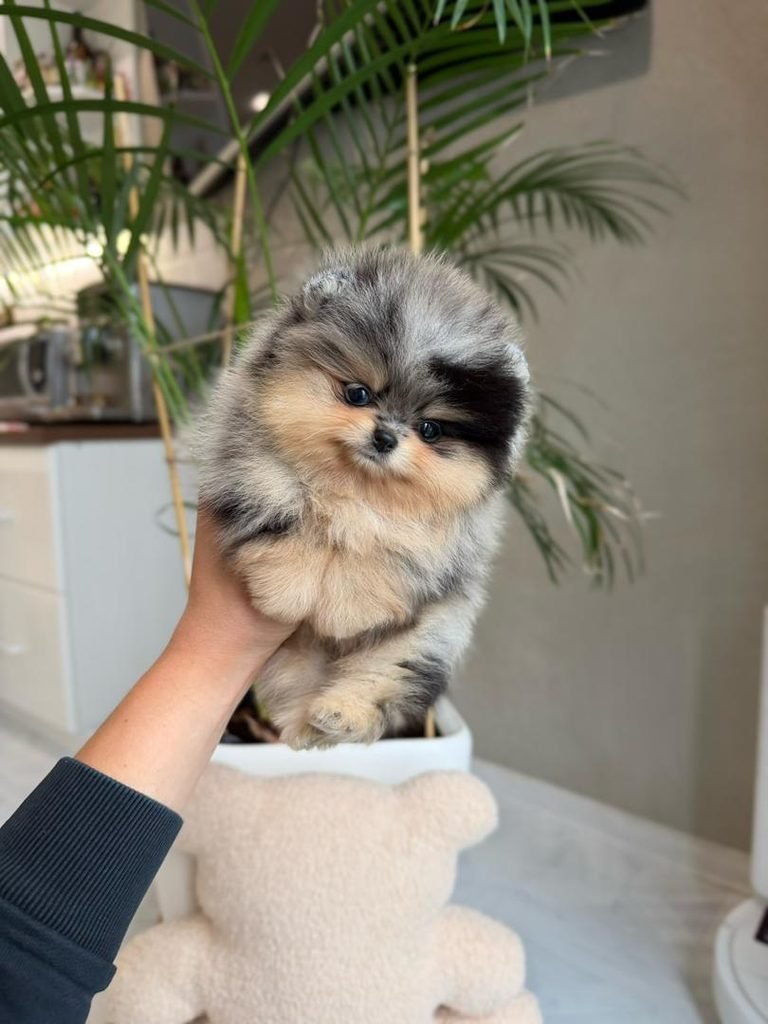
The Blue Merle Pomeranian Appearance is distinctive because of the combination of the breed’s fluffy coat and the irregular pattern created by merle coloring. Instead of having one uniform shade, a blue merle Pomeranian can display areas of diluted dark pigment mixed with lighter sections, creating a marbled or mottled effect.https://pomeranianblisspuppies.com/puppies/jasper/
For people interested in this unusual Pomeranian pattern, understanding the Blue Merle Pomeranian Appearance involves more than simply looking at coat color. Facial features, coat texture, body structure, markings, grooming, and changes that occur during puppyhood can all influence how an individual dog looks.https://pomeranianblisspuppies.com/puppies/jasper/
What Does a Blue Merle Pomeranian Look Like?
The Blue Merle Pomeranian Appearance combines the compact structure of a Pomeranian with a distinctive merle coat pattern.
A typical blue merle may have:
- Gray or slate-colored areas
- Darker irregular patches
- Lighter sections
- Possible white markings
- A thick double coat
- Small upright ears
- A fox-like facial expression
- A plumed tail carried over the back
The exact appearance varies from one dog to another because coat patterns are genetically inherited.
Understanding the Blue Merle Coat
The term “blue” in Blue Merle Pomeranian Appearance does not generally mean a bright blue coat.
In canine color terminology, blue commonly refers to diluted black pigment. This can produce shades that appear gray, slate, steel-gray, or blue-gray.
When combined with merle patterning, these shades can be distributed unevenly throughout the coat.
The result is an individual pattern rather than a single standardized color.
Blue Merle Pomeranian Coat Pattern
One of the most noticeable characteristics of the Blue Merle Pomeranian Appearance is the irregular distribution of pigment.
A puppy may have:
- Larger gray patches
- Small dark spots
- Light gray areas
- Mottled sections
- A mixture of several shades
Some puppies have more dramatic contrast, while others have a softer and less obvious pattern.
This variation is normal for a patterned coat.
Blue Merle Pomeranian Face
The face can make the Blue Merle Pomeranian Appearance particularly appealing.
Pomeranians have a distinctive expression created by their small upright ears, rounded eyes, short muzzle, and abundant facial hair.
A merle pattern can extend across parts of the face, producing interesting variations in pigmentation.
However, facial markings differ between individual puppies.
Eyes and Eye Appearance
Pomeranians typically have dark, expressive eyes.
Merle genetics can sometimes influence pigmentation around the eyes, and eye appearance may vary between individual dogs.
If you are considering a merle puppy, don’t evaluate the eyes purely for unusual color. Clear, healthy-looking eyes and appropriate veterinary care are much more important.
Any unusual eye appearance should be discussed with a veterinarian.
Blue Merle Pomeranian Ears
The Pomeranian’s small, triangular ears are normally carried upright.
They contribute strongly to the alert expression associated with the breed.
In a Blue Merle Pomeranian Appearance, the ears may contain a combination of darker and lighter pigmentation depending on how the merle pattern is distributed.
Blue Merle Pomeranian Nose and Pigmentation
Nose pigmentation can vary depending on the dog’s genetics.
The color and pigmentation of the nose should be considered alongside the dog’s overall health rather than used as a primary indicator of quality.
A breeder should be able to explain the puppy’s genetic background and provide appropriate health information.
Fluffy Double Coat
The Pomeranian is famous for its abundant double coat.
The outer coat consists of longer guard hairs, while the undercoat provides density and volume.
This thick coat can make the Blue Merle Pomeranian Appearance especially dramatic because the pattern is displayed across a large amount of fur.
Regular grooming is necessary to keep the coat healthy and manageable.
Blue Merle Pomeranian Tail
A classic Pomeranian has a heavily plumed tail that is carried over the back.
The tail contributes significantly to the breed’s recognizable silhouette.
Depending on the dog’s coat pattern, the tail may show different combinations of gray, darker, lighter, or white areas.
Blue Merle Pomeranian Size
Pomeranians are a small toy breed.
According to the American Kennel Club, the breed standard places the typical adult weight around 3 to 7 pounds.
Individual dogs can vary, so prospective owners should not select a puppy based on an expected exact adult size alone.
Blue Merle Pomeranian Body Structure
The Pomeranian has a compact body with a relatively abundant coat.
Underneath the fluffy fur, the dog has a small, well-proportioned frame.
When examining Blue Merle Pomeranian Appearance, don’t allow the coat to distract from the underlying structure.
A puppy should appear appropriately developed for its age and move comfortably.
Blue Merle Pomeranian Puppy Appearance
Young puppies can look different from their adult counterparts.
A Blue Merle Pomeranian Puppy may have:
- A softer puppy coat
- Less-developed furnishings
- A smaller-looking face
- Less coat volume
- Subtle merle markings
As the puppy grows, the coat generally becomes fuller and the adult appearance becomes easier to see.
Puppy Coat Changes
One important aspect of Blue Merle Pomeranian Appearance is that coat development can change how the dog looks.
Pomeranian puppies go through stages of coat development as their puppy coat transitions toward an adult coat.
The pattern itself may remain recognizable while its visual intensity changes because the hair becomes longer, fuller, and differently textured.
For this reason, buyers should not expect a puppy photograph to perfectly predict its adult appearance.
Blue Merle Color Variation
Not every blue merle Pomeranian looks identical.
Some may appear predominantly gray, while others may have stronger contrast between lighter and darker sections.
Possible visual combinations include:
- Blue-gray and dark gray
- Slate and silver
- Gray and white
- Gray with cream areas
- Gray with tan markings
The dog’s genetics determine the underlying combination.
Blue Merle vs. Other Pomeranian Colors
Pomeranians are available in numerous recognized colors and patterns.
Examples include:
- Orange
- Cream
- Black
- White
- Chocolate
- Blue
- Sable
- Parti-color
The merle pattern creates a different visual effect because pigment is distributed in irregular patches rather than appearing uniformly.
The American Pomeranian Club provides additional breed resources for people interested in Pomeranians.
Is Every Blue Merle Pomeranian the Same Color?
No.
Genetic variation means that the Blue Merle Pomeranian Appearance can differ significantly from one dog to another.
Even puppies from the same litter may have different amounts and distributions of lighter and darker pigment.
This individual variation is one of the reasons merle coats can be visually distinctive.
How Lighting Changes the Appearance
Photography can make coat colors appear different.
Indoor lighting may make gray areas appear darker, while bright sunlight can make the coat appear lighter.
Camera settings and image processing can also alter the appearance of colors.
If you’re evaluating a puppy online, request recent photographs and videos taken in natural lighting.
Grooming and Blue Merle Appearance
Grooming can have a major impact on how a Pomeranian looks.
Regular brushing helps:
- Remove loose hair
- Reduce tangles
- Maintain coat volume
- Keep the coat clean
- Make markings easier to see
A neglected coat can become matted and obscure the dog’s natural appearance.
Professional grooming can also help maintain a neat outline while preserving the breed’s characteristic coat.
Caring for the Pomeranian Double Coat
A consistent grooming routine should begin when the puppy is young.
Introduce the puppy gradually to:
- Brushing
- Bathing
- Nail trimming
- Paw handling
- Ear checks
- Dental care
Positive experiences early in life can make grooming easier as the dog grows.
Blue Merle Pomeranian Appearance and Health
Appearance should never be considered separately from health.
When choosing a merle Pomeranian, ask about the health of the parents and the genetic testing or screening performed by the breeder.
The Orthopedic Foundation for Animals provides a database and resources for canine health testing.
The UC Davis Veterinary Genetics Laboratory also provides genetic testing resources for dogs.
Responsible breeding should prioritize healthy dogs rather than producing unusual colors at any cost.
Merle Genetics and Responsible Breeding
Merle is a genetic coat pattern.
Breeding two merle dogs together can produce puppies inheriting two copies of the merle variant. Such dogs can have an increased risk of certain hearing and vision abnormalities.
Therefore, anyone interested in the Blue Merle Pomeranian Appearance should ask a breeder how merle genetics are being managed.
A responsible breeder should understand the inheritance pattern and make breeding decisions with the health of the puppies in mind.
Does Appearance Determine Temperament?
No.
The Blue Merle Pomeranian Appearance tells you about the dog’s physical characteristics, not its personality.
Temperament is influenced by:
- Genetics
- Early socialization
- Environment
- Training
- Individual development
When choosing a puppy, look beyond its coat and observe how it interacts with people and its surroundings.
Choosing a Blue Merle Pomeranian Puppy
If you’re attracted to the Blue Merle Pomeranian Appearance, make health and temperament part of your selection process.
Consider asking the breeder:
- Can I see the puppy’s mother?
- What health testing has been completed?
- What are the parents’ coat genetics?
- How has the puppy been socialized?
- What veterinary care has the puppy received?
- What vaccinations have been given?
- Has the puppy been dewormed?
- Can I see recent photographs?
- Can I see the puppy in natural lighting?
- What health guarantee is provided?
These questions can help you make a more informed decision.https://pomeranianblisspuppies.com/puppies/jasper/
Blue Merle Pomeranian Puppies for Sale
If you’re searching for Blue Merle Pomeranian Puppies for Sale, don’t rely exclusively on photographs.
A responsible seller should be willing to provide meaningful information about the puppy’s background.
Look for:
- Clear health records
- Parent information
- Transparent breeder communication
- Appropriate veterinary care
- Socialization information
- Written agreements
- Clear health guarantees
Be cautious of sellers who refuse reasonable questions or pressure buyers into making immediate payments.https://pomeranianblisspuppies.com/puppies/jasper/
Preparing for Your Blue Merle Pomeranian
Once you’ve selected a puppy, prepare a safe environment before bringing it home.
Essential supplies can include:
- Puppy food
- Food and water bowls
- Bed
- Crate or secure sleeping area
- Harness
- Leash
- Identification tag
- Toys
- Grooming brush
- Nail trimmers
- Puppy-safe cleaning supplies
Puppy-proof the home by securing electrical cords, medications, chemicals, small objects, and other potential hazards.https://pomeranianblisspuppies.com/puppies/jasper/
Frequently Asked Questions
What makes the Blue Merle Pomeranian Appearance unique?
The combination of the Pomeranian’s fluffy double coat and irregular areas of diluted pigmentation gives blue merle dogs a distinctive appearance.
What color is a blue merle Pomeranian?
The coat commonly contains gray, slate, or blue-gray pigmentation combined with lighter and darker patches. Individual patterns vary.
Are Blue Merle Pomeranians actually blue?
Usually, “blue” refers to diluted black pigment rather than a bright blue color.
Will a Blue Merle Pomeranian’s appearance change as it grows?
Yes. Puppy coats can change significantly as the adult coat develops, potentially changing the visual intensity of the markings.
Are all Blue Merle Pomeranians identical?
No. Merle patterns vary genetically, so individual puppies can have very different distributions of lighter and darker pigment.
Does grooming affect their appearance?
Yes. Regular brushing keeps the coat clean, fluffy, and free of mats, allowing the natural pattern to be seen more clearly.
Does merle color determine personality?
No. Coat pattern does not determine temperament. Socialization, genetics, environment, and training all influence behavior.
Should I choose a puppy based on appearance?
Appearance can be one consideration, but health, temperament, responsible breeding, and suitability for your household should come first.
Final Thoughts
The Blue Merle Pomeranian Appearance stands out because it combines the compact, fluffy look of the Pomeranian with a distinctive pattern of diluted and darker pigmentation.
From the gray and slate coat to the expressive face, upright ears, plumed tail, and abundant double coat, each blue merle Pomeranian can have its own unique visual characteristics.
However, a beautiful coat should never be the only reason to choose a puppy.
If you’re considering a Blue Merle Pomeranian, research the breeder carefully, ask about merle genetics, review health information, and pay attention to temperament and early socialization.
The best puppy is not simply the one with the most striking Blue Merle Pomeranian Appearance. It is the puppy that is appropriately cared for, responsibly bred, healthy, well-socialized, and a good match for your home.https://pomeranianblisspuppies.com/puppies/jasper/