October 4, 2026
Are Pomeranians Hard to Take Care Of? – A Complete Care Guide
Are Pomeranians Hard to Take Care Of?
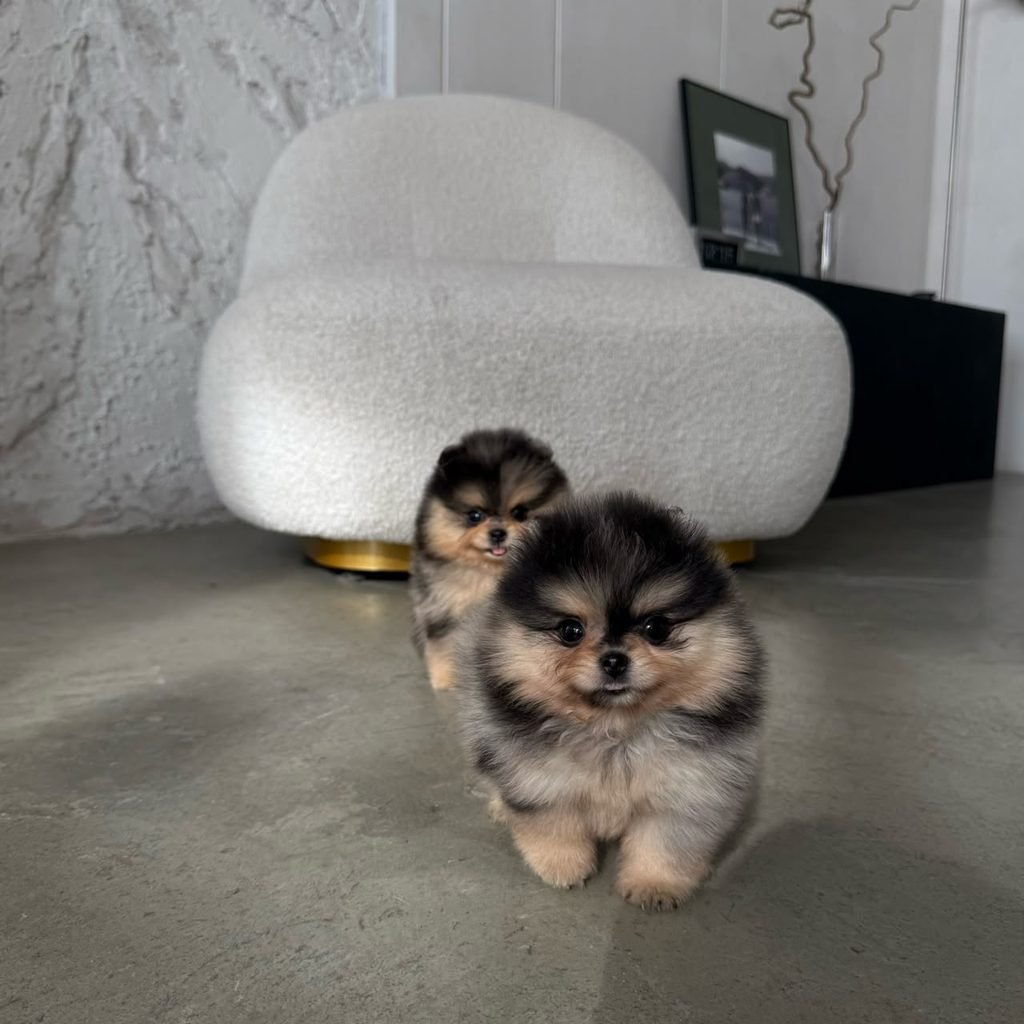
Are Pomeranians Hard to Take Care Of? For most prepared owners, Pomeranians are not necessarily difficult to care for, but they do require consistent attention. Their small size makes some aspects of ownership easier, while their fluffy coat, grooming needs, training requirements, dental care, and lively personality require regular effort.https://pomeranianblisspuppies.com/care-guide/
Pomeranians are popular companion dogs because they can fit into many different lifestyles. They can live in apartments, smaller homes, or larger houses, and they do not need a huge backyard to get appropriate exercise.
However, prospective owners should understand that a small dog is not automatically a low-maintenance dog.
A Pomeranian still needs proper nutrition, exercise, grooming, socialization, training, veterinary care, dental hygiene, and companionship.https://pomeranianblisspuppies.com/care-guide/
Are Pomeranians Hard to Take Care Of?
Are Pomeranians Hard to Take Care Of? Generally, Pomeranians are manageable for owners who are prepared to establish a consistent routine.
The main areas that require attention include:
- Grooming
- Brushing
- Exercise
- Training
- Potty training
- Dental care
- Nutrition
- Veterinary care
- Socialization
- Mental stimulation
- Nail and ear care
- Safe handling
None of these responsibilities are necessarily overwhelming on their own.
The challenge comes from doing them consistently.
If you establish routines early, Pomeranian care can become a normal part of everyday life.https://pomeranianblisspuppies.com/care-guide/
Why Pomeranians Can Be Easy to Care For
There are several characteristics that make Pomeranians convenient companions.
They Are Small
Their compact size makes transportation, handling, and indoor living relatively convenient.
You do not need a large home for a Pomeranian to have a comfortable living environment.https://pomeranianblisspuppies.com/care-guide/
They Can Exercise Without a Large Yard
Pomeranians can get exercise through walks, indoor play, training, and interactive activities.
A private backyard is helpful but not essential.
They Are Intelligent
Pomeranians can learn routines, commands, tricks, and household rules.
Training can also provide valuable mental stimulation.
They Adapt to Many Homes
With proper care, Pomeranians can live in apartments, houses, and other suitable environments.
Their living space does not need to be enormous.
What Makes Pomeranians More Challenging?
Although Are Pomeranians Hard to Take Care Of? often has a reassuring answer, there are some areas where owners need to put in extra effort.
Their Coat Requires Maintenance
Pomeranians have a fluffy double coat that needs regular grooming.
They Can Be Vocal
Some Pomeranians bark frequently when excited, bored, alert, or responding to sounds.
They Need Training
Without consistent training, small dogs can develop habits such as excessive barking, jumping, or ignoring commands.
They Need Dental Care
Their teeth should receive regular attention as part of their overall health routine.
Puppies Require Significant Supervision
A Pomeranian puppy needs more frequent bathroom breaks, training, feeding, socialization, and supervision than a well-established adult.
Pomeranian Grooming Requirements
Grooming is one of the biggest factors to consider when deciding Are Pomeranians Hard to Take Care Of?
The Pomeranian’s fluffy appearance requires regular maintenance.
A typical grooming routine can include:
- Brushing
- Bathing when appropriate
- Nail trimming
- Ear care
- Paw care
- Dental hygiene
- Coat inspection
- Professional grooming when needed
Regular brushing can help prevent tangles and keep the coat looking healthy.
It also gives you an opportunity to check for changes in your dog’s skin or coat.
How Often Should You Brush a Pomeranian?
The appropriate brushing schedule can vary depending on the dog’s coat, lifestyle, and grooming needs.
Many owners find that frequent brushing is easier than waiting for tangles to develop.
Brushing should be gentle and should not cause pain.
If you are unsure about which tools or techniques to use, ask a professional groomer to show you how to care for the coat correctly.
Do Pomeranians Shed?
Yes.
Pomeranians shed loose hair, and owners should expect some hair around the home.
Regular brushing can help collect loose hair before it ends up on furniture and floors.
If you want a dog that produces virtually no loose hair, a Pomeranian may not be the best match.
However, consistent grooming can make coat management much easier.
Do Pomeranians Need Professional Grooming?
Professional grooming is not necessarily required for every part of Pomeranian care.
Owners can learn basic maintenance at home, including regular brushing.
Professional groomers can still be helpful for:
- Bathing
- Drying
- Nail trimming
- Coat maintenance
- Sanitary grooming
- Difficult tangles
Choose a groomer who understands the needs of small, double-coated dogs.
Pomeranian Exercise Needs
Pomeranians are small, but they can be surprisingly energetic.
They generally benefit from daily opportunities for movement and mental stimulation.
Exercise can include:
- Walks
- Indoor play
- Training
- Interactive toys
- Scent games
- Supervised outdoor activities
The appropriate amount depends on age, health, fitness, and personality.
A young puppy should not be treated like an adult dog when it comes to exercise.
Do Pomeranians Need a Backyard?
No.
A Pomeranian can live without a private backyard.
Regular walks can provide exercise and mental stimulation, while indoor games can supplement outdoor activity.
This is one reason Pomeranians can work well for apartment residents.
However, living in a small space does not eliminate the need for daily activity.
Pomeranian Training
Training is another important part of responsible Pomeranian ownership.
Pomeranians can be intelligent and capable of learning many behaviors.
Useful commands include:
- Sit
- Stay
- Come
- Down
- Leave it
- Drop it
- Wait
- Quiet
- Place
Training can also help prevent common problems such as excessive barking, jumping, and inappropriate chewing.
Are Pomeranians Easy to Train?
Many Pomeranians can learn quickly when training is positive, consistent, and rewarding.
However, individual personalities differ.
Some Pomeranians may become distracted easily or decide that another activity is more interesting.
Keep training sessions short and rewarding.
Several brief sessions throughout the day can be more effective than one long session.
Pomeranian Potty Training
Potty training is one of the areas where new owners may need patience.
Pomeranian puppies are small and may need frequent bathroom opportunities.
Create a predictable schedule.
Take your puppy outside:
- After waking
- After meals
- After drinking
- After playing
- After naps
- Before bedtime
Reward appropriate elimination immediately.
Accidents are normal during puppy development.
Avoid harsh punishment and focus on supervision, routine, and positive reinforcement.
Pomeranian Barking
Some Pomeranians can be very alert.
They may bark when they hear:
- People outside
- Doorbells
- Other dogs
- Vehicles
- Hallway sounds
- Unfamiliar noises
- Visitors
- Exciting activities
If barking becomes excessive, identify the trigger.
Then work on teaching your dog an alternative response.
Reward calm behavior.
This is particularly important if you live in an apartment or close to neighbors.
Socializing a Pomeranian
Socialization should begin early and continue throughout your dog’s life.
Appropriate social experiences can include:
- Meeting new people
- Experiencing household sounds
- Visiting safe new environments
- Riding in the car
- Handling for grooming
- Veterinary handling
- Meeting appropriate dogs
Introduce experiences gradually.
The goal is to help your Pomeranian become confident without overwhelming the dog.
Pomeranian Dental Care
Dental care should be included in your regular routine.
You can discuss an appropriate dental program with your veterinarian.
Depending on your dog’s needs, this may include:
- Regular tooth brushing
- Appropriate dental products
- Veterinary dental examinations
- Professional dental cleaning when recommended
Pay attention to changes such as persistent bad breath, difficulty eating, or other unusual signs.
Feeding a Pomeranian
Pomeranians do not eat large quantities of food because of their small size, but they still need an appropriate diet.
Feed your dog according to its:
- Age
- Size
- Activity level
- Health
- Individual nutritional needs
Puppies may require a different feeding schedule from adults.
Avoid excessive treats and table scraps.
If you are unsure how much or how often to feed your Pomeranian, ask your veterinarian for guidance.
Pomeranian Veterinary Care
Routine veterinary care is an essential part of ownership.
Your veterinarian can help you manage:
- Vaccinations
- Parasite prevention
- Dental health
- Weight
- General wellness
- Nutrition
- Preventive care
- Health concerns
Establishing a relationship with a veterinary clinic before an emergency occurs is a smart part of responsible pet ownership.
Pomeranian Health Considerations
Like other breeds, Pomeranians can have breed-related health concerns.
Potential owners should research the breed and discuss appropriate preventive care with a veterinarian.
When purchasing a puppy, ask about:
- Parent health testing
- Veterinary examinations
- Vaccination records
- Health records
- Parasite prevention
- Health guarantees
- Contract terms
A responsible breeder should be willing to provide appropriate information about the puppy and its parents.
Are Pomeranians Hard to Take Care Of as Puppies?
Pomeranian puppies generally require more work than adult dogs.
A puppy may need:
- Frequent bathroom breaks
- Regular meals
- Multiple short training sessions
- Supervision
- Socialization
- Safe play
- Nap time
- Grooming practice
- Veterinary care
- Appropriate chew toys
The puppy stage requires patience.
However, establishing good routines early can make adult care significantly easier.
How Much Attention Does a Pomeranian Need?
Pomeranians are companion dogs and often enjoy being close to their owners.
They may follow you around the home or look for opportunities to interact.
At the same time, it is useful to teach your dog how to settle independently.
Gradual independence training can help your Pomeranian become comfortable when you are temporarily unavailable.
Can Pomeranians Be Left Alone?
Pomeranians can learn to spend appropriate periods alone, but this should be taught gradually.
A puppy should not immediately be expected to spend an entire workday alone.
Start with short periods and gradually build your dog’s comfort.
If you work long hours away from home, consider arrangements such as a dog walker, sitter, midday visit, or another appropriate solution.
Pomeranians and Apartment Living
Pomeranians can adapt well to apartment life.
Their small size means they do not need a large amount of floor space.
However, apartment owners should pay attention to:
- Barking
- Exercise
- Potty training
- Mental stimulation
- Elevator safety
- Balcony safety
- Noise
- Building pet rules
A small apartment can be a suitable home if the dog receives appropriate daily care.
Mental Stimulation for Pomeranians
Mental stimulation can make a big difference in your dog’s behavior.
Try activities such as:
- Puzzle toys
- Treat games
- Trick training
- Obedience exercises
- Scent games
- Hide-and-seek
- Interactive toys
- Toy rotation
These activities can help prevent boredom.
They are also convenient for apartment owners because they require very little space.
Pomeranian Care in a Busy Household
Pomeranians can fit into busy households, but their care should not be overlooked.
Create a routine for:
- Feeding
- Walking
- Training
- Grooming
- Bathroom breaks
- Play
- Rest
- Veterinary care
If several people care for the dog, everyone should understand the same household rules.
Consistency prevents confusion.
Pomeranians With Children
Pomeranians can live with families, but their small size means children should learn how to handle them safely.
Children should not:
- Pull the dog’s tail
- Grab the coat
- Chase the dog
- Disturb the dog while eating
- Take food away
- Handle the dog roughly
Young children should be supervised around dogs.
Your Pomeranian should also have a quiet area where it can rest without being disturbed.
Pomeranians With Other Pets
A Pomeranian may be able to live successfully with other pets.
However, introductions should be gradual and supervised.
Because Pomeranians are small, interactions with much larger dogs require additional caution.
Allow your Pomeranian to have its own resting area and never force animals to interact.
Common Pomeranian Care Mistakes
Assuming Small Means Easy
Small dogs still need daily care and training.
Skipping Grooming
A neglected coat can become tangled and uncomfortable.
Overfeeding
Extra calories can contribute to unhealthy weight gain.
Ignoring Dental Care
Dental health should be part of your regular routine.
Allowing Excessive Barking
Address barking early rather than allowing it to become a habit.
Not Socializing
A dog needs appropriate exposure to people, places, sounds, and experiences.
Treating Training as Optional
Small dogs need boundaries just like larger dogs.
Leaving a Puppy Alone for Too Long
Young puppies require more frequent care and supervision.
How to Make Pomeranian Care Easier
A consistent routine is one of the best ways to simplify ownership.
Create a Grooming Schedule
Brush your Pomeranian regularly instead of waiting for tangles.
Build Exercise Into Your Day
Regular walks and play can become part of your normal schedule.
Train in Short Sessions
Practice commands for a few minutes at a time.
Prepare Supplies
Keep food, grooming supplies, toys, cleaning products, and veterinary information organized.
Establish a Veterinary Relationship
Routine preventive care is easier when you already have a trusted clinic.
Teach Good Habits Early
Preventing unwanted behaviors is often easier than correcting established habits.
Pomeranian Daily Care Checklist
A basic daily routine can include:
- Fresh water
- Appropriate meals
- Bathroom breaks
- Walk or exercise
- Mental stimulation
- Training
- Social interaction
- Coat check
- Safe play
- Rest time
- Dental care as appropriate
Weekly or periodic tasks can include deeper grooming, nail care, cleaning bedding, and reviewing your dog’s overall condition.
Are Pomeranians Hard to Take Care Of for First-Time Owners?
Are Pomeranians Hard to Take Care Of? For a first-time owner, they can be manageable if the owner is prepared.
The most important thing is not previous dog ownership experience.
It is willingness to learn.
A first-time Pomeranian owner should be prepared to learn about:
- Puppy development
- Training
- Grooming
- Nutrition
- Exercise
- Socialization
- Dental care
- Veterinary care
- Safe handling
- Responsible ownership
With preparation and consistency, many first-time owners can successfully care for a Pomeranian.
Is a Pomeranian a Good Choice for You?
Before bringing one home, ask yourself:
Do I have enough time?
Pomeranians need attention, training, exercise, grooming, and companionship.
Can I afford ongoing care?
Budget for food, grooming, veterinary care, supplies, and unexpected expenses.
Can I commit to training?
A well-behaved Pomeranian does not happen automatically.
Can I maintain the coat?
The fluffy appearance requires regular grooming.
Can I provide daily activity?
Your Pomeranian needs appropriate physical and mental stimulation.
Can I provide lifelong care?
Getting a dog is a long-term commitment.
If you can confidently answer these questions, you may be well prepared for Pomeranian ownership.
Frequently Asked Questions
Are Pomeranians Hard to Take Care Of?
No, Pomeranians are not necessarily difficult to care for, but they require consistent grooming, training, exercise, dental care, nutrition, and veterinary attention.
Are Pomeranians high maintenance?
They can be moderately high maintenance, particularly because of their fluffy coat and grooming requirements.
Do Pomeranians need a lot of grooming?
Yes. Regular brushing and coat maintenance are important for keeping their fluffy coat in good condition.
Do Pomeranians need a lot of exercise?
They need regular daily activity, but their small size means their exercise needs can often be met through walks, play, and training without a large yard.
Are Pomeranians difficult to train?
Many Pomeranians can learn quickly with positive and consistent training. Some may be independent or easily distracted.
Are Pomeranians good apartment dogs?
Yes. Their small size makes them adaptable to apartment living, provided they receive sufficient exercise, training, enrichment, and attention.
Are Pomeranians good for first-time owners?
They can be. First-time owners should be prepared for grooming, training, socialization, dental care, exercise, and veterinary responsibilities.
Do Pomeranians shed?
Yes. Pomeranians shed and require regular brushing to help manage loose hair and maintain their coat.
How much attention do Pomeranians need?
They often enjoy spending time with their owners, but they should also gradually learn to relax independently.
Are Pomeranian puppies hard to care for?
Puppies require more supervision and frequent care than adults, particularly for potty training, socialization, feeding, and basic training.
Final Thoughts: Are Pomeranians Hard to Take Care Of?
Are Pomeranians Hard to Take Care Of? For most prepared owners, they are manageable rather than extremely difficult. Their small size, adaptability, intelligence, and playful personality can make them wonderful companion dogs.
The areas that require the most commitment are usually grooming, training, dental care, socialization, exercise, and veterinary care.
A Pomeranian does not need a huge home or a large backyard, but it does need an owner who is willing to provide consistent daily care.
If you establish routines, train your dog from an early age, maintain the coat, provide appropriate exercise and enrichment, and stay on top of veterinary care, Pomeranian ownership can be a rewarding experience.
The best question is not simply whether Pomeranians are hard to take care of. Instead, consider whether their needs fit your schedule, budget, home, and lifestyle. When the match is right, the care required can become a manageable and enjoyable part of life with your Pomeranian.https://pomeranianblisspuppies.com/care-guide/