October 3, 2026
Are Pomeranians Good Apartment Dogs? – What to Know Before Getting One
Are Pomeranians Good Apartment Dogs?
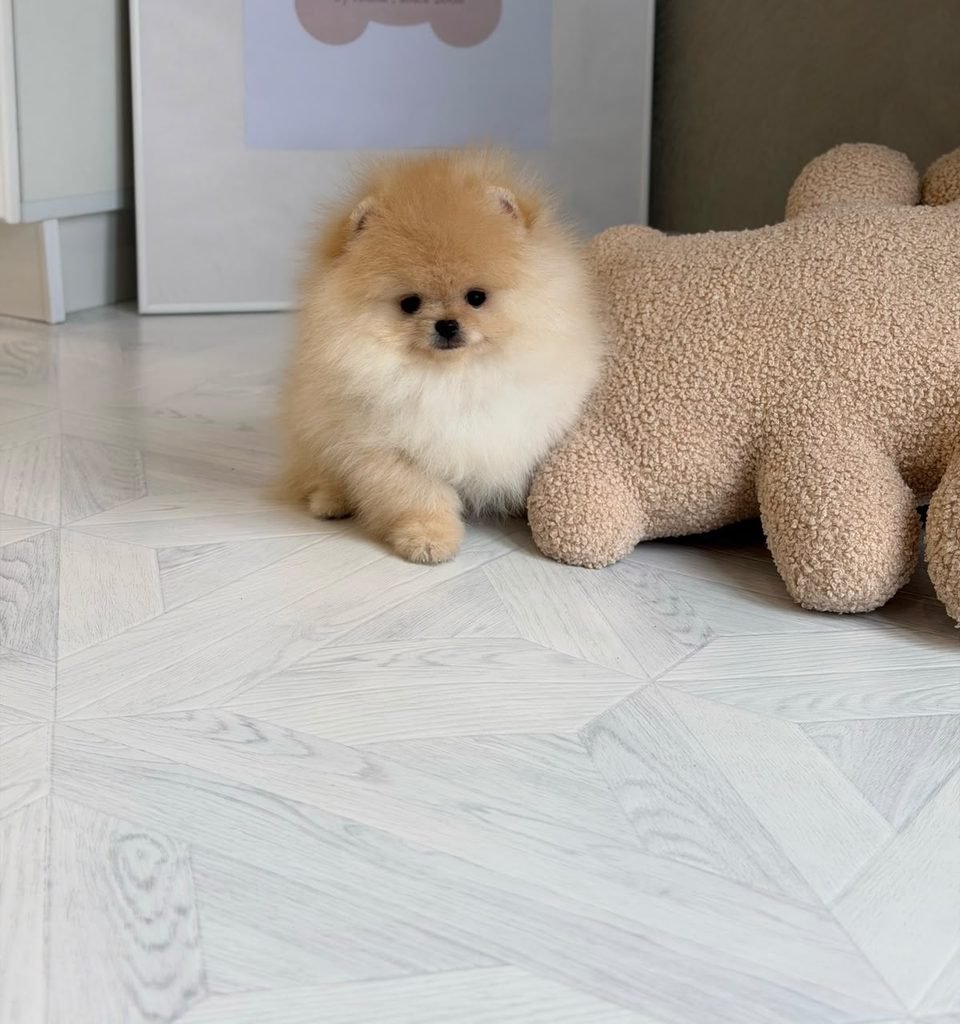
Are Pomeranians Good Apartment Dogs? For many households, the answer can be yes. Pomeranians are small, adaptable companion dogs that can live comfortably in apartments when their physical, mental, social, and training needs are properly managed.https://pomeranianblisspuppies.com/puppies/
Their compact size makes them convenient for smaller living spaces, but apartment living is not simply about having a small dog. A Pomeranian still needs daily exercise, mental stimulation, training, grooming, socialization, attention, and a consistent routine.
If you are considering bringing a Pomeranian into an apartment, it is important to understand what everyday life with this energetic little breed can look like.https://pomeranianblisspuppies.com/puppies/
Are Pomeranians Good Apartment Dogs?
Are Pomeranians Good Apartment Dogs? In general, Pomeranians can adapt very well to apartment living.
One of their biggest advantages is their small size. They do not need a large backyard to move around, and many of their daily activities can be managed indoors along with regular walks and outdoor time.
However, size alone does not determine whether a dog will be comfortable in an apartment.
Pomeranians are intelligent, alert, playful, and often energetic for their size. Without enough exercise and mental stimulation, they can become bored or develop unwanted behaviors.https://pomeranianblisspuppies.com/puppies/
A well-exercised and well-trained Pomeranian can enjoy apartment life just as much as living in a larger home.
Why Pomeranians Can Be Good Apartment Dogs
There are several characteristics that make Pomeranians appealing to apartment residents.
Their Small Size
A Pomeranian is a toy breed, making it much easier to accommodate than a large or giant dog.
A small dog generally requires less floor space for everyday activities such as resting, playing, eating, and moving around the home.
This does not mean a Pomeranian should spend all day indoors without exercise. It simply means you can meet many of their needs without having a large house or yard.https://pomeranianblisspuppies.com/puppies/
They Can Exercise in Small Spaces
Pomeranians can play indoors with appropriately sized toys and participate in short training sessions without requiring a huge amount of space.
A hallway, living room, or other safe area can provide opportunities for simple games and training.
Indoor activities can be especially useful when weather makes outdoor exercise inconvenient.
They Often Enjoy Being Near Their Owners
Pomeranians are companion dogs and often enjoy spending time with their people.
For an apartment resident who wants a small dog that can participate in everyday household life, this can be a major advantage.
Your Pomeranian may be happy relaxing near you while you work, read, watch television, or complete household tasks.
They Are Adaptable
Pomeranians can adapt to different household environments when their basic needs are consistently met.
A larger home is not automatically better for a dog. A smaller apartment with regular exercise, enrichment, training, and attention can be a good environment for a Pomeranian.
How Much Exercise Does a Pomeranian Need in an Apartment?
One of the most important considerations when asking Are Pomeranians Good Apartment Dogs? is exercise.
Pomeranians are small, but they are not completely inactive.
Daily walks and play sessions can help your dog stay physically active and mentally engaged.
A typical routine might include:
- A morning walk
- Short training sessions
- Indoor play
- Another walk later in the day
- Interactive toys
- Brief outdoor bathroom breaks
- Mental enrichment
The exact amount of activity your Pomeranian needs depends on age, health, personality, and individual energy level.
Puppies Need a Different Routine
Pomeranian puppies have different needs from adult dogs.
A young puppy may need frequent bathroom breaks, several short play periods, naps, feeding according to an appropriate schedule, and short training sessions.
Instead of expecting a puppy to take long walks, focus on age-appropriate activity and gradual development.
Your veterinarian can help you determine an appropriate exercise routine for your puppy.
Are Pomeranians Too Energetic for Apartments?
A common misconception is that every small dog is automatically calm.
Pomeranians can be surprisingly lively.
They may enjoy:
- Playing with toys
- Learning tricks
- Short walks
- Exploring new environments
- Training games
- Interactive activities
- Spending time with their owners
The advantage is that their activity can often be managed through a combination of indoor enrichment and outdoor walks.
The goal is not to exhaust your Pomeranian. Instead, provide appropriate daily physical and mental stimulation.
Pomeranians and Apartment Barking
Barking is one of the biggest issues to consider when deciding Are Pomeranians Good Apartment Dogs?
Pomeranians can be alert and vocal. They may notice sounds in hallways, elevators, neighboring apartments, visitors, vehicles, or people outside windows.
In an apartment building, these sounds can occur frequently.
This makes early training particularly important.
How to Reduce Excessive Barking
You can teach your Pomeranian appropriate behavior by:
- Identifying what triggers the barking.
- Avoiding unnecessary reinforcement of barking.
- Teaching a calm or quiet cue.
- Rewarding calm behavior.
- Providing sufficient exercise.
- Giving your dog mental stimulation.
- Limiting access to constant visual triggers when appropriate.
- Socializing your dog gradually.
Do not assume that shouting at your dog will solve barking. In some situations, loud reactions can increase excitement.
Instead, work on teaching your dog what behavior you want.
Can Pomeranians Live in High-Rise Apartments?
Yes, a Pomeranian can live in a high-rise apartment, provided the environment is safe and the dog’s needs are met.
High-rise living requires additional attention to safety.
Windows, balconies, elevators, stairways, and common areas should all be considered.
Never assume that a small dog cannot escape through an opening simply because the dog appears too small.
Use appropriate barriers and supervision around windows and balconies.
You should also make sure your Pomeranian is comfortable with elevators, hallways, unfamiliar people, and other common apartment experiences.
Apartment Training for a Pomeranian
Training is particularly important when living close to neighbors.
A well-trained Pomeranian is easier to manage in shared spaces.
Important skills include:
- Sit
- Stay
- Come
- Leave it
- Wait
- Drop it
- Quiet
- Loose-leash walking
- Name recognition
- Crate training
- Appropriate greeting behavior
Short training sessions can be surprisingly effective.
Pomeranians are intelligent and can enjoy learning tricks and obedience behaviors when training is consistent and rewarding.
Potty Training a Pomeranian in an Apartment
Potty training can require patience regardless of where you live.
Apartment residents may face an additional challenge because getting outside can take longer than simply opening a back door.
You may need to walk through:
- A hallway
- An elevator
- A lobby
- A staircase
- A parking area
- A shared outdoor space
For a young puppy, this can make planning especially important.
Establish a predictable bathroom schedule and take your puppy out consistently.
Watch for signs that your puppy needs to eliminate, and reward appropriate bathroom behavior.
If you choose an indoor potty option, discuss the routine with your trainer or veterinarian and make sure it fits your long-term training goals.
Pomeranians and Apartment Neighbors
Your neighbors are an important part of apartment living.
Even if you love hearing your dog play, other residents may be disturbed by repeated barking or excessive noise.
Try to identify apartment-specific triggers early.
For example, your Pomeranian may react to footsteps outside the door.
You can gradually teach your dog that hallway noises do not always require a response.
Reward calm behavior when your dog hears ordinary household or building sounds.
Can Pomeranians Be Left Alone in an Apartment?
This depends heavily on the individual dog.
Pomeranians can become attached to their owners, so it is important to teach puppies how to spend appropriate periods of time alone.
A puppy should not simply be brought into an apartment and expected to remain alone for an entire workday immediately.
Instead, build independence gradually.
You can practice short periods of separation while your puppy is comfortable and safe.
Provide appropriate enrichment and establish a predictable routine.
If you regularly work long hours away from home, consider whether you can provide a midday potty break, dog walker, sitter, daycare, or another suitable arrangement.
Creating a Comfortable Apartment for Your Pomeranian
You do not need a huge apartment to create a comfortable environment.
Focus on quality rather than square footage.
Your Pomeranian should have:
- A comfortable sleeping area
- Food and water bowls
- Appropriate toys
- A safe place to relax
- Grooming supplies
- A secure walking harness or collar
- Identification
- A crate if crate training is part of your routine
- Safe flooring and accessible areas
- A designated bathroom routine
Keep small objects, cords, household chemicals, and other hazards out of reach.
Because Pomeranians are small, objects that seem harmless in a larger dog household may present a greater risk.
Do Pomeranians Need a Backyard?
No.
A backyard can be convenient, but it is not a requirement for having a Pomeranian.
Apartment owners can meet a Pomeranian’s exercise needs through walks, play, training, and enrichment.
A yard should never be considered a substitute for interaction with your dog.
Even dogs with access to outdoor space benefit from walks and opportunities to experience different environments.
Pomeranian Grooming in an Apartment
Grooming is another consideration when asking Are Pomeranians Good Apartment Dogs?
Pomeranians have a fluffy double coat that requires regular maintenance.
Their grooming routine may include:
- Regular brushing
- Bathing when appropriate
- Nail trimming
- Ear care
- Dental care
- Coat inspection
- Professional grooming when needed
Regular brushing can help keep the coat clean and reduce tangles.
Because grooming can produce loose hair, keeping a small vacuum or cleaning routine can make apartment life easier.
Are Pomeranians Good for Small Apartments?
Pomeranians can live in small apartments if their needs are properly addressed.
The most important questions are not simply:
“How many square feet is the apartment?”
Instead, consider:
- Can I provide daily exercise?
- Can I manage barking?
- Can I provide training?
- Is the building pet-friendly?
- Are there restrictions on dogs?
- Can I provide regular bathroom breaks?
- Can I afford veterinary care?
- Can I provide grooming?
- Can I give the dog appropriate attention?
- Is the apartment environment safe?
A small apartment can work when the owner’s routine is compatible with the dog’s needs.
Pomeranians in Apartments With Other Pets
Pomeranians can live with other pets, but introductions should be handled carefully.
Their small size means that interactions with much larger dogs should be supervised.
Do not assume that two dogs will automatically become friends.
Introduce pets gradually in controlled environments.
Give each animal appropriate space and watch for signs of stress or discomfort.
A Pomeranian living with another pet should also have opportunities to rest without being constantly disturbed.
Are Pomeranians Good Apartment Dogs for First-Time Owners?
For some first-time owners, Pomeranians can be a manageable choice.
Their small size makes certain aspects of daily care easier, but they still require responsible ownership.
A first-time owner should be prepared to learn about:
- Training
- Socialization
- Grooming
- Nutrition
- Exercise
- Dental care
- Veterinary visits
- Safe handling
- Barking management
- Puppy development
The fact that a Pomeranian is small does not mean the breed requires little work.
Responsible preparation is especially important with puppies.
Apartment Safety for Pomeranians
Safety deserves special attention because of the breed’s small size.
Consider the following apartment precautions:
Secure Windows and Balconies
Do not allow your dog unsupervised access to unsafe windows or balconies.
Use a Secure Harness
A properly fitted harness can be useful for walks, particularly when navigating busy apartment areas.
Watch Elevator Doors
Keep your Pomeranian close when entering and leaving elevators.
Be Careful Around Larger Dogs
Always supervise interactions and give your dog space when necessary.
Keep Dangerous Items Away
Cleaning products, medications, toxic foods, electrical cords, and small objects should be safely stored.
Keep Identification Current
Your dog’s identification and microchip information should remain up to date.
What Is the Best Apartment Routine for a Pomeranian?
A consistent routine can make apartment life easier.
A sample adult routine could look like this:
Morning:
Bathroom break, walk, breakfast, and a short training session.
Midday:
Bathroom break, play, and mental enrichment.
Afternoon:
Rest and quiet time.
Evening:
Walk, play, training, dinner, and family interaction.
Before bed:
Final bathroom break and a calm bedtime routine.
The exact schedule should be adjusted according to your dog’s age, health, feeding routine, and individual needs.
Mental Stimulation for Apartment Pomeranians
Physical exercise is only one part of keeping your Pomeranian happy.
Mental stimulation can be especially valuable when living in a smaller space.
Try activities such as:
- Basic obedience training
- Trick training
- Puzzle toys
- Food-dispensing toys
- Hide-and-seek games
- Scent games
- Toy rotation
- Short indoor training sessions
You do not need an enormous home to provide meaningful enrichment.
A few minutes of focused training can give your dog an opportunity to think and learn.
Common Apartment Mistakes Pomeranian Owners Should Avoid
Even when Are Pomeranians Good Apartment Dogs? has a positive answer for a particular household, poor management can create problems.
Avoid these common mistakes:
Assuming Small Means Low-Maintenance
Pomeranians are small, but they still need daily care.
Ignoring Barking
Apartment barking can quickly become a neighborhood problem.
Skipping Socialization
A dog that rarely experiences different people, environments, sounds, and situations may become fearful or reactive.
Providing Too Little Exercise
Small dogs still need appropriate physical activity.
Overfeeding
Because Pomeranians are small, unnecessary weight gain can have a significant effect on their overall condition.
Neglecting Dental Care
Small breeds can require particular attention to dental hygiene.
Leaving a Puppy Alone for Too Long
Young puppies need frequent bathroom opportunities, supervision, training, and social interaction.
Forgetting Building Rules
Always review your apartment’s pet policies before bringing home a dog.
What to Check Before Bringing a Pomeranian Into an Apartment
Before bringing your puppy home, check:
- Pet restrictions
- Breed restrictions
- Weight limits
- Pet deposits
- Monthly pet fees
- Noise policies
- Elevator access
- Nearby walking areas
- Veterinary clinics
- Groomers
- Emergency veterinary services
- Dog-friendly parks
- Safe bathroom areas
This preparation can prevent unpleasant surprises after you bring your Pomeranian home.
Choosing a Pomeranian for Apartment Living
When choosing a Pomeranian puppy, look beyond appearance.
Ask about:
- Health history
- Veterinary examinations
- Vaccinations
- Parasite prevention
- Parent health testing
- Socialization
- Feeding routine
- Puppy temperament
- Registration documentation, when applicable
- Contract terms
- Return policies
A responsible breeder should be willing to answer reasonable questions about the puppy and its parents.
The American Kennel Club also provides breed information and resources that can help prospective owners understand the Pomeranian.
Are Pomeranians Good Apartment Dogs for Busy Owners?
A busy schedule does not automatically rule out owning a Pomeranian.
However, your schedule needs to accommodate the dog’s needs.
If you work from home, your Pomeranian may enjoy having you nearby, but you should still teach appropriate independence.
If you work outside the home for long periods, plan for bathroom breaks and companionship.
Your lifestyle should determine whether you can responsibly care for a dog rather than simply choosing a breed based on size.
Benefits of Having a Pomeranian in an Apartment
For the right household, apartment living with a Pomeranian can have several advantages.
These include:
- Small physical size
- Easy transportation
- Ability to exercise indoors
- Companionable personality
- Suitability for many urban environments
- Less space required than larger breeds
- Enjoyment of interactive play
- Ability to participate in many family activities
These benefits work best when combined with responsible training and daily care.
Potential Challenges of Apartment Living With a Pomeranian
There are also challenges.
These may include:
- Barking
- Potty-training logistics
- Limited outdoor space
- Elevator and hallway encounters
- Neighbor concerns
- Grooming and shedding
- Separation issues
- Need for regular exercise
- Small-dog safety concerns
Understanding these challenges before getting a puppy can help you prepare.
Frequently Asked Questions
Are Pomeranians Good Apartment Dogs?
Yes, Pomeranians can be good apartment dogs when they receive appropriate exercise, training, socialization, grooming, attention, and mental stimulation.
Do Pomeranians need a lot of space?
No. Their small size means they can live comfortably in relatively small homes, provided their daily physical and mental needs are met.
Can a Pomeranian live in a studio apartment?
A Pomeranian can live in a studio apartment if the space is safe and the owner provides sufficient exercise, enrichment, training, and bathroom opportunities.
Are Pomeranians noisy in apartments?
Some Pomeranians can be vocal. Early training, socialization, appropriate exercise, and management of barking triggers can help.
Do Pomeranians need a backyard?
No. Regular walks, play, training, and enrichment can provide exercise without a private yard.
Can Pomeranians live in high-rise apartments?
Yes, but owners should pay particular attention to balcony, window, elevator, hallway, and leash safety.
Can Pomeranians be left alone?
They can learn to spend appropriate periods alone, but this should be taught gradually. Puppies have more frequent care and bathroom needs than adult dogs.
Are Pomeranians good for first-time apartment owners?
They can be, provided the owner is prepared for training, grooming, exercise, socialization, veterinary care, and responsible daily management.
Do Pomeranians need daily walks?
Regular walks are a useful part of a healthy routine. The amount and intensity should be appropriate for the dog’s age, health, and individual needs.
Are Pomeranians suitable for city living?
They can adapt well to city environments when properly socialized and when their exercise, training, safety, and companionship needs are met.
Final Thoughts: Are Pomeranians Good Apartment Dogs?
Are Pomeranians Good Apartment Dogs? For many owners, yes. Their compact size, playful personality, and adaptability can make them a good match for apartment living.
However, successful apartment ownership depends on much more than the size of your home.
Your Pomeranian still needs regular exercise, mental stimulation, training, socialization, grooming, veterinary care, safe handling, and companionship.
If you can provide those things, a Pomeranian can enjoy life in an apartment without needing a large backyard.
Before bringing one home, evaluate your building, schedule, budget, daily routine, and ability to meet the dog’s needs. Choosing a dog based on lifestyle compatibility is one of the most important steps toward creating a happy and responsible long-term relationship.https://pomeranianblisspuppies.com/puppies/