October 18, 2026
Pomeranian Puppy Energy Level – Exercise Needs, Playtime & Daily Activity
Pomeranian Puppy Energy Level: Exercise and Care
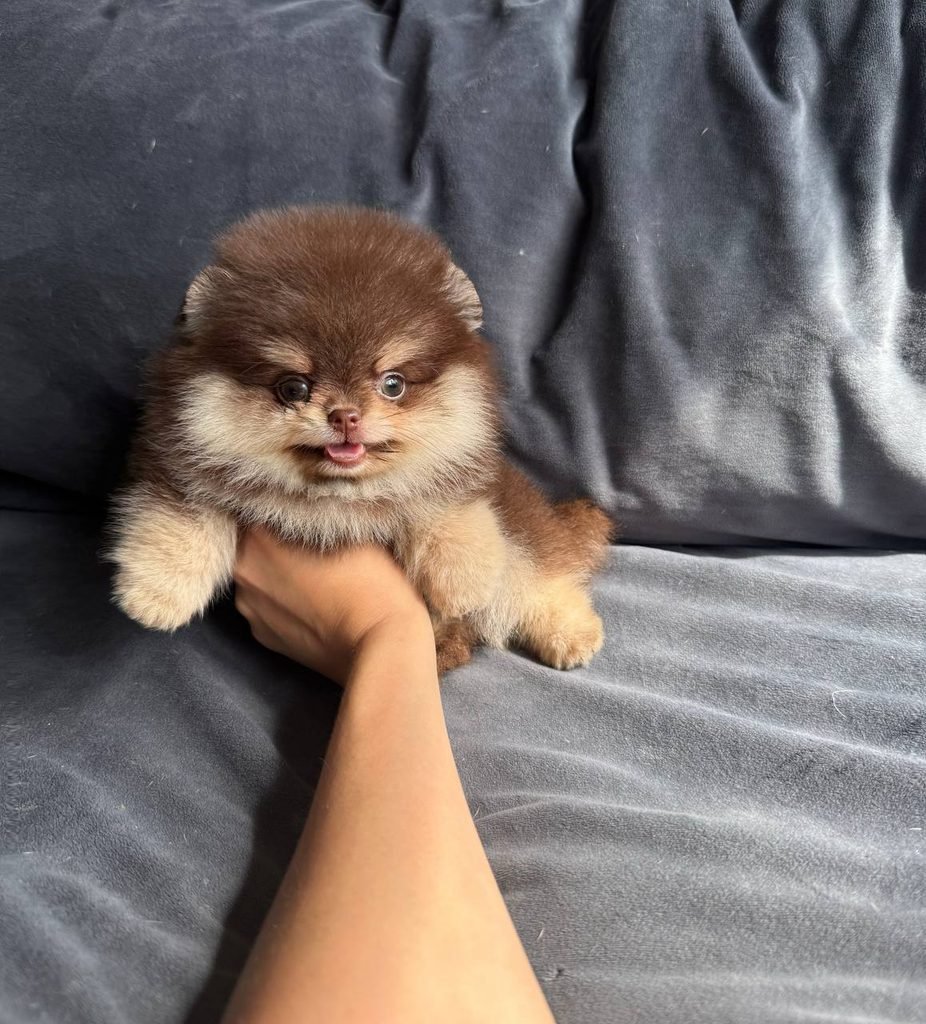
The Pomeranian puppy energy level may surprise new owners because these tiny dogs are often lively, curious, playful, and eager to explore. Although Pomeranians are small enough to live comfortably in many homes and apartments, they still need daily activity, mental stimulation, training, and plenty of rest.https://pomeranianblisspuppies.com/solution/
Understanding your puppy’s energy needs helps you create a healthy routine without overexercising a growing dog. Some Pomeranian puppies enjoy frequent bursts of play followed by naps, while others are calmer and prefer relaxing beside their owners. Age, health, temperament, environment, and daily habits all influence activity levels.
In this guide, you will learn how energetic Pomeranian puppies are, how much exercise they need, how to recognize tiredness, and how to manage an active puppy at home.https://pomeranianblisspuppies.com/solution/
What Is the Typical Pomeranian Puppy Energy Level?
The typical Pomeranian puppy energy level is moderate to high in short bursts. Pomeranians are alert, intelligent, and playful. They may race around the living room, chase toys, investigate new objects, and enthusiastically greet familiar people before settling down to sleep.https://pomeranianblisspuppies.com/solution/
Their small size does not mean they should spend the entire day resting. Puppies need opportunities to move, explore, learn, and interact with their families. However, they do not need intense or prolonged exercise to stay healthy.
Many Pomeranians enjoy short play sessions throughout the day rather than one long workout. This pattern suits their small bodies and helps prevent exhaustion.
Individual puppies can differ significantly. One puppy may want to play whenever someone enters the room, while another may be content with a few games and a quiet afternoon. Focus on your puppy’s behavior instead of comparing them with other dogs.
Are Pomeranian Puppies High-Energy Dogs?
Pomeranians are generally lively companion dogs, but they are not all equally energetic. Their energy often appears as curiosity, alertness, quick movements, and enthusiasm for interactive games.
A playful Pomeranian puppy may enjoy:
- Chasing a soft toy across a safe room.
- Playing gentle games with family members.
- Learning basic obedience cues.
- Exploring new smells during suitable walks.
- Practicing short training exercises.
- Playing with appropriate puzzle toys.
- Following their owner around the home.
The Pomeranian puppy energy level can also change throughout the day. A puppy may be extremely active after waking up and eating, then become sleepy after a short period of play.
Avoid assuming that a puppy who runs around constantly needs more exercise. Some puppies become more excitable when overtired and need a calm environment and a nap instead.
How Age Affects Pomeranian Puppy Energy Level
A puppy’s activity needs change as they grow. Their body, coordination, attention span, and ability to manage excitement develop over time.
Young Puppies
Very young puppies spend much of their time sleeping and growing. When awake, they may explore briefly, play with littermates or toys, and then return to rest.
Keep activities gentle and brief. Avoid forcing exercise or expecting a young puppy to keep moving when they want to stop.
Growing Puppies
As puppies become more coordinated and confident, they often become more interested in games, training, and exploring their surroundings. This is a good time to introduce short walks when appropriate, gentle play, and positive training sessions.
The Pomeranian puppy energy level may appear especially high during this stage because puppies are learning about the world and have not yet developed mature impulse control.
Adolescence
Adolescent Pomeranians may become more independent, energetic, distractible, or vocal. They might test boundaries, become excited around visitors, or struggle to settle after stimulating activities.
Maintain consistent routines, reward calm behavior, and continue teaching basic manners. Keep exercise appropriate for your dog’s development rather than increasing activity simply because your puppy seems restless.
How Much Exercise Does a Pomeranian Puppy Need?
Pomeranian puppies generally benefit from several short, gentle activity sessions spread throughout the day. The right amount depends on age, health, weather, individual stamina, and veterinary guidance.
Suitable activities include indoor play, short exploratory walks when safe, gentle games, and brief training sessions. Let your puppy pause, drink water, rest, or stop when they show signs of tiredness.
Do not rely on a strict exercise formula for every puppy. Avoid long forced walks, repetitive jumping, strenuous running, and excessive stair climbing, especially while your puppy is still growing.
If you are unsure how much activity is appropriate for your puppy’s age or health, ask your veterinarian for individualized advice.
Best Ways to Manage an Active Pomeranian Puppy
1. Schedule Short Play Sessions
Rather than expecting your puppy to exercise for a long time at once, offer several brief opportunities to play. Use lightweight toys and play on a surface that provides good traction.
Stop before your puppy becomes exhausted. Short sessions also provide opportunities to practice taking breaks and responding to cues.
2. Use Interactive Toys
Interactive toys can provide mental stimulation while encouraging gentle movement. Try suitable food puzzles, soft toys, or supervised games that encourage your puppy to investigate and think.
Choose toys designed for small puppies, inspect them for damage, and supervise play to reduce choking or swallowing risks.
3. Teach Basic Commands
Training uses mental energy and helps your puppy develop useful everyday skills. Start with simple cues such as their name, come, sit, and settle.
Keep sessions short and reward desired behavior with praise, play, or small treats. End on a positive note before your puppy loses interest.
4. Add Safe Exploration
Let your puppy investigate safe areas of your home and explore suitable outdoor environments. New smells, surfaces, and sounds provide mental enrichment as well as physical activity.
Follow your veterinarian’s advice about vaccination and disease risks before allowing your puppy to walk in public areas or meet unfamiliar dogs.
5. Encourage Calm Time
Learning to relax is just as important as learning to play. Give your puppy a comfortable resting space away from excessive noise and activity.
Reward calm behavior when your puppy lies down quietly. You can also introduce a consistent cue, such as “settle,” to help them learn that resting is part of the daily routine.
Indoor Activities for Pomeranian Puppies
Indoor games are especially useful when the weather is poor, outdoor areas are unsuitable, or your puppy needs a short activity between naps.
Consider these options:
- Toy chase: Move a soft toy along the floor and allow your puppy to follow it without jumping excessively.
- Find the treat: Hide a few small treats in easy-to-find places and encourage your puppy to sniff them out.
- Name recognition: Say your puppy’s name and reward them for looking toward you.
- Gentle tug: Use a lightweight toy and keep movements controlled. Avoid forceful pulling.
- Short training games: Practice one or two simple cues for a few minutes.
- Food puzzles: Use an appropriate puzzle toy that is easy for a small puppy to manipulate.
The Pomeranian puppy energy level is easier to manage when physical activity and mental challenges are balanced with adequate sleep.
How Much Sleep Does a Pomeranian Puppy Need?
Puppies need substantial sleep to support healthy growth, learning, and development. Young puppies may sleep for much of the day, with activity occurring in short periods between naps.
If your puppy becomes unusually excitable, starts nipping more, struggles to pay attention, or cannot settle after playing, they may be tired rather than under-exercised.
Create a predictable routine that includes meals, toilet breaks, play, training, and quiet rest. Provide a comfortable place where your puppy can sleep without being repeatedly disturbed.
Do not wake a sleeping puppy simply to complete an exercise session. Allow them to rest and resume activities when they wake naturally.
Signs Your Pomeranian Puppy Needs More Activity
A puppy who lacks suitable enrichment may show behaviors such as:
- Repeatedly seeking interaction when awake.
- Frequently bringing toys to family members.
- Becoming restless during long periods without engagement.
- Exploring household objects out of boredom.
- Having difficulty occupying themselves with appropriate toys.
These signs do not automatically mean your puppy needs more physical exercise. Boredom, lack of training, attention-seeking, and an inconsistent routine can look similar.
Try adding a short training session, a supervised sniffing game, or a suitable toy. If the behavior continues, review the puppy’s sleep, environment, and routine before increasing exercise.
Signs Your Pomeranian Puppy Is Overtired
An overtired puppy may appear more energetic instead of calmer. They might zoom around the room, bite at hands or clothing, bark excessively, ignore familiar cues, or become unusually difficult to settle.
Other signs of excessive activity can include lagging behind on a walk, repeatedly sitting down, lying down, or losing interest in play.
When you notice these signs, reduce stimulation and provide a quiet opportunity to rest. Avoid trying to exhaust your puppy with more games.
If your puppy shows unusual weakness, persistent heavy panting, difficulty breathing, collapse, or other concerning symptoms, stop the activity and seek veterinary advice promptly.
Does the Pomeranian Puppy Energy Level Make This Breed Suitable for Apartments?
Pomeranians can adapt well to apartment living because they are small and can exercise through a combination of indoor play, short walks, and mental enrichment.
However, apartment living does not remove their need for activity and interaction. Puppies still require toilet breaks, training, socialization, and opportunities to explore safely.
Barking can also be a consideration in apartments. Teach calm behavior, reward quiet moments, and help your puppy become comfortable with ordinary hallway and neighborhood sounds.
With a suitable daily routine, many Pomeranians can live happily in smaller homes without needing a large yard.
Feeding and Hydration for an Active Pomeranian Puppy
Growing puppies need a balanced diet formulated for their life stage. Follow your veterinarian’s feeding recommendations and the food manufacturer’s guidance, adjusting portions according to your puppy’s growth and body condition.
Because small puppies have small bodies and can be vulnerable to low blood sugar, particularly when very young or unwell, avoid prolonged fasting and discuss an appropriate meal schedule with your veterinarian.
Keep fresh water available, especially after play. Do not encourage strenuous activity immediately after meals, and avoid using excessive treats during training. Treats should be small and accounted for as part of the overall diet.
Common Mistakes When Managing Pomeranian Puppy Energy Level
Overexercising a Small Puppy
Long walks, repetitive jumping, and intense play can place unnecessary strain on a growing puppy. Increase activities gradually and follow veterinary guidance.
Assuming Every Burst of Energy Means Boredom
Puppies often become more excitable when they are overtired. Look at their sleep and behavior before adding more activity.
Ignoring Mental Stimulation
Physical play alone may not meet every puppy’s needs. Include sniffing, training, exploration, and suitable interactive toys.
Allowing Constant Unstructured Activity
Puppies benefit from learning when to play and when to relax. A predictable routine can help prevent overstimulation.
Comparing Your Puppy With Others
Temperament, age, health, and individual preferences all affect activity. Use your own puppy’s behavior and veterinary advice to guide decisions.
Frequently Asked Questions
Are Pomeranian puppies more energetic than adult Pomeranians?
Puppies often have short, lively bursts of activity and need frequent rest. Adult Pomeranians may have more predictable routines, although individual energy levels vary.
Can a Pomeranian puppy get enough exercise indoors?
Indoor play, training, sniffing games, and puzzle toys can provide useful activity. Puppies also benefit from safe outdoor experiences and walks when appropriate for their health and vaccination status.
Why is my Pomeranian puppy hyper at night?
Evening excitement may be related to overtiredness, a stimulating day, attention-seeking, or an inconsistent routine. Try a calm evening schedule with a toilet break, gentle activity, and a quiet sleeping environment.
Should I walk my Pomeranian puppy every day?
Age-appropriate outdoor exploration can be beneficial when it is safe for your puppy. Keep walks short and gentle, follow your veterinarian’s guidance, and allow your puppy to rest when needed.
How can I calm an energetic Pomeranian puppy?
Reduce stimulation, offer a quiet resting place, reward calm behavior, and maintain predictable periods for play and sleep. If your puppy is restless because of fear, discomfort, or a medical issue, address the underlying cause.
Helpful Resources for Pomeranian Owners
For additional information, visit the American Kennel Club’s Pomeranian breed page and its dog training resources. Your veterinarian can also help you choose an exercise routine suited to your puppy’s age, growth, and health.
Conclusion
The Pomeranian puppy energy level is often lively and playful, but each puppy needs a balanced combination of movement, mental stimulation, training, and rest. Short play sessions, gentle exploration, interactive toys, and positive training can help your puppy use their energy in healthy ways.
Watch for signs of tiredness, avoid strenuous exercise, and maintain a consistent daily routine. With patience and appropriate care, your Pomeranian can develop good habits and grow into a happy, well-adjusted companion.https://pomeranianblisspuppies.com/solution/