October 18, 2026
Pomeranian Puppy Socialization – How to Raise a Confident, Friendly Dog
Pomeranian Puppy Socialization: A Complete Guide
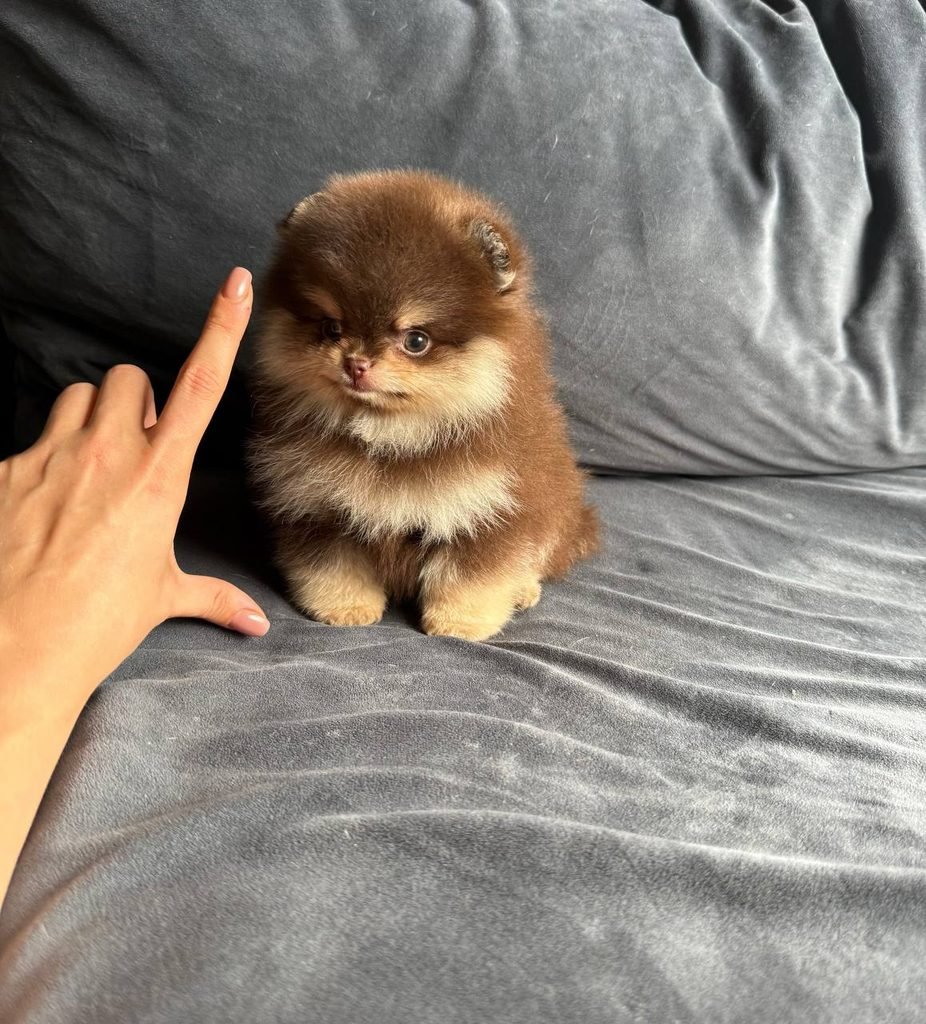
Pomeranian puppy socialization is one of the most important parts of raising a confident, friendly, and well-adjusted dog. Pomeranians are small, intelligent, alert, and often full of personality. Introducing your puppy to new people, sounds, places, animals, and everyday experiences in a positive way can help them feel more comfortable as they grow.https://pomeranianblisspuppies.com/solution/
Proper socialization does not mean allowing everyone to touch your puppy or exposing them to every situation at once. Instead, it means creating safe, pleasant experiences at a pace your puppy can handle. With patience, consistency, and positive reinforcement, you can help your Pomeranian develop healthy responses to the world around them.https://pomeranianblisspuppies.com/solution/
Why Is Pomeranian Puppy Socialization Important?
Pomeranian puppy socialization helps your dog learn that unfamiliar experiences do not automatically represent danger. Without appropriate exposure and guidance, some puppies may become fearful, bark excessively, hide, or react strongly when encountering unfamiliar people, dogs, and environments.
Early positive experiences can help your puppy learn to:
- Feel more comfortable around different people.
- Remain calmer around other dogs.
- Adjust to everyday household and outdoor sounds.
- Handle grooming, brushing, and gentle handling.
- Travel in a car and visit new places.
- Recover more easily from unfamiliar experiences.
Socialization does not guarantee that every dog will be outgoing. Each puppy has an individual temperament. The goal of Pomeranian puppy socialization is to help your dog feel safe, adaptable, and confident rather than forcing them to enjoy every interaction.https://pomeranianblisspuppies.com/solution/
When Should You Start Socializing a Pomeranian Puppy?
Socialization should begin as early as safely possible. The first three months of a puppy’s life are particularly important for learning about the environment, although socialization continues throughout adolescence and adulthood.
Responsible breeders can begin by introducing young puppies to gentle handling, ordinary household sounds, different safe surfaces, and brief positive interactions. Once your puppy comes home, you can continue building on those experiences.
Do not wait until your puppy has received every vaccination before discussing socialization with your veterinarian. There are safe ways to introduce puppies to new experiences before their vaccination series is complete, but the right approach depends on local disease risks and your puppy’s health.
Ask your veterinarian which environments are appropriate and avoid areas where unvaccinated dogs frequently gather, such as dog parks, until your veterinarian says they are safe.
How to Socialize a Pomeranian Puppy Step by Step
1. Introduce Your Puppy to Different People
Let your Pomeranian meet calm adults and, when appropriate, respectful children. Encourage visitors to approach gently, speak softly, and allow the puppy to choose whether to come closer.
Offer treats when your puppy remains relaxed around a new person. Do not allow people to chase, corner, grab, or repeatedly pick up your puppy. Positive interactions should help your dog feel secure rather than trapped.
2. Introduce Friendly, Healthy Dogs
Meeting suitable dogs can help your puppy learn appropriate canine communication. Choose calm, healthy, vaccinated dogs whose owners you trust. A well-managed introduction in a clean, controlled environment is usually better than an unpredictable encounter with several unfamiliar dogs.
Because Pomeranians are small, protect your puppy from rough play with much larger dogs. Watch both dogs’ body language and interrupt play gently if either dog appears uncomfortable.
3. Help Your Puppy Become Comfortable With Everyday Sounds
Vacuum cleaners, doorbells, traffic, washing machines, and household conversations can seem unfamiliar to a young puppy.
Introduce new sounds at a low volume and pair them with treats, play, or another positive experience. Increase the volume gradually only when your puppy remains comfortable. Never deliberately frighten your dog to make them get used to noise.
4. Explore Different Places Safely
Pomeranian puppy socialization should include exposure to a variety of environments, such as a friend’s home, a quiet outdoor area, a veterinary clinic visit, or a calm neighborhood setting.
Carry your puppy in areas where ground contact may pose an infection risk, if your veterinarian recommends it. You can also let your puppy observe the world from a secure carrier or clean blanket in an appropriate location.
Keep outings short and end them while your puppy is still coping well.
5. Practice Gentle Handling
Pomeranians have a thick coat that requires regular care. Early handling practice can help make grooming and veterinary examinations less stressful.
Briefly touch your puppy’s paws, ears, collar area, and body, offering treats as you go. Introduce a soft brush and other grooming tools gradually. Stop if your puppy struggles, becomes frightened, or tries to move away, and make the next session easier.
6. Introduce Car Travel Gradually
Start with your puppy sitting in a stationary vehicle secured in an appropriate carrier or travel restraint. Reward calm behavior, then progress to very short trips when your puppy is ready.
Keep the vehicle comfortable and never leave your puppy unattended in a hot car. If your puppy experiences severe anxiety or motion sickness, ask your veterinarian for advice.
Pomeranian Puppy Socialization Checklist
Use this checklist to plan gentle, positive experiences. Every experience should be adapted to your puppy’s age, health, and confidence.
- Meet calm adults and respectful children.
- Hear common household sounds at a comfortable volume.
- See people wearing hats, coats, or carrying umbrellas.
- Experience different safe floor surfaces.
- Meet suitable, friendly dogs.
- Practice brief handling of paws, ears, and body.
- Become familiar with brushing and grooming tools.
- Explore safe outdoor environments.
- Practice short, positive car trips.
- Visit the veterinary clinic for a calm introductory visit when possible.
- Learn to settle quietly in a crate or secure resting area.
- Practice brief periods of separation appropriate to the puppy’s age.
You do not need to complete the entire checklist in one day. Spread experiences over time and repeat the ones your puppy enjoys.
Signs Your Pomeranian Puppy Is Comfortable
During Pomeranian puppy socialization, look for relaxed body language. Your puppy may approach willingly, sniff the surroundings, accept treats, play, or return to exploring after briefly noticing something unfamiliar.
Signs that your puppy needs more space or a break can include:
- Repeatedly backing away or hiding.
- Tucking the tail or crouching.
- Trembling or trying to escape.
- Repeated yawning or lip licking in a stressful situation.
- Refusing treats they normally enjoy.
- Growling, barking, or becoming unusually still.
One signal alone does not always indicate fear, so consider the entire situation. If your puppy seems uncomfortable, increase the distance from the trigger and give them the option to retreat. Never force an interaction just to complete a socialization exercise.
Common Pomeranian Puppy Socialization Mistakes
Exposing Your Puppy to Too Much Too Quickly
Taking a puppy into a crowded, noisy environment can be overwhelming. Begin with quiet settings and gradually introduce more challenging experiences.
Forcing People to Handle Your Puppy
Your puppy does not need to be held by every visitor. Let them approach at their own pace and reward calm curiosity.
Ignoring Vaccination and Disease Risks
Socialization is important, but so is protecting your puppy from infectious diseases. Follow your veterinarian’s guidance about vaccination schedules, public ground contact, and safe puppy classes.
Allowing Rough Play
A Pomeranian puppy can be injured during uncontrolled play, especially around larger dogs or energetic children. Supervise interactions and provide a safe retreat.
Stopping Socialization After Puppyhood
Dogs continue learning throughout life. Continue offering positive experiences as your Pomeranian grows, while adjusting activities to their confidence and individual needs.
How to Socialize a Shy Pomeranian Puppy
A shy puppy may need more time to feel comfortable with new people, places, and sounds. Begin at a distance where your puppy can notice the unfamiliar thing without becoming overwhelmed.
Reward calm observation, allow your puppy to retreat, and gradually reduce the distance only when they are ready. Avoid dragging your puppy toward a person or dog, and do not punish barking or growling that may be communicating discomfort.
If your puppy’s fear is intense, persistent, or getting worse, speak with your veterinarian and consider help from a qualified reward-based trainer or veterinary behavior professional.
Does Socialization Help With Barking and Fear?
Appropriate Pomeranian puppy socialization can help reduce some fear-related reactions by teaching your puppy that unfamiliar experiences can be safe. It may also help with calm greetings and adapting to everyday noises.
However, socialization alone will not automatically stop barking. Barking can occur because of excitement, attention-seeking, alertness, frustration, or anxiety. Combine positive exposure with reward-based training, adequate enrichment, and management of situations that trigger excessive reactions.
Frequently Asked Questions
What is the best age to socialize a Pomeranian puppy?
Begin as early as safely possible, especially during the first three months. Continue socialization throughout adolescence and adulthood rather than treating it as a task that ends after puppyhood.
Can I socialize my Pomeranian before all vaccinations are complete?
Often, yes, with appropriate precautions. Ask your veterinarian about safe puppy classes, controlled dog introductions, carrying your puppy outdoors, and local infection risks. Avoid potentially contaminated public areas until your veterinarian advises that ground contact is safe.
How often should I socialize my Pomeranian puppy?
Aim for frequent, brief, positive experiences that fit into your puppy’s routine. Several short sessions are often easier for a young puppy than one long, overwhelming outing. Allow plenty of rest between activities.
Should I let everyone pet my Pomeranian puppy?
No. Let your puppy choose whether to approach people. Ask visitors to remain calm and avoid reaching over, grabbing, or chasing your puppy. Respecting their comfort helps build trust.
Can an older Pomeranian still be socialized?
Yes. Adult dogs can learn to handle new situations more comfortably, although progress may be slower if fear or reactivity is established. Use gradual exposure and positive reinforcement, and seek professional support when needed.
Helpful Resources for Pomeranian Owners
For additional guidance, explore the American Kennel Club’s Pomeranian breed information and its dog training resources. Ask your veterinarian about local puppy classes and safe socialization opportunities.
Conclusion
Pomeranian puppy socialization lays the foundation for a confident and adaptable companion. By introducing people, dogs, sounds, handling, travel, and new environments gradually, you can help your puppy learn to navigate everyday life with greater confidence.
Keep sessions short, reward relaxed behavior, respect signs of discomfort, and prioritize health and safety. With consistency and patience, Pomeranian puppy socialization can become a positive part of your daily routine and help strengthen the bond you share with your dog.https://pomeranianblisspuppies.com/solution/