October 11, 2026
Pomeranian Puppy Grooming Routine – A Complete Guide to Coat Care
Pomeranian Puppy Grooming Routine: A Complete Guide for New Owners
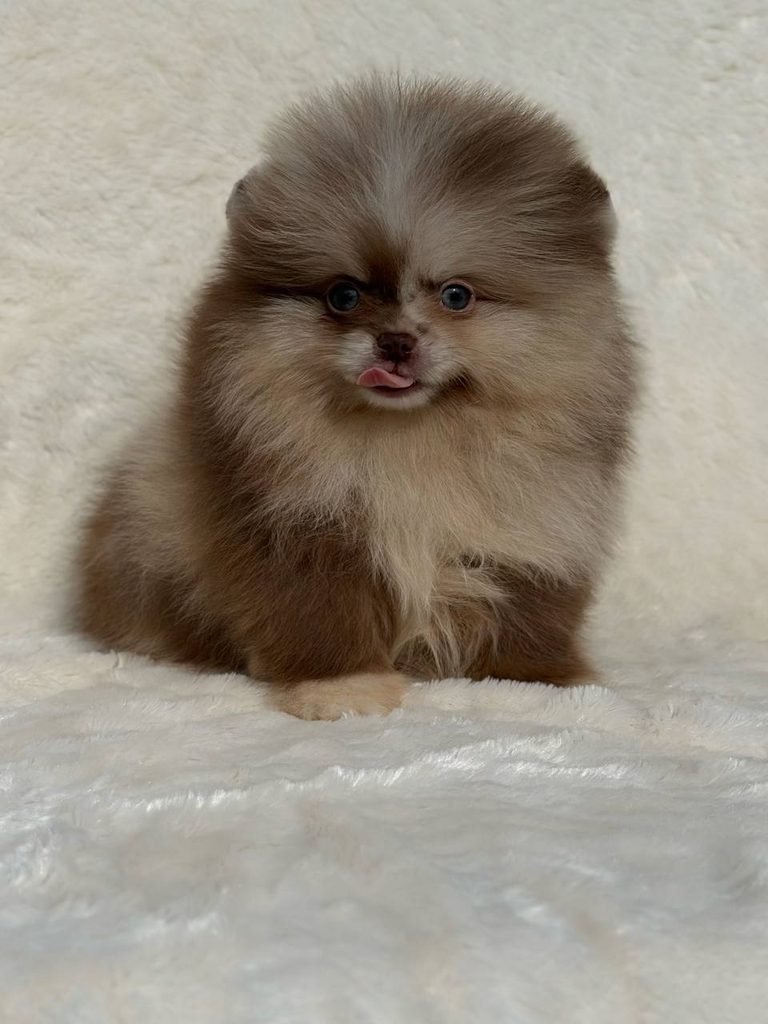
A consistent Pomeranian puppy grooming routine helps keep your puppy’s fluffy coat clean, comfortable, and free from painful tangles. Pomeranians have a thick double coat that requires regular care, and starting gentle grooming early can make brushing, bathing, nail trimming, and dental care easier as your puppy grows.https://pomeranianblisspuppies.com/care-guide/
Although their small size makes them easy to handle, Pomeranians still need regular attention to their coat, ears, eyes, paws, and teeth. Grooming is also an opportunity to check your puppy for skin irritation, unusual lumps, parasites, or other changes that may need veterinary attention.
Whether you have just brought home a new puppy or are preparing for your first grooming session, this guide explains how to establish a practical Pomeranian puppy grooming routine at home. You will learn how often to brush, when to bathe, how to introduce nail care, and which grooming mistakes to avoid.https://pomeranianblisspuppies.com/care-guide/
Why Is a Pomeranian Puppy Grooming Routine Important?
Pomeranians are known for their fluffy appearance, but their coat needs more than occasional brushing to stay in good condition. Loose hair and friction can contribute to tangles, especially behind the ears, under the legs, around the collar, and near the tail.
A reliable Pomeranian puppy grooming routine helps you:
- Reduce tangles and prevent mats from becoming painful.
- Remove loose hair and surface dirt.
- Keep the coat comfortable and manageable.
- Introduce your puppy to grooming tools gradually.
- Support healthy-looking skin and paws.
- Build trust through gentle handling.
- Notice potential health problems early.
Grooming is not only about appearance. It helps your puppy become comfortable with everyday care, making future visits to a professional groomer or veterinarian less stressful.https://pomeranianblisspuppies.com/care-guide/
Understanding the Pomeranian Puppy Coat
Pomeranians typically have a double coat consisting of a soft, dense undercoat and a longer outer coat. This combination creates their familiar fluffy appearance.
The coat can begin changing as a puppy matures. Some Pomeranians experience a puppy coat transition, sometimes called the puppy uglies, during which their fluffy baby coat sheds and the adult coat gradually develops. The timing and appearance of this change vary from dog to dog.
During this period, brushing should remain gentle and regular. Avoid trying to force adult-like fullness or using harsh tools to remove normal shedding.
Because the coat can tangle when loose hair collects close to the skin, brushing needs to reach through the coat carefully without scraping or irritating the skin.
How Often Should You Groom a Pomeranian Puppy?
The frequency depends on your puppy’s coat, age, activity, and tolerance for handling. Short, positive grooming sessions are usually easier for a young puppy than one long session.
Here is a practical starting point for your Pomeranian puppy grooming routine:
| Grooming task | Suggested frequency |
|---|---|
| Gentle coat brushing | Several times a week; daily checks for tangles |
| Face and eye-area check | Daily |
| Paw and coat inspection | Daily or after outdoor activity |
| Ear inspection | Weekly and as needed |
| Bathing | When dirty or needed, using a puppy-safe shampoo |
| Nail inspection and trimming | Check weekly; trim when needed |
| Tooth brushing | Ideally daily |
| Professional grooming consultation | As needed for coat care and safe trimming |
These are general guidelines, not fixed requirements for every puppy. Ask your veterinarian or a qualified groomer for advice if your puppy has sensitive skin, a difficult coat, or any medical concerns.
Step 1: Brush Your Pomeranian Puppy’s Coat
Brushing is one of the most important parts of a Pomeranian puppy grooming routine. Regular brushing helps remove loose hair, identify tangles early, and keep the coat more manageable.
Choose Suitable Grooming Tools
Useful tools may include:
- A soft slicker brush designed for small dogs.
- A suitable metal comb for checking through the coat.
- A soft grooming brush for gentle introductory sessions.
- A nonslip surface for safe handling.
Select tools that suit your puppy’s size and coat. Avoid brushing aggressively or using tools that scratch the skin.
How to Brush Correctly
- Choose a quiet location where your puppy can relax.
- Let your puppy sniff the brush before you begin.
- Start with a few gentle strokes over the back and shoulders.
- Work in small sections, carefully checking the coat near the skin.
- Pay special attention to areas where tangles commonly form.
- Reward calm behavior with praise or small treats.
- End the session before your puppy becomes frustrated.
Use your free hand to support the coat gently and avoid pulling on the skin. If you encounter a tangle, work on it carefully with an appropriate comb rather than yanking it out.
Mats that are tight against the skin should be handled by an experienced groomer or veterinarian. Do not cut them out with scissors because a dog’s skin can be pulled up inside the mat and accidentally injured.
Step 2: Pay Attention to Tangle-Prone Areas
Some parts of a Pomeranian’s coat are more likely to develop tangles because of friction and movement.
Check these areas during every brushing session:
Behind the Ears
The hair behind the ears can tangle easily. Use gentle strokes and hold the hair near the skin to reduce pulling.
Under the Front Legs
Friction from movement can cause loose hair to gather under the legs. Check these areas carefully without forcing your puppy into an uncomfortable position.
Around the Collar or Harness
Collars and harnesses can rub the coat and encourage tangling. Check the fur after walks and remove the equipment when it is not needed and it is safe to do so.
Around the Tail and Rear
The longer coat near the tail and rear may collect debris. Check it regularly and clean it gently when necessary.
Making these checks part of your Pomeranian puppy grooming routine can help prevent small tangles from turning into larger mats.
Step 3: Bathe Your Pomeranian Puppy Safely
Pomeranians do not need frequent baths simply because they have a fluffy coat. Bathing too often, using unsuitable products, or leaving the coat damp can contribute to skin and coat problems.
Bathe your puppy when it is dirty or when a bath is otherwise appropriate. Use a shampoo formulated for puppies or recommended by your veterinarian.
How to Give Your Puppy a Bath
- Brush out loose hair and manageable tangles before bathing.
- Prepare a warm, nonslip bathing area.
- Use lukewarm water, avoiding the eyes and inside of the ears.
- Apply puppy-safe shampoo according to the product instructions.
- Rinse thoroughly so shampoo residue does not remain in the coat.
- Towel-dry gently without vigorous rubbing.
- Dry the coat completely using a pet-safe dryer on a gentle, cool or low-warm setting if your puppy tolerates it.
- Keep your puppy warm and supervised until fully dry.
Never use high heat or hold a dryer too close to the skin. Stop if your puppy becomes frightened or overheated.
For very young puppies, ask your veterinarian about appropriate bathing practices, especially if your puppy is unwell or has a skin condition.
Step 4: Introduce Nail Trimming Gradually
Long nails can affect comfort and movement. However, nail trimming can be intimidating for puppies that are unfamiliar with having their paws handled.
Begin by touching each paw gently for a second or two. Reward your puppy, then gradually introduce the sight and sound of the nail clippers or grinder.
When your puppy is comfortable, trim only a small amount of nail at a time. Avoid cutting into the quick, which contains blood vessels and nerves.
If your puppy has dark nails and you cannot clearly identify the quick, or if it struggles intensely, ask a veterinarian or professional groomer to demonstrate safe trimming.
Check the nails regularly rather than waiting until they become excessively long. The appropriate trimming interval depends on how quickly your puppy’s nails grow and how much they wear down naturally.
Step 5: Keep Your Puppy’s Ears Clean
Ear care should be part of your Pomeranian puppy grooming routine, but frequent deep cleaning is not usually necessary for healthy ears.
Check the outer ears weekly for redness, unusual odor, discharge, swelling, or excessive wax. If the ears look clean and healthy, avoid unnecessary cleaning.
If cleaning is needed, use a veterinarian-approved ear cleaner and follow its instructions. Wipe only the areas you can see safely.
Never insert cotton swabs or other objects deep into the ear canal. Avoid putting water, alcohol, peroxide, or homemade mixtures into the ears unless your veterinarian specifically directs you to do so.
Contact your veterinarian if your puppy repeatedly scratches its ears, shakes its head, shows pain, or develops unusual discharge or odor.
Step 6: Clean Around the Eyes and Face
Pomeranian puppies may develop small tear marks or debris around the eyes. Check the face daily and use a clean, soft cloth lightly dampened with suitable clean water or a pet-safe product recommended by your veterinarian.
Wipe gently around the eye area without rubbing the eyeball. Use a separate clean area of the cloth for each eye.
Do not apply human cosmetics, strong cleaning products, or unapproved whitening products near the eyes.
If you notice redness, swelling, thick discharge, squinting, or persistent tearing, contact your veterinarian. Eye discomfort should not be treated as a simple grooming issue without assessment.
Step 7: Start Dental Care Early
Dental care is an important part of caring for a Pomeranian. Small breeds can be prone to dental problems, so establishing a tooth-brushing routine early is beneficial.
Begin by gently touching your puppy’s muzzle and lips, rewarding calm behavior. Gradually introduce a soft toothbrush or finger brush designed for dogs.
Use toothpaste made specifically for dogs. Human toothpaste is not suitable for dogs because some ingredients, including xylitol in certain products, can be dangerous.
Start with a few teeth and gradually build toward brushing the outer surfaces of all teeth. Daily brushing is ideal when your puppy tolerates it.
If your puppy has inflamed gums, broken teeth, bad breath that persists, or difficulty eating, arrange a veterinary examination.
Step 8: Keep Your Puppy’s Paws and Rear Clean
Pomeranian puppies can pick up dirt and debris during play. After outdoor activity, inspect the paws for mud, small stones, plant material, or irritation.
Wipe dirty paws with a damp cloth or rinse them gently when needed, then dry thoroughly. Check between the toes without pulling or spreading the paws forcefully.
Keep the fur around the feet and rear tidy when necessary, but avoid attempting close trimming with scissors if your puppy moves suddenly. A professional groomer can safely tidy sensitive areas.
If your puppy has persistent staining, diarrhea, irritated skin, or debris that is difficult to remove, consult your veterinarian rather than repeatedly scrubbing the area.
Step 9: Create a Weekly Pomeranian Puppy Grooming Routine
A simple schedule can help you remember each grooming task without overwhelming your puppy.
| Day | Grooming activity |
|---|---|
| Monday | Gentle coat brushing and tangle check |
| Tuesday | Short brushing session and paw handling |
| Wednesday | Coat inspection and ear check |
| Thursday | Brushing and gentle face cleaning if needed |
| Friday | Nail inspection and short dental-care session |
| Saturday | Longer coat-care session or bath if needed |
| Sunday | General skin, coat, paw, ear, and eye check |
Tooth brushing should ideally be practiced daily, even if each session is very short at first. Eye and paw checks can also be performed daily.
The schedule is flexible. You do not need to perform every grooming task on a fixed day if your puppy’s needs differ. The most important thing is to make care regular, gentle, and positive.
Step 10: Help Your Pomeranian Enjoy Grooming
Some puppies naturally enjoy brushing, while others need time to become comfortable with the sensation and handling.
Make grooming a positive experience by following a few simple rules:
- Begin with very short sessions.
- Let your puppy inspect the grooming tools.
- Reward calm behavior with praise or small treats.
- Handle one body area at a time.
- Stop before your puppy becomes overwhelmed.
- Avoid restraining your puppy forcefully for routine practice.
- Introduce grooming equipment gradually before using it.
If your puppy pulls away, growls, trembles, or tries to escape, pause and make the next session easier. Persistent fear or aggression during grooming may require help from a veterinarian or qualified reward-based trainer.
Common Pomeranian Puppy Grooming Mistakes to Avoid
Brushing Only the Surface
The top layer can look neat while tangles develop underneath. Brush in small sections and check through the coat carefully without scratching the skin.
Pulling Out Mats
Pulling at a mat can hurt your puppy and make grooming frightening. Seek professional help for tight mats, especially those close to the skin.
Bathing Too Frequently
Frequent bathing with unsuitable products can dry or irritate the skin. Bathe when needed and choose an appropriate puppy shampoo.
Using Human Grooming Products
Human shampoo, toothpaste, and cosmetics may not be safe for puppies. Use dog-specific products and ask your veterinarian when uncertain.
Ignoring Dental Care
Coat care is only one part of grooming. Introduce tooth brushing early and seek veterinary advice about oral health.
Forcing Long Grooming Sessions
A puppy that is held in place for too long may become frightened and resist future grooming. Short, positive sessions build comfort more effectively.
Shaving the Double Coat Without Professional Advice
Pomeranians have a double coat that helps protect them. Shaving it very short can affect coat regrowth and skin protection. Discuss substantial coat trimming with an experienced groomer familiar with double-coated breeds and your veterinarian if there is a medical reason.
When Should You Visit a Professional Groomer?
Home grooming can maintain your puppy’s coat, but a professional groomer may be helpful for nail trimming, sanitary tidying, bathing, drying, and advice on coat maintenance.
Choose a groomer experienced with small dogs and double-coated breeds. Ask how they introduce puppies to grooming and whether they use gentle, low-stress methods.
A puppy’s first professional grooming visit should focus on comfort and familiarization rather than a dramatic haircut. Make sure your puppy meets any vaccination and health requirements set by the groomer and your veterinarian.
If your puppy has severe mats, skin problems, ear symptoms, or painful areas, contact your veterinarian rather than relying on grooming alone.
Frequently Asked Questions About Pomeranian Puppy Grooming
How often should I brush my Pomeranian puppy?
Brush your puppy several times a week, checking for tangles daily. Some coats need more frequent attention, especially around the ears, under the legs, and near the collar. Keep brushing gentle and thorough.
How often should I bathe my Pomeranian puppy?
Bathe your puppy when it is dirty or when bathing is otherwise needed. Use a puppy-safe shampoo and dry the coat completely. Ask your veterinarian for a schedule if your puppy has sensitive skin or a medical condition.
At what age can I start grooming my Pomeranian puppy?
You can begin gentle handling and short brushing sessions as soon as your puppy comes home, provided it is comfortable and healthy. Introduce baths, nail tools, and other equipment gradually rather than doing everything in one session.
Can I groom my Pomeranian puppy at home?
Yes. Many routine tasks, including brushing, basic coat checks, gentle face cleaning, and tooth brushing, can be done at home. Seek professional help for difficult mats, uncertain nail trimming, or coat styling that requires specialist skills.
Should I shave my Pomeranian puppy?
Avoid shaving a Pomeranian’s double coat very short unless a veterinarian recommends it for a specific medical reason. Discuss trimming needs with a professional groomer experienced with double-coated dogs.
How do I stop my Pomeranian puppy from biting the brush?
Start with very short sessions, let your puppy inspect the brush, and reward calm behavior. Use gentle strokes and stop before frustration builds. If your puppy consistently reacts with fear or pain, consult a veterinarian or qualified trainer.
Why does my Pomeranian puppy’s coat look thinner as it grows?
Some Pomeranians experience a normal puppy coat transition as their adult coat develops. Coat changes vary, however. If hair loss is patchy, the skin is inflamed, or the coat changes suddenly, contact your veterinarian to rule out a health problem.
Final Thoughts on Pomeranian Puppy Grooming Routine
A consistent Pomeranian puppy grooming routine helps protect your puppy’s coat, supports comfortable skin and paws, and teaches your dog to accept everyday care. Regular brushing, appropriate bathing, nail checks, ear inspections, and early dental care all contribute to a healthier grooming experience.
Start slowly, use suitable tools, and reward your puppy for remaining calm. Do not force grooming or attempt to remove tight mats yourself. When you are unsure about a skin problem, nail trim, ear symptom, or coat issue, seek advice from your veterinarian or an experienced professional groomer.
With patience and consistency, grooming can become a comfortable part of your Pomeranian’s daily life while helping preserve its beautiful fluffy appearance.https://pomeranianblisspuppies.com/care-guide/