October 11, 2026
Pomeranian Puppy Crate Training – Tips for a Successful Training Routine
Pomeranian Puppy Crate Training: A Complete Guide for New Owners
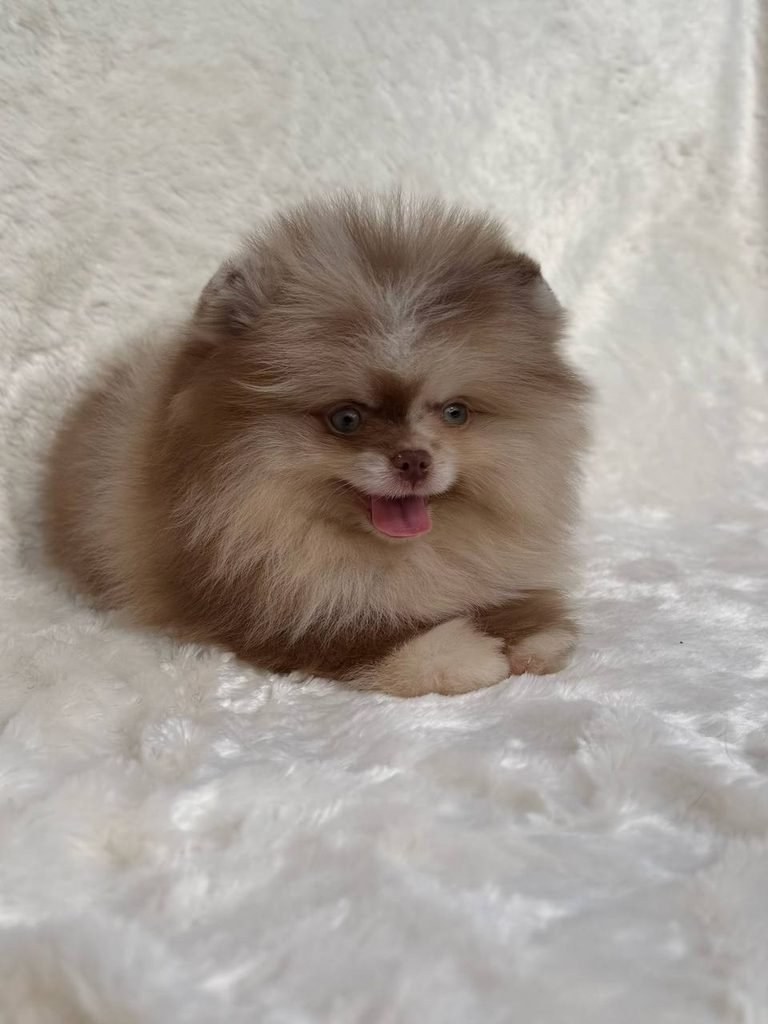
Pomeranian puppy crate training is an important part of helping your new puppy feel safe, develop good habits, and adjust comfortably to your home. A properly introduced crate can provide a quiet sleeping area, support house training, and make everyday routines easier for both you and your puppy.https://pomeranianblisspuppies.com/puppies/
Pomeranians are small, intelligent dogs that benefit from gentle guidance and consistent routines. However, crate training should never involve forcing a puppy into a crate or leaving it confined for too long. The goal is to create a positive environment where your puppy feels comfortable resting independently.
In this guide, you will learn how to introduce a crate, choose the right size, establish a daily schedule, manage nighttime whining, and avoid common training mistakes. Whether you have just brought home your first Pomeranian or are helping an older puppy develop better habits, these practical steps can help you build a successful routine.https://pomeranianblisspuppies.com/puppies/
What Is Pomeranian Puppy Crate Training?
Pomeranian puppy crate training is the process of teaching your puppy to view a crate as a comfortable, secure place to rest. When introduced gradually, a crate can become a useful part of your dog’s everyday routine.
A crate should not be used as punishment or as a substitute for attention, exercise, potty breaks, and social interaction. Your puppy needs regular opportunities to move around, explore, play, eat, drink, and relieve itself.https://pomeranianblisspuppies.com/puppies/
For many owners, crate training also supports potty training because puppies often prefer to keep their sleeping area clean. However, young puppies have limited bladder control, so they still need frequent bathroom breaks.
The most successful approach combines a comfortable crate, positive reinforcement, supervision, and a predictable daily schedule.
Benefits of Crate Training a Pomeranian Puppy
When used appropriately, a crate offers several benefits for both puppies and their owners.https://pomeranianblisspuppies.com/puppies/
1. Creates a Safe Resting Place
A crate can give your Pomeranian a quiet area to relax when the household is busy. This can be especially helpful in homes with visitors, children, or other pets.
2. Supports Potty Training
A suitable crate can help establish a regular bathroom routine. Taking your puppy outside or to its designated potty area before and after crate time encourages consistent habits.
3. Encourages Independent Rest
Puppies need plenty of sleep. Learning to relax in a crate can help your Pomeranian settle down for naps without requiring constant interaction.
4. Helps With Travel and New Environments
Positive crate experiences can make certain types of travel, temporary confinement, and veterinary recovery arrangements easier. Always follow your veterinarian’s instructions when a crate is used during recovery.
5. Helps Prevent Unsupervised Mischief
When you cannot watch your puppy closely for a short period, an appropriately sized crate or safe playpen can reduce the risk of chewing dangerous objects or getting into household hazards.
A crate is only one part of puppy care. It should complement supervision and safe play rather than replace them.
How to Choose the Best Crate for a Pomeranian Puppy
Choosing the correct crate is an important first step in Pomeranian puppy crate training. The crate should be large enough for your puppy to stand naturally, turn around, stretch out, and lie down comfortably.
Because Pomeranians are a toy breed, many owners consider small wire crates, plastic travel crates, or appropriately sized fabric crates. The best option depends on your puppy’s temperament, intended use, and safety needs.
Wire Crates
Wire crates provide good ventilation and allow your puppy to see its surroundings. Many models include adjustable dividers, which can be helpful as your puppy grows.
Plastic Crates
Plastic crates can feel more enclosed and may be useful for travel when the specific model is designed and approved for that purpose. Check the ventilation, size, and manufacturer’s guidance.
Soft-Sided Crates
Soft-sided crates are lightweight and convenient for some calm, crate-trained dogs. They may not be suitable for puppies that chew fabric, scratch intensely, or attempt to escape.
What Size Crate Does a Pomeranian Puppy Need?
Do not choose a crate based only on a general breed-size label. Measure your puppy and check the manufacturer’s sizing recommendations. Your puppy needs enough space to stand, turn around, and lie down comfortably without being cramped.
If you buy a crate for your puppy to grow into, an adjustable divider may help you manage the available space during early house training. Never use a divider to make the crate too small.
Step-by-Step Pomeranian Puppy Crate Training
The secret to successful Pomeranian puppy crate training is to introduce the crate gradually. Avoid shutting your puppy inside for a long period on the first day.
Step 1: Place the Crate in a Comfortable Location
Choose a quiet area where your puppy can still feel connected to the household. A family room during the day may work well, while the crate can be placed near your bed at night if that helps your puppy settle.
Keep the crate away from direct heat, cold drafts, and noisy appliances. Ensure the surrounding area is safe and that the crate door cannot accidentally close on your puppy.
Step 2: Make the Crate Inviting
Place a comfortable, washable resting surface inside if your puppy does not chew or swallow bedding. You can also add a safe puppy toy approved for unsupervised use.
Keep the crate door open at first. Let your Pomeranian investigate it voluntarily without pressure.
Avoid putting anything inside that could create a choking or swallowing hazard. If your puppy chews bedding or toys, remove them and ask your veterinarian or a qualified trainer about safer options.
Step 3: Introduce Treats and Meals
Place a few small treats near the entrance, then gradually place them farther inside as your puppy becomes comfortable.
You can also offer meals near the crate entrance before moving the food bowl inside when your puppy is ready. Keep the door open during these early sessions.
If your puppy refuses to enter, do not push or pull it inside. Make the experience easier by moving the reward closer to the entrance and allowing your puppy to progress at its own pace.
Step 4: Practice Short, Positive Sessions
Once your puppy enters voluntarily, let it spend a short period inside while you remain nearby. Praise calm behavior and offer a reward when appropriate.
After your puppy is comfortable entering and resting, briefly close the door, then open it before the puppy becomes distressed. Gradually increase the duration only while your puppy remains relaxed.
If your puppy becomes frightened, reduce the difficulty and return to a step it can handle comfortably.
Step 5: Gradually Increase Your Distance
When your Pomeranian can rest calmly with the door closed for a short time, begin moving around the room while it remains inside.
Later, practice brief periods where you step out of sight and return calmly. Increase the time gradually instead of making a sudden jump to a long absence.
Crate training is not a race. Some puppies adapt quickly, while others need several days or longer to feel comfortable.
Step 6: Establish a Predictable Routine
Use the crate for appropriate naps and rest periods after your puppy has had a chance to potty and enjoy some activity.
Take your puppy to the bathroom area immediately after it comes out of the crate. Reward successful bathroom trips and continue supervising your puppy indoors.
A consistent routine helps your Pomeranian understand what happens next and reduces confusion.
Pomeranian Puppy Crate Training Schedule
A simple schedule can help you organize crate practice around your puppy’s meals, playtime, naps, and bathroom needs.
| Time | Suggested activity |
|---|---|
| 7:00 AM | Wake up and potty break |
| 7:15 AM | Breakfast |
| 7:30 AM | Potty break and gentle play |
| 8:00 AM | Short crate practice or supervised rest |
| 9:00 AM | Potty break and activity |
| 10:00 AM | Nap in the crate if comfortable |
| 11:00 AM | Potty break and play |
| 12:00 PM | Lunch if appropriate for the puppy’s feeding plan |
| 12:15 PM | Potty break |
| 1:00 PM | Quiet rest or short crate session |
| 2:30 PM | Potty break and supervised play |
| 4:00 PM | Short training session and rest |
| 5:30 PM | Dinner according to the feeding schedule |
| 5:45 PM | Potty break |
| 7:00 PM | Family time and calm play |
| 8:30 PM | Quiet time and final activities |
| Before bed | Final potty trip and nighttime settling |
This is an example, not a confinement timetable. A young puppy may need bathroom breaks more often than the table suggests, and crate sessions should be short enough for the puppy’s age and comfort.
Do not leave a young Pomeranian confined for hours simply because the schedule lists a nap. Arrange appropriate breaks, interaction, and supervision throughout the day.
How to Crate Train a Pomeranian Puppy at Night
Nighttime can be challenging because a puppy has just left its mother and littermates. Your Pomeranian may whine, move around, or need reassurance while adjusting to its new sleeping environment.
Start by placing the crate near your bed or another location where the puppy can feel reassured. Take your puppy to its designated potty area immediately before bedtime.
If your puppy wakes and cries, consider whether it needs a bathroom break. Young puppies may need to toilet during the night, so take them out calmly when necessary.
Keep nighttime potty trips quiet and uneventful. After your puppy finishes, return it to the crate without starting an exciting play session.
If your puppy appears panicked rather than mildly unsettled, do not ignore severe distress in the hope that it will eventually stop. Make the training easier, offer appropriate reassurance, and consult a qualified positive-reinforcement trainer if the problem persists.
As your puppy matures and becomes more comfortable, you can gradually adjust the nighttime routine.
How to Handle Whining During Crate Training
Whining can have several causes. Your puppy may need to potty, feel lonely, be uncomfortable, or have learned that the crate predicts an experience it dislikes.
Before assuming the whining is attention-seeking, check your puppy’s needs.
- Check for a potty need: Take your puppy to the bathroom area if it may need to go.
- Check comfort: Ensure the crate is appropriately sized, well ventilated, and away from uncomfortable temperatures.
- Reduce the training difficulty: Use shorter sessions if your puppy is becoming distressed.
- Reward calm behavior: Offer praise or a treat when your puppy is relaxed, where appropriate.
- Avoid punishment: Shouting or banging on the crate can make the puppy more fearful.
If whining is persistent, intense, or accompanied by panting, drooling, frantic scratching, or attempts to escape, seek advice from a veterinarian or qualified behavior professional. These signs may indicate significant distress rather than ordinary adjustment.
Crate Training and Potty Training: How They Work Together
Crate training can support potty training, but the two skills are not exactly the same. A puppy may be comfortable resting in a crate yet still need frequent bathroom trips.
To combine the two successfully, take your Pomeranian to the potty area before crate time and immediately after coming out. Also provide breaks after meals, drinking, naps, and active play.
If an accident occurs in the crate, clean it thoroughly and review the schedule. Your puppy may have been confined too long, may have been unwell, or may not yet have enough bladder control.
Do not punish your puppy for an accident. Instead, make adjustments that give it more opportunities to succeed.
Common Pomeranian Puppy Crate Training Mistakes
Using the Crate as Punishment
A crate should be a positive resting space. Sending your puppy inside angrily after unwanted behavior can make it associate the crate with fear.
Leaving the Puppy Confined for Too Long
Puppies need bathroom breaks, movement, social interaction, and play. A crate is not a suitable place for extended confinement without breaks.
Forcing the Puppy Inside
Dragging or pushing your puppy into the crate can make it afraid of approaching the entrance. Use rewards and gradual introductions instead.
Making the First Session Too Long
A puppy that has never used a crate should not be expected to remain inside for a long stretch immediately. Build comfort one small step at a time.
Ignoring Signs of Distress
Some mild protest may occur while a puppy adjusts, but intense or escalating distress requires a different approach. Reassess the training process rather than forcing the puppy to endure it.
Forgetting Potty Breaks
Even a comfortable puppy may need to urinate or defecate. Plan bathroom breaks around age, meals, drinking, sleep, and activity.
How Long Does Pomeranian Puppy Crate Training Take?
The time required depends on your puppy’s age, temperament, previous experiences, and the consistency of your routine.
Some puppies begin entering the crate willingly within a few days, while others need several weeks to feel comfortable with longer sessions. Being happy to enter the crate is also different from being ready to remain inside during a long absence.
Look for gradual progress, such as voluntarily entering the crate, resting calmly with the door open, and remaining relaxed during brief closed-door sessions.
If your puppy struggles, return to shorter sessions and build confidence again. Slow, positive progress is more useful than rushing through the process.
Frequently Asked Questions About Pomeranian Puppy Crate Training
Is crate training good for a Pomeranian puppy?
Yes, when introduced positively and used for appropriate periods, crate training can provide a safe resting area and support house training. It should never replace exercise, supervision, social interaction, or regular potty breaks.
Should a Pomeranian puppy sleep in a crate?
A crate can be a suitable sleeping place if your puppy feels comfortable in it and has enough space to rest safely. Some owners keep the crate near their bed during the early weeks to help their puppy settle.
How long can a Pomeranian puppy stay in a crate?
There is no single safe duration for every puppy. Age, bladder control, health, and comfort all matter. Young puppies need frequent bathroom breaks and should not be expected to remain confined for an entire workday. Arrange suitable care and breaks when you are away.
Should I put food and water inside the crate?
Meals can be offered in or near the crate to build positive associations. Water access should be managed according to your puppy’s needs, health, and the length of confinement. Do not use water restriction as a shortcut to avoid bathroom breaks. Ask your veterinarian for guidance if you are unsure.
What should I put inside my Pomeranian puppy’s crate?
A safe, comfortable resting surface and suitable puppy-safe items may be appropriate if your puppy does not chew or swallow them. Avoid items that create entanglement, choking, or ingestion risks. Follow the crate manufacturer’s safety instructions.
What should I do if my puppy has an accident in the crate?
Clean the crate thoroughly with an appropriate pet-safe enzymatic cleaner. Review the timing of the last potty break and how long your puppy was confined. If accidents happen frequently or suddenly, contact your veterinarian to rule out a medical problem.
Can I crate train my Pomeranian while I work?
You can teach your puppy to enjoy a crate, but a young puppy generally cannot be left confined through a full workday without appropriate care. Arrange for a trusted person or suitable pet-care provider to provide potty breaks, feeding as needed, interaction, and exercise. A safe playpen may be more suitable for some periods, depending on your puppy’s needs.
Final Thoughts on Pomeranian Puppy Crate Training
Pomeranian puppy crate training is most successful when the crate becomes a comfortable, familiar place rather than a source of fear. Introduce it gradually, reward your puppy for calm behavior, and build up the duration of each session according to your puppy’s comfort.
Choose a suitable crate, maintain a predictable potty routine, and provide regular opportunities for play, rest, and social interaction. If your puppy struggles, slow down and make the next training step easier.
With patience and consistency, you can help your Pomeranian develop positive crate habits that support a calmer home life and a more confident puppy.https://pomeranianblisspuppies.com/puppies/