October 11, 2026
How to Potty Train a Pomeranian Puppy – Step-by-Step Guide for New Owners
How to Potty Train a Pomeranian Puppy
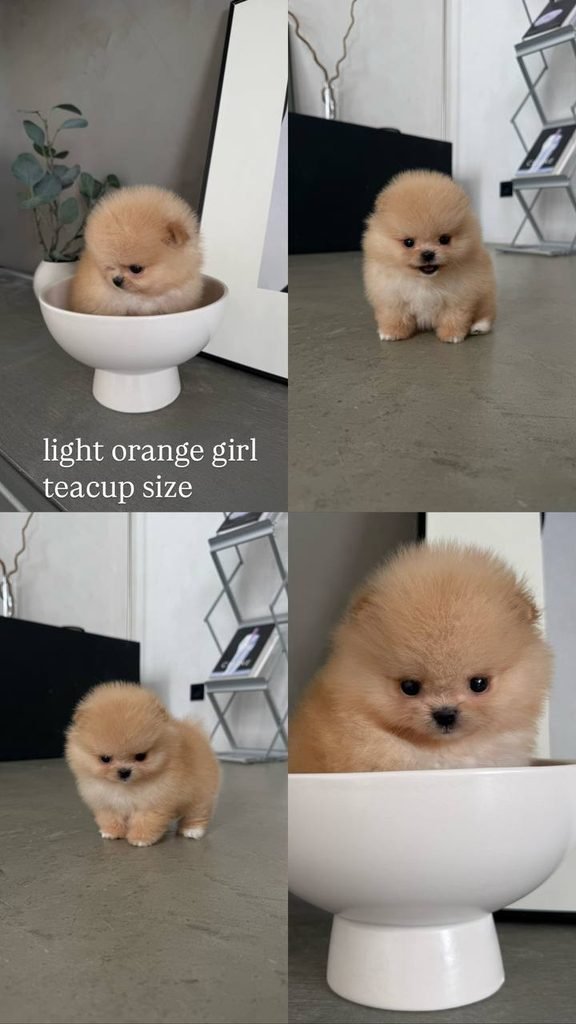
Bringing home a Pomeranian puppy is an exciting experience, but one of the first challenges every new owner faces is teaching the puppy where to go to the bathroom. Because Pomeranians are small dogs with tiny bladders, potty training requires patience, consistency, and a routine that fits their age and needs.https://pomeranianblisspuppies.com/care-guide/
Learning how to potty train a Pomeranian puppy starts with understanding your puppy’s habits, recognizing bathroom signals, and rewarding the right behavior. With a clear plan, you can reduce accidents, build good habits, and help your puppy become more comfortable in its new home.
Whether you live in an apartment, a house with a yard, or a home where indoor potty pads are necessary, the right approach can make the process easier.https://pomeranianblisspuppies.com/care-guide/
Why Is Potty Training a Pomeranian Puppy Important?
Potty training is an essential part of raising a healthy, well-adjusted Pomeranian. It teaches your puppy where to relieve itself while helping you maintain a clean and comfortable home.
Pomeranians are intelligent and eager to learn, but their small size means they may need more frequent bathroom breaks than larger breeds. Young puppies also have limited bladder and bowel control, so accidents are normal during the learning process.
Understanding how to potty train a Pomeranian puppy can help you:
- Establish a predictable daily routine.
- Reduce urine and stool accidents inside the house.
- Build trust between you and your puppy.
- Teach your puppy to use a designated bathroom area.
- Make future travel and visits easier.
- Encourage independence as your puppy matures.
Remember that every puppy learns at a different pace. Some begin showing reliable habits within a few weeks, while others need several months of consistent practice.https://pomeranianblisspuppies.com/care-guide/
When Should You Start Potty Training a Pomeranian Puppy?
You can begin potty training as soon as your Pomeranian puppy arrives home, usually at around eight weeks of age. Start with simple, positive lessons rather than expecting your puppy to understand everything immediately.
At this age, puppies have limited control over their bladder and may need to relieve themselves every 30–60 minutes while awake. They often need to go even sooner after eating, drinking, playing, or waking from a nap.https://pomeranianblisspuppies.com/care-guide/
As your puppy grows, its ability to hold urine generally improves. However, do not rely on age alone to determine when bathroom breaks are necessary. Watch your puppy’s behavior and adjust the schedule accordingly.
The key to learning how to potty train a Pomeranian puppy is to provide frequent opportunities to succeed instead of waiting for an accident.
Step-by-Step Guide to Potty Training a Pomeranian Puppy
1. Choose a Designated Potty Area
Decide where you want your Pomeranian to go to the bathroom before training begins. This could be a specific outdoor area or a designated indoor puppy pad.
If you prefer outdoor potty training, take your puppy to the same quiet, accessible spot whenever possible. Familiar smells can help your puppy associate that area with bathroom time.
If you use puppy pads, place them in a consistent location away from your puppy’s food, water, and sleeping area. Avoid moving the pad frequently because doing so can make it harder for your puppy to understand where to go.
For young puppies who have not completed their vaccinations, ask your veterinarian about safe outdoor areas and appropriate exposure to places where unfamiliar dogs may have been.
2. Create a Consistent Potty Schedule
A regular schedule is one of the most important parts of learning how to potty train a Pomeranian puppy. Puppies benefit from predictable bathroom opportunities throughout the day.
Take your puppy to the designated potty area:
- Immediately after waking up.
- Shortly after eating.
- After drinking water.
- After naps.
- After active play.
- Before going into a crate or playpen for a rest.
- Before bedtime.
- Whenever you notice signs that your puppy needs to go.
Very young puppies may need bathroom breaks during the night as well. Avoid expecting a small puppy to hold its bladder for an entire night before it is physically ready.
Keep a simple record of meal times, bathroom trips, and accidents for the first week. You may notice a pattern that helps you predict when your puppy needs another break.
3. Use a Simple Potty Cue
Choose a short phrase such as “go potty” or “bathroom time.” Say it calmly when you arrive at the designated area.
Give your puppy a few minutes to sniff and explore. Avoid turning every potty break into a long play session, because the goal is to help your puppy understand why you are outside or near the pad.
When your puppy finishes, offer immediate praise and a small, puppy-safe treat. Rewarding the behavior right away helps your Pomeranian connect the reward with going to the correct place.
If your puppy does not go, return indoors and supervise closely. Try again shortly afterward rather than allowing unrestricted access to the house.
4. Reward Success Immediately
Positive reinforcement is more effective than punishment for building reliable potty habits.
Whenever your Pomeranian uses the correct spot, respond with a cheerful voice, gentle praise, or a small treat. Keep rewards consistent so your puppy understands which behavior you want to encourage.
Do not wait several minutes to offer a reward. By then, your puppy may not understand what it is being rewarded for.
Avoid shouting, rubbing your puppy’s nose in an accident, or physically punishing it. These responses can create fear and may encourage your puppy to hide when it needs to go.
When learning how to potty train a Pomeranian puppy, remember that successful training is about teaching the right habit, not frightening the puppy into avoiding mistakes.
5. Supervise Your Puppy Indoors
Close supervision prevents many accidents before they happen. During the early stages of training, keep your Pomeranian in the same room as you whenever possible.
Use a puppy-safe playpen, baby gate, or appropriately sized crate when you cannot supervise directly. Make sure the area is comfortable, safe, and suitable for short periods of rest.
Watch for common bathroom signals, including:
- Sniffing the floor repeatedly.
- Circling in one spot.
- Walking away from play suddenly.
- Whining or becoming restless.
- Heading toward a previous accident location.
- Moving toward the door or puppy pad.
When you notice these signs, calmly take your puppy to the designated area immediately.
The more opportunities you provide for your Pomeranian to succeed, the faster good habits can develop.
How Often Should You Take a Pomeranian Puppy Outside?
Young Pomeranians generally need frequent bathroom breaks because of their small bladders and developing control.
A puppy around eight to twelve weeks old may need a potty opportunity every 30–60 minutes while awake, along with trips after meals, naps, drinking, and play. This is a starting point, not a strict rule for every puppy.
As your puppy matures and becomes more consistent, you can gradually extend the time between breaks. If accidents begin happening again, shorten the intervals and return to the previous successful routine.
Do not restrict access to drinking water as a potty-training shortcut. Puppies need regular access to fresh water, and water restriction can be unsafe. Ask your veterinarian if nighttime water access or a specific schedule is a concern.
Sample Pomeranian Puppy Potty Training Schedule
A daily routine helps your puppy learn when bathroom breaks are likely to happen. Adjust this example to suit your puppy’s age, feeding routine, and individual needs.
| Time | Activity |
|---|---|
| 7:00 AM | Wake up and go to the potty area |
| 7:15 AM | Breakfast |
| 7:25 AM | Potty break |
| 8:00 AM | Supervised play and gentle training |
| 8:30 AM | Potty break, then nap |
| 10:00 AM | Wake up and potty break |
| 10:15 AM | Playtime and social interaction |
| 10:45 AM | Potty break |
| 12:00 PM | Lunch, if following a three-meal schedule |
| 12:15 PM | Potty break |
| 1:00 PM | Rest or supervised quiet time |
| 2:30 PM | Potty break after waking |
| 3:00 PM | Play and short training session |
| 3:30 PM | Potty break |
| 5:30 PM | Dinner, adjusted to your puppy’s feeding plan |
| 5:45 PM | Potty break |
| 7:00 PM | Family time and gentle play |
| 7:30 PM | Potty break |
| 9:00 PM | Calm activities and final potty trip before bed |
This schedule is only a guide. A younger puppy may need additional breaks between the listed times. If your puppy shows signs of needing to go, take it to the potty area immediately rather than waiting for the next scheduled trip.
How to Potty Train a Pomeranian Puppy Using Puppy Pads
Puppy pads can be useful if you live in an apartment, have limited outdoor access, or need a designated indoor bathroom area.
To make indoor potty training more successful:
- Select one quiet, easy-to-reach location for the pad.
- Keep the pad away from food, water, and bedding.
- Take your puppy to the pad after waking, eating, drinking, and playing.
- Reward your puppy immediately after it uses the pad.
- Clean up accidents thoroughly and replace soiled pads promptly.
- Keep the location consistent while your puppy is learning.
Some owners use both indoor pads and outdoor training. This can work, but the puppy may need extra help learning when each option is appropriate.
If your long-term goal is outdoor bathroom use, gradually emphasize outdoor trips and reward your puppy for using the outdoor area. Avoid changing the rules abruptly, as that can cause confusion.
Can You Use a Crate to Potty Train a Pomeranian Puppy?
Crate training can support potty training when the crate is introduced positively and used appropriately. Most puppies prefer not to soil their sleeping space, but this instinct is not a substitute for regular bathroom breaks.
Choose a crate that allows your puppy to stand, turn around, and lie down comfortably. A crate that is excessively large may allow a puppy to sleep at one end and use the other end as a bathroom.
Follow these guidelines:
- Introduce the crate gradually with treats and comfortable bedding.
- Take your puppy to the potty area before entering the crate.
- Take your puppy out immediately after leaving the crate.
- Provide bathroom breaks appropriate to the puppy’s age.
- Never use the crate as punishment.
- Avoid leaving your puppy confined longer than it can comfortably manage.
A crate should be a safe resting place, not a way to make a puppy hold its bladder for too long.
What Should You Do When Your Pomeranian Puppy Has an Accident?
Accidents are a normal part of learning how to potty train a Pomeranian puppy. How you respond can help prevent repeated mistakes.
If you catch your puppy beginning to urinate or defecate in the wrong place, interrupt gently with a calm sound and guide it to the designated potty area. If your puppy finishes in the correct place, reward it.
If you discover an accident after it has happened, simply clean it up. Your puppy is unlikely to understand punishment delivered after the event.
Use an enzymatic pet cleaner designed to break down urine odors. Ordinary household cleaners may not remove all the scent cues that encourage a puppy to return to the same location.
Review the circumstances surrounding each accident. Ask yourself:
- Was the last potty break too long ago?
- Had the puppy just eaten, drunk, played, or woken up?
- Was the puppy unsupervised?
- Was the potty area easy to access?
- Did the puppy seem unwell or unusually restless?
Adjust the routine based on what you learn instead of blaming the puppy.
Common Potty Training Mistakes to Avoid
Even caring owners can accidentally slow down the learning process. Avoid these common mistakes when training your Pomeranian.
Waiting Too Long Between Potty Breaks
Small puppies cannot reliably wait for long periods. Frequent breaks are especially important during the early weeks.
Giving Your Puppy Too Much Freedom
Allowing a puppy to roam the entire home before it is reliable makes accidents harder to prevent. Expand access gradually as good habits develop.
Changing the Potty Location Frequently
Consistent locations help puppies understand where they should go. Frequent changes can make the process more confusing.
Punishing Accidents
Punishment may make a puppy anxious around bathroom time. Calm redirection, supervision, and rewards are more helpful.
Forgetting to Reward Good Behavior
If your puppy uses the correct spot but receives no clear feedback, learning may take longer. Offer praise or a small treat immediately after success.
Expecting Overnight Success
Potty training is a gradual process. Progress may include a few accident-free days followed by an occasional setback. Return to consistent routines and give your puppy time to mature.
How Long Does It Take to Potty Train a Pomeranian Puppy?
There is no single timeline for every Pomeranian. Some puppies begin to understand the routine within a few weeks, but reliable potty habits often take several months to develop.
The timeline depends on factors such as age, previous training, household routine, supervision, health, and how consistently everyone in the home follows the same plan.
You may notice progress when your puppy starts heading toward the potty area, stays dry for longer periods, or has fewer accidents. These are encouraging signs, but they do not mean the puppy is ready for unlimited freedom.
Continue rewarding correct behavior even after accidents become less frequent. Gradually increase freedom and the time between breaks only when your puppy demonstrates consistent success.
Potty Training a Pomeranian Puppy in an Apartment
Apartment living can require additional planning because reaching an outdoor bathroom area may take longer.
Keep a leash, treats, and cleanup supplies near the door so you can leave quickly when your puppy needs a break. If your apartment is on an upper floor, consider how long it takes to reach a safe outdoor spot and allow extra time.
If outdoor access is not always practical, an indoor puppy pad or an appropriate indoor dog potty may be an option. Keep it in one consistent location and reward your puppy for using it.
For puppies who have not completed their vaccinations, ask your veterinarian which outdoor locations are safe. Shared apartment lawns and heavily used dog areas may pose risks, depending on local disease exposure.
How to Maintain Potty Training as Your Puppy Grows
Once your Pomeranian starts having fewer accidents, continue following the same basic routine. Do not suddenly stop supervising or expect the puppy to manage every bathroom need independently.
As your puppy matures:
- Gradually increase supervised freedom around the home.
- Extend bathroom intervals only when your puppy is ready.
- Keep rewarding successful trips.
- Maintain a predictable feeding and potty routine.
- Give your puppy a final bathroom opportunity before bedtime.
- Revisit the routine after travel, moving, or other major changes.
If you are transitioning from indoor pads to outdoor potty training, make the change gradually and reward outdoor success consistently.
When Should You Contact a Veterinarian?
Potty-training difficulties are not always behavioral. If your Pomeranian suddenly begins having frequent accidents after making progress, or if bathroom habits change unexpectedly, consider contacting your veterinarian.
Seek veterinary advice if you notice signs such as straining to urinate, blood in the urine or stool, repeated attempts to urinate with little output, diarrhea, vomiting, excessive thirst, or unusual discomfort. Inability to pass urine can be an emergency and requires immediate veterinary attention.
Very frequent urination, persistent accidents despite a suitable routine, or difficulty passing stool may also need professional assessment.
A veterinarian can help determine whether a medical problem is interfering with training.
Frequently Asked Questions
Is a Pomeranian puppy hard to potty train?
Pomeranians are intelligent, but their small bladders mean they often need frequent bathroom breaks. A consistent routine, close supervision, and immediate rewards can make training easier. Patience is important because each puppy learns at a different pace.
How often should a Pomeranian puppy pee?
A young puppy may need a bathroom opportunity every 30–60 minutes while awake, as well as after meals, drinking, naps, and play. Individual needs vary, so watch for signals and adjust the schedule.
Should I use puppy pads or take my Pomeranian outside?
Both approaches can work. Outdoor training may be best if you want your dog to use the yard or an outdoor area long-term. Puppy pads can help in apartments or situations with limited safe outdoor access. Choose a consistent approach that fits your household.
Should I wake my Pomeranian puppy up at night to potty?
Young puppies may need nighttime bathroom breaks because their bladder control is still developing. Whether you need to wake your puppy depends on its age, bedtime routine, and ability to stay dry. Ask your veterinarian if you are unsure how to manage nighttime breaks.
Why does my Pomeranian keep peeing in the same place?
Residual urine odor may attract your puppy back to the same spot. Clean accidents with an enzymatic pet cleaner, supervise more closely, and take your puppy to the correct bathroom area more frequently.
Can I leave my Pomeranian puppy home alone while potty training?
Young puppies need frequent breaks and close supervision. Arrange for someone to check on your puppy when you will be away longer than it can comfortably manage. A safe playpen and an appropriate potty area may help, but they do not replace companionship, exercise, and regular care.
What if my Pomeranian was doing well but starts having accidents again?
Review recent changes in schedule, supervision, food, or environment. Return to more frequent potty breaks and reward successful trips. If the change is sudden, persistent, or accompanied by other symptoms, contact your veterinarian to rule out a medical cause.
Final Thoughts on How to Potty Train a Pomeranian Puppy
Learning how to potty train a Pomeranian puppy takes time, patience, and a consistent daily routine. Start early, take your puppy to the designated potty area frequently, watch for bathroom signals, and reward successful trips immediately.
Keep accidents in perspective. They are opportunities to review your schedule and improve supervision, not reasons to punish your puppy. With steady practice and age-appropriate expectations, your Pomeranian can develop reliable bathroom habits and become more comfortable in your home.
The most important rule is simple: make it easy for your puppy to succeed, reward the right behavior, and stay consistent every day.https://pomeranianblisspuppies.com/care-guide/