October 9, 2026
How Often Should You Feed a Pomeranian Puppy? – Feeding Guide by Age
How Often Should You Feed a Pomeranian Puppy?
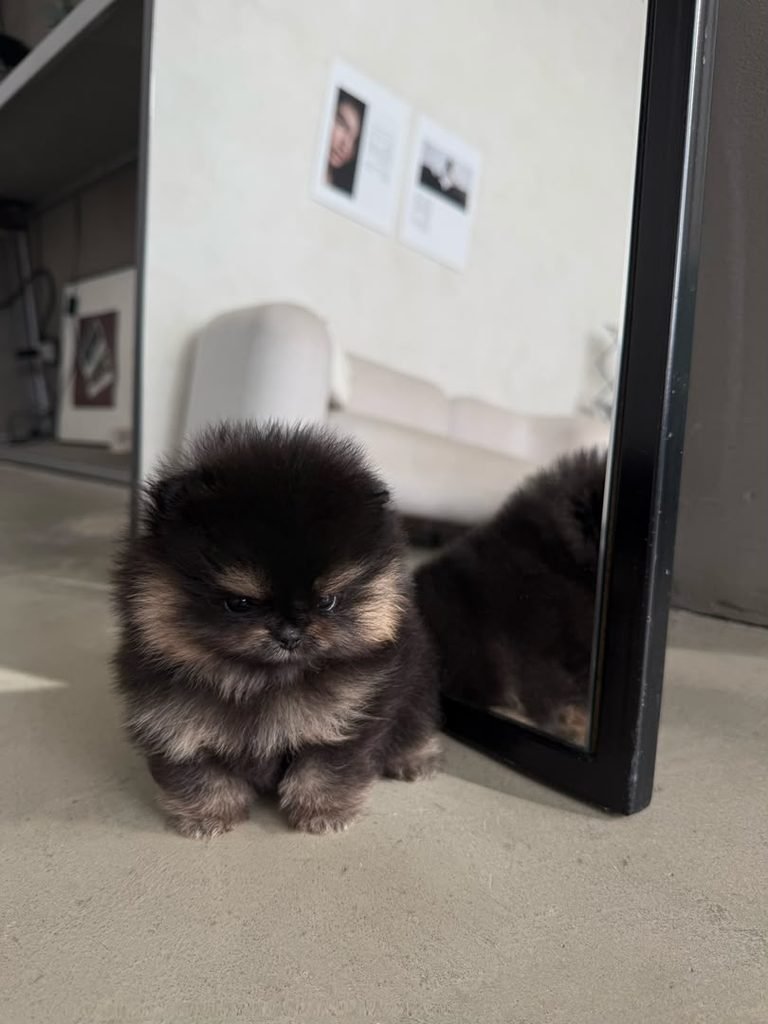
How often should you feed a Pomeranian puppy? This is an important question for new owners who want to provide the right nutrition during their puppy’s early development. Pomeranians are tiny dogs with individual nutritional needs, and establishing a consistent feeding schedule can help support healthy growth, digestion, and daily routines.https://pomeranianblisspuppies.com/care-guide/
In general, young Pomeranian puppies need several small meals throughout the day. As they grow, many puppies can gradually transition to fewer meals. However, the ideal feeding frequency depends on age, weight, health, food type, activity level, and veterinary recommendations.
Understanding how often should you feed a Pomeranian puppy can also help you organize potty breaks, training sessions, naps, and playtime. A predictable routine makes it easier to monitor appetite and notice changes that may require veterinary attention.
In this guide, you will learn how many times a day to feed a Pomeranian puppy, how feeding frequency changes with age, how to establish a meal schedule, and what mistakes to avoid.https://pomeranianblisspuppies.com/care-guide/
How Often Should You Feed a Pomeranian Puppy by Age?
The answer to how often should you feed a Pomeranian puppy depends largely on how old your puppy is.
Young puppies generally need more frequent meals than older puppies because they have small stomachs and are growing rapidly. The following schedule provides a general starting point, not a rigid rule for every puppy.
| Puppy Age | Typical Daily Meals |
|---|---|
| 8–12 weeks | Often 3–4 small meals |
| 3–6 months | Often 3 meals |
| 6–12 months | Usually 2–3 meals, depending on individual needs |
| Adult Pomeranian | Commonly 2 meals |
Very small puppies may need a different plan, especially if they are underweight, have health concerns, or struggle to eat enough at one time. Ask your veterinarian to confirm the appropriate meal frequency for your puppy.https://pomeranianblisspuppies.com/care-guide/
How Often Should You Feed an 8-Week-Old Pomeranian Puppy?
An 8-week-old Pomeranian puppy has only recently reached the age when many puppies go to their new homes. At this stage, frequent, appropriately sized meals can help provide the nutrition needed for continued growth.
Many puppies around this age eat three or four times daily.
An example four-meal schedule is:
- 7:00 AM — Breakfast
- 11:00 AM — Second meal
- 3:00 PM — Third meal
- 7:00 PM — Dinner
The exact times can change to suit your household. What matters is that the puppy receives an appropriate amount of complete puppy food divided into suitable meals.
If you bring home an 8-week-old Pomeranian, ask the breeder what food the puppy has been eating, how much is offered, and how often meals are provided. Keeping the initial routine consistent can make the transition easier.
How Often Should You Feed a 10-Week-Old Pomeranian Puppy?
At 10 weeks, your Pomeranian is still developing and may continue to benefit from three or four small meals per day.
Do not reduce feeding frequency simply because your puppy has reached 10 weeks. Consider the puppy’s appetite, growth, body condition, and ability to eat the daily food allowance comfortably.
A sample schedule could include breakfast at 7:00 AM, another meal at 11:00 AM, a third meal at 3:00 PM, and dinner at 7:00 PM.
If your veterinarian recommends three meals instead, follow that individualized plan.
How Often Should You Feed a 12-Week-Old Pomeranian Puppy?
Many 12-week-old Pomeranian puppies continue eating three or four meals daily.
Some puppies may be ready for a gradual change, but the decision should be based on individual needs rather than age alone.
For example, a four-meal routine might be:
- 7:00 AM — Breakfast
- 11:00 AM — Lunch
- 3:00 PM — Afternoon meal
- 7:00 PM — Dinner
Divide the puppy’s recommended daily food allowance between these meals. Do not increase the total daily amount simply because you are feeding more frequently.
How Often Should You Feed a Pomeranian Puppy at 3–6 Months?
Between three and six months, many Pomeranian puppies can follow a three-meal schedule.
A practical routine may look like this:
- 7:00 AM — Breakfast
- 12:30 PM — Lunch
- 6:00 PM — Dinner
This arrangement provides regular meals without requiring four separate feeding sessions.
However, some puppies may still need more frequent feeding. Your veterinarian can help determine when it is appropriate to change the schedule.
How Often Should You Feed a Pomeranian Puppy at 6–12 Months?
As your puppy gets older, you may be able to transition toward two or three meals per day.
For example, you could provide breakfast in the morning and dinner in the early evening, with a midday meal if your puppy’s needs call for it.
Do not make the transition abruptly. Watch your puppy’s appetite, energy, body condition, and overall health.
Pomeranians vary in size, and exceptionally small puppies may need an individualized feeding plan. Ask your veterinarian before making substantial changes to feeding frequency.
Why Do Pomeranian Puppies Need Frequent Meals?
Pomeranian puppies are small, and their nutritional needs change quickly as they grow.
Frequent meals can help distribute the puppy’s daily food allowance across the day instead of expecting the puppy to consume everything in one or two large meals.
A suitable feeding schedule can also help you:
- Monitor how much your puppy eats
- Establish predictable potty breaks
- Support a consistent daily routine
- Use part of the daily food allowance for training
- Notice appetite changes
- Avoid accidentally giving oversized meals
Very small puppies can be particularly vulnerable to low blood sugar, known as hypoglycemia. This can be serious, especially in tiny or underweight puppies. Weakness, unusual sleepiness, trembling, wobbliness, or collapse require urgent veterinary attention. Do not assume that symptoms are simply caused by hunger.
How Much Food Should a Pomeranian Puppy Eat Per Meal?
Knowing how often to feed a Pomeranian puppy is only one part of feeding correctly. You also need to know the appropriate daily quantity.
There is no single portion size suitable for every Pomeranian puppy. The amount depends on:
- Age
- Current weight
- Growth rate
- Activity level
- Body condition
- Calorie content of the food
- Health status
- Individual nutritional requirements
Start with the feeding instructions on your puppy’s food packaging and discuss the recommended daily quantity with your veterinarian.
Divide that daily allowance between the meals your puppy needs. For example, if the daily allowance is divided into four equal meals, each meal would contain approximately one-quarter of the daily amount.
Measure food rather than estimating portions by eye. A kitchen scale can help you measure more consistently.
What Is the Best Food for a Pomeranian Puppy?
Choose a complete and balanced puppy food that is appropriate for growth. A small-breed puppy formula may be suitable, depending on the product and your veterinarian’s advice.
A good feeding plan should provide appropriate nutrition without relying on excessive treats, table scraps, or unnecessary supplements.
When choosing food, consider:
- Whether it is formulated for puppies
- Whether it is nutritionally complete and balanced
- Whether the portion guidance suits your puppy’s needs
- Whether your puppy tolerates it well
- Your veterinarian’s recommendations
You can read more about breed characteristics and care through the American Kennel Club’s Pomeranian guide.
Should You Feed a Pomeranian Puppy Wet or Dry Food?
Both wet and dry puppy food can be appropriate if the product provides complete and balanced nutrition for growth.
Dry food is convenient to measure and store. Wet food may be more appealing to some puppies because of its texture and smell. Some owners use a combination of both.
If you decide to change foods, introduce the new diet gradually unless your veterinarian recommends otherwise. Monitor your puppy for changes in appetite, stool, and digestion.
Do not repeatedly switch foods just because your puppy appears to prefer one flavor on a particular day.
Should You Leave Food Out All Day?
For many households, scheduled meals are easier to manage than leaving food available all day.
A structured feeding routine helps you know how much your puppy has eaten and makes changes in appetite easier to recognize. It can also help you predict when your puppy may need a potty break.
However, some puppies have special nutritional needs that require a different approach. Follow your veterinarian’s guidance if your puppy needs a customized feeding plan.
How Often Should a Pomeranian Puppy Drink Water?
Pomeranian puppies should generally have access to clean, fresh water throughout the day.
Do not restrict water just to prevent nighttime accidents unless your veterinarian has given you specific instructions. Instead, organize potty breaks around drinking, meals, waking, and play.
Clean the water bowl regularly and pay attention to unusual changes in your puppy’s drinking habits.
If your puppy suddenly drinks much more or less than usual, especially alongside other symptoms, contact your veterinarian.
How Feeding Frequency Helps With Potty Training
A consistent feeding schedule can make potty training easier because puppies often need to eliminate after eating.
Take your puppy to the designated potty area:
- After waking up
- After meals
- After drinking
- After naps
- After active play
- Before bedtime
Praise your puppy when they eliminate in the correct place.
Remember that a feeding schedule does not eliminate the need for frequent potty breaks. Young puppies have limited bladder control, so they still need close supervision and regular opportunities to go.
Should You Feed Your Pomeranian Puppy Before Bed?
Plan your puppy’s final meal around the household’s normal evening routine.
After eating, allow time for calm activity and a potty opportunity before bed. Avoid intense play immediately after meals.
Very young puppies may still need to wake during the night for bathroom breaks. Do not expect an 8- or 10-week-old puppy to sleep through the entire night without needing attention.
A predictable evening routine can help your puppy settle more comfortably.
Can You Use Puppy Food for Training?
Yes. You may be able to use a small portion of your puppy’s normal daily food allowance for training.
For example, reward your Pomeranian for responding to their name, coming when called, sitting, or calmly accepting handling.
Keep sessions short and positive.
If you use commercial treats, account for them as part of the puppy’s overall daily intake. Because Pomeranians are small, treats can add up quickly.
How to Change Your Pomeranian Puppy Feeding Schedule
When changing from four meals to three, or from three meals to two, make the transition gradually when appropriate.
Follow these steps:
- Check your puppy’s age and health. Ask your veterinarian whether the change is suitable.
- Keep the daily food allowance appropriate. Fewer meals should not automatically mean less food.
- Adjust meal timing. Spread the meals across the day in a way that works for your household.
- Monitor appetite and digestion. Watch for skipped meals, vomiting, diarrhea, or changes in energy.
- Review the schedule if needed. Return to the previous plan or seek veterinary advice if your puppy struggles with the change.
There is no benefit in rushing a transition that your puppy is not ready for.
Common Feeding Mistakes to Avoid
1. Feeding Too Infrequently
Very young puppies may not do well on the same schedule as adult dogs. Make sure your puppy receives meals as frequently as their individual needs require.
2. Offering Excessively Large Meals
Do not give your puppy the entire daily food allowance in one or two meals simply for convenience.
3. Guessing Portions
Use the food’s feeding guidance and your veterinarian’s advice rather than estimating amounts by eye.
4. Changing Food Suddenly
An abrupt food change can upset digestion in some puppies.
5. Giving Too Many Treats
Treats should not replace balanced meals or contribute excessive calories.
6. Restricting Water
Do not limit water simply to prevent accidents without veterinary guidance.
7. Ignoring Appetite Changes
Repeated refusal of food or a sudden reduction in appetite can signal a health problem.
8. Following a Schedule That Does Not Fit Your Puppy
A general chart is a starting point, not a substitute for individualized advice.
Signs Your Pomeranian Puppy May Need Veterinary Attention
Contact your veterinarian promptly if your puppy repeatedly refuses food, has persistent vomiting or diarrhea, fails to grow as expected, or shows unusual changes in behavior.
Seek urgent veterinary care for collapse, severe weakness, trembling with weakness, marked wobbliness, or unresponsiveness. Tiny puppies can deteriorate quickly, and these signs should not be managed by simply offering food at home.
Regular veterinary visits can help monitor your puppy’s weight, body condition, development, and nutritional needs.
Frequently Asked Questions
How often should you feed a Pomeranian puppy at 8 weeks?
Many 8-week-old Pomeranian puppies eat three or four small meals per day. The best schedule depends on the puppy’s size, health, appetite, and veterinary recommendations.
How often should you feed a Pomeranian puppy at 3 months?
At three months, many puppies still need three or four meals daily. Do not reduce meal frequency without considering the puppy’s individual needs.
When can a Pomeranian puppy eat twice a day?
Many puppies transition to two meals as they mature, but the timing varies. Ask your veterinarian when your particular puppy is ready.
Can I feed my Pomeranian puppy only once a day?
Once-daily feeding is generally not an appropriate starting schedule for a young Pomeranian puppy. Young puppies usually need multiple meals, and tiny puppies may require particularly careful feeding management.
Should I wake my Pomeranian puppy to eat?
Follow the feeding plan recommended for your puppy. Very young or medically vulnerable puppies may need more carefully timed meals. Ask your veterinarian if you are unsure whether a sleeping puppy should be awakened for a scheduled meal.
What if my Pomeranian puppy is always hungry?
Some puppies appear eager for food even after eating enough. Check portion sizes, treats, growth, and body condition with your veterinarian rather than automatically increasing the daily food amount.
What if my Pomeranian puppy skips a meal?
Monitor your puppy closely and contact your veterinarian for advice, especially if the puppy is very young or tiny. Do not wait if skipped meals are accompanied by weakness, trembling, vomiting, diarrhea, or unusual sleepiness.
Is a feeding schedule important for Pomeranian puppies?
Yes. A consistent schedule helps you monitor appetite, manage portions, organize potty breaks, and establish a predictable routine.
Final Thoughts
So, how often should you feed a Pomeranian puppy? Many young Pomeranians eat three or four small meals a day, while older puppies can often transition gradually to three meals and eventually two.
The correct schedule depends on your puppy’s age, size, health, growth, and nutritional requirements. Measure food carefully, choose a complete and balanced puppy diet, provide fresh water, and monitor appetite and body condition.
Most importantly, work with your veterinarian to create a feeding plan tailored to your puppy. With appropriate meal frequency and a consistent routine, you can support healthy development and make everyday puppy care easier.https://pomeranianblisspuppies.com/care-guide/