October 8, 2026
Pomeranian Puppy Feeding Schedule – How Much and How Often to Feed
Pomeranian Puppy Feeding Schedule: Complete Guide for New Owners
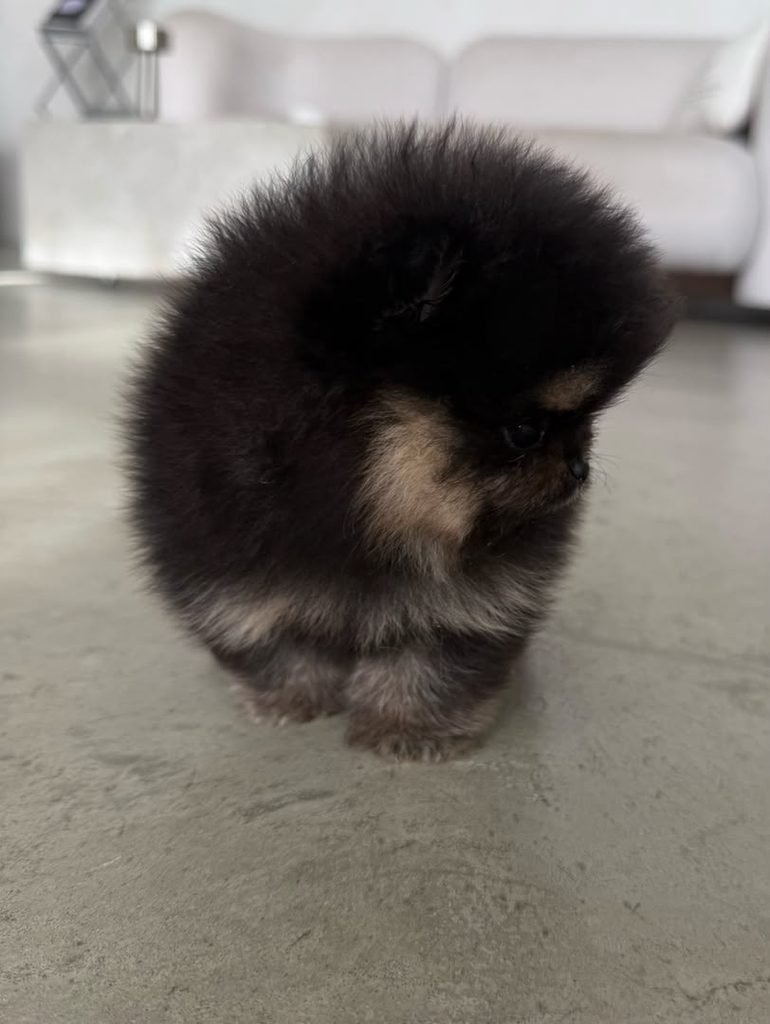
A Pomeranian Puppy Feeding Schedule is an important part of raising a healthy, happy, and well-adjusted puppy. Pomeranian puppies have small bodies, developing digestive systems, and high nutritional needs during their early months. Providing meals at appropriate times can help support healthy growth while also making potty training and daily puppy care easier.https://pomeranianblisspuppies.com/care-guide/
Knowing when to feed your Pomeranian puppy is just as important as choosing an appropriate puppy food. A consistent schedule helps your puppy understand when meals happen and gives you a predictable routine for monitoring appetite, digestion, energy, and bathroom habits.
The ideal Pomeranian Puppy Feeding Schedule will vary according to your puppy’s age, size, health, activity level, food, and veterinary recommendations. Very young puppies generally need more frequent meals, while older puppies can gradually move toward fewer meals each day.
This guide explains how to create a practical feeding schedule, how to organize meals, what to consider when choosing puppy food, how much to feed, and common mistakes to avoid.https://pomeranianblisspuppies.com/care-guide/
Why a Pomeranian Puppy Feeding Schedule Matters
A consistent Pomeranian Puppy Feeding Schedule gives your puppy structure throughout the day.
Regular meal times can make it easier to establish predictable patterns for:
- Eating
- Drinking
- Potty breaks
- Play
- Training
- Naps
- Bedtime
Puppies are still developing, so they benefit from routines that make their environment easier to understand.
A feeding schedule can also help you notice changes in your puppy’s appetite. If a puppy that normally eats well suddenly refuses several meals, that change is easier to recognize when meals are offered consistently.https://pomeranianblisspuppies.com/care-guide/
How Often Should a Pomeranian Puppy Eat?
The number of meals a Pomeranian puppy needs depends largely on age and individual circumstances.
A general starting point is:
| Puppy Age | Typical Meal Pattern |
|---|---|
| Very young puppies | Several small meals |
| Around 8–12 weeks | Often 3–4 meals daily |
| Around 3–6 months | Often 3 meals daily |
| Around 6–12 months | Often 2–3 meals daily |
| Adult | Commonly 2 meals daily |
These are general guidelines rather than strict rules.
Your veterinarian can recommend the feeding frequency that is most appropriate for your individual puppy.
Small-breed puppies can have different nutritional needs from larger breeds, so avoid automatically applying a large-breed feeding schedule to a Pomeranian.
Pomeranian Puppy Feeding Schedule by Age
Your Pomeranian Puppy Feeding Schedule should change gradually as your puppy grows.
8-Week-Old Pomeranian Puppy Feeding Schedule
An 8-week-old Pomeranian puppy is still very young.
Many puppies at this age do well with several small meals distributed throughout the day.
An example schedule could be:
- 7:00 AM — Breakfast
- 11:00 AM — Lunch
- 3:00 PM — Afternoon meal
- 7:00 PM — Dinner
The exact timing can be adjusted around your household routine.
Because puppies differ in size and development, the amount of food should be based on the food’s feeding directions, your puppy’s condition, and veterinary advice.
10-Week-Old Pomeranian Puppy Feeding Schedule
At 10 weeks, your puppy is still in an important growth period.
You may continue offering several small meals throughout the day.
A sample schedule could be:
7:00 AM: Breakfast
11:00 AM: Meal
3:00 PM: Meal
7:00 PM: Dinner
Keeping meals at similar times each day can make your puppy’s routine easier to manage.
12-Week-Old Pomeranian Puppy Feeding Schedule
At approximately 12 weeks, many Pomeranian puppies can continue with three or four meals depending on their individual needs.
For example:
7:00 AM: Breakfast
12:00 PM: Lunch
5:00 PM: Dinner
Optional additional meal: Based on veterinary guidance and individual needs
Do not reduce meal frequency simply because the puppy has reached a particular age. Look at the puppy’s growth, appetite, body condition, and veterinary recommendations.
Pomeranian Puppy Feeding Schedule for 3 to 6 Months
As your puppy gets older, you can gradually transition toward fewer meals.
Many puppies in this age range can be fed three meals per day.
A simple schedule might be:
- 7:00 AM — Breakfast
- 1:00 PM — Lunch
- 7:00 PM — Dinner
The exact times are flexible.
The goal is to spread meals reasonably throughout the day rather than feeding everything at once.
Pomeranian Puppy Feeding Schedule for 6 to 12 Months
As your Pomeranian approaches adolescence, many puppies can transition toward two or three meals per day.
For example:
7:00 AM: Breakfast
1:00 PM: Lunch if needed
6:30 PM: Dinner
Your veterinarian can help determine when it is appropriate to change your puppy’s feeding frequency.
How Much Should You Feed a Pomeranian Puppy?
Knowing how much to feed is one of the most common questions about a Pomeranian Puppy Feeding Schedule.
There is no single amount that is correct for every Pomeranian puppy.
The appropriate quantity depends on factors such as:
- Age
- Current weight
- Expected adult size
- Activity level
- Body condition
- Food calorie density
- Growth rate
- Health
- Individual metabolism
Start with the feeding guidance provided for the specific puppy food you are using, then discuss adjustments with your veterinarian.
Avoid estimating food portions based only on the puppy’s size.
Two puppies of similar weight can have different energy requirements.
How to Measure Pomeranian Puppy Food
Accurate portions are important.
Rather than filling a bowl randomly, measure your puppy’s daily food.
You can divide the total daily amount into the number of meals your puppy receives.
For example, if your puppy’s daily food allowance is divided into four meals, each meal should represent approximately one-quarter of the daily amount unless your veterinarian recommends a different distribution.
A measuring cup can be useful, while a kitchen scale can provide even greater accuracy for some foods.
Should Pomeranian Puppies Have Food Available All Day?
Free-feeding is not automatically the best option for every puppy.
Leaving food available all day can make it difficult to know:
- How much your puppy actually ate
- When your puppy ate
- Whether appetite has changed
- When a potty break may be needed
A scheduled Pomeranian Puppy Feeding Schedule gives you much better information about your puppy’s eating habits.
There may be individual situations where a veterinarian recommends a different feeding method, so follow professional advice when your puppy has special nutritional needs.
What Food Should a Pomeranian Puppy Eat?
Your Pomeranian puppy needs a complete and balanced diet designed for growth.
Look for a puppy food appropriate for small-breed puppies when recommended for your puppy.
The food should provide appropriate levels of nutrients needed during growth.
The American Kennel Club recommends feeding puppies a complete and balanced puppy diet and emphasizes choosing food appropriate for the puppy’s life stage.
When selecting food, consider:
- Life-stage suitability
- Nutritional adequacy
- Small-breed formulation when appropriate
- Ingredient quality
- Calorie density
- Your puppy’s digestive tolerance
- Veterinary recommendations
Wet Food vs. Dry Food for Pomeranian Puppies
Both wet and dry puppy foods can be options depending on your puppy’s nutritional needs and preferences.
Dry food can be convenient and easy to measure.
Wet food contains more moisture and may be appealing to some puppies.
Some owners also combine wet and dry food.
If you change the type of food, introduce the new food gradually rather than suddenly switching diets.
If your puppy develops vomiting, persistent diarrhea, poor appetite, or other concerning symptoms after a food change, contact your veterinarian.
Can Pomeranian Puppies Eat Adult Dog Food?
Puppies generally need food formulated for growth rather than simply eating an adult maintenance diet.
Puppy foods are designed to provide nutrients needed during development.
Your veterinarian can help determine when your Pomeranian should transition from puppy food to adult food.
Avoid switching simply because your puppy appears small or reaches a certain weight.
Pomeranian Puppy Feeding Schedule and Potty Training
One major benefit of a structured Pomeranian Puppy Feeding Schedule is that it can help you anticipate potty needs.
Many puppies need to eliminate after eating.
A useful routine can be:
Meal → wait a short period → potty opportunity → praise
Your puppy may also need to go potty:
- After waking
- After drinking
- After playing
- After naps
- After crate time
Keeping feeding times consistent makes these patterns easier to recognize.
Water and Your Pomeranian Puppy
Fresh, clean water should be available to your puppy unless your veterinarian has instructed you otherwise.
Do not deliberately restrict water simply to prevent nighttime accidents.
Instead, work on a consistent potty routine.
Keep the water bowl clean and check it regularly throughout the day.
Pomeranian puppies can be active and playful, so access to appropriate hydration is important.
Should a Pomeranian Puppy Eat Before or After Exercise?
Avoid intense activity immediately after meals.
After your puppy eats, provide time for digestion and keep activity calm and age-appropriate.
Young puppies do not need strenuous exercise.
A gentle potty trip or calm movement may be appropriate, but avoid encouraging rough play immediately after eating.
Pomeranian Puppy Feeding Schedule and Treats
Treats can be useful during training, but they should not replace balanced meals.
When using treats:
- Keep portions small
- Choose puppy-appropriate treats
- Avoid excessive treats
- Consider treats when evaluating total daily calories
- Use praise as another reward
Because Pomeranians are small, even a seemingly tiny treat can represent a significant portion of their daily calorie intake.
Training With Food
Your Pomeranian Puppy Feeding Schedule can work together with training.
For example, you can use a small portion of your puppy’s regular food during training when appropriate.
Practice simple behaviors such as:
- Name recognition
- Sit
- Come
- Stay
- Leave it
- Touch
- Calm behavior
Short sessions are usually more appropriate for young puppies than long training periods.
Pomeranian Puppy Feeding Schedule and Crate Training
A feeding schedule can also support crate training.
For example:
Meal → potty → gentle activity → rest
This gives your puppy a predictable sequence.
Never put a puppy into a crate immediately after eating and expect them to remain there for a long period without a bathroom opportunity.
Young puppies have limited bladder control.
Feeding a Pomeranian Puppy Before Bed
Your puppy’s final meal should be planned around your normal evening routine.
After dinner, give your puppy an opportunity to:
- Digest
- Relax
- Play gently
- Go potty
- Settle down
A final potty trip before bedtime can reduce the chance of overnight accidents.
Very young puppies may still need nighttime potty trips.
Pomeranian Puppy Feeding Schedule for Busy Owners
If you work outside the home, consistency can be more challenging.
Try to establish meal times that realistically fit your schedule.
If your puppy is too young to go long periods without a meal or potty break, arrange appropriate help.
Options can include:
- A family member
- A trusted friend
- A responsible pet sitter
- A puppy caregiver
- Another appropriate care arrangement
Do not create a feeding schedule that looks convenient on paper but does not meet your puppy’s needs.
Pomeranian Puppy Feeding Schedule for Work-From-Home Owners
Working from home can make feeding easier.
You can establish reminders for:
- Meals
- Water checks
- Potty trips
- Training
- Nap time
However, avoid feeding every time your puppy asks for attention.
Keep meal times structured unless your veterinarian recommends otherwise.
How to Create a Pomeranian Puppy Feeding Schedule
Creating a schedule is simple.
Step 1: Determine Your Puppy’s Age
Age helps determine the appropriate meal frequency.
Step 2: Choose an Appropriate Puppy Food
Use a complete and balanced diet appropriate for growth.
Step 3: Determine the Daily Amount
Use the food manufacturer’s guidance as a starting point and discuss adjustments with your veterinarian.
Step 4: Divide the Daily Food
Divide the daily amount between the number of meals your puppy needs.
Step 5: Choose Consistent Meal Times
Pick times you can maintain every day.
Step 6: Connect Meals With Potty Breaks
Plan a bathroom opportunity after meals.
Step 7: Monitor Your Puppy
Watch appetite, stool quality, weight, body condition, energy, and overall behavior.
Step 8: Adjust When Necessary
Your puppy’s needs will change as they grow.
Example Full-Day Pomeranian Puppy Feeding Schedule
Here is a simple example for a young puppy:
7:00 AM — Breakfast
Feed the appropriate measured portion.
7:15–7:30 AM — Potty
Take your puppy to the designated bathroom area.
8:00 AM — Play and Training
Use a short, positive session.
9:00 AM — Nap
Give your puppy time to rest.
11:00 AM — Second Meal
Offer the next scheduled meal if your puppy is following a four-meal schedule.
11:15 AM — Potty
Provide another bathroom opportunity.
12:00 PM — Quiet Play
Use gentle activities and mental stimulation.
1:00 PM — Nap
Allow your puppy to sleep.
3:00 PM — Third Meal
Offer the next measured portion if appropriate for your puppy’s schedule.
3:15 PM — Potty
Take your puppy out after eating.
4:00 PM — Play and Training
Practice simple skills.
5:00 PM — Rest
Give your puppy another opportunity to sleep.
7:00 PM — Dinner
Provide the final scheduled meal if your puppy is eating four meals daily.
7:15 PM — Potty
Give your puppy a bathroom opportunity.
8:00 PM — Family Time
Enjoy calm interaction.
9:00 PM — Potty
Take your puppy out again.
10:00 PM — Bedtime
Settle your puppy in their sleeping area.
This schedule is an example rather than a universal prescription.
Signs Your Pomeranian Puppy Is Eating Well
A puppy receiving appropriate nutrition should generally show signs such as:
- Good energy
- Normal growth
- Healthy appetite
- Appropriate stool
- Healthy skin and coat
- Normal development
- Good engagement with people
- Appropriate body condition
Regular veterinary examinations are important because healthy growth is about more than simply eating enough food.
Signs Your Pomeranian Puppy May Not Be Eating Enough
Contact your veterinarian if you notice concerning changes such as:
- Repeated refusal of meals
- Significant loss of appetite
- Unusual weakness
- Vomiting
- Persistent diarrhea
- Poor growth
- Weight loss
- Dehydration
- Extreme lethargy
Because puppies are small and can become unwell more quickly than expected, do not ignore significant changes in eating or behavior.
What If My Pomeranian Puppy Refuses Food?
Occasionally, a puppy may skip or eat less of a meal.
However, repeated refusal should not simply be dismissed.
Consider:
- Has the food changed?
- Is the puppy stressed?
- Has the puppy recently traveled?
- Are there digestive symptoms?
- Is the puppy unusually tired?
- Is the puppy drinking normally?
- Is there a change in behavior?
If your puppy refuses multiple meals or shows other signs of illness, contact your veterinarian promptly.
Pomeranian Puppy Feeding Schedule and Growth
Your puppy’s feeding plan should support steady, healthy development rather than rapid weight gain.
Do not try to make a Pomeranian puppy grow faster by giving extra food.
Overfeeding can contribute to excessive weight gain, while underfeeding can interfere with proper development.
Your veterinarian can monitor:
- Weight
- Body condition
- Growth
- Muscle development
- Dental development
- Overall health
How to Tell if Your Pomeranian Puppy Is Overweight
Because Pomeranians are very small, small changes in weight can be meaningful.
Signs of excess body condition may include:
- Difficulty feeling the ribs
- Reduced waist definition
- A rounded appearance
- Reduced willingness to move
- Excessive weight gain between veterinary visits
Do not rely only on the number displayed on a scale.
Body condition is also important.
Ask your veterinarian to show you what an ideal body condition looks like for your puppy.
How to Tell if Your Pomeranian Puppy Is Too Thin
A puppy that appears unusually thin should be evaluated.
Potential warning signs include:
- Prominent bones
- Poor muscle development
- Low energy
- Poor appetite
- Lack of expected growth
- Persistent digestive problems
Do not simply increase food dramatically without determining why your puppy is underweight.
Common Pomeranian Puppy Feeding Mistakes
1. Feeding Too Much
More food does not necessarily mean healthier growth.
2. Feeding Too Little
Puppies need adequate nutrition for development.
3. Constantly Changing Foods
Frequent diet changes can upset digestion.
4. Too Many Treats
Treats can add significant calories for a tiny puppy.
5. Ignoring Portion Guidance
Guessing portions can lead to overfeeding or underfeeding.
6. Feeding Only Once a Day
Young puppies often need more frequent meals than adult dogs.
7. Skipping Breakfast
A structured morning meal can be part of a predictable routine.
8. Restricting Water
Do not restrict water simply to reduce accidents unless specifically directed by your veterinarian.
9. Feeding Table Scraps
Human foods can be inappropriate or unsafe for dogs.
10. Ignoring Appetite Changes
A sudden appetite change can sometimes indicate illness.
Foods Pomeranian Puppies Should Avoid
Not everything that is safe for people is safe for dogs.
Avoid giving your puppy foods known to be toxic to dogs, including:
- Chocolate
- Grapes
- Raisins
- Onions
- Garlic
- Xylitol-containing products
- Alcohol
- Certain highly fatty or seasoned foods
Keep potentially dangerous foods away from your puppy.
If you believe your puppy has eaten something toxic, contact a veterinarian or appropriate animal poison service immediately.
Should You Give a Pomeranian Puppy Supplements?
Do not automatically add supplements to a complete and balanced puppy diet.
Extra vitamins or minerals can be unnecessary and, in some cases, harmful when given incorrectly.
If you believe your puppy needs a supplement, discuss it with your veterinarian first.
Changing Your Pomeranian Puppy Food
If you need to change foods, a gradual transition is generally easier on the digestive system than an abrupt change.
A transition may involve gradually increasing the new food while reducing the old food over several days.
The exact transition period can depend on the puppy and foods involved.
Monitor your puppy’s stool, appetite, and overall behavior.
Pomeranian Puppy Feeding Schedule and Vet Visits
Your veterinarian is one of the most important resources when creating a feeding plan.
During puppy visits, discuss:
- Current weight
- Growth
- Body condition
- Food
- Portion size
- Meal frequency
- Treats
- Water
- Digestive health
- Development
- Vaccinations
- Parasite prevention
Bring the food packaging or feeding information if you have questions about portions.
Feeding a Pomeranian Puppy From a Breeder
When bringing a Pomeranian puppy home, ask the breeder about the feeding routine the puppy was already following.
Questions can include:
- What food is the puppy eating?
- How many meals does the puppy receive?
- What times are meals offered?
- How much food is given?
- Does the puppy eat dry or wet food?
- Has the puppy experienced digestive problems?
- What treats are being used?
- Has the puppy’s food been changed recently?
Keeping the initial routine consistent can make the transition to a new home easier.
The First Week and Your Pomeranian Puppy Feeding Schedule
The first week at home can be stressful for a puppy.
Try to keep meals predictable.
Avoid making multiple major changes at the same time.
For example, bringing your puppy home, changing food immediately, changing meal times, introducing many new treats, and exposing them to numerous new environments can create unnecessary stress.
Instead:
Keep meals familiar → maintain a predictable routine → monitor appetite → gradually make changes when needed.
Pomeranian Puppy Feeding Schedule Checklist
Use this checklist every day:
Food
- Appropriate puppy food
- Correct daily amount
- Meals measured
- Consistent feeding times
- Food stored properly
Water
- Fresh water available
- Bowl cleaned regularly
- Water intake monitored for unusual changes
Health
- Appetite normal
- Stool normal
- Energy appropriate
- Weight monitored
- No repeated vomiting
- No persistent diarrhea
Routine
- Meal followed by potty opportunity
- Training treats limited
- Nap periods provided
- Exercise appropriate for age
- Bedtime consistent
Frequently Asked Questions
What is the best Pomeranian Puppy Feeding Schedule?
The best Pomeranian Puppy Feeding Schedule is one that provides age-appropriate meals, appropriate portions, fresh water, and consistent feeding times while meeting your puppy’s individual nutritional needs.
How many times should a Pomeranian puppy eat?
Young Pomeranian puppies commonly need several small meals each day. Many puppies gradually transition from three or four meals toward fewer meals as they mature.
What time should I feed my Pomeranian puppy?
There is no single required feeding time. Choose consistent times that fit your household and your puppy’s needs.
Should I feed my Pomeranian puppy three or four times a day?
Very young puppies may benefit from more frequent meals, while older puppies may transition to three and eventually two meals daily. Your veterinarian can help determine the appropriate schedule.
How much food should a Pomeranian puppy eat?
The appropriate amount depends on age, weight, activity, body condition, food calorie density, and individual needs. Follow the food’s feeding guidance and discuss portions with your veterinarian.
Should I leave food out all day for my Pomeranian puppy?
Scheduled meals are often easier for monitoring food intake and establishing a predictable routine. However, individual puppies may have different needs.
Can Pomeranian puppies eat adult dog food?
Puppies generally need a nutritionally complete diet formulated for growth rather than an adult maintenance diet.
Should Pomeranian puppies drink water all day?
Fresh, clean water should generally be available unless your veterinarian has instructed you otherwise.
Should I give treats between meals?
Small, appropriate treats can be used during training, but excessive treats can add unnecessary calories.
What if my Pomeranian puppy does not finish a meal?
Occasional changes in appetite can happen, but repeated refusal to eat should be discussed with your veterinarian, particularly if other symptoms occur.
Should I change my puppy’s food when I bring it home?
There is usually no need to make an immediate food change simply because your puppy has moved homes. If you want to change foods, a gradual transition is generally preferable.
Can I feed my Pomeranian puppy human food?
It is best to avoid routinely feeding table scraps. Some human foods are unsafe for dogs, and excessive treats can interfere with a balanced puppy diet.
When should I change from puppy food to adult food?
The appropriate transition depends on your puppy’s development, health, food, and veterinary recommendations.
Final Thoughts
A reliable Pomeranian Puppy Feeding Schedule provides structure during one of the most important stages of your puppy’s development.
Young Pomeranians need appropriate nutrition, consistent meals, fresh water, adequate sleep, regular potty opportunities, age-appropriate activity, and veterinary care. A feeding schedule brings these parts of puppy care together and makes it easier to monitor your puppy’s health.
Start with an appropriate puppy food, measure meals carefully, keep feeding times consistent, and adjust the plan as your Pomeranian grows.
Remember that there is no single feeding schedule that works perfectly for every puppy. Your Pomeranian’s age, size, growth, health, food, appetite, and individual needs should all be considered.
When in doubt, work with your veterinarian to create a feeding plan that supports healthy growth without unnecessary overfeeding.
A thoughtful Pomeranian Puppy Feeding Schedule is not just about knowing when to put food in the bowl. It is about creating healthy habits, supporting development, monitoring changes, and giving your puppy the nutritional foundation they need to grow into a healthy adult Pomeranian.https://pomeranianblisspuppies.com/care-guide/