October 6, 2026
Pomeranian Puppy Daily Routine – A Simple Schedule for New Owners
Pomeranian Puppy Daily Routine: A Complete Daily Schedule Guide
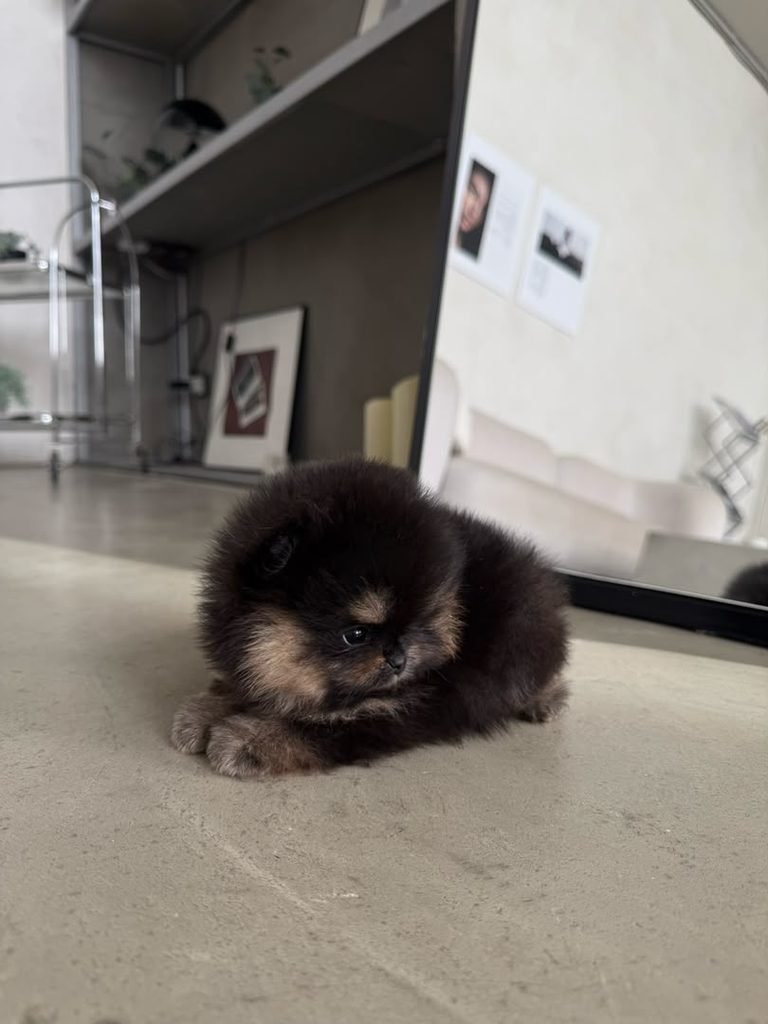
A Pomeranian Puppy Daily Routine can make raising a young Pomeranian much easier. Puppies are still learning how the world works, and having predictable times for meals, potty breaks, naps, play, training, grooming, and bedtime helps them understand what to expect each day.https://pomeranianblisspuppies.com/solution/
Pomeranian puppies are small, intelligent, energetic, and highly social. They may have plenty of personality packed into a tiny body, but they still need substantial amounts of sleep and frequent opportunities to eat, eliminate, play, learn, and rest.
A good Pomeranian Puppy Daily Routine does not need to be complicated. The goal is to create a consistent rhythm that works for both you and your puppy.https://pomeranianblisspuppies.com/solution/
The exact schedule will depend on your puppy’s age, feeding plan, health, household schedule, and individual personality. A very young puppy may need more frequent potty breaks and naps, while an older puppy can gradually handle longer periods between activities.
Why a Pomeranian Puppy Daily Routine Is Important
A consistent Pomeranian Puppy Daily Routine gives your puppy structure.
Instead of every day being unpredictable, your puppy begins to learn patterns such as:
- Wake up means potty time.
- Breakfast is followed by another potty opportunity.
- Playtime is followed by rest.
- Training happens in short sessions.
- Nap time means quiet time.
- Evening means winding down.
- Bedtime happens at approximately the same time.
According to the American Kennel Club, establishing a consistent puppy schedule can help puppies adjust to their new homes and understand what is expected of them.https://pomeranianblisspuppies.com/solution/
A routine can also make life easier for the owner because feeding, potty breaks, training, and sleep become easier to organize.
What Should Be Included in a Pomeranian Puppy Daily Routine?
A well-balanced Pomeranian Puppy Daily Routine should include several basic areas of care.
These include:
- Morning potty break
- Breakfast
- Post-meal potty break
- Short playtime
- Training
- Nap
- Midday meal when appropriate
- More potty breaks
- Mental stimulation
- Grooming practice
- Dinner
- Family interaction
- Evening potty break
- Calm time
- Final potty trip
- Bedtime
You do not need to follow the clock perfectly every day. Consistency is more important than making every activity happen at exactly the same minute.https://pomeranianblisspuppies.com/solution/
Sample Pomeranian Puppy Daily Routine
Here is an example of a Pomeranian Puppy Daily Routine for a young puppy.
| Time | Activity |
|---|---|
| 7:00 AM | Wake up and potty |
| 7:15 AM | Breakfast |
| 7:30 AM | Potty break |
| 7:45 AM | Gentle play and bonding |
| 8:15 AM | Short training session |
| 8:30 AM | Quiet time |
| 9:00 AM | Nap |
| 11:00 AM | Wake up and potty |
| 11:15 AM | Play and mental stimulation |
| 12:00 PM | Lunch if age-appropriate |
| 12:15 PM | Potty break |
| 12:30 PM | Short training/play session |
| 1:00 PM | Nap |
| 3:00 PM | Potty break |
| 3:15 PM | Play and exploration |
| 4:00 PM | Rest |
| 5:30 PM | Dinner |
| 5:45 PM | Potty break |
| 6:00 PM | Family time and gentle play |
| 7:00 PM | Training or enrichment |
| 8:00 PM | Calm time |
| 9:00 PM | Potty break |
| 9:30 PM | Quiet bedtime routine |
| 10:00 PM | Final potty trip and sleep |
This is only an example. Your puppy may need a different schedule depending on age and individual needs.
Morning Routine for a Pomeranian Puppy
The morning is an important part of your Pomeranian Puppy Daily Routine.
When your puppy wakes up, take them to their designated potty area as soon as possible. Young puppies often need to eliminate shortly after waking.
Try not to turn the first few minutes of the morning into a long play session before the potty trip. Take care of the bathroom break first, then begin the rest of the morning.
After your puppy successfully goes potty, praise them calmly.
Morning Steps
A simple morning routine can look like this:
Wake up → potty → breakfast → potty → play → training → nap
This sequence is easy for a puppy to understand and can help establish good habits.
Pomeranian Puppy Feeding Schedule
Feeding should be one of the most predictable parts of your Pomeranian Puppy Daily Routine.
Young puppies generally need several meals throughout the day rather than being treated exactly like adult dogs. The appropriate amount and number of meals depend on the puppy’s age, size, food, health, and veterinary recommendations.
The AKC notes that many young puppies eat three meals per day.
Your puppy should receive a complete and balanced puppy diet appropriate for their life stage.
Do not make major changes to your puppy’s food without considering how the change may affect digestion.
Keep Mealtimes Consistent
Try to feed your puppy at approximately the same times each day.
For example:
- Breakfast: morning
- Lunch: midday when appropriate
- Dinner: early evening
A predictable feeding schedule can also make potty training easier because you can better anticipate when your puppy may need to eliminate.
Always provide access to clean, fresh water unless your veterinarian has instructed you otherwise.
The AKC specifically recommends fresh water being available for Pomeranians.
Pomeranian Puppy Potty Routine
Potty training should be a major part of your Pomeranian Puppy Daily Routine.
Pomeranian puppies have small bodies and developing bladder control, so they may need frequent bathroom opportunities.
Take your puppy to their designated potty area:
- Immediately after waking
- After eating
- After drinking
- After naps
- After active play
- After crate time
- Before bedtime
- Whenever you notice signs that they need to go
The AKC recommends frequent potty opportunities for young puppies, particularly after eating, sleeping, and playing.
Watch for Potty Signals
Your Pomeranian puppy may show signs such as:
- Sniffing the floor
- Circling
- Becoming restless
- Walking away from play
- Whining
- Scratching near a door
- Suddenly stopping what they are doing
Learn your individual puppy’s signals.
The sooner you recognize them, the easier it becomes to prevent accidents.
Reward Good Potty Behavior
When your puppy goes in the correct place, provide immediate praise.
You can use:
- Verbal praise
- Affection
- A small training reward when appropriate
Avoid punishing accidents.
Instead, clean the area thoroughly and focus on making the next potty opportunity successful.
Pomeranian Puppy Sleep Schedule
Sleep is one of the most important parts of a Pomeranian Puppy Daily Routine.
A young puppy can spend a surprisingly large portion of the day sleeping. The AKC notes that puppies may sleep around 16–18 hours per day, with some puppies needing even more.
Do not assume that a puppy who becomes hyperactive needs more exercise.
Sometimes an overtired puppy needs a nap.
Signs Your Puppy May Need a Nap
Watch for:
- Excessive biting
- Increased barking
- Zooming around the house
- Difficulty settling
- Irritability
- Losing interest in toys
- Becoming unusually restless
A quiet crate, puppy pen, or designated sleeping area can help your Pomeranian learn when it is time to rest.
Pomeranian Puppy Nap Routine
A useful pattern is:
Wake → potty → eat → potty → play → train → nap
After waking from the nap:
Potty → play → training → rest
You will repeat this basic cycle many times during puppyhood.
This repetition is actually beneficial. Your puppy gradually learns what happens next.
Pomeranian Puppy Playtime
Play should be an important part of your Pomeranian Puppy Daily Routine, but puppy play should be age-appropriate.
Instead of expecting your puppy to exercise for a long period, use several short play sessions.
Good activities can include:
- Soft toy play
- Gentle tug
- Food puzzles
- Finding treats
- Name games
- Recall games
- Supervised exploration
- Short indoor games
- Gentle interaction with family members
The AKC recommends several shorter play sessions rather than sustained strenuous exercise for young puppies.
Mental Stimulation for a Pomeranian Puppy
Physical exercise is only one part of puppy development.
Pomeranians are intelligent dogs, so mental stimulation should also be included in your Pomeranian Puppy Daily Routine.
Try activities such as:
Name Recognition
Say your puppy’s name and reward them when they look toward you.
Find the Treat
Hide a small appropriate reward in an easy-to-find location and encourage your puppy to investigate.
Toy Choice
Place two safe toys nearby and encourage your puppy to choose one.
Basic Commands
Practice simple skills such as:
- Sit
- Come
- Wait
- Leave it
- Touch
- Down
Keep training sessions short and positive.
Pomeranian Puppy Training Routine
Training does not need to be a separate one-hour event.
In fact, very young puppies often learn better through short sessions.
You can incorporate training into your Pomeranian Puppy Daily Routine.
For example:
Breakfast: Practice name recognition.
Morning play: Practice recall.
Afternoon: Practice sit.
Evening: Practice leash manners.
This approach allows your puppy to learn without becoming overwhelmed.
The AKC recommends beginning training and establishing household rules early, while using positive experiences and consistency.
Pomeranian Puppy Socialization
Socialization should also have a place in your Pomeranian Puppy Daily Routine.
A puppy should gradually experience appropriate sights, sounds, surfaces, people, handling, and everyday household situations.
Examples include:
- Household noises
- Different floor surfaces
- Car rides
- Gentle grooming
- Different people
- Collar or harness handling
- Being touched around the ears
- Having paws handled
- Being calmly carried
- Household appliances
Socialization should be gradual and positive.
Do not overwhelm your puppy by exposing them to too many new experiences at once.
Also follow your veterinarian’s recommendations regarding vaccination and safe public exposure.
Pomeranian Puppy Grooming Routine
Grooming should become part of normal life while your puppy is young.
You do not have to perform a complete grooming session every day.
Instead, use brief sessions to teach your puppy that grooming is normal.
Your routine can include:
- Gentle brushing
- Looking at the ears
- Handling the paws
- Checking the coat
- Touching the tail gently
- Introducing a toothbrush
- Getting your puppy comfortable with nail care
Short positive sessions are often easier for puppies than long grooming sessions.
Pomeranian Puppy Dental Care
Dental care is another habit worth introducing early.
Your puppy can gradually become comfortable with having their mouth handled.
Start slowly.
Touch the lips gently, reward calm behavior, and gradually introduce a puppy-safe toothbrush and veterinary-approved dental products.
Never force your puppy into a long dental session.
The goal is to build a lifelong habit.
Pomeranian Puppy Exercise Routine
A Pomeranian Puppy Daily Routine should include movement, but young puppies do not need strenuous workouts.
Their bodies are still developing.
Instead, choose gentle activities such as:
- Short walks when appropriate
- Indoor play
- Supervised yard exploration
- Gentle toy games
- Training games
- Food puzzles
Avoid encouraging repeated high-impact jumping from furniture.
The AKC specifically warns that Pomeranians can be injured by jumping on and off couches or beds.
Because Pomeranians are small, be especially careful around stairs, large dogs, pools, and furniture.
Afternoon Routine
The afternoon can be a mixture of rest, play, training, and social interaction.
A typical afternoon could look like:
Wake → potty → play → training → mental stimulation → potty → nap
Do not feel pressured to keep your puppy entertained every minute.
Learning to settle calmly is an important life skill.
Evening Pomeranian Puppy Routine
Evening is often when puppies become particularly active.
A good evening routine can help prevent your puppy from becoming overtired and chaotic.
Try:
- Dinner
- Potty
- Gentle play
- Short training
- Family interaction
- Calm chewing or enrichment
- Potty
- Quiet time
- Final potty
- Bed
The AKC recommends incorporating evening interaction, a final bathroom opportunity, and a consistent bedtime into a puppy’s routine.
Pomeranian Puppy Bedtime Routine
A predictable bedtime routine can help your puppy understand that the day is ending.
For example:
Calm play → potty → lights lower → crate or sleeping area → quiet time → sleep
Keep the environment calm.
Avoid turning bedtime into another exciting play session.
Your puppy may cry during the first few nights. Some puppies also need nighttime potty breaks while they are young.
If your puppy needs to go outside during the night, keep the trip calm and boring before returning them to bed.
Pomeranian Puppy Crate Routine
If you are crate training your puppy, the crate should be associated with safety and comfort rather than punishment.
You can incorporate the crate into your daily schedule for:
- Naps
- Quiet time
- Safe rest
- Short periods when you cannot supervise
- Overnight sleeping
Never use the crate as a place to punish your puppy.
Give your Pomeranian opportunities to enter the crate voluntarily and reward calm behavior.
How Long Should a Pomeranian Puppy Play?
There is no single number that works for every Pomeranian puppy.
Age, health, personality, environment, and activity all matter.
Instead of focusing entirely on the clock, watch your puppy.
If your puppy is becoming:
- Overly tired
- Mouthy
- Frustrated
- Wildly hyperactive
- Unable to concentrate
- Difficult to settle
it may be time for a rest period.
Short play sessions followed by naps are often easier for young puppies.
How Often Should a Pomeranian Puppy Potty?
Young puppies need frequent opportunities.
A practical Pomeranian Puppy Daily Routine should include potty trips after:
- Waking
- Eating
- Drinking
- Playing
- Napping
- Crate time
Your puppy’s age and individual bladder control will determine how frequently they need to go.
Do not expect a very young puppy to behave like an adult dog.
If your puppy has repeated accidents despite consistent training, speak with your veterinarian to rule out a medical issue.
Pomeranian Puppy Routine for Working Owners
If you work outside the home, your Pomeranian Puppy Daily Routine may require additional planning.
A young puppy may not be able to stay alone for an entire workday without bathroom or social needs being addressed.
Depending on your circumstances, consider arranging help from:
- A trusted family member
- A responsible friend
- A pet sitter
- A puppy caregiver
- A dog walker when age-appropriate
The goal is to avoid forcing a young puppy to remain alone for longer than they can comfortably manage.
Pomeranian Puppy Routine When You Work From Home
Working from home can make puppy care easier, but there is one potential problem: your puppy may become accustomed to having constant access to you.
Build short periods of independent rest into the daily routine.
For example:
Potty → play → training → chew toy → crate/pen rest
This teaches your puppy that it is normal to relax independently while you work.
Pomeranian Puppy Daily Routine for Apartment Living
Pomeranians can adapt well to indoor living, but apartment owners still need to provide regular potty opportunities, mental stimulation, exercise, and training.
Your routine can include:
- Indoor play
- Hallway or appropriate outdoor walks
- Potty trips
- Training games
- Puzzle toys
- Grooming practice
- Quiet rest
Pay attention to barking because neighbors may be affected by repeated vocalization.
Teaching your puppy to settle quietly should become part of the daily routine.
Pomeranian Puppy Routine for Families With Children
If children live in your home, teach them how to interact safely with the puppy.
Children should learn:
- Not to disturb a sleeping puppy
- Not to take food from the puppy
- Not to chase the puppy
- Not to pull the tail or coat
- Not to climb on the puppy
- Not to pick the puppy up without adult supervision
Because Pomeranians are small, rough handling can cause injury.
Your puppy should have a quiet area where they can sleep without being disturbed.
Pomeranian Puppy Daily Routine for Multiple Pets
If you have another dog or pet, introduce interactions carefully.
Do not assume that your puppy and another animal should have unlimited access to each other.
Supervise interactions and give each animal opportunities to eat, sleep, and relax separately.
Your puppy should also learn to spend some time with you individually.
How to Adjust the Routine as Your Pomeranian Grows
Your Pomeranian Puppy Daily Routine should change as your puppy matures.
A very young puppy may need:
- More frequent potty trips
- More meals
- More naps
- Shorter training sessions
- More supervision
As your Pomeranian grows, you can gradually increase:
- Training duration
- Time between potty breaks
- Appropriate exercise
- Independent time
- Household freedom
Do not make changes too quickly.
Let your puppy demonstrate readiness.
Common Pomeranian Puppy Routine Mistakes
Even well-intentioned owners can make mistakes.
1. No Consistent Schedule
Changing feeding, potty, sleep, and training times constantly can make puppy care more difficult.
2. Too Much Exercise
Young puppies need activity, but excessive strenuous exercise is not appropriate.
3. Skipping Naps
An overtired puppy may become harder to manage.
4. Inconsistent Rules
If your puppy is allowed to jump on furniture today but punished for it tomorrow, they may become confused.
5. Ignoring Potty Signals
Waiting until an accident happens makes potty training harder.
6. Making Training Sessions Too Long
Young puppies have short attention spans.
7. Forgetting Mental Stimulation
A puppy needs opportunities to think and learn, not only physical activity.
8. No Independent Time
A puppy should gradually learn that being away from their owner for short, appropriate periods is normal.
9. Skipping Grooming Practice
Waiting until the puppy is older to introduce brushing, paw handling, and dental care can make grooming more difficult.
10. Changing the Routine Too Often
Your schedule does not need to be perfect, but it should be predictable.
How to Make a Pomeranian Puppy Daily Routine Work
The best Pomeranian Puppy Daily Routine is one that you can realistically maintain.
Start with the essentials:
Potty + food + sleep + training + play + grooming + bonding
Then build your household schedule around those needs.
You do not need to create a complicated timetable.
A simple repeated pattern can be enough.
The Basic Puppy Cycle
Think of your puppy’s day as a repeating cycle:
Wake → Potty → Eat → Potty → Play → Train → Potty → Nap
Then repeat.
As your puppy grows, the length and frequency of each activity can change.
Example Weekend Pomeranian Puppy Routine
Weekends can be more relaxed, but try not to completely abandon the normal routine.
For example:
7:00 AM: Wake and potty
7:15 AM: Breakfast
7:30 AM: Potty
8:00 AM: Play and training
9:00 AM: Nap
11:00 AM: Potty and play
12:00 PM: Meal if appropriate
12:15 PM: Potty
1:00 PM: Nap
3:00 PM: Potty and enrichment
4:00 PM: Grooming practice
5:30 PM: Dinner
5:45 PM: Potty
6:00 PM: Family time
7:30 PM: Calm activity
9:00 PM: Potty
10:00 PM: Bedtime
The exact times are flexible.
A Simple Pomeranian Puppy Daily Routine Checklist
Use this checklist to make sure your puppy’s basic needs are covered each day:
Morning
- Wake up
- Potty
- Breakfast
- Fresh water
- Potty again
- Play
- Short training
- Nap
Midday
- Potty
- Meal if appropriate
- Potty
- Play
- Mental stimulation
- Socialization
- Nap
Afternoon
- Potty after waking
- Short play session
- Training
- Grooming practice
- Quiet time
- Nap
Evening
- Dinner
- Potty
- Family interaction
- Gentle play
- Training or enrichment
- Calm time
- Potty
- Final bedtime potty
- Sleep
How to Know if Your Routine Is Working
A good Pomeranian Puppy Daily Routine should gradually help your puppy become more predictable and comfortable.
Positive signs include:
- Fewer potty accidents
- Better sleep habits
- Improved response to their name
- Better ability to settle
- More predictable meal times
- Increased confidence
- Improved training
- Better grooming tolerance
- Appropriate play behavior
- Stronger bonding with the family
Remember that progress is not always linear.
Some days your puppy may seem to forget everything they learned.
That is normal during puppy development.
When to Change Your Pomeranian Puppy Daily Routine
You may need to adjust the routine when:
- Your puppy gets older
- Feeding requirements change
- Potty control improves
- Your work schedule changes
- Your puppy begins sleeping longer
- Your puppy needs more mental stimulation
- Your veterinarian recommends a change
- Your puppy shows signs of boredom
- Your puppy is becoming overtired
- Your household changes
A routine should provide structure without becoming so rigid that normal life becomes impossible.
Frequently Asked Questions
What is a good Pomeranian Puppy Daily Routine?
A good Pomeranian Puppy Daily Routine includes regular meals, frequent potty breaks, short training sessions, gentle play, mental stimulation, grooming practice, naps, family bonding, and a consistent bedtime.
How many times a day should a Pomeranian puppy eat?
Many young puppies eat three meals per day, although the appropriate feeding schedule depends on age, food, health, and veterinary guidance.
How much should a Pomeranian puppy sleep?
Young puppies can sleep for much of the day. The AKC notes that puppies may sleep around 16–18 hours daily, with individual needs varying.
How often should I take my Pomeranian puppy potty?
Very young puppies need frequent potty opportunities, especially after waking, eating, drinking, playing, and napping.
Should my Pomeranian puppy have a bedtime?
Yes. A consistent bedtime can help your puppy learn when the household becomes quiet and when it is time to sleep.
Should I wake my Pomeranian puppy from a nap?
Generally, puppies need plenty of sleep, so avoid waking them unnecessarily. However, your individual routine may require waking a puppy for meals or potty opportunities.
Should my Pomeranian puppy have a crate in the daily routine?
A properly introduced crate can provide a safe resting area and support training. It should be associated with positive experiences rather than punishment.
Can I change my puppy’s schedule on weekends?
Yes. You can be flexible, but try to keep the major parts of the routine reasonably consistent.
What if my Pomeranian puppy refuses to nap?
Make the environment quieter and reduce stimulation. Some puppies become overtired and have difficulty settling. A calm, comfortable sleeping area can help.
What if my Pomeranian puppy has accidents?
Increase the frequency of potty trips, supervise more closely, and reward successful elimination in the correct place. Do not punish accidents.
Can I leave my Pomeranian puppy alone during the day?
Young puppies have limited bladder control and social needs. If you will be away for extended periods, arrange appropriate care or potty breaks rather than expecting a young puppy to manage an entire workday alone.
Final Thoughts
A consistent Pomeranian Puppy Daily Routine gives your puppy a predictable framework for eating, sleeping, playing, learning, and going potty.
The most important thing is not creating a perfect schedule. It is creating a routine that your puppy can understand and your household can maintain.
Focus on the basics: regular meals, frequent potty breaks, plenty of sleep, gentle exercise, mental stimulation, positive training, grooming practice, socialization, bonding, and a calm bedtime.
As your Pomeranian grows, the routine will naturally change. What matters most is remaining patient, consistent, and attentive to your puppy’s individual needs.
With time, the daily pattern will become second nature. Your puppy will learn what to expect, and you will have a clearer understanding of what they need throughout each stage of development.
A thoughtful Pomeranian Puppy Daily Routine is one of the simplest ways to create a happier, more organized home while helping your puppy develop good habits for life.https://pomeranianblisspuppies.com/health/