October 6, 2026
Pomeranian Puppy New Owner Guide – Everything You Need to Know
Pomeranian Puppy New Owner Guide: Complete Care Guide
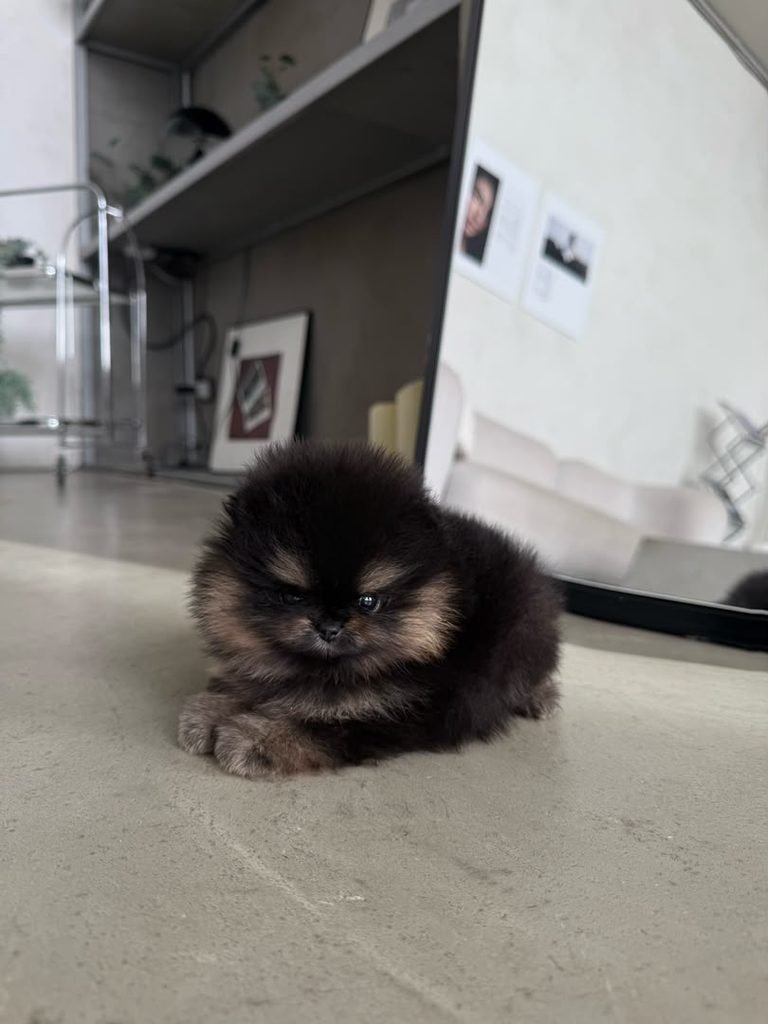
Bringing home a Pomeranian puppy is an exciting experience, but being a new puppy owner also comes with plenty of questions. How often should you feed your puppy? Where should the puppy sleep? When should training begin? How do you start potty training? How often should a Pomeranian be groomed? What should you do during the first week?
This Pomeranian Puppy New Owner Guide is designed to help you understand the most important parts of raising a Pomeranian puppy. From preparing your home and establishing a routine to feeding, grooming, training, socialization, exercise, veterinary care, and bonding, you will find practical information for getting started.https://pomeranianblisspuppies.com/
Pomeranians are small companion dogs with lively personalities and plenty of intelligence. Their small size does not mean they need less attention or training. A young Pomeranian needs structure, patience, appropriate nutrition, positive training, safe socialization, grooming, veterinary care, and plenty of rest.https://pomeranianblisspuppies.com/
The goal of this Pomeranian Puppy New Owner Guide is not to make puppy ownership complicated. Instead, it gives you a clear starting point so you can build good habits from the first day your puppy comes home.
Pomeranian Puppy New Owner Guide: Before Your Puppy Comes Home
Preparation should begin before pickup day.
Your puppy will be entering a completely new environment, so having everything ready can make the transition easier.
Before your Pomeranian arrives, prepare:
- Puppy food
- Food and water bowls
- Properly sized crate
- Comfortable washable bed
- Puppy-safe toys
- Collar
- Harness
- Lightweight leash
- Identification tag
- Grooming supplies
- Potty-training supplies
- Enzymatic cleaner
- Puppy gates
- Secure travel carrier
- Training treats
- Dog toothbrush and toothpaste
You should also puppy-proof your home.
Remove small objects from the floor, secure electrical cords, store cleaning products and medications safely, and restrict access to areas that could be dangerous.https://pomeranianblisspuppies.com/
The AKC Pomeranian breed guide is a useful starting resource for learning about the breed.
Setting Up a Safe Area for Your Pomeranian Puppy
Your new puppy does not need immediate access to the entire house.
A smaller, puppy-proofed area can help your Pomeranian adjust while you teach household rules.
The area can contain:
- Crate
- Bed
- Water
- Appropriate toys
- Puppy-safe flooring
- Potty supplies if needed
Baby gates or puppy gates can help you control where your puppy goes.
As your puppy becomes more comfortable and reliable, you can gradually introduce additional areas of the home.
The First Day With Your Pomeranian Puppy
The first day should be calm.
Your puppy may be excited, tired, nervous, or confused after leaving the breeder and entering a new environment.
When you arrive home, take your puppy to the designated potty area first.
Then introduce the puppy to the prepared space.
Avoid overwhelming your puppy with too many visitors.
Give your puppy opportunities to:
- Explore safely
- Drink water
- Eat according to the established routine
- Go potty
- Sleep
- Bond with you
- Become comfortable with the new surroundings
Remember that your puppy does not need to explore the entire house on the first day.
Pomeranian Puppy New Owner Guide: Feeding
Feeding is one of the most important parts of puppy care.
Ask the breeder what your puppy has been eating before bringing the puppy home.
Keeping the same food initially may make the transition easier. If you plan to change foods, make changes gradually and discuss the appropriate feeding plan with your veterinarian.
How Much Should a Pomeranian Puppy Eat?
There is no single amount that is appropriate for every Pomeranian puppy.
The right amount can depend on:
- Age
- Weight
- Growth
- Activity level
- Food type
- Individual health
- Veterinary recommendations
Use the food manufacturer’s feeding guidance as a starting point and ask your veterinarian about your puppy’s specific needs.
Avoid guessing based only on the puppy’s appearance.
Creating a Pomeranian Puppy Feeding Schedule
A consistent feeding routine can help your puppy develop predictable bathroom habits.
Your veterinarian can help you determine an appropriate schedule for your puppy’s age.
Keep meals in the same general area and try to maintain consistent times.
Do not suddenly introduce many new foods or treats.
Treats should be appropriate for puppies and given in moderation.
Fresh Water for Your Puppy
Fresh water is essential.
Keep your puppy’s water bowl clean and positioned somewhere that is easy to access.
A stable bowl can help prevent spills.
Clean the bowl regularly.
If you notice a significant change in how much your puppy drinks, discuss it with your veterinarian.
Pomeranian Puppy New Owner Guide: Potty Training
Potty training is one of the first major tasks for new owners.
Pomeranian puppies have small bodies, and young puppies may need frequent bathroom opportunities.
Take your puppy to the appropriate potty location regularly, particularly:
- After waking
- After eating
- After drinking
- After playing
- Before bedtime
- After naps
When your puppy uses the correct location, provide calm praise and an appropriate reward.
What If Your Puppy Has an Accident?
Accidents are normal during puppyhood.
Do not punish your puppy after an accident.
Clean the area thoroughly with an enzymatic cleaner and focus on improving supervision and timing.
If accidents continue, consider whether your puppy needs more frequent potty breaks.
Crate Training Your Pomeranian Puppy
A crate can become a useful part of your puppy’s routine.
The crate should be introduced as a safe and comfortable space rather than a punishment.
Start by allowing your puppy to explore the crate voluntarily.
Place treats or appropriate toys inside.
Give praise when your puppy enters calmly.
Gradually increase the amount of time your puppy spends resting in the crate.
The AKC crate-training resources provide additional guidance for introducing a crate positively.
Where Should a Pomeranian Puppy Sleep?
Many new owners choose to have the puppy sleep in a crate near their bedroom initially.
This allows you to hear the puppy and can make nighttime potty trips easier.
Your puppy may cry during the first few nights.
This does not necessarily mean something is wrong. The puppy has just experienced a major change.
Keep nighttime interactions calm and avoid turning nighttime potty breaks into play sessions.
How Much Sleep Does a Pomeranian Puppy Need?
Young puppies need substantial rest.
Your puppy may alternate between short periods of activity and long naps.
Do not assume that a puppy who keeps falling asleep needs more entertainment.
Sleep is an important part of normal puppy development.
Create a quiet resting area where your puppy can sleep without constant interruption.
Pomeranian Puppy New Owner Guide: Training
Training should begin soon after your puppy arrives home.
Start with simple behaviors rather than trying to teach everything at once.
Early training can include:
- Name recognition
- Come
- Sit
- Wait
- Leave it
- Gentle handling
- Leash introduction
- Crate entry
- Potty routine
Keep sessions short and positive.
Pomeranians are intelligent and can learn quickly, but consistency is important.
The AKC dog training resources provide additional information about positive training approaches.
Teaching Your Pomeranian Its Name
Name recognition is an excellent first exercise.
Say your puppy’s name in a happy voice.
When your puppy looks toward you, provide praise or an appropriate reward.
Repeat this throughout the day.
Avoid using your puppy’s name primarily when correcting unwanted behavior.
You want your puppy to associate the name with positive attention.
Leash Training
Do not expect a young Pomeranian puppy to immediately walk perfectly on a leash.
Begin by allowing your puppy to become comfortable wearing a properly fitted harness.
Let your puppy walk around indoors while supervised.
Reward calm behavior.
Gradually introduce leash movement.
Short sessions are better than overwhelming your puppy with long walks.
Pomeranian Puppy New Owner Guide: Socialization
Socialization is an important part of puppy development.
Your Pomeranian should gradually experience different people, sounds, surfaces, handling experiences, and appropriate environments.
Positive experiences can help your puppy become more comfortable with the world.
Potential socialization experiences include:
- Calm visitors
- Household sounds
- Different surfaces
- Gentle handling
- Grooming
- Car rides
- Veterinary handling
- Appropriate, healthy dogs
- New environments when safe
Follow your veterinarian’s advice regarding vaccinations and exposure to public areas.
The AKC puppy socialization guide offers additional information.
Introducing Your Pomeranian Puppy to New People
Do not force your puppy to greet every person.
Allow your puppy to approach at its own pace.
Visitors should remain calm and avoid immediately picking up the puppy.
Reward relaxed behavior.
This teaches your puppy that visitors do not have to be overwhelming.
Introducing a Pomeranian Puppy to Children
Children should learn how to handle a small puppy safely.
Teach them:
- Do not pull the puppy’s tail
- Do not chase the puppy
- Do not disturb the puppy while eating
- Do not wake the puppy
- Do not take toys away forcefully
- Do not pick up the puppy without guidance
Young children should always be supervised around a puppy.
Because Pomeranians are small, accidental falls or rough handling can cause serious injury.
Introducing Your Pomeranian Puppy to Other Pets
If you already have another pet, introductions should be gradual.
Do not immediately force animals to interact.
Use controlled introductions and provide each animal with a safe space.
Watch body language carefully.
Your goal is not necessarily for the animals to become instant best friends.
The initial goal is calm and safe coexistence.
Pomeranian Puppy New Owner Guide: Grooming
Grooming should become part of your puppy’s routine.
Pomeranians have a fluffy coat that requires regular maintenance.
Start teaching your puppy to accept:
- Brushing
- Combing
- Paw handling
- Nail care
- Ear checks
- Bathing
- Mouth handling
Keep early sessions short.
Reward calm behavior.
The American Pomeranian Club is another useful breed-specific resource for Pomeranian owners.
Brushing Your Pomeranian Puppy
Use an appropriate brush and comb.
Do not aggressively pull through knots.
Instead, work carefully and gently.
Regular grooming also gives you an opportunity to notice changes in the skin or coat.
If you encounter significant matting, ask a professional groomer or veterinarian for advice.
Bathing a Pomeranian Puppy
Puppies do not need constant bathing.
Bathe when necessary using a product formulated for dogs and appropriate for your puppy.
Dry your puppy thoroughly and keep the experience calm.
Avoid using human shampoo unless specifically recommended by a veterinarian.
Pomeranian Puppy New Owner Guide: Dental Care
Dental care should begin early.
Allow your puppy to become comfortable with having the mouth handled.
Introduce a dog toothbrush and dog-safe toothpaste gradually.
Never use ordinary human toothpaste unless your veterinarian specifically tells you to.
Regular dental care can become a normal part of your puppy’s routine.
Nail Care
Long nails can become uncomfortable and affect movement.
Introduce paw handling before attempting a full nail trim.
If you are unsure how to trim your puppy’s nails, ask your veterinarian or groomer for instruction.
Never rush because accidentally cutting too far can hurt your puppy.
Pomeranian Puppy New Owner Guide: Exercise
Pomeranian puppies need appropriate physical activity, but they do not need excessive exercise.
Young puppies should have opportunities for:
- Short play sessions
- Gentle exploration
- Age-appropriate walks
- Training games
- Interactive play
Avoid forcing a young puppy to participate in strenuous exercise.
Your veterinarian can help you determine what level of activity is appropriate as your puppy grows.
Mental Stimulation
Physical exercise is only one part of keeping a Pomeranian puppy engaged.
Mental stimulation can include:
- Short training sessions
- Puzzle toys
- Food-dispensing toys
- Name games
- Hide-and-seek games
- Gentle scent games
- Toy searches
A few minutes of thoughtful training can be surprisingly tiring for a young puppy.
Managing Pomeranian Puppy Energy
Pomeranians can be lively and curious.
If your puppy becomes excessively excited, the answer is not always more exercise.
Sometimes the puppy needs a nap.
Create a routine that alternates:
Activity → Potty → Food when scheduled → Calm time → Sleep
This can help prevent your puppy from becoming overtired.
Pomeranian Puppy New Owner Guide: Alone Time
Your puppy should gradually learn to spend short periods away from you.
Do not suddenly leave a newly arrived puppy alone for an entire workday.
Start with brief periods while your puppy is in a safe environment.
Gradually increase the duration as your puppy becomes comfortable.
If your puppy shows persistent distress when separated, speak with your veterinarian or a qualified behavior professional.
Preventing Separation Problems
Good early habits can help your puppy develop confidence.
Give your puppy opportunities to relax independently.
You do not need to respond to every moment of attention-seeking.
At the same time, a young puppy should not be expected to handle long periods of isolation.
Balance companionship with gradual independence.
Pomeranian Puppy New Owner Guide: Veterinary Care
Establish a relationship with a veterinarian soon after bringing your puppy home.
Bring the puppy’s available health records to the appointment.
Your veterinarian can discuss:
- Vaccinations
- Parasite prevention
- Deworming
- Nutrition
- Growth
- Dental care
- Grooming
- Exercise
- Microchipping
- Spaying or neutering when appropriate
- Breed-related health considerations
Keep all veterinary records organized.
Understanding Pomeranian Health
Like all breeds, Pomeranians can have health conditions that owners should discuss with veterinary professionals.
Breed-specific health information can help you ask better questions, but it should not replace individualized veterinary advice.
When purchasing a puppy, ask about the health history and testing of the parents.
A responsible breeder should be willing to discuss health information and provide appropriate documentation.
Pomeranian Puppy New Owner Guide: Microchipping and Identification
Identification is important even for puppies that spend most of their time indoors.
Your puppy can potentially escape through an open door or gate.
Ask your veterinarian about microchipping if the puppy has not already been microchipped.
Keep your contact information current.
A collar with an identification tag can provide an additional layer of identification.
Puppy-Proofing Your Home
Your Pomeranian puppy will investigate everything.
Secure:
- Electrical cords
- Cleaning chemicals
- Medications
- Small objects
- Trash
- Food
- Toxic substances
- Sharp objects
- Small toys
- Household chemicals
Keep doors closed to rooms where your puppy is not allowed.
Remember that Pomeranians are small enough to squeeze into areas that larger dogs cannot reach.
Foods and Household Items to Keep Away From Your Puppy
Do not allow your puppy to access foods or substances that could be dangerous.
Keep household products, medications, chemicals, and potentially toxic foods securely stored.
If you think your puppy has swallowed something dangerous, contact your veterinarian or an appropriate animal poison service immediately.
Do not wait for symptoms to appear before seeking professional advice.
Pomeranian Puppy New Owner Guide: Establishing a Routine
A predictable daily routine can make puppy ownership easier.
A basic routine can include:
Morning:
Potty → breakfast → play → training → nap
Midday:
Potty → meal if scheduled → play → training → nap
Afternoon:
Potty → exploration → play → rest
Evening:
Meal if scheduled → calm play → potty → relaxation
Bedtime:
Final potty opportunity → crate/rest → sleep
Your puppy’s actual schedule should be adjusted for age, feeding needs, veterinary advice, and individual behavior.
The First Week With Your Pomeranian Puppy
The first week is about adjustment.
Do not expect your puppy to master everything immediately.
Focus on:
- Building trust
- Establishing a routine
- Potty training
- Sleeping arrangements
- Gentle handling
- Basic training
- Appropriate socialization
- Veterinary care
- Safe play
- Grooming introduction
Give your puppy time.
Every puppy adjusts at a different pace.
Common New Pomeranian Owner Mistakes
Giving Too Much Freedom
Allowing a puppy to roam the entire house can create safety and potty-training problems.
Start with a controlled area.
Overfeeding Treats
Treats contain calories too.
Use small treats and keep them appropriate for your puppy.
Skipping Training Because the Dog Is Small
Small dogs need boundaries just like large dogs.
Do not allow behaviors simply because they appear cute when your puppy is tiny.
Overwhelming the Puppy
Too many visitors and activities can be stressful.
Keep the first few days calm.
Ignoring Grooming Training
Waiting until the puppy needs a full grooming session can make brushing more difficult.
Introduce grooming gradually.
Inconsistent Rules
If one person allows a behavior and another person punishes it, your puppy may become confused.
Everyone should follow the same household rules.
What Should a New Pomeranian Owner Know About Barking?
Pomeranians can be alert and vocal.
Do not automatically reward barking with attention.
Instead, determine why the puppy is barking.
Possible reasons include:
- Excitement
- Fear
- Attention seeking
- Boredom
- Environmental sounds
- Need for a potty break
- Frustration
Teach calm behavior and reward quiet moments.
If barking becomes excessive or suddenly changes, discuss it with a veterinarian or qualified behavior professional.
Pomeranian Puppy New Owner Guide: Building a Bond
Bonding does not require constant carrying or attention.
Build your relationship through:
- Training
- Gentle play
- Grooming
- Feeding
- Calm companionship
- Safe exploration
- Consistent routines
Let your puppy learn that you provide food, safety, guidance, and positive experiences.
A strong bond develops over time.
Traveling With a Pomeranian Puppy
If you need to travel with your puppy, plan ahead.
Bring:
- Secure carrier
- Food
- Water
- Bowls
- Health records
- Leash
- Harness
- Cleaning supplies
- Puppy pads
- Familiar blanket
- Identification
For longer or more complicated travel, speak with your veterinarian before the trip.
Pomeranian Puppy New Owner Guide: Preparing for the Future
Puppyhood passes quickly.
The habits you establish now can influence your dog’s behavior later.
Continue working on:
- Obedience
- Socialization
- Grooming
- Dental care
- Leash manners
- Recall
- Calm behavior
- Alone-time skills
- Household manners
Training should not stop once your puppy learns the basics.
A Simple Daily Checklist for New Pomeranian Owners
Use this as a daily reminder.
Morning
- Potty break
- Breakfast according to schedule
- Fresh water
- Short play
- Brief training
- Nap
Afternoon
- Potty break
- Food if scheduled
- Play
- Mental stimulation
- Grooming practice
- Rest
Evening
- Meal if scheduled
- Calm play
- Training
- Potty break
- Family bonding
- Quiet time
Night
- Final potty opportunity
- Safe sleeping area
- Comfortable crate
- Quiet environment
Pomeranian Puppy New Owner Guide: What Your Puppy Needs Most
It is easy to become focused on buying products.
But your puppy’s most important needs are not expensive accessories.
Your Pomeranian needs:
- Safety
- Appropriate nutrition
- Veterinary care
- Sleep
- Training
- Socialization
- Grooming
- Exercise
- Mental stimulation
- Consistency
- Positive interaction
- Patience
A puppy does not need a perfect owner.
Your puppy needs an owner who is willing to learn and provide consistent care.
Final Thoughts
This Pomeranian Puppy New Owner Guide gives you a foundation for raising your new companion with confidence.
The first few weeks can feel overwhelming because everything is new for both you and your puppy. However, a consistent routine can make the process much easier.
Focus first on safety, feeding, sleeping, potty training, veterinary care, grooming, and bonding. Then gradually build your puppy’s training, socialization, independence, and confidence.
Remember that your Pomeranian puppy is learning constantly. Accidents, mistakes, barking, chewing, and occasional frustration can all be part of puppyhood.
Stay patient, reward the behaviors you want, maintain consistent household rules, and give your puppy plenty of appropriate rest.
With time, your small Pomeranian puppy will become more confident, better trained, and increasingly comfortable in your home.
Frequently Asked Questions
What should a new Pomeranian owner do first?
Start by creating a safe area, providing food and water, establishing a potty routine, giving your puppy a comfortable place to sleep, and scheduling appropriate veterinary care.
How do I take care of a Pomeranian puppy?
Pomeranian puppy care includes appropriate nutrition, fresh water, sleep, potty training, positive training, grooming, socialization, safe exercise, mental stimulation, and veterinary care.
Is a Pomeranian puppy difficult for a first-time owner?
Pomeranians can be suitable for first-time owners who are prepared to provide consistent training, grooming, companionship, and veterinary care. Their small size does not eliminate the need for responsible training.
How often should I groom my Pomeranian puppy?
Start grooming habits early and establish a regular brushing routine appropriate for your puppy’s coat. Professional grooming needs can vary depending on the coat and owner’s preferences.
How do I potty train a Pomeranian puppy?
Take your puppy to the appropriate potty location frequently, especially after waking, eating, drinking, playing, and sleeping. Reward successful potty trips and clean accidents thoroughly.
Should my Pomeranian puppy sleep in a crate?
A properly introduced crate can provide a safe sleeping and resting area. Introduce it positively rather than using it as punishment.
How much exercise does a Pomeranian puppy need?
Young puppies need age-appropriate activity rather than strenuous exercise. Short play sessions, gentle exploration, and brief training can provide physical and mental stimulation.
When should I start training my Pomeranian puppy?
You can begin basic training when your puppy comes home. Start with simple skills such as name recognition, potty routines, gentle handling, and basic commands.
How can I socialize my Pomeranian puppy?
Introduce your puppy gradually and positively to appropriate people, sounds, surfaces, handling experiences, and environments while following your veterinarian’s recommendations regarding vaccination and disease exposure.
Can I leave my Pomeranian puppy alone all day?
A young puppy should not suddenly be expected to remain alone for a full day. Build alone-time skills gradually and arrange appropriate care when necessary.
What should I feed my Pomeranian puppy?
Feed a complete and balanced puppy food appropriate for the puppy’s life stage and individual needs. Ask your breeder what the puppy is already eating and consult your veterinarian about the best feeding plan.
How do I make my Pomeranian puppy feel comfortable?
Provide a quiet safe area, predictable routine, appropriate food, comfortable bedding, gentle interaction, positive training, and plenty of rest.
What are the biggest mistakes new Pomeranian owners make?
Common mistakes include giving too much freedom too soon, inconsistent training, skipping grooming practice, overwhelming the puppy, overfeeding treats, and expecting a young puppy to behave like an adult dog.https://pomeranianblisspuppies.com/