October 6, 2026
First Week With a Pomeranian Puppy – What New Owners Should Expect
First Week With a Pomeranian Puppy: Complete Guide
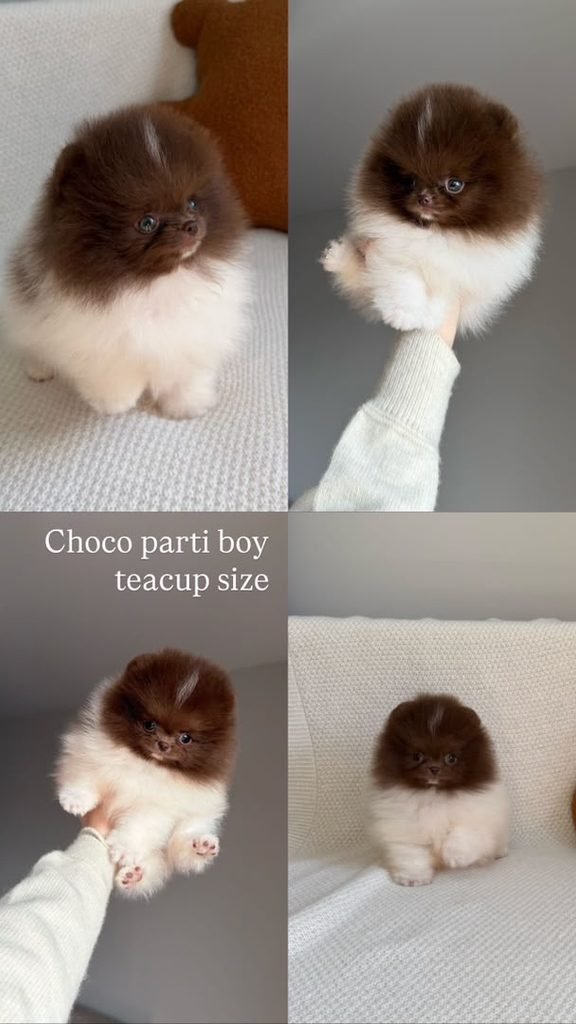
The first week with a Pomeranian puppy is an exciting time filled with cuddles, playful moments, new experiences, and plenty of learning. It can also be challenging because your puppy is adjusting to a completely new environment, routine, family, and sleeping arrangement.https://pomeranianblisspuppies.com/care-guide/
During the first week, your main priorities should be safety, health, nutrition, sleep, potty training, bonding, and establishing a predictable daily routine. You do not need to teach your Pomeranian every command during the first few days. Instead, focus on creating a calm foundation that makes future training easier.
Knowing what to do during the first week with a Pomeranian puppy can help you avoid common mistakes and give your puppy a comfortable start.https://pomeranianblisspuppies.com/care-guide/
What Is the First Week With a Pomeranian Puppy Really Like?
The first week may not look exactly like you imagined.
Your Pomeranian puppy may be:
- Excited
- Curious
- Sleepy
- Nervous
- Vocal
- Playful
- Clingy
- Cautious
- Easily distracted
- Unsure about its new surroundings
Every puppy responds differently to a new home.
Some puppies begin exploring immediately, while others spend their first day staying close to their owner or resting.
Do not compare your puppy’s adjustment to another Pomeranian.
The most important thing is to give your puppy time, structure, and positive experiences.https://pomeranianblisspuppies.com/care-guide/
Day 1: Bringing Your Pomeranian Puppy Home
The first day should be calm and relatively simple.
Your puppy has already experienced a major transition by leaving its breeder and littermates. Traveling to a new home adds another unfamiliar experience.
When you arrive home, take your puppy to the designated potty area first if appropriate.
Then introduce your puppy to its safe area.
Show your Pomeranian:
- Where to sleep
- Where to find water
- Where to eat
- Where to potty
- Where toys are kept
- Where the family spends time
Avoid giving your puppy unrestricted access to the entire house immediately.
A smaller, supervised area is easier for a young puppy to understand.
Keep the First Day Calm
One of the biggest mistakes during the first week with a Pomeranian puppy is creating too much excitement.
You may be eager to show your new puppy to everyone, but your puppy needs time to rest and adjust.
Avoid overwhelming your puppy with:
- Large gatherings
- Numerous visitors
- Loud music
- Constant handling
- Long outings
- Excessive play
- Too many new environments
Let the first day be about comfort and security.
Your puppy will have plenty of opportunities to meet people and explore new places later.
Your Pomeranian Puppy May Sleep a Lot
Do not be surprised if your puppy spends much of the first week sleeping.
Young puppies need substantial rest because they are growing and developing.
A typical pattern may involve:
Wake → potty → eat → potty → play → potty → sleep.
This cycle can repeat several times throughout the day.
Do not keep your puppy awake simply because you want more playtime.
An overtired puppy can become:
- Irritable
- Hyperactive
- Mouthy
- Difficult to settle
- More likely to have accidents
Protect your puppy’s sleep.
Setting Up a Pomeranian Puppy Sleeping Area
Choose your puppy’s sleeping location before bringing the puppy home.
A crate, pen, or puppy-safe sleeping area can provide structure.
The area should be:
- Comfortable
- Secure
- Clean
- Free from hazards
- Appropriately sized
- Easy to monitor
Some owners keep the puppy’s crate near their bedroom during the first week.
This can make nighttime monitoring easier and help the puppy feel less isolated.
Nighttime Crying During the First Week
Nighttime crying is common with young puppies.
Your Pomeranian has gone from sleeping near its mother and littermates to sleeping in an unfamiliar home.
The puppy may whine because it:
- Needs to potty
- Feels lonely
- Is unfamiliar with the environment
- Wants reassurance
- Is uncomfortable
- Is adjusting to a new routine
Keep nighttime interactions calm.
If your puppy needs a bathroom break, take it out without turning the experience into a long play session.
Then return to the sleeping area.
With consistency, most puppies gradually become more comfortable with the nighttime routine.
Feeding Your Pomeranian Puppy During the First Week
Ask the breeder what food your puppy was eating before coming home.
Keeping the same food initially can make the transition easier.
Your breeder should ideally provide information about:
- Food brand
- Food type
- Feeding times
- Approximate portions
- Treats
- Supplements, if any
- Water access
Because Pomeranians are small dogs, feeding should be appropriate for the puppy’s age, size, health, and veterinary recommendations.
Avoid making major dietary changes immediately unless your veterinarian recommends doing so.
What If Your Puppy Does Not Eat?
Some puppies may eat less during the first day because of travel or stress.
However, you should monitor your puppy carefully.
Contact a veterinarian if your puppy refuses food or develops concerning symptoms such as:
- Significant lethargy
- Repeated vomiting
- Significant diarrhea
- Weakness
- Breathing problems
- Collapse
- Other unusual behavior
Small puppies should be monitored carefully, and you should ask your veterinarian what signs require urgent attention.
Establishing a Feeding Routine
A consistent feeding schedule can make the first week easier.
Rather than leaving everything unpredictable, establish regular meal times appropriate for your puppy.
A predictable schedule can also help with potty training because puppies often need to eliminate after eating.
Keep a simple record during the first few days.
You can note:
- Meal time
- Food amount
- Potty time
- Nap time
- Playtime
- Training
- Any unusual behavior
This can help you understand your puppy’s routine.
Potty Training During the First Week
Potty training should begin immediately.
Do not expect your puppy to understand the rules after one or two days.
Young puppies have small bladders and limited control.
Take your Pomeranian to the appropriate potty area frequently, particularly:
- After waking
- After eating
- After drinking
- After playing
- Before naps
- After naps
- Before bedtime
Praise your puppy when it gets it right.
Expect Accidents
Accidents are normal during the first week.
Your puppy is still learning.
If an accident happens, clean the area thoroughly and avoid punishment.
Punishing a puppy can create fear and may make future training more difficult.
Instead, improve supervision and take the puppy out more frequently.
The goal is to teach the correct behavior through repetition and positive reinforcement.
Creating a First-Week Pomeranian Puppy Schedule
A routine does not have to be complicated.
For example:
Morning
- Wake up
- Potty
- Breakfast
- Potty
- Gentle play
- Short training
- Nap
Midday
- Wake up
- Potty
- Meal if appropriate
- Potty
- Gentle play
- Socialization or handling
- Nap
Afternoon
- Potty
- Short training
- Play
- Rest
- Grooming practice
Evening
- Meal if appropriate
- Potty
- Calm family time
- Short training
- Gentle play
- Potty
Night
- Final potty trip
- Calm interaction
- Bedtime
The exact schedule should be adjusted to your puppy’s age and your veterinarian’s recommendations.
Start Teaching Your Pomeranian Its Name
One of the easiest first-week training exercises is name recognition.
Say your puppy’s name in a happy voice.
When your puppy looks toward you, reward the behavior.
Repeat this several times throughout the day.
Keep sessions short.
The goal is for your Pomeranian to learn that its name predicts something positive.
Begin Basic Pomeranian Puppy Training
You do not need long obedience sessions during the first week.
Start with simple behaviors such as:
- Name recognition
- Coming toward you
- Sitting
- Following a treat
- Gentle handling
- Crate entry
- Settling on a bed
- Appropriate chewing
Keep training positive.
Pomeranians are intelligent and can learn quickly, but young puppies have short attention spans.
Start Crate Training Gradually
The first week is a good time to introduce the crate positively.
Leave the crate door open initially and allow your puppy to investigate.
Place appropriate toys or treats inside.
Never force your puppy into the crate as punishment.
Over time, your puppy can learn that the crate is a comfortable place to sleep and relax.
Introducing Grooming During the First Week
Pomeranians have a fluffy coat that requires regular maintenance.
Do not wait until your puppy is older before introducing grooming.
During the first week, practice very short sessions.
You can gently:
- Brush the coat
- Touch the paws
- Examine the ears
- Touch the tail
- Handle the legs
- Look at the mouth
- Reward calm behavior
The goal is not a full grooming session.
The goal is to make handling normal.
Start Gentle Dental Care
Your puppy should gradually become comfortable with mouth handling.
You can gently touch the outside of the mouth and lips for a few seconds and reward calm behavior.
Later, your veterinarian can help you choose an appropriate dental-care routine.
Starting early can make brushing and dental examinations easier later.
Your Pomeranian Puppy Needs Safe Socialization
The first week is an important time to begin building positive associations.
Socialization does not mean taking your puppy everywhere.
Instead, introduce safe experiences gradually.
Your puppy can become familiar with:
- Household sounds
- Different surfaces
- Gentle handling
- Calm visitors
- Grooming
- Car travel
- Household routines
- Appropriate toys
Ask your veterinarian about safe public exposure and vaccination considerations before taking your puppy to areas where unknown dogs frequently gather.
Meeting New People
During the first week, keep introductions calm.
Ask visitors to:
- Speak quietly
- Let the puppy approach
- Avoid grabbing the puppy
- Avoid chasing the puppy
- Use gentle handling
- Allow the puppy to retreat
If your puppy seems nervous, give it space.
Socialization should build confidence rather than overwhelm the puppy.
Introducing Children to Your Pomeranian Puppy
If you have children, teach them how to interact safely with the puppy.
Pomeranians are small dogs and young puppies are physically delicate.
Children should learn:
- Not to pick up the puppy without adult help
- Not to pull ears or tails
- Not to chase the puppy
- Not to disturb the puppy while sleeping
- Not to take food away
- Not to squeeze the puppy
- Not to climb on the puppy
Always supervise interactions between young children and a new puppy.
Introducing Other Pets
If you have another dog or cat, make introductions gradually.
Give your new Pomeranian a separate safe area.
Allow pets to become familiar with each other’s presence before expecting close interaction.
Keep food, toys, beds, and resting areas managed carefully.
Never assume that animals will automatically become friends.
Your First Veterinary Appointment
A veterinary appointment should be part of your first-week plan.
Bring your puppy’s health records with you.
Your veterinarian can review:
- Vaccinations
- Deworming
- Parasite prevention
- Weight
- General health
- Diet
- Development
- Preventive care
- Future vaccinations
Ask questions about any concerns you noticed during the first few days.
What to Bring to the Vet
Bring:
- Vaccination records
- Health paperwork
- Deworming information
- Food information
- Breeder contact information
- Any medication information
- Your list of questions
It can also be useful to write down your puppy’s eating, sleeping, and potty routine.
Monitoring Your Pomeranian’s Health
Pay attention to changes in your puppy.
During the first week, monitor:
- Appetite
- Water intake
- Energy
- Stool
- Urination
- Breathing
- Sleeping
- Vomiting
- Coughing
- Nasal or eye discharge
- General behavior
If something seems significantly different from what your breeder or veterinarian described, contact your veterinarian.
Do not rely on internet advice alone when your puppy appears seriously ill.
Traveling With Your Pomeranian Puppy
If your puppy is traveling home by car, use a secure carrier or appropriate restraint.
Never allow a small puppy to move freely around a moving vehicle.
For longer trips, plan ahead.
Bring:
- Secure carrier
- Blanket
- Puppy food
- Water
- Cleaning supplies
- Health records
- Contact information
- Appropriate potty supplies
Ask your veterinarian about travel and exposure risks, particularly before your puppy has completed its recommended vaccinations.
Building a Bond During the First Week
The first week is an excellent time to begin building trust.
You can bond with your Pomeranian through:
- Feeding
- Gentle play
- Training
- Grooming
- Calm cuddling
- Sitting together
- Talking softly
- Rewarding good behavior
- Providing a safe environment
Do not force affection.
Allow your puppy to approach you.
Over time, your puppy will learn that you are a source of safety and positive experiences.
Teaching Your Puppy to Be Independent
Pomeranians often enjoy spending time with their people.
However, your puppy should gradually learn that being alone for short, appropriate periods is safe.
You can begin by:
- Giving your puppy a safe area.
- Walking away briefly.
- Returning calmly.
- Rewarding calm behavior.
- Gradually increasing the duration.
Do not suddenly leave a new puppy alone for many hours.
Independence should be taught gradually.
What Your Pomeranian Puppy May Do Wrong
During the first week, expect mistakes.
Your puppy may:
- Chew furniture
- Bite hands during play
- Bark
- Whine
- Have accidents
- Jump
- Steal objects
- Wake during the night
- Ignore commands
- Pull on a leash
- Resist grooming
This does not mean your puppy is “bad.”
It means your puppy is learning.
Your job is to provide appropriate alternatives and consistent boundaries.
Managing Puppy Biting
Puppy biting is common.
When your Pomeranian bites during play, redirect the puppy toward an appropriate toy.
Avoid encouraging rough hand play.
Teach your family to respond consistently.
If biting becomes unusually intense or you are concerned about your puppy’s behavior, discuss it with a qualified trainer or veterinarian.
Managing Barking
Your Pomeranian may bark during the first week because everything is new.
Do not automatically yell at the puppy.
Instead, determine why the puppy is barking.
It could be:
- Excitement
- Fear
- Attention-seeking
- A new sound
- Boredom
- Need for a potty break
- Discomfort
Reward calm behavior and avoid accidentally reinforcing unwanted barking with constant attention.
Keeping Your Pomeranian Safe Indoors
A puppy-safe area is particularly helpful during the first week.
Keep the puppy away from:
- Electrical cords
- Toxic substances
- Small objects
- Unsafe foods
- Open stairways
- Dangerous plants
- Unsecured balconies
- Open doors
Pomeranian puppies are small enough to get into spaces that an owner may overlook.
Do Not Overexercise Your Pomeranian Puppy
Young puppies need activity, but they also need rest.
Avoid forcing long walks or strenuous exercise.
Instead, provide age-appropriate activity such as:
- Short play sessions
- Gentle exploration
- Simple training
- Appropriate toys
- Supervised movement
Your veterinarian can help you determine what exercise is appropriate for your puppy’s age and health.
Mental Stimulation During the First Week
Mental stimulation does not have to be complicated.
You can use:
- Name games
- Simple food puzzles
- Safe chew toys
- Short training sessions
- Hide-and-seek games
- Gentle exploration
- Toy rotation
Keep activities short and age-appropriate.
Mental stimulation can help prevent boredom while giving your puppy opportunities to learn.
What to Expect From Your Pomeranian by the End of Week One
By the end of the first week, your puppy may begin to:
- Recognize household members
- Understand the potty area
- Respond to its name
- Sleep more comfortably
- Become familiar with the crate
- Follow a feeding routine
- Explore confidently
- Understand basic household boundaries
- Show more personality
Do not worry if your puppy is not doing all of these things yet.
Every puppy develops at its own pace.
First Week With a Pomeranian Puppy: Daily Checklist
Use this simple checklist throughout the week:
Every Day
- Feed according to the established schedule
- Provide fresh water
- Take puppy for frequent potty breaks
- Provide several rest periods
- Practice short training sessions
- Provide safe play
- Offer appropriate chew toys
- Practice gentle handling
- Monitor appetite and behavior
- Clean accidents properly
- Keep the puppy’s environment safe
- Provide calm bonding time
Before Bed
- Calm play or interaction
- Final potty break
- Comfortable sleeping area
- Safe crate or puppy area
- Appropriate nighttime routine
Common First-Week Mistakes to Avoid
1. Too Much Freedom
Allowing your puppy to roam the entire house can make supervision difficult.
2. Too Many Visitors
Your puppy needs rest and time to adjust.
3. Inconsistent Rules
Everyone in the household should follow the same expectations.
4. Punishing Accidents
Use supervision and positive reinforcement instead.
5. Skipping Rest
Overtired puppies can become difficult to manage.
6. Changing Food Too Quickly
Ask your veterinarian about appropriate dietary transitions.
7. Too Much Exercise
Young puppies need age-appropriate activity and plenty of rest.
8. Ignoring Health Changes
If your puppy appears seriously unwell, contact a veterinarian promptly.
First Week With a Pomeranian Puppy: What Matters Most
You do not need to accomplish everything during the first seven days.
Concentrate on these priorities:
Safety: Puppy-proof your home.
Health: Arrange veterinary care and monitor your puppy.
Nutrition: Follow an appropriate feeding routine.
Potty Training: Establish frequent bathroom breaks.
Sleep: Protect plenty of rest.
Training: Begin with simple positive exercises.
Socialization: Introduce appropriate experiences gradually.
Bonding: Build trust through consistent care.
These foundations are much more important than teaching a long list of commands during the first week.
Frequently Asked Questions
What should I do during the first week with a Pomeranian puppy?
Focus on safety, feeding, potty training, sleep, bonding, gentle socialization, basic training, grooming introduction, and veterinary care.
What should my Pomeranian puppy do on the first day?
Keep the first day calm. Show your puppy its sleeping, eating, playing, and potty areas and allow plenty of time for rest and adjustment.
Should I let my Pomeranian puppy roam the house?
It is usually easier to supervise a young puppy in a smaller puppy-proofed area initially. Gradually increase access as your puppy becomes more reliable.
How often should I take my Pomeranian puppy outside?
Young puppies need frequent potty opportunities, particularly after sleeping, eating, drinking, and playing. The exact frequency depends on age and individual needs.
Why is my Pomeranian puppy crying at night?
Your puppy may be adjusting to sleeping without its mother and littermates. It may also need a potty break or reassurance. Maintain a calm and consistent nighttime routine.
Should I crate train my Pomeranian during the first week?
Yes, you can begin introducing the crate during the first week. Keep training positive and gradual and never use the crate as punishment.
Can I bathe my Pomeranian puppy during the first week?
Ask your veterinarian or breeder about the appropriate timing and products. Unless necessary, there is usually no reason to make bathing one of the first priorities unless the puppy is dirty or requires cleaning.
Should I take my Pomeranian puppy to a dog park during the first week?
Avoid taking a young puppy into potentially contaminated public dog areas until your veterinarian advises that it is safe based on the puppy’s vaccination and health status.
When should my Pomeranian puppy see a veterinarian?
Arrange a veterinary appointment early after bringing your puppy home and follow your veterinarian’s recommendations for examinations, vaccinations, parasite prevention, and preventive care.
How can I make my Pomeranian puppy feel comfortable?
Keep the environment calm, establish a routine, provide a safe sleeping area, use positive reinforcement, and give your puppy time to adjust.
Final Thoughts on the First Week With a Pomeranian Puppy
The first week with a Pomeranian puppy is about building a foundation rather than expecting perfection.
Your puppy is learning where it lives, who its family is, where it sleeps, where it eats, where it goes potty, and what behavior is expected.
Be patient when accidents happen. Be consistent with routines. Give your puppy plenty of sleep. Introduce new experiences gradually, and use positive reinforcement when your puppy does something correctly.
Most importantly, pay attention to your puppy’s health and behavior and work closely with your veterinarian.
The first week may be tiring, but it is also one of the most rewarding stages of owning a Pomeranian. With preparation, patience, and consistent care, you can help your puppy settle into its new home and begin building the foundation for a happy, confident, and well-trained companion.https://pomeranianblisspuppies.com/care-guide/