October 4, 2026
Are Pomeranians Good Companion Dogs? – Temperament & Personality Guide
Are Pomeranians Good Companion Dogs? Complete Guide
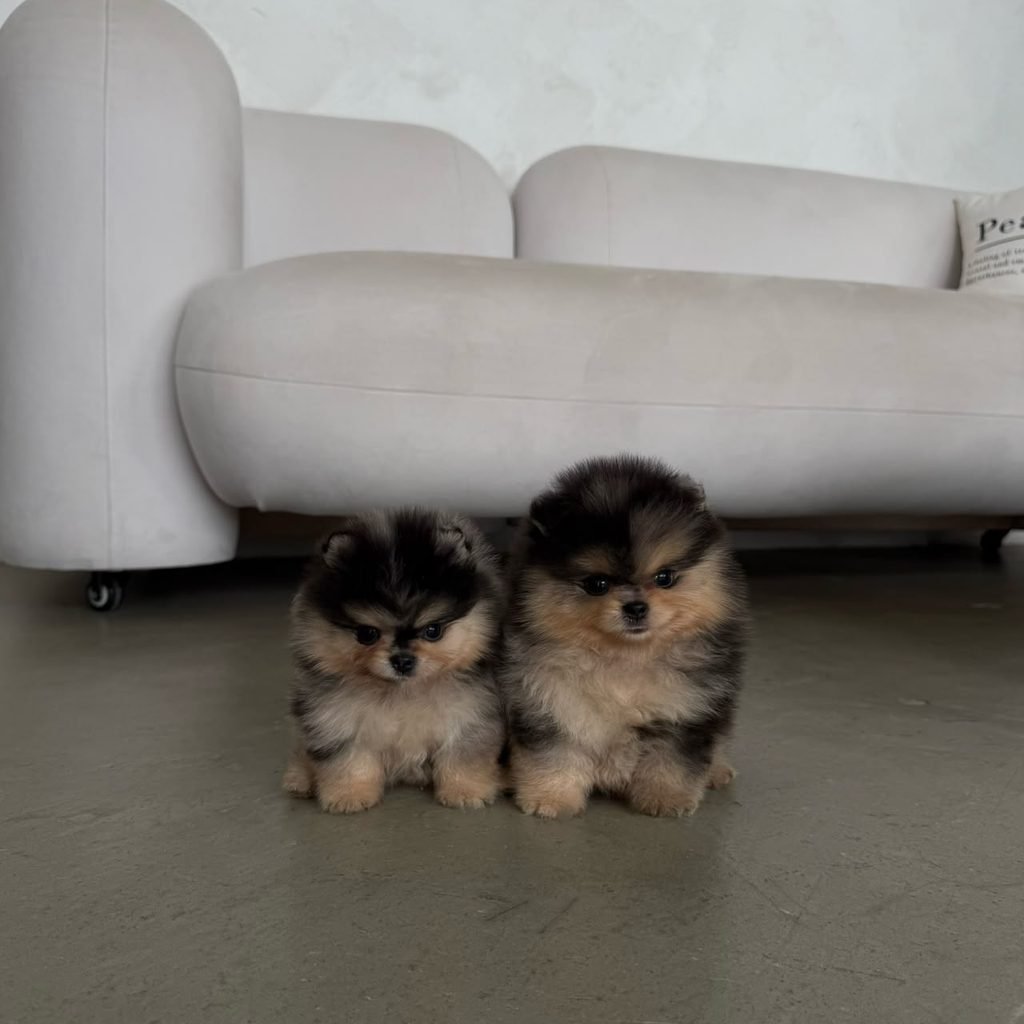
Are Pomeranians Good Companion Dogs? Yes, Pomeranians can be excellent companion dogs for individuals and families who enjoy having a small, affectionate, intelligent, and lively dog as part of their daily life.https://pomeranianblisspuppies.com/care-guide/
Although Pomeranians are tiny, they often have confident and energetic personalities. They enjoy interacting with their owners, learning new things, playing, and being involved in household activities.
If you are considering bringing a Pomeranian puppy home, understanding their companion-dog qualities is important. Their small size makes them convenient for many homes, but they still need attention, training, exercise, grooming, socialization, and mental stimulation.https://pomeranianblisspuppies.com/care-guide/
Are Pomeranians Good Companion Dogs?
Are Pomeranians Good Companion Dogs? They are often an excellent choice for people looking for a close relationship with a small dog.
Pomeranians were developed as companion dogs and are known for their lively personalities and affectionate relationships with their families. They can form strong bonds with their owners and often enjoy following household routines.
A Pomeranian may want to sit beside you while you work, play with you in the living room, accompany you around the house, or relax near you while you watch television.https://pomeranianblisspuppies.com/care-guide/
Their small size also makes them practical for many living situations, including apartments and smaller homes.
However, being a good companion dog does not mean a Pomeranian requires no work. They still need responsible daily care.
What Makes Pomeranians Good Companion Dogs?
Several characteristics make Pomeranians appealing as companion pets.
Affectionate Personality
Many Pomeranians enjoy close interaction with their owners.
They may seek attention by:
- Sitting beside you
- Following you around the home
- Bringing toys
- Asking to play
- Resting near you
- Greeting you enthusiastically
- Staying close during quiet time
Individual personalities vary, but many Pomeranians enjoy being involved in family life.
Small Size
One major advantage of the Pomeranian is its compact size.
A small dog can be easier to accommodate in homes where a larger breed would be impractical.
Pomeranians can often adapt to:
- Apartments
- Condos
- Smaller houses
- Urban homes
- Suburban homes
- Homes without large yards
Their size also makes many everyday activities more manageable, although owners still need to protect them from accidental injuries.
Intelligent and Engaging
Pomeranians are intelligent dogs that often enjoy learning.
Training can become part of the relationship between you and your dog.
You can teach your Pomeranian:
- Sit
- Stay
- Come
- Down
- Leave it
- Wait
- Place
- Hand targeting
- Tricks
- Leash manners
Short training sessions can provide mental stimulation while strengthening your bond.
Do Pomeranians Bond Closely With Their Owners?
Pomeranians can form strong attachments to their owners.
A Pomeranian may learn your daily schedule, recognize familiar sounds, and anticipate activities such as feeding, walks, bedtime, or leaving the house.
This close relationship is one reason Are Pomeranians Good Companion Dogs? is such an important question for prospective owners.
Companionship works best when it is balanced.
You want your dog to enjoy spending time with you while also learning that it is safe to relax independently.
Are Pomeranians Good for People Who Want an Affectionate Dog?
Pomeranians can be a good choice for people who want an affectionate small dog.
Many enjoy physical closeness and social interaction. However, individual Pomeranians differ in how much physical affection they want.
Some may love sitting on a lap, while others prefer to stay beside you rather than being held constantly.
It is important to respect your dog’s body language.
Signs that your Pomeranian enjoys interaction can include:
- Relaxed body language
- Voluntarily approaching you
- Sitting close to you
- Seeking play
- Comfortable eye contact
- Relaxing during petting
If your dog moves away, becomes tense, or shows other signs of discomfort, give them space.
Are Pomeranians Good Companion Dogs for Seniors?
Pomeranians can be suitable companions for some older adults because of their small size and manageable physical presence.
However, prospective owners should consider the dog’s energy level and care requirements.
Pomeranians still need:
- Daily movement
- Grooming
- Training
- Veterinary care
- Mental stimulation
- Social interaction
- Regular feeding
- Dental care
A senior owner should choose a dog whose activity level and care requirements match their lifestyle.
An adult Pomeranian with an established temperament may sometimes be easier for a particular household than raising a very young puppy.
Are Pomeranians Good Companion Dogs for Families?
Pomeranians can become loving family companions when children and adults understand how to interact safely with a small dog.
Because Pomeranians are small, young children should be supervised around them.
Children should learn:
- Not to pull the dog’s coat
- Not to grab the tail
- Not to disturb the dog while eating
- Not to chase the dog
- Not to squeeze or drop the dog
- Not to take toys or food away
- How to recognize when the dog wants space
Respectful interaction can help build a positive relationship between the dog and children.
Are Pomeranians Good Companion Dogs for First-Time Owners?
Pomeranians can work well for first-time dog owners who are willing to learn about responsible dog care.
Their small size can make some aspects of ownership easier, but owners should not assume that a tiny dog requires little training.
First-time owners should be prepared for:
- Potty training
- Basic obedience
- Grooming
- Socialization
- Barking management
- Dental care
- Exercise
- Feeding
- Veterinary visits
- Safe handling
- Preventive healthcare
Learning these responsibilities before bringing home a puppy can make the transition easier.
Do Pomeranians Like to Follow Their Owners?
Many Pomeranians enjoy staying near their owners.
You may find your dog following you from one room to another or checking what you are doing.
This behavior can be part of normal companionship.
However, excessive dependence can become problematic if the dog cannot relax whenever the owner leaves the room.
Teaching independence from an early age is useful.
Encourage your Pomeranian to spend some time comfortably on their own bed or in another safe area while you remain at home.
Can Pomeranians Be Left Alone?
One of the most important aspects of companion-dog ownership is teaching your dog to be comfortable alone.
If you are asking Are Pomeranians Good Companion Dogs?, remember that companionship should not mean constant attention.
Pomeranians can learn to spend reasonable periods alone when introduced to alone time gradually.
A young puppy has different needs from an adult dog, so alone-time expectations should be adjusted according to age and development.
Provide:
- A safe environment
- Fresh water
- Appropriate enrichment
- Exercise
- Potty opportunities
- A comfortable resting area
- A predictable routine
If a Pomeranian becomes extremely distressed when left alone, professional behavioral guidance may be appropriate.
Are Pomeranians Needy Dogs?
Pomeranians can be affectionate and people-oriented, but not every Pomeranian is equally demanding.
Some may want to be near their owners much of the day, while others are more independent.
A Pomeranian that constantly demands attention may need more structured training and enrichment.
Instead of rewarding every attention-seeking behavior, teach your dog that calm behavior is also rewarding.
For example, calmly praise your Pomeranian when they settle on their bed instead of constantly following you.
Are Pomeranians Good Emotional Companions?
Dogs can provide companionship, routine, affection, and social interaction.
A Pomeranian can become an important part of a household’s daily routine.
Many owners enjoy having their dog nearby during:
- Morning routines
- Work-from-home sessions
- Relaxing evenings
- Outdoor walks
- Weekend activities
- Family time
However, a dog should not be viewed as a substitute for professional support for serious emotional or mental-health needs.
A Pomeranian is a companion animal with its own physical and emotional needs.
Are Pomeranians Playful Companion Dogs?
Yes, many Pomeranians are playful and enjoy interactive activities.
Their small size does not mean they lack energy.
You can keep your Pomeranian engaged with:
- Short walks
- Fetch
- Puzzle toys
- Training games
- Hide-and-seek games
- Scent games
- Trick training
- Gentle indoor play
Play also provides opportunities for bonding.
Do Pomeranians Need a Lot of Exercise?
Pomeranians need regular activity, but their exercise requirements are generally manageable for many households.
Instead of relying only on long walks, combine physical activity with mental stimulation.
A daily routine could include:
- A short walk
- Indoor play
- Basic obedience training
- Food puzzles
- Scent games
- Safe exploration
- Interactive play
Always adjust activity according to age, health, weather, and individual temperament.
Are Pomeranians Good Apartment Companion Dogs?
Pomeranians can adapt well to apartment living.
Their small size is helpful, but owners should pay attention to barking.
A Pomeranian that hears hallway noises, neighbors, elevators, doors, or other dogs may become vocal.
Early socialization and training can help teach your dog appropriate responses.
Apartment owners should also provide daily exercise and mental stimulation.
Do Pomeranians Bark a Lot?
Some Pomeranians can be quite vocal.
Barking may occur because of:
- Excitement
- Alertness
- Fear
- Boredom
- Attention seeking
- Frustration
- Environmental sounds
Training should focus on understanding the reason for barking rather than simply punishing the behavior.
Teaching commands such as “quiet,” rewarding calm behavior, and reducing unnecessary triggers can help.
Are Pomeranians Easy to Train?
Pomeranians are intelligent and can learn many behaviors, but their small size does not automatically make training effortless.
Successful training usually requires:
- Consistency
- Positive reinforcement
- Short sessions
- Clear commands
- Patience
- Appropriate rewards
- Early socialization
Avoid harsh training methods.
A positive relationship can make training more enjoyable for both owner and dog.
How Do Pomeranians Show Affection?
Every dog has its own personality, but a Pomeranian may show affection by:
- Staying close
- Following you
- Bringing toys
- Greeting you
- Resting near you
- Seeking attention
- Looking toward you
- Initiating play
- Relaxing beside you
Some dogs are more physically affectionate than others.
Do not assume that a Pomeranian must enjoy being picked up or hugged simply because it is a small breed.
Are Pomeranians Good Companion Dogs for Work-From-Home Owners?
Pomeranians can be enjoyable companions for people who work from home.
Having your dog nearby can make the home environment feel lively and social.
However, working from home does not mean your dog should have access to your attention every minute.
Teach your Pomeranian to relax independently while you work.
A useful routine might include:
Morning: Walk and breakfast.
Work period: Rest in a comfortable area.
Break: Potty trip, play, or short training session.
Work period: Quiet rest.
Lunch: Interaction and enrichment.
Afternoon: Rest.
Evening: Exercise, play, grooming, and family time.
This helps prevent your dog from becoming dependent on constant interaction.
Pomeranian Grooming and Companionship
One part of owning a Pomeranian companion is maintaining the dog’s coat and overall hygiene.
Pomeranians have a thick double coat that requires regular care.
Routine grooming may include:
- Brushing
- Bathing when appropriate
- Nail care
- Ear checks
- Dental care
- Coat inspection
Grooming can also become a bonding opportunity when introduced positively.
Start handling your Pomeranian gently from puppyhood so brushing, nail care, and veterinary handling become familiar experiences.
Pomeranian Dental Care
Small dogs can require careful dental attention.
Make dental care part of your normal routine.
Depending on your veterinarian’s advice, this may include:
- Regular tooth brushing
- Dental examinations
- Appropriate dental products
- Professional dental cleaning when recommended
Starting dental care when your Pomeranian is young can make the process easier.
Are Pomeranians Good Companion Dogs for Other Pets?
Some Pomeranians can live happily with other dogs or pets, particularly when introductions are handled carefully.
However, compatibility depends on individual temperament.
Socialization should begin gradually and safely.
When introducing a Pomeranian to another pet:
- Use controlled introductions.
- Avoid forcing interaction.
- Supervise early interactions.
- Give each animal a safe resting area.
- Keep food and valuable resources managed.
- Watch body language.
- Reward calm behavior.
Never assume two animals will automatically become friends.
Are Pomeranians Good Travel Companions?
Their small size can make Pomeranians convenient travel companions in situations where pets are permitted.
However, travel should be introduced gradually.
Before traveling, make sure your dog is comfortable with:
- A carrier or secure travel setup
- Car rides
- New environments
- Handling
- Short trips
- Rest breaks
Never leave a Pomeranian unattended in a hot or cold vehicle.
How to Build a Strong Bond With a Pomeranian
A strong relationship develops through consistent positive experiences.
Spend time:
- Training together
- Playing together
- Walking together
- Grooming gently
- Practicing calm handling
- Exploring safe environments
- Relaxing together
Use positive reinforcement when your dog behaves appropriately.
Your Pomeranian should learn that you provide food, safety, guidance, enrichment, and positive experiences.
Common Mistakes Pomeranian Owners Make
Even owners with the best intentions can make mistakes.
Treating a Pomeranian Like a Toy
Pomeranians are small dogs, not toys. They need respectful handling and proper training.
Carrying the Dog Everywhere
While carrying may sometimes be useful, your Pomeranian should also learn to walk, explore, and behave appropriately on the ground.
Ignoring Training Because the Dog Is Small
A tiny dog still needs boundaries and manners.
Overfeeding
Small dogs can gain excess weight quickly if portions are not managed carefully.
Skipping Socialization
Lack of socialization can contribute to fear or reactivity.
Ignoring Dental Care
Dental hygiene should be part of routine Pomeranian care.
Encouraging Constant Dependence
Companionship is healthy, but your dog should also learn independence.
How Much Attention Does a Pomeranian Need?
There is no universal number of hours of attention required for every Pomeranian.
Instead, provide a balanced day containing:
- Companionship
- Exercise
- Mental stimulation
- Training
- Rest
- Grooming
- Feeding
- Bathroom breaks
- Independent relaxation
A Pomeranian does not need to be entertained every moment.
Learning to relax is an important skill.
Are Pomeranians Good Companion Dogs for Busy Families?
They can be, provided the family has enough time to meet the dog’s needs.
Before getting a Pomeranian, consider everyone’s schedule.
If adults work long hours and children have school and activities, determine who will handle:
- Feeding
- Potty breaks
- Exercise
- Training
- Grooming
- Veterinary appointments
- Socialization
- Pet care during vacations
Having a clear plan can prevent the dog from becoming neglected simply because everyone is busy.
Choosing a Pomeranian as a Companion
If companionship is your main goal, look beyond appearance when selecting a puppy.
Consider:
- Temperament
- Health
- Socialization
- Breeder practices
- Parent temperament
- Veterinary records
- Vaccination records
- Health screening
- Living conditions
- Support from the breeder
A responsible breeder should be willing to answer questions about the puppy’s health and development.
Avoid choosing a puppy solely because of a particular coat color or exceptionally tiny size.
Are Pomeranians Good Companion Dogs? Final Answer
So, Are Pomeranians Good Companion Dogs? Yes, they can be wonderful companions for people who want a small, affectionate, lively, and intelligent dog.
They can enjoy spending time with individuals, couples, families, and older adults when their needs are properly understood.
Their small size makes them adaptable to many homes, while their personality provides plenty of interaction and entertainment.
However, Pomeranians still require responsible care. They need training, grooming, exercise, mental stimulation, socialization, dental care, veterinary attention, and appropriate companionship.
The best Pomeranian companion is not simply a dog that stays beside you all day. It is a dog that feels secure with you, enjoys your company, behaves appropriately, and has also learned how to relax independently.
Frequently Asked Questions
Are Pomeranians Good Companion Dogs?
Yes. Pomeranians can be excellent companion dogs because they are generally affectionate, intelligent, lively, and adaptable to many household environments.
Are Pomeranians Affectionate?
Many Pomeranians enjoy being close to their owners and forming strong bonds. Individual dogs vary in how much physical affection they prefer.
Do Pomeranians Like to Be Held?
Some Pomeranians enjoy being held, while others prefer sitting beside their owners. Always handle a small dog gently and respect its body language.
Are Pomeranians Good Family Companions?
They can be. Families should teach children how to safely and respectfully interact with a small dog and supervise younger children.
Are Pomeranians Good for First-Time Dog Owners?
They can be suitable for first-time owners who are prepared to learn about training, grooming, socialization, exercise, dental care, and general health maintenance.
Can Pomeranians Live in Apartments?
Yes. Their small size can make them well suited to apartment living, provided they receive appropriate exercise, enrichment, training, and socialization.
Do Pomeranians Need Constant Attention?
No. They enjoy companionship, but they should also learn to relax independently and become comfortable with reasonable periods of alone time.
Are Pomeranians Good Emotional Companions?
Pomeranians can provide affection, companionship, and a sense of routine. However, they are pets with their own needs and should not replace professional support for serious emotional or health concerns.
Are Pomeranians Good With Other Dogs?
Some are. Early socialization and careful introductions can help, but compatibility depends on the individual dogs involved.
Are Pomeranians Good Indoor Dogs?
Yes. Pomeranians can thrive as indoor companion dogs when they receive appropriate daily exercise, mental stimulation, grooming, training, and social interaction.
Final Thoughts
Are Pomeranians Good Companion Dogs? For many households, the answer is a clear yes.
A Pomeranian can become a loyal and entertaining part of everyday life, whether you live in an apartment, a small house, or a larger family home.
Their companionship is most rewarding when owners balance affection with training, independence, exercise, grooming, socialization, and responsible healthcare.
If you are prepared to meet those needs, a Pomeranian can be a wonderful small companion and a valued member of the family.https://pomeranianblisspuppies.com/care-guide/