October 4, 2026
Are Pomeranians Good Indoor Dogs? – What Owners Should Know
Are Pomeranians Good Indoor Dogs?
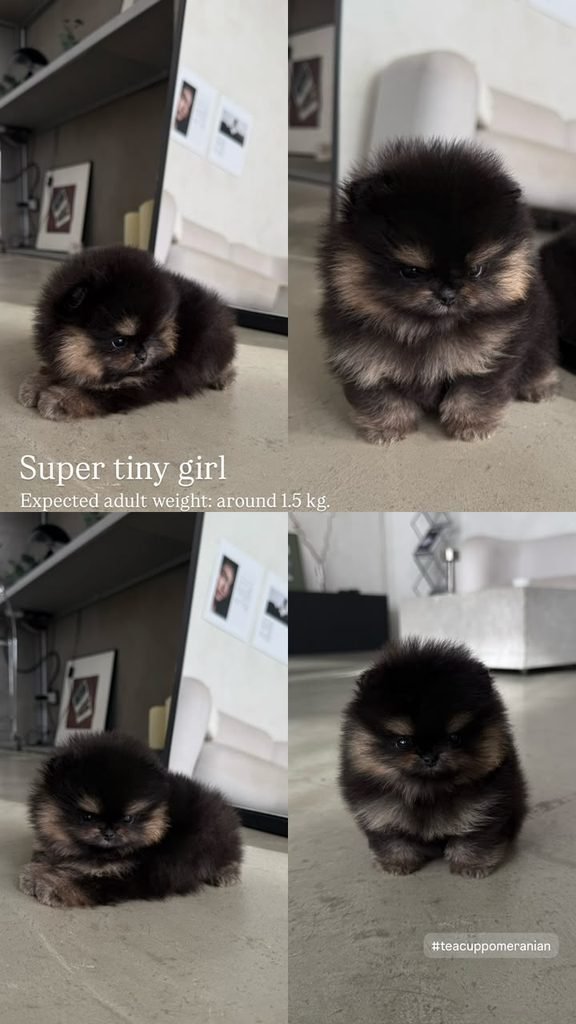
Are Pomeranians Good Indoor Dogs? Yes, Pomeranians can be excellent indoor companion dogs when their physical, mental, social, grooming, and training needs are properly met. Their small size makes them easy to accommodate inside many homes, and they can adapt well to apartments, houses, condos, and other indoor living environments.https://pomeranianblisspuppies.com/care-guide/
However, being an indoor dog does not mean a Pomeranian should stay inside all day without activity. Pomeranians are energetic, intelligent, and curious despite their small size. They still need regular walks, playtime, training, enrichment, socialization, grooming, and safe opportunities to explore the world outside the home.
If you are considering a Pomeranian as an indoor companion, understanding their daily needs can help you create a comfortable and healthy environment.https://pomeranianblisspuppies.com/care-guide/
Are Pomeranians Good Indoor Dogs?
Are Pomeranians Good Indoor Dogs? For many households, the answer is yes.
Pomeranians were developed as companion dogs and are generally comfortable spending substantial amounts of time with their families indoors. Their small size means they do not require a huge living area, and many of their daily activities can be managed inside the home.
A suitable indoor routine can include:
- Indoor play
- Short training sessions
- Rest periods
- Interactive toys
- Grooming
- Family interaction
- Mental enrichment
- Regular outdoor walks
- Bathroom breaks
The key is balance.
Your Pomeranian can spend a lot of time indoors while still benefiting from regular outdoor experiences.
Why Pomeranians Are Good Indoor Dogs
There are several reasons Pomeranians can work well as indoor companions.
Their Small Size
One of the biggest advantages is their compact size.
Pomeranians can comfortably move around many homes without requiring a large amount of floor space.
They can play in a living room, rest beside their owner, and travel more easily than many larger breeds.
They Enjoy Human Companionship
Pomeranians often enjoy being close to their owners.
They may follow family members around the home, sit beside them, or participate in everyday activities.
For people looking for a small companion dog, this can make indoor living especially enjoyable.
They Can Exercise Indoors
Pomeranians can participate in short indoor play sessions and training activities.
Games such as retrieving an appropriate toy, finding a hidden toy, or practicing obedience commands can provide mental and physical stimulation.
Indoor activity is useful, but it should complement—not completely replace—appropriate outdoor exercise.
They Adapt to Different Homes
Pomeranians can live in apartments, condos, houses, and other suitable indoor environments.
They do not need a huge backyard to have a fulfilling life.
Do Pomeranians Need to Go Outside?
Yes.
Although Are Pomeranians Good Indoor Dogs? has a positive answer, Pomeranians should not be treated as dogs that never need to go outside.
Outdoor experiences provide opportunities for:
- Walking
- Exercise
- Sniffing
- Exploration
- Socialization
- Environmental enrichment
- Bathroom breaks
Regular outdoor activity can help prevent boredom and provide experiences that cannot be completely replicated inside the home.
How Much Exercise Does an Indoor Pomeranian Need?
Pomeranians are small, but they can be active.
Their exercise needs vary according to:
- Age
- Health
- Fitness
- Personality
- Weather
- Lifestyle
A daily routine may include short walks combined with indoor play and training.
Puppies require age-appropriate activity and plenty of rest.
Older Pomeranians may need a gentler routine.
If your dog has a health condition, ask your veterinarian about appropriate exercise.
Indoor Play Ideas for Pomeranians
Indoor play can be a useful part of your Pomeranian’s routine.
You can try:
- Toy retrieval
- Hide-and-seek
- Scent games
- Puzzle toys
- Food-dispensing toys
- Basic obedience games
- Trick training
- Toy rotation
- Find-the-toy games
These activities do not require much space.
A few minutes of focused interaction can provide valuable enrichment.
Are Pomeranians Good Indoor Dogs for Apartments?
Yes, Pomeranians can be well suited to apartment living.
Their small size makes it easier to accommodate them in limited spaces.
However, apartment owners should pay particular attention to:
- Barking
- Exercise
- Potty training
- Neighbor relationships
- Mental stimulation
- Elevator safety
- Balcony safety
- Building pet policies
A small apartment can be a suitable home if the dog receives appropriate daily care.
Pomeranian Barking Indoors
Barking is one of the most important issues to consider when asking Are Pomeranians Good Indoor Dogs?
Pomeranians can be alert and vocal.
They may react to:
- Doorbells
- Visitors
- People outside
- Other dogs
- Hallway noises
- Cars
- Household sounds
- Excitement
Not every Pomeranian will bark excessively, but owners should be prepared to teach appropriate behavior.
How to Manage Indoor Barking
Start by identifying why your Pomeranian is barking.
Then work on teaching an alternative response.
Reward calm behavior and avoid accidentally rewarding attention-seeking barking.
For example, if your dog barks whenever someone walks past the window, reducing access to the visual trigger while teaching a calm behavior can help.
Consistent training is especially important in apartments and homes with close neighbors.
Indoor Training for Pomeranians
Indoor living provides many opportunities for training.
You can teach basic commands such as:
- Sit
- Stay
- Come
- Down
- Leave it
- Drop it
- Wait
- Quiet
- Place
Training does not have to involve long sessions.
Several short sessions throughout the day can help your Pomeranian learn while keeping the experience enjoyable.
Are Pomeranians Easy to Train Indoors?
Many Pomeranians can learn effectively in an indoor environment because there are fewer distractions than in busy outdoor locations.
Start with basic commands in a quiet room.
As your dog becomes reliable, gradually introduce distractions.
For example:
Step 1: Practice “sit” in a quiet room.
Step 2: Practice while family members move around.
Step 3: Practice near the front door.
Step 4: Practice outside.
This gradual progression helps your dog learn to respond in different environments.
Indoor Potty Training
Potty training is an important consideration for indoor Pomeranians.
Young puppies may need frequent bathroom breaks.
Establish a predictable routine and take your puppy to the appropriate bathroom area after:
- Sleeping
- Eating
- Drinking
- Playing
- Napping
Reward successful elimination immediately.
Some owners use designated indoor potty solutions, while others focus entirely on outdoor training.
Choose a method that works for your household and apply it consistently.
Are Pomeranians Good Indoor Dogs for Busy Families?
They can be, but their needs should be considered carefully.
Pomeranians can enjoy family life, but they should not be expected to entertain themselves all day.
Families should create a schedule for:
- Feeding
- Exercise
- Training
- Play
- Grooming
- Bathroom breaks
- Rest
- Social interaction
If everyone in the household shares responsibility, it can be easier to maintain a consistent routine.
Pomeranians and Children Indoors
Pomeranians can live with families, but their small size requires careful handling.
Children should learn how to interact respectfully with the dog.
They should not:
- Pull the dog’s fur
- Grab the tail
- Chase the dog
- Disturb the dog while sleeping
- Take food away
- Handle the dog roughly
Young children should be supervised around dogs.
Your Pomeranian should also have a quiet space where it can rest without being disturbed.
Pomeranians and Other Indoor Pets
Pomeranians can potentially live with other pets, but introductions should be gradual.
Supervise interactions, especially with larger dogs.
Give each pet access to a safe resting area.
Do not force animals to interact.
A successful multi-pet household depends on individual temperament, appropriate introductions, supervision, and management.
Pomeranian Grooming Indoors
Grooming is an important part of indoor Pomeranian ownership.
Because your dog spends much of its time inside, regular grooming can help keep the coat and home cleaner.
A basic grooming routine can include:
- Brushing
- Bathing when appropriate
- Nail trimming
- Ear care
- Paw care
- Dental hygiene
- Coat inspection
Regular brushing can help remove loose hair and reduce tangles.
Do Indoor Pomeranians Shed?
Yes.
Living indoors does not stop a Pomeranian from shedding.
Owners should expect some loose hair around the home.
Regular brushing can help manage shedding.
It is also useful to establish a regular cleaning routine for:
- Floors
- Furniture
- Bedding
- Rugs
- Dog sleeping areas
Can Pomeranians Sleep Indoors?
Yes.
Pomeranians can sleep comfortably indoors.
Provide a safe, quiet, comfortable sleeping area.
Some owners use a crate, while others provide a dog bed or designated sleeping space.
Puppies may need additional support during their first nights away from their littermates.
Establishing a consistent bedtime routine can help your puppy learn when it is time to settle.
Should Pomeranians Stay Indoors at Night?
There is generally no need to keep a Pomeranian outside overnight.
As a small companion breed, indoor living provides protection from weather, traffic, predators, and other outdoor hazards.
Your dog should have a safe sleeping area inside the home.
Pomeranians and Hot Weather
Indoor living can be particularly helpful during very hot weather.
Make sure your Pomeranian has:
- Fresh water
- A cool resting area
- Good ventilation
- Shade when outdoors
- Appropriate indoor temperatures
Avoid strenuous exercise during excessively hot conditions.
Never leave your Pomeranian unattended in a hot vehicle.
If your dog shows signs of overheating, seek veterinary assistance promptly.
Pomeranians and Cold Weather
Indoor living also provides protection from very cold conditions.
Although Pomeranians have a substantial coat, individual dogs have different levels of cold tolerance.
Puppies, seniors, and dogs with certain health conditions may require additional care during cold weather.
Monitor your dog’s comfort during outdoor activities.
Mental Stimulation for Indoor Pomeranians
Physical exercise is only one part of good indoor care.
Pomeranians are intelligent and can benefit from activities that make them think.
Try:
- Puzzle feeders
- Scent games
- Trick training
- Obedience practice
- Hide-and-seek
- Food puzzles
- Interactive toys
- Toy rotation
Rotate toys periodically so that familiar toys remain interesting.
Creating a Safe Indoor Environment
Your home should be prepared for a small, curious dog.
Keep potentially dangerous items out of reach, including:
- Cleaning products
- Medications
- Toxic foods
- Electrical cords
- Small objects
- Certain houseplants
- Sharp items
Secure windows and balconies.
Because Pomeranians are small, they may fit into spaces that larger dogs cannot.
Pomeranian Indoor Safety
There are several indoor hazards worth considering.
Stairs
Young puppies and small dogs can be vulnerable around stairs.
Furniture
Avoid allowing your Pomeranian to repeatedly jump from high furniture.
Doors
Small dogs can sometimes slip through open doors quickly.
Windows
Make sure windows are secure.
Heating and Cooling Equipment
Keep your dog away from unsafe heaters, vents, or other equipment.
Small Objects
A curious puppy may attempt to chew or swallow objects that are easy to overlook.
Pomeranian Crate Training Indoors
A crate can provide a safe resting space when introduced positively.
The crate should never be used as punishment.
Begin by making it comfortable.
You can place appropriate bedding and safe toys inside.
Reward your puppy for entering voluntarily.
Gradually increase the time your puppy spends relaxing in the crate.
The goal is for your Pomeranian to see the crate as a comfortable place to rest.
Can Pomeranians Be Left Alone Indoors?
They can learn to spend appropriate periods alone, but independence should be taught gradually.
A young puppy has more frequent bathroom and supervision needs than an adult.
If you regularly spend long periods away from home, consider whether your dog can receive appropriate:
- Bathroom breaks
- Exercise
- Companionship
- Mental stimulation
A dog walker, sitter, family member, or another suitable arrangement may help depending on your circumstances.
Pomeranians as Indoor Companion Dogs
Pomeranians can make excellent companion dogs for people who enjoy having a small dog nearby.
They may enjoy:
- Sitting beside you
- Following you around
- Playing indoors
- Learning tricks
- Resting near the family
- Participating in household routines
Their companionship is one of the reasons many people enjoy living with the breed.
Are Pomeranians High Maintenance Indoors?
Pomeranians are not necessarily difficult indoor dogs, but their fluffy coat does require regular grooming.
Indoor owners should also be prepared for:
- Shedding
- Barking
- Training
- Exercise
- Dental care
- Nail care
- Mental stimulation
- Regular veterinary care
Their small size makes many tasks manageable, but owners should not assume that small means maintenance-free.
Indoor Pomeranian Daily Routine
A simple daily routine might look like this:
Morning
- Bathroom break
- Short walk
- Breakfast
- Brief training
Midday
- Bathroom break
- Indoor play
- Mental enrichment
- Rest
Afternoon
- Quiet time
- Short training session
- Interactive toy
Evening
- Walk
- Play
- Dinner
- Family interaction
Before Bed
- Final bathroom break
- Calm activity
- Sleep
The exact schedule should be adjusted according to your dog’s age, health, and individual needs.
Indoor Care for a Pomeranian Puppy
Puppies need additional supervision.
Your puppy may need:
- Frequent bathroom trips
- Several meals according to an appropriate feeding plan
- Short training sessions
- Safe chew toys
- Plenty of sleep
- Gradual socialization
- Grooming practice
- Veterinary care
- Safe exploration
Puppy-proof your home before bringing your Pomeranian home.
Common Indoor Pomeranian Care Mistakes
Keeping the Dog Inside All Day Without Exercise
Indoor living does not eliminate exercise requirements.
Ignoring Barking
Excessive barking can become difficult to manage.
Not Providing Mental Stimulation
Boredom can contribute to unwanted behavior.
Skipping Grooming
Indoor dogs still need regular coat care.
Overfeeding
Small dogs can gain unhealthy weight if they receive too many calories.
Allowing Unsafe Jumping
Avoid encouraging repeated jumps from high furniture.
Lack of Socialization
An indoor dog still needs appropriate exposure to the outside world.
Leaving Puppies Alone for Long Periods
Young puppies require frequent care and supervision.
Benefits of Keeping a Pomeranian Indoors
Indoor living offers several advantages.
Your Pomeranian can have protection from:
- Extreme weather
- Traffic
- Predators
- Uncontrolled interactions
- Certain outdoor hazards
It also allows your dog to remain close to the family.
However, indoor living should be combined with appropriate outdoor exercise and enrichment.
Are Pomeranians Good Indoor Dogs for First-Time Owners?
Are Pomeranians Good Indoor Dogs? They can be an excellent choice for some first-time owners.
Their small size can make them easier to accommodate than larger breeds.
However, new owners should understand that they still need:
- Training
- Grooming
- Exercise
- Socialization
- Dental care
- Veterinary care
- Proper nutrition
- Companionship
Learning about the breed before bringing a puppy home can make the transition much easier.
What Supplies Does an Indoor Pomeranian Need?
Before bringing your Pomeranian home, consider preparing:
- Food and water bowls
- Appropriate food
- Dog bed
- Crate if desired
- Collar or harness
- Leash
- Identification
- Appropriate toys
- Grooming brush
- Nail-care supplies
- Dental-care supplies
- Puppy-safe cleaning products
- Training treats
- Puppy gates if needed
Having supplies ready helps you focus on your puppy instead of shopping for necessities after arrival.
How to Keep an Indoor Pomeranian Happy
A happy indoor Pomeranian needs more than food and shelter.
Provide:
Exercise: Regular walks and appropriate play.
Mental stimulation: Training and enrichment.
Companionship: Quality time with the family.
Routine: Predictable meals, exercise, bathroom breaks, and rest.
Training: Clear boundaries and positive reinforcement.
Grooming: Consistent coat, nail, ear, and dental care.
Safety: A secure and puppy-proofed environment.
Frequently Asked Questions
Are Pomeranians Good Indoor Dogs?
Yes. Pomeranians can be excellent indoor dogs because of their small size, adaptability, and companion-oriented nature. They still need regular outdoor exercise and mental stimulation.
Can Pomeranians live inside an apartment?
Yes. Pomeranians can adapt well to apartment living when their exercise, training, grooming, and enrichment needs are met.
Do Pomeranians need to go outside every day?
Regular outdoor activity is beneficial for exercise, exploration, socialization, and mental stimulation. The amount should be appropriate for the individual dog.
Can Pomeranians stay indoors all day?
They can spend substantial time indoors, but they should not be deprived of appropriate exercise, bathroom opportunities, socialization, and outdoor experiences.
Are Pomeranians good house dogs?
Yes. Their small size and companion nature can make them well suited to indoor household life.
Do indoor Pomeranians still shed?
Yes. Indoor living does not eliminate shedding. Regular brushing can help manage loose hair.
Do Pomeranians bark a lot indoors?
Some Pomeranians can be vocal, especially when responding to sounds, visitors, or activity outside. Training and management can help reduce excessive barking.
Are Pomeranians easy to care for indoors?
They can be manageable, but they still require grooming, exercise, training, dental care, nutrition, socialization, and veterinary care.
Can Pomeranians sleep indoors?
Yes. Pomeranians can sleep comfortably inside the home in a safe, quiet, and comfortable sleeping area.
Are Pomeranians good indoor dogs for first-time owners?
They can be suitable for prepared first-time owners who understand the breed’s grooming, training, exercise, socialization, and health requirements.
Final Thoughts: Are Pomeranians Good Indoor Dogs?
Are Pomeranians Good Indoor Dogs? Yes, Pomeranians can be wonderful indoor companion dogs. Their small size, adaptability, intelligence, and desire for companionship make them suitable for many homes.
The important thing to remember is that indoor living does not mean a completely inactive lifestyle.
Your Pomeranian still needs regular walks, play, training, mental stimulation, socialization, grooming, dental care, and veterinary attention.
A comfortable indoor home should provide a safe place to sleep, appropriate toys, nutritious food, clean water, and plenty of positive interaction with the family.
If you can combine a safe indoor environment with regular outdoor exercise and enrichment, a Pomeranian can thrive as a loving member of your household.
For the right owner, a Pomeranian can be much more than a small indoor dog—they can become a loyal, playful, affectionate companion who participates in everyday family life.https://pomeranianblisspuppies.com/care-guide/