October 3, 2026
Are Pomeranians Easy to Train? – Training Tips for New Owners
Are Pomeranians Easy to Train?
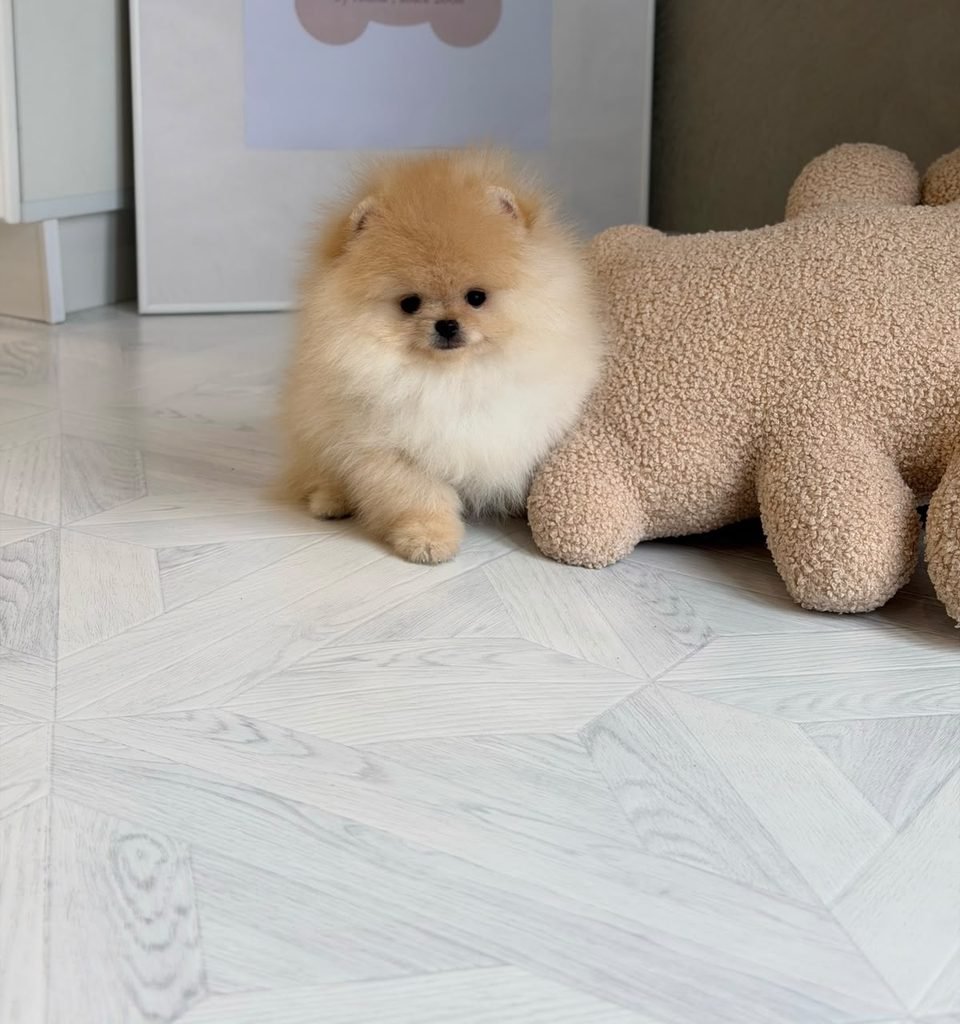
Are Pomeranians Easy to Train? In many cases, yes. Pomeranians are intelligent, alert, curious, and capable of learning a wide range of behaviors and commands. Their small size does not mean they lack energy or personality, and many Pomeranians enjoy learning when training is positive, consistent, and rewarding.https://pomeranianblisspuppies.com/puppies/
However, training a Pomeranian can also present challenges. Some Pomeranians can be independent, easily distracted, vocal, or determined to do things their own way. Their small size can also cause owners to overlook behaviors that would be addressed immediately in a larger dog.
The key to successful Pomeranian training is consistency. Short, positive training sessions started early can help your puppy develop good habits while strengthening the relationship between you and your dog.https://pomeranianblisspuppies.com/puppies/
Are Pomeranians Easy to Train?
Are Pomeranians Easy to Train? Generally, Pomeranians can learn quickly when their owner uses appropriate training methods.
They can learn:
- Their name
- Sit
- Stay
- Come
- Down
- Leave it
- Drop it
- Wait
- Quiet
- Loose-leash walking
- Crate training
- Potty training
- Appropriate greeting behavior
- Tricks and other behaviors
Because Pomeranians are small and intelligent, training can become an enjoyable daily activity rather than something that only happens during formal obedience classes.
The biggest challenge is often not whether a Pomeranian can learn. It is whether the owner is consistent enough to reinforce the desired behavior every day.https://pomeranianblisspuppies.com/puppies/
Why Pomeranians Can Be Easy to Train
Several characteristics can make Pomeranians responsive to training.
They Are Intelligent
Pomeranians are generally alert and quick to notice what is happening around them.
They can learn routines and associate behaviors with rewards.
For example, if your puppy consistently receives praise after sitting calmly, the puppy can begin to understand that sitting leads to a positive outcome.
They Can Be Highly Motivated
Many Pomeranians enjoy praise, attention, toys, or treats.
Finding what motivates your individual dog can make training much easier.
Not every Pomeranian responds to the same reward, so experiment to determine whether your puppy prefers:
- Small treats
- Praise
- Petting
- Toys
- Play
- Access to something enjoyable
They Are Small Enough for Frequent Training
You do not need a large training area.
A few minutes of training can take place in your living room, hallway, yard, or another safe environment.
This makes it relatively easy to incorporate training into everyday life.
Are Pomeranian Puppies Easy to Train?
Pomeranian puppies can learn quickly, but puppies require patience.
A young puppy is still learning basic household rules and may not have reliable bladder control.
Your puppy may need to learn:
- Where to sleep
- Where to eliminate
- What objects are appropriate to chew
- How to walk on a leash
- How to respond to their name
- How to interact with people
- How to behave around other animals
- How to settle down
- How to tolerate grooming
- How to spend short periods alone
Training should be age-appropriate and divided into manageable sessions.
Do not expect a young puppy to have the same attention span as an adult dog.
How Long Does It Take to Train a Pomeranian?
There is no single timeline that applies to every Pomeranian.
Some behaviors can be learned within a few training sessions, while others require weeks or months of consistent practice.
Simple commands such as “sit” may be introduced quickly.
Potty training can take longer because success depends on age, routine, supervision, previous experience, and individual development.
Advanced obedience requires continued practice even after your dog understands the basic behavior.
The goal should be reliable behavior in real-life situations rather than simply getting your Pomeranian to perform a command inside your living room.
The Best Way to Train a Pomeranian
Positive reinforcement is a useful approach for teaching Pomeranians.
When your dog performs the desired behavior, reward it immediately.
For example:
Ask → Behavior → Reward
If you say “sit,” your dog sits, and you immediately provide an appropriate reward, your dog begins to associate the behavior with something positive.
Over time, you can gradually reduce the frequency of food rewards while continuing to reinforce good behavior with praise, play, and other rewards.
Keep Training Sessions Short
One of the biggest mistakes owners make is training for too long.
A Pomeranian puppy may lose interest after several minutes.
Instead of one long session, consider multiple short sessions throughout the day.
For example:
Morning: Practice name recognition and sit.
Afternoon: Practice come and leave it.
Evening: Practice leash skills and settling.
Short sessions can keep training interesting and give your dog many opportunities to succeed.
Are Pomeranians Hard to Potty Train?
Potty training is one area where owners sometimes become frustrated.
Because Pomeranians are small dogs, they have small bladders and may need more frequent bathroom opportunities, particularly when they are young puppies.
A consistent schedule can make the process easier.
Take your puppy out:
- After waking
- After eating
- After drinking
- After playing
- After naps
- Before bedtime
- Whenever you notice signs that your puppy needs to go
Reward your puppy immediately after successful outdoor elimination.
Consistency is more important than expecting overnight results.
How to Potty Train a Pomeranian
Start by creating a predictable routine.
Take your puppy to the same designated bathroom area whenever possible.
When your puppy eliminates appropriately, offer praise and an immediate reward.
Watch for signs such as:
- Sniffing
- Circling
- Restlessness
- Walking toward the door
- Suddenly stopping play
- Whining
Accidents are part of puppy development.
Clean accidents thoroughly so lingering odors do not encourage your puppy to repeatedly use the same location.
Are Pomeranians Easy to Train Not to Bark?
This depends on the individual dog and the reason for the barking.
Pomeranians can be alert and vocal.
They may bark because of:
- Excitement
- Fear
- Attention seeking
- Boredom
- Unfamiliar people
- Other dogs
- Sounds outside
- Doorbells
- Hallway activity
- Environmental changes
Instead of simply trying to stop barking, determine why your dog is barking.
Once you understand the trigger, you can teach an alternative behavior.
For example, teach your dog to look at you and remain quiet when someone approaches the door.
Reward calm behavior.
Training a Pomeranian Not to Jump
Small dogs sometimes receive less correction for jumping because their behavior appears harmless.
However, allowing a puppy to jump on people can make the behavior difficult to change later.
Teach your Pomeranian that calm greetings receive attention.
Ask visitors to avoid rewarding jumping with petting or excitement.
When your dog has four paws on the floor, provide attention and praise.
Consistency from everyone in the household is important.
Training a Pomeranian to Come When Called
Recall is one of the most important behaviors your dog can learn.
Start in a safe, controlled environment.
Say your puppy’s name followed by a consistent recall word.
When your puppy comes to you, immediately provide a reward.
Make coming to you a positive experience.
Never repeatedly call your puppy for something unpleasant if you can avoid it, because your dog may begin associating the recall word with negative experiences.
As your dog improves, gradually practice in environments with more distractions.
Teaching a Pomeranian to Walk on a Leash
Leash training should begin gradually.
Start indoors or in another quiet environment.
Allow your puppy to become comfortable wearing the harness or leash.
Reward calm movement beside you.
Gradually introduce outdoor environments.
Avoid expecting a young puppy to walk perfectly immediately.
Walking is a skill that develops through repetition and positive experiences.
Can Pomeranians Learn Tricks?
Absolutely.
Trick training can be an excellent way to provide mental stimulation.
Depending on your dog’s abilities and physical condition, you can teach behaviors such as:
- Shake
- Spin
- Touch
- Wave
- Find it
- Place
- High five
- Crawl
- Speak
- Quiet
- Roll over
Tricks can also strengthen communication between you and your dog.
Always choose exercises appropriate for your Pomeranian’s size and physical condition.
Are Pomeranians Good at Obedience Training?
Pomeranians can learn obedience behaviors successfully.
The key is to make training clear and consistent.
Use the same verbal cues and reward desired behaviors.
For example, if you use “come” for recall, avoid constantly changing between different commands.
Everyone in the household should use the same cues.
This prevents confusion and helps your dog understand what is expected.
Training a Pomeranian to Stay
The “stay” command should be taught gradually.
Begin by asking your dog to sit.
Take a very small step backward.
If your dog remains in position, return and reward.
Slowly increase:
- Distance
- Duration
- Distractions
Do not increase all three at the same time.
If your dog gets up, simply make the exercise easier and try again.
Teaching “Leave It”
“Leave it” can be especially useful for small dogs because they may encounter objects on the ground during walks.
Begin with something uninteresting in your closed hand.
When your dog stops trying to access it and looks away, reward the behavior.
Gradually increase the difficulty.
The goal is to teach your Pomeranian that ignoring an item can lead to a better reward.
Crate Training a Pomeranian
Crate training can help establish a safe resting area and support household management.
The crate should never be used as punishment.
Introduce it gradually.
You can:
- Make the crate comfortable.
- Leave the door open initially.
- Place appropriate treats or toys nearby.
- Reward your puppy for voluntarily entering.
- Gradually increase the amount of time spent inside.
- Practice short periods while you remain nearby.
- Gradually build independence.
Your puppy should associate the crate with safety and positive experiences.
Socializing a Pomeranian Puppy
Training is not limited to obedience commands.
Socialization is another important part of raising a well-adjusted dog.
A puppy can gradually become familiar with:
- Different people
- Household sounds
- Car rides
- Grooming
- Veterinary handling
- Different surfaces
- Appropriate dogs
- New environments
- Leashes and harnesses
The goal is not to overwhelm your puppy.
Introduce new experiences gradually and positively.
Grooming Training for Pomeranians
Pomeranians have a fluffy coat, so grooming should become part of training from an early age.
Teach your puppy to tolerate:
- Brushing
- Touching the paws
- Examining the ears
- Handling around the face
- Nail trimming
- Dental care
- Bathing
- Being handled by a groomer
Start with very short sessions.
Reward calm behavior.
This can make future grooming appointments much easier.
Teaching a Pomeranian to Be Calm
An often-overlooked training skill is learning how to settle.
A dog that knows many commands but cannot relax may still be difficult to live with.
Teach your Pomeranian that calm behavior is rewarding.
You can provide a designated bed or mat.
When your dog settles quietly, reward the calm behavior.
Over time, your Pomeranian can learn that relaxation is part of the daily routine.
Common Pomeranian Training Mistakes
Even when Are Pomeranians Easy to Train? has a positive answer, training can fail when owners accidentally reinforce unwanted behaviors.
Giving Commands Repeatedly
If you say “sit” five times before your dog sits, your dog may learn that the first command does not matter.
Give the cue once and help your dog succeed.
Inconsistent Rules
If jumping is prohibited today but rewarded tomorrow, your dog receives mixed signals.
Training for Too Long
Long sessions can create frustration and boredom.
Rewarding Unwanted Behavior
Giving attention when your Pomeranian barks for attention can accidentally reinforce barking.
Skipping Socialization
A dog needs more than obedience commands.
Expecting Instant Results
Training is a process.
Using Punishment Instead of Teaching
Your goal should be to show your dog what behavior you want and reward it.
Are Pomeranians Stubborn?
Some Pomeranians can appear stubborn.
Often, what owners describe as stubbornness may actually involve distraction, lack of motivation, confusion, boredom, or inconsistent training.
For example, if your dog performs “sit” perfectly in the kitchen but ignores the command at a busy park, your dog may simply need more practice around distractions.
Break the behavior into smaller steps and reward successful responses.
How to Keep a Pomeranian Interested in Training
Make training enjoyable.
You can:
- Change exercises regularly.
- Use small rewards.
- Practice in different locations.
- Teach tricks.
- Include games.
- End sessions on a successful behavior.
- Keep sessions short.
- Avoid overwhelming your dog.
Training should feel like an activity you and your Pomeranian do together.
Training a Pomeranian Around Children
If your Pomeranian lives with children, teach both the dog and children appropriate behavior.
Children should learn not to:
- Chase the dog
- Pull the coat
- Grab the tail
- Disturb the dog while eating
- Take toys away forcefully
- Climb on the dog
- Handle the dog roughly
The Pomeranian should have a quiet place where it can retreat when it wants to rest.
Supervise interactions between young children and dogs.
Training a Pomeranian Around Other Dogs
Early, positive social experiences can help your Pomeranian learn appropriate behavior around other dogs.
However, because Pomeranians are small, interactions with much larger dogs should be carefully supervised.
Choose appropriate playmates and avoid forcing interactions.
Your dog should be able to move away when uncomfortable.
How to Train an Adult Pomeranian
Older Pomeranians can learn too.
If you adopt an adult dog, do not assume that previous habits cannot be changed.
Begin with basic behaviors.
Establish a consistent routine.
Reward good choices.
Identify existing habits that need modification and work on them gradually.
Adult dogs can continue learning throughout their lives.
Do Pomeranians Need Professional Training?
Not every Pomeranian requires professional training.
Many owners can successfully teach basic manners at home.
Professional assistance can be particularly useful if you are dealing with:
- Severe barking
- Fear
- Reactivity
- Aggression
- Separation-related problems
- Serious leash pulling
- Difficulty with socialization
- Persistent behavior problems
Choose a qualified trainer who uses humane, reward-based methods.
Your veterinarian can also be a useful starting point when behavior concerns appear suddenly or seem unusual.
A Simple Daily Pomeranian Training Routine
A simple routine can look like this:
Morning:
Practice name recognition, sit, and recall.
Midday:
Practice leash walking or a short enrichment activity.
Afternoon:
Practice settling on a bed or mat.
Evening:
Practice tricks, leave it, or another obedience behavior.
Throughout the day:
Reward calm behavior and appropriate choices naturally as they occur.
You do not need to spend hours conducting formal lessons.
Training can become part of everyday life.
Pomeranian Training Checklist
Use this checklist as your puppy progresses:
- Responds to name
- Knows sit
- Knows down
- Begins stay training
- Responds to recall
- Understands leave it
- Begins leash training
- Begins crate training
- Starts potty training
- Learns appropriate greeting behavior
- Accepts grooming
- Experiences appropriate socialization
- Learns to settle
- Can handle basic household sounds
- Can travel safely
- Can remain calm around appropriate distractions
Frequently Asked Questions
Are Pomeranians Easy to Train?
Yes, many Pomeranians can learn quickly because they are intelligent and responsive to positive reinforcement. Consistency and patience are important.
Are Pomeranian puppies difficult to train?
Pomeranian puppies can be trained successfully, but young puppies require frequent bathroom breaks, short training sessions, supervision, and repetition.
Are Pomeranians easy to potty train?
They can be potty trained, although their small size and small bladder can make the process require patience and frequent bathroom opportunities.
Are Pomeranians easy to obedience train?
Pomeranians can learn basic obedience commands such as sit, stay, come, down, and leave it when training is consistent.
Do Pomeranians learn tricks?
Yes. Many Pomeranians enjoy learning tricks, particularly when training uses rewards and keeps sessions short and interesting.
Are Pomeranians stubborn?
Some individuals can be independent or easily distracted. Consistent positive training can help overcome these challenges.
Can you train an adult Pomeranian?
Yes. Adult Pomeranians can continue learning new behaviors and improving existing habits.
How long should Pomeranian training sessions be?
Short sessions are generally preferable, especially for puppies. Several brief sessions throughout the day can be more productive than one long session.
Can Pomeranians be trained not to bark?
Barking can often be managed through identifying triggers, rewarding calm behavior, teaching alternative responses, and providing sufficient exercise and mental stimulation.
Are Pomeranians good for first-time dog owners?
They can be suitable for some first-time owners, but prospective owners should be prepared for grooming, training, socialization, exercise, veterinary care, and consistent daily management.
Final Thoughts: Are Pomeranians Easy to Train?
Are Pomeranians Easy to Train? For many owners, yes. Pomeranians are intelligent, curious, and capable of learning a wide range of behaviors.
Their small size can make training convenient, but it should never be confused with being maintenance-free. A Pomeranian still needs structure, boundaries, socialization, exercise, mental stimulation, and consistent reinforcement.
The most successful approach is to start early, keep sessions short, reward good behavior, remain patient, and make training part of everyday life.
Whether you are teaching a Pomeranian puppy basic commands, working on potty training, reducing barking, teaching leash manners, or introducing advanced tricks, consistency can make a significant difference.
With the right approach, training can become more than a way to teach obedience—it can become an enjoyable way to communicate with your Pomeranian and build a stronger lifelong relationship.https://pomeranianblisspuppies.com/puppies/