October 3, 2026
Are Pomeranians Good for First-Time Owners? – A Beginner’s Guide
Are Pomeranians Good for First-Time Owners?
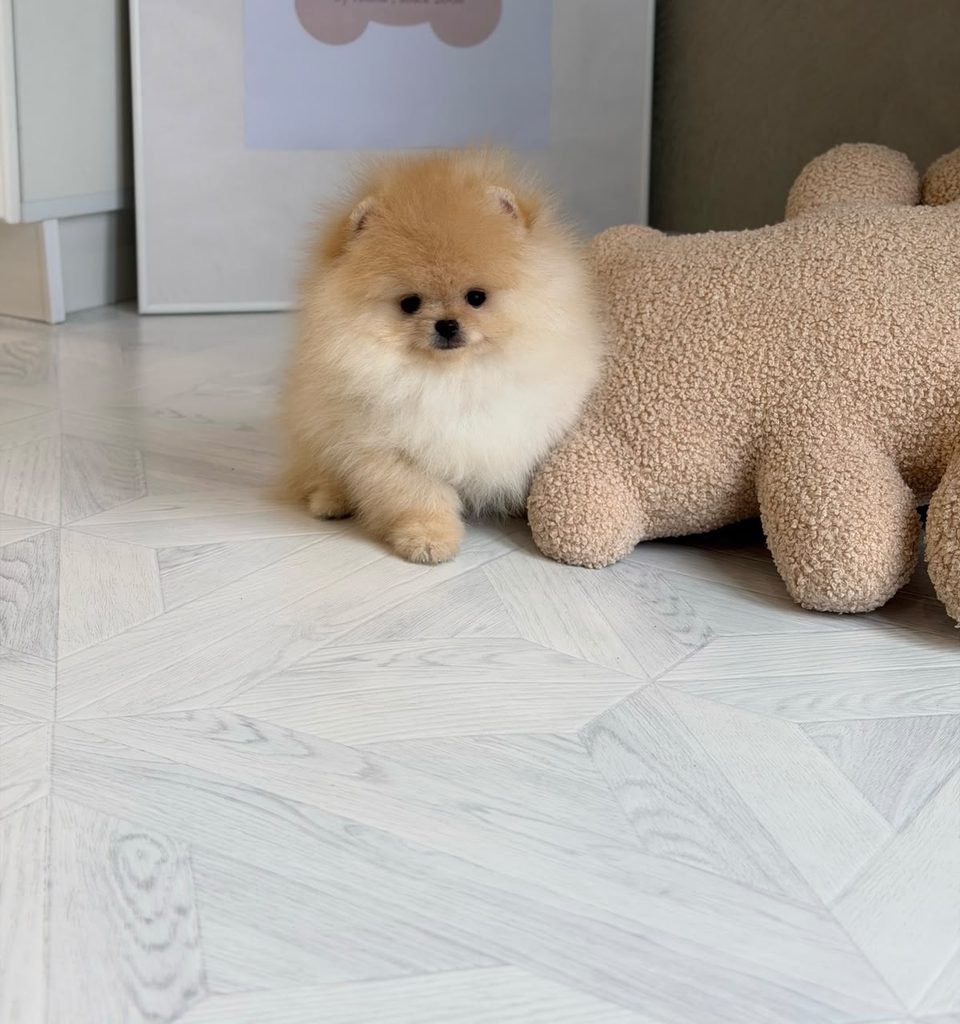
If you have never owned a dog before, choosing your first breed is an important decision. You may have fallen in love with the Pomeranian’s fluffy coat, small size, expressive face, and lively personality, but you may still be wondering: Are Pomeranians Good for First-Time Owners?https://pomeranianblisspuppies.com/puppies/
For the right person, a Pomeranian can be a rewarding first dog. These small companion dogs can be affectionate, intelligent, playful, and highly devoted to their owners. Their size can also make them convenient for many homes, including apartments and smaller living spaces.
However, Pomeranians are not completely effortless pets. They need regular grooming, training, socialization, dental care, exercise, attention, and veterinary care. Their small bodies also require careful handling.https://pomeranianblisspuppies.com/puppies/
Understanding both the enjoyable and challenging sides of ownership is the best way to decide whether a Pomeranian is suitable for you.
Are Pomeranians Good for First-Time Owners?
Yes, Pomeranians can be good for first-time owners who are prepared to learn about responsible dog ownership.
Their intelligence can make training rewarding, while their affectionate nature can make them enjoyable companions. Their small size can also make daily management easier than with a large dog.
However, their size should not be confused with low maintenance.
A Pomeranian still needs:
- Consistent training
- Regular exercise
- Mental stimulation
- Coat care
- Dental care
- Veterinary appointments
- Socialization
- Good nutrition
- Safe handling
- Daily companionship
When considering Are Pomeranians Good for First-Time Owners?, it is important to think about whether you are ready for these responsibilities rather than focusing only on their appearance.https://pomeranianblisspuppies.com/puppies/
Why Pomeranians Can Be a Good First Dog
There are several reasons a Pomeranian can work well for someone who is new to dog ownership.
1. They Are Small
Pomeranians are small companion dogs, which can make certain aspects of ownership more manageable.
They generally require less physical space than a large breed, and they can adapt to many different types of homes.
Their smaller size can also make transportation easier.
However, first-time owners should remember that small dogs can be physically delicate. A puppy can be injured by being dropped, stepped on, or handled roughly.https://pomeranianblisspuppies.com/puppies/
2. They Are Intelligent
Pomeranians are intelligent and capable of learning many behaviors.
A first-time owner can have fun teaching:
- Sit
- Stay
- Come
- Down
- Wait
- Leave it
- Drop it
- Place
Training also helps create communication between the owner and dog.
3. They Can Be Very Affectionate
Many Pomeranians form strong bonds with their owners.
They may enjoy sitting beside you, following you through the house, playing with you, or relaxing near you.
For someone looking for a close companion, this can be one of the breed’s most appealing qualities.
4. They Can Adapt to Smaller Homes
A Pomeranian does not require a huge property simply because it is a dog.
With appropriate daily exercise and mental stimulation, many Pomeranians can live comfortably in apartments, condos, and other smaller homes.
Understanding the Pomeranian Personality
One of the most important things for a first-time owner to understand is that Pomeranians are small dogs with confident personalities.
They may be curious, energetic, alert, playful, and surprisingly bold.
Some Pomeranians love meeting new people, while others can be more cautious.
Because individual temperament varies, a new owner should not assume that every Pomeranian will behave exactly the same way.
Early socialization and positive training can help a puppy learn how to respond appropriately to different people, environments, sounds, and situations.
Are Pomeranians Easy to Train?
Pomeranians can learn quickly, which can be helpful for first-time owners.
However, intelligent dogs can also develop unwanted habits if owners are inconsistent.
For example, if barking sometimes results in attention, the dog may learn that barking gets a response.
The solution is not harsh treatment. Instead, owners should establish clear expectations and consistently reward desirable behavior.
Short training sessions are usually more productive than very long sessions.
A few minutes of focused training each day can gradually build good habits.
House Training a Pomeranian
House training is one area where first-time owners need patience.
Young puppies do not automatically understand where they are supposed to eliminate.
Create a consistent routine around:
- Waking up
- Eating
- Drinking
- Playing
- Sleeping
- Bathroom breaks
Take the puppy to the appropriate potty area regularly and reward successful behavior.
Accidents can happen during puppyhood.
Instead of punishing the puppy, focus on supervision, routine, and prevention.
With consistency, most puppies gradually become more reliable.
Are Pomeranians High Maintenance?
Pomeranians can be relatively demanding in some areas despite being small.
Their fluffy coat requires regular grooming, and they benefit from consistent dental care.
First-time owners should be prepared for routine tasks such as:
- Brushing
- Nail trimming
- Dental hygiene
- Ear checks
- Bathing
- Training
- Exercise
- Veterinary care
The good news is that these responsibilities become easier once they are incorporated into a routine.
Pomeranian Grooming for Beginners
A Pomeranian’s beautiful coat is one of its most recognizable features.
However, maintaining that coat requires commitment.
Regular brushing can help reduce tangles and mats and keep the coat looking neat.
A beginner should gradually teach the puppy to accept:
- Brushing
- Paw handling
- Nail care
- Ear checks
- Bathing
- Gentle handling around the face
Make grooming a positive experience.
Use praise and appropriate rewards so the puppy learns that grooming is a normal part of life.
If you are uncomfortable performing certain grooming tasks, a professional groomer can help.
Pomeranian Exercise Requirements
A common misconception is that a small dog does not need exercise.
Pomeranians still benefit from daily physical and mental activity.
Suitable activities may include:
- Short walks
- Indoor games
- Gentle fetch
- Training sessions
- Interactive toys
- Puzzle activities
- Supervised outdoor play
The amount of exercise should be appropriate for the individual dog’s age, health, and fitness.
Puppies also need plenty of rest between activities.
Mental Stimulation for Pomeranians
Physical exercise is only part of caring for an intelligent Pomeranian.
Mental stimulation can help prevent boredom and provide an outlet for curiosity.
Try activities such as:
Treat Searches
Hide a few appropriate treats in safe locations and encourage your dog to find them.
Trick Training
Teach new tricks gradually using positive reinforcement.
Puzzle Toys
Use appropriately designed puzzle toys that require the dog to think and work for rewards.
Obedience Games
Turn commands such as “sit,” “stay,” and “come” into short games.
These activities can be particularly useful for first-time owners because they also help develop training skills.
Are Pomeranians Good Apartment Dogs for First-Time Owners?
A Pomeranian can be suitable for a first-time owner living in an apartment.
Their small size can make them easier to accommodate than a large breed.
However, apartment living comes with responsibilities.
You need to consider:
- Barking
- Exercise
- Potty training
- Noise from neighbors
- Elevator or stair use
- Safe outdoor access
- Mental stimulation
Pomeranians can be alert and vocal, so barking should be addressed through appropriate training.
A dog that is bored or under-stimulated may also become more vocal.
Pomeranian Socialization for Beginners
Socialization is an essential part of raising a confident dog.
A first-time owner should gradually introduce a puppy to appropriate experiences.
This can include:
- Different people
- Safe dogs
- Household sounds
- Car rides
- Grooming
- Different surfaces
- New rooms
- Visitors
- Leash walking
- Veterinary visits
The goal is not to overwhelm the puppy.
Instead, introduce experiences gradually and associate them with positive outcomes.
A well-socialized Pomeranian can become more comfortable navigating everyday situations.
Are Pomeranians Good With Children?
Pomeranians can live with children, but their small size requires careful supervision.
Older children who understand gentle handling may be a better match than very young children.
Children should learn not to:
- Pull the dog’s tail
- Grab its fur
- Chase it
- Squeeze it
- Disturb it while eating
- Disturb it while sleeping
- Pick it up without supervision
Because Pomeranians are small, accidental injuries are a serious consideration.
Adults should remain responsible for supervising interactions.
Are Pomeranians Good With Other Pets?
Some Pomeranians can live happily with other dogs and pets.
However, introductions should be gradual and supervised.
Extra care is necessary when the other dog is significantly larger.
A large dog does not have to be aggressive to accidentally hurt a Pomeranian. Rough play alone can create a risk.
Give both animals time to become comfortable with each other.
Pomeranian Barking
Barking is another issue a first-time owner should understand.
Pomeranians may bark because they are:
- Excited
- Alert
- Frightened
- Seeking attention
- Responding to unfamiliar sounds
- Watching people or animals outside
Instead of simply shouting at the dog, identify the cause.
Training should focus on teaching the dog appropriate behaviors and rewarding calm responses.
If barking becomes persistent or difficult to manage, a qualified trainer or veterinary professional can help.
Pomeranian Dental Care for First-Time Owners
Dental care is easy to overlook when you are new to dog ownership.
However, oral hygiene should become part of your Pomeranian’s routine.
Ask your veterinarian about an appropriate dental-care plan.
Depending on the individual dog, care may include:
- Tooth brushing
- Dental examinations
- Appropriate dental products
- Professional cleaning when recommended
- Regular monitoring
Introducing tooth brushing when the dog is young can help it become accustomed to the process.
Feeding a Pomeranian
Nutrition is another important responsibility.
Choose food appropriate for your dog’s life stage and nutritional needs.
Puppies have different needs from adult dogs.
When bringing home a new puppy, ask the breeder what food the puppy has been eating and what feeding schedule has been followed.
If you decide to change food, a gradual transition can help reduce digestive problems.
Always provide access to clean, fresh water.
Veterinary Care for First-Time Owners
A new Pomeranian owner should establish a relationship with a veterinarian.
Your veterinarian can help you develop a preventive-care plan based on your dog’s age and individual needs.
Veterinary care may include:
- Puppy examinations
- Vaccinations
- Parasite prevention
- Dental checks
- Weight monitoring
- General wellness examinations
- Preventive health care
Keep your dog’s veterinary records organized.
If you notice significant changes in appetite, energy, behavior, breathing, mobility, or other aspects of your dog’s health, contact your veterinarian.
Pomeranian Safety for Beginners
Pomeranians are small enough to get into places that larger dogs cannot.
Before bringing one home, puppy-proof your living space.
Secure:
- Electrical cables
- Small objects
- Cleaning chemicals
- Medications
- Unsafe foods
- Open windows
- Balconies
- Stairs
- Gaps behind furniture
Be particularly careful about doors.
A small Pomeranian can move quickly through an open doorway.
Teaching a Pomeranian to Be Alone
First-time owners may be tempted to spend every moment with a new puppy.
Although companionship is important, it is also useful to teach the puppy how to settle independently.
Start with very short periods of separation.
Provide a safe environment and gradually increase the amount of time the puppy spends alone.
This should be done gradually rather than suddenly leaving a puppy alone for a long period.
If your dog shows persistent distress when separated from you, speak with a veterinarian or qualified behavior professional.
Can Pomeranians Be Left Alone While You Work?
It depends on the dog’s age, training, individual needs, and the length of time involved.
Young puppies generally need more frequent bathroom breaks, meals, supervision, and interaction.
An adult dog may be able to tolerate longer periods alone, but individual dogs vary.
If your schedule requires long periods away from home, consider arrangements such as:
- A family member checking in
- A trusted pet sitter
- A dog walker
- Appropriate daycare
- Adjusting your schedule
The goal is to make sure the dog’s physical and emotional needs are being met.
How Much Time Does a Pomeranian Need Every Day?
A Pomeranian requires more than food and a comfortable bed.
Daily life may include:
Morning: Bathroom break, food, short activity, and attention.
Afternoon: Rest, mental stimulation, bathroom break, or appropriate interaction.
Evening: Walk, play, training, dinner, grooming as needed, and family time.
The exact schedule can vary.
What matters is consistency.
A predictable routine can help a Pomeranian understand what to expect each day.
Common First-Time Pomeranian Owner Mistakes
Mistake 1: Choosing Based Only on Appearance
A fluffy coat and cute face are not enough reasons to choose a dog.
Consider temperament, health, lifestyle compatibility, and care requirements.
Mistake 2: Assuming Small Means Easy
A small dog still needs training and structure.
Mistake 3: Skipping Socialization
A lack of socialization can make unfamiliar situations more difficult.
Mistake 4: Ignoring Dental Care
Start an appropriate oral-care routine early.
Mistake 5: Inconsistent Rules
Everyone in the household should use the same basic expectations.
Mistake 6: Overfeeding
Treats and extra food should be provided appropriately.
Mistake 7: Neglecting Grooming
The Pomeranian coat needs regular attention.
Mistake 8: Not Preparing the Home
Puppy-proof your home before your new dog arrives.
What Should a First-Time Pomeranian Owner Buy?
Before bringing home your puppy, prepare basic supplies.
Your starter list can include:
- Puppy food
- Food bowl
- Water bowl
- Comfortable bed
- Crate or safe enclosure
- Small collar or harness
- Leash
- Identification tag
- Appropriate toys
- Puppy-safe chews
- Grooming brush
- Nail-care supplies
- Dog toothbrush
- Appropriate dental products
- Cleaning supplies
- Waste bags
- Travel carrier
Choose appropriately sized equipment.
A collar, harness, carrier, or toy designed for a much larger dog may not be suitable for a Pomeranian puppy.
Choosing a Pomeranian for Your First Dog
If you are purchasing a Pomeranian as your first dog, take your time.
A responsible breeder should be willing to answer questions about the puppy and its parents.
Ask about:
- Health history
- Parent dogs
- Health testing
- Veterinary examinations
- Vaccination records
- Socialization
- Feeding
- Puppy development
- Contract
- Health guarantee
- Registration paperwork when applicable
You can also ask what kind of temperament the breeder has observed in the puppy.
Do not feel pressured to make a rushed decision.
Questions to Ask Yourself Before Getting a Pomeranian
Before deciding, ask:
Do I Have Enough Time?
A dog needs daily care and attention.
Can I Afford Ongoing Care?
Consider food, veterinary care, grooming, supplies, and unexpected expenses.
Am I Prepared to Train?
Training is an ongoing part of responsible ownership.
Can I Commit to Grooming?
A Pomeranian’s coat requires regular attention.
Can I Provide Safe Exercise?
Small dogs still need appropriate physical activity.
Am I Comfortable With Barking?
You should be prepared to work on vocal behavior if necessary.
Can I Provide Companionship?
Pomeranians often enjoy being close to their owners.
If your answers are positive, a Pomeranian may fit your lifestyle.
Are Pomeranians Good for First-Time Owners on a Budget?
A first-time owner should consider the total cost of ownership rather than only the purchase price.
Potential expenses include:
- Initial supplies
- Food
- Veterinary examinations
- Vaccinations
- Preventive care
- Grooming
- Dental care
- Training
- Pet sitting
- Boarding
- Emergency veterinary care
Costs can vary depending on where you live and your dog’s individual needs.
It is wise to maintain an emergency fund for unexpected veterinary expenses.
Are Pomeranians Good for First-Time Owners Who Travel?
Pomeranians can potentially accompany their owners on suitable trips, but preparation is important.
Before traveling, consider:
- Transportation safety
- Identification
- Veterinary records
- Food
- Water
- Leash or harness
- Carrier
- Familiar bedding
- Destination requirements
Introduce your dog to travel gradually.
A puppy’s first car experience should ideally not be a long-distance journey.
Are Pomeranians Good for Seniors Who Are First-Time Owners?
A Pomeranian’s small size can make the breed appealing to some older first-time owners, but individual circumstances matter.
Consider your ability to:
- Walk the dog
- Groom the coat
- Bend down safely
- Handle a puppy
- Maintain the home
- Attend veterinary appointments
- Manage an energetic puppy
An adult Pomeranian with an appropriate temperament may have different needs from a young puppy.
Pomeranian Puppy or Adult Dog for a First-Time Owner?
Both can be rewarding, but they are different experiences.
Pomeranian Puppy
A puppy requires:
- House training
- Socialization
- Frequent supervision
- Puppy-proofing
- Basic obedience
- More frequent bathroom breaks
- Patience with chewing and teething
Adult Pomeranian
An adult may already have established habits and routines.
Depending on its history, an adult dog may require less puppy-style management, but you still need to understand its temperament and previous experiences.
The right choice depends on your lifestyle and what you are prepared to handle.
Are Pomeranians Difficult for First-Time Owners?
Pomeranians are not necessarily difficult, but they do have characteristics that can challenge beginners.
The most common areas requiring attention are:
- House training
- Barking
- Grooming
- Dental care
- Socialization
- Consistency
- Safe handling
The good news is that new owners can learn these skills.
You do not have to know everything before getting your first dog.
What matters is being willing to learn, ask questions, follow professional guidance, and provide consistent care.
Benefits of Having a Pomeranian as Your First Dog
A Pomeranian can give a first-time owner experience with many aspects of dog ownership.
You can learn about:
- Training
- Canine communication
- Grooming
- Nutrition
- Veterinary care
- Exercise
- Socialization
- Pet safety
- Building routines
- Responsible ownership
The relationship can become extremely rewarding as you learn your dog’s personality and needs.
Frequently Asked Questions
Are Pomeranians good for first-time owners?
Yes. Pomeranians can be suitable for first-time owners who are prepared for regular grooming, training, socialization, exercise, veterinary care, and companionship.
Are Pomeranians easy for beginners?
They can be manageable for beginners, particularly because of their small size and intelligence. However, they still require consistent training and daily care.
Are Pomeranians easy to train?
Pomeranians are intelligent and capable of learning many commands and tricks. Consistency and positive reinforcement are important.
Are Pomeranians hard to house train?
House training can require patience, particularly during puppyhood. A consistent schedule and close supervision can help.
Do Pomeranians need professional grooming?
Not every grooming task needs to be done professionally, but some owners prefer professional grooming for coat maintenance. Regular brushing at home remains important.
Do Pomeranians bark a lot?
Some Pomeranians can be vocal. Training, socialization, mental stimulation, and identifying the reason for barking can help manage the behavior.
Are Pomeranians good apartment dogs?
Their small size can make them suitable for apartments, provided they receive appropriate exercise, mental stimulation, training, and attention.
Are Pomeranians affectionate?
Many Pomeranians form strong bonds with their owners and enjoy companionship. Individual personalities vary.
Are Pomeranians expensive to maintain?
The total cost varies, but owners should budget for food, veterinary care, grooming, dental care, training, supplies, and unexpected expenses.
What is the biggest challenge for a first-time Pomeranian owner?
There is no single challenge for every owner. Grooming, house training, barking, socialization, and maintaining consistent routines can all require attention.
Final Thoughts: Are Pomeranians Good for First-Time Owners?
So, Are Pomeranians Good for First-Time Owners? They can be a wonderful choice for someone who is prepared to learn and commit to responsible care.
Their small size, intelligence, affectionate nature, playful personality, and adaptability make them appealing companion dogs. They can fit into many different lifestyles and living environments.
However, a Pomeranian should never be chosen simply because it is small or cute.
First-time owners need to be prepared for grooming, training, socialization, exercise, dental care, veterinary appointments, nutrition, and everyday companionship.
The best way to succeed with your first Pomeranian is to prepare before the puppy arrives. Puppy-proof your home, purchase the necessary supplies, establish a daily routine, choose a veterinarian, and learn the basics of positive reinforcement training.
Most importantly, remember that every Pomeranian is an individual. Take the dog’s temperament, age, health, and previous experiences into account when deciding whether it is the right companion for you.
For a responsible beginner who is ready to learn, Are Pomeranians Good for First-Time Owners? can have a very positive answer. With preparation, patience, consistency, and proper care, your first Pomeranian can become a beloved companion for years to come.https://pomeranianblisspuppies.com/puppies/