September 2, 2026
A Guide to Choosing Your First Puppy
Pomeranian Puppies for New Owners
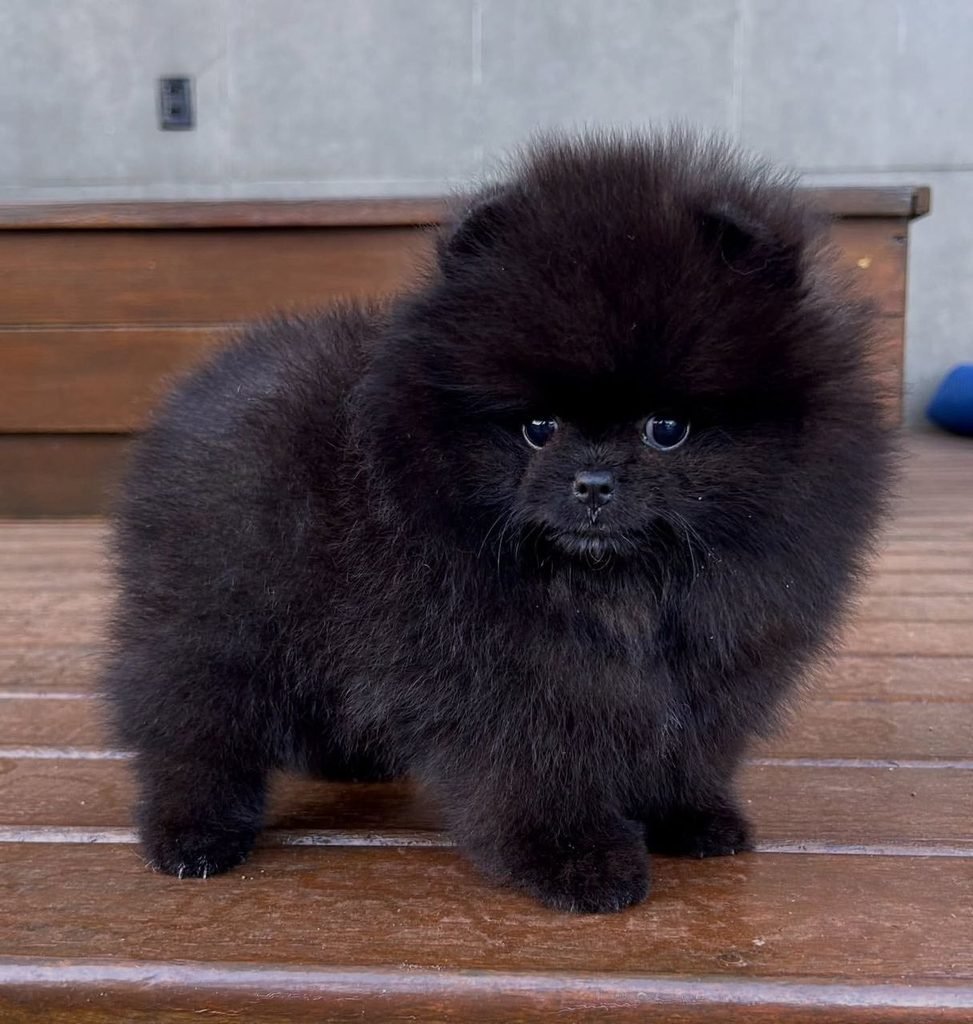
Bringing home one of the adorable Pomeranian puppies for new owners can be an exciting experience. Pomeranians are small, intelligent, energetic dogs with confident personalities and beautiful fluffy coats. Their compact size makes them appealing to many households, but new owners should understand that these little dogs still require consistent care, training, grooming, exercise, and companionship.https://pomeranianblisspuppies.com/puppies/
If you are preparing to welcome a Pomeranian puppy into your family for the first time, learning about the breed before your puppy arrives can make the transition easier for both of you.
From preparing your home to establishing a feeding and training routine, there are several important things every new Pomeranian owner should know.https://pomeranianblisspuppies.com/puppies/
Why Pomeranians Make Great Companions
Pomeranians are members of the toy group and are known for their lively and affectionate personalities. The American Kennel Club describes the breed as inquisitive, bold, lively, and intelligent.https://pomeranianblisspuppies.com/puppies/
Despite their small size, Pomeranians can have plenty of personality. They often enjoy spending time with their owners and can be enthusiastic participants in play and training.
According to the American Kennel Club’s Pomeranian breed information, adult Pomeranians generally weigh between 3 and 7 pounds.
Their small size can make them suitable for apartments and smaller homes, provided they receive adequate exercise, attention, and mental stimulation.
Choosing Pomeranian Puppies for New Owners
If this is your first time owning a Pomeranian, choosing the right puppy deserves careful consideration.
Before bringing a puppy home, ask about:
- Date of birth
- Veterinary examinations
- Vaccinations
- Deworming
- Health records
- Parent information
- Socialization
- Feeding routine
- Temperament
- Health guarantee
A responsible breeder or seller should be comfortable answering reasonable questions and providing appropriate documentation.
Do not choose a puppy solely because of its appearance or coat color. Health, temperament, responsible breeding, and proper care are much more important.https://pomeranianblisspuppies.com/puppies/
Preparing Your Home for a Pomeranian Puppy
Before your puppy arrives, prepare a safe and comfortable area.
Your puppy will need a designated place for sleeping, eating, playing, and relaxing.
Essential supplies can include:
- Puppy food
- Food and water bowls
- Comfortable bed
- Crate
- Collar
- Leash
- Identification tag
- Puppy-safe toys
- Grooming brush
- Nail clippers
- Cleaning supplies
- Training treats
Puppy-proof the home by removing items that could be dangerous if chewed or swallowed.
Keep electrical cords, household chemicals, medications, small objects, and potentially toxic foods out of reach.https://pomeranianblisspuppies.com/puppies/
Pomeranian Puppy Health Records
Health records are particularly important when bringing home a new puppy.
Ask for documentation showing the puppy’s veterinary history and treatments.
Records may include:
- Vaccination information
- Deworming dates
- Veterinary examinations
- Microchip information
- Medication history
- Health screening information
Give your puppy’s records to your veterinarian during the first appointment.
The Orthopedic Foundation for Animals provides information about canine health testing and maintains health-screening databases that can be useful when researching responsible breeding practices.
Vaccinations for Pomeranian Puppies
Vaccinations help protect puppies against several potentially serious infectious diseases.
Your puppy’s vaccination schedule depends on age, previous vaccinations, lifestyle, and veterinary recommendations.
When purchasing a Pomeranian puppy, ask:
- Which vaccines has the puppy received?
- When were they administered?
- When is the next vaccination due?
- Has the puppy received other preventive treatments?
Do not assume that a puppy is completely protected after receiving one vaccination.
Your veterinarian should establish the appropriate vaccination and preventive-care schedule.
Feeding Pomeranian Puppies
Nutrition plays an important role during puppy development.
Pomeranian puppies need food appropriate for their age and size. Because they are very small, new owners should follow feeding recommendations carefully and avoid making sudden dietary changes.
When you bring your puppy home, ask what food it has already been eating.
If you want to change foods, discuss the transition with your veterinarian.
Your puppy should always have access to fresh, clean water.
The American Kennel Club provides general breed information, including guidance about nutrition and maintaining an appropriate weight.
How Often Should a Pomeranian Puppy Eat?
Young puppies generally need more frequent meals than adult dogs.
The appropriate feeding schedule depends on your puppy’s age, size, food, and individual needs.
Rather than following a one-size-fits-all schedule, ask your veterinarian for feeding recommendations based on your puppy.
Keep feeding times consistent to help establish a predictable daily routine.
Pomeranian Puppy Grooming
One of the most noticeable characteristics of a Pomeranian is its fluffy coat.
Pomeranians have a thick double coat that requires regular maintenance.
New owners should become comfortable with basic grooming tasks such as:
- Brushing
- Nail trimming
- Ear checks
- Bathing
- Dental care
- Coat inspection
Regular brushing helps prevent mats and keeps the coat looking healthy.
The AKC recommends frequent brushing and explains that professional grooming can be useful for owners who are uncomfortable maintaining the coat themselves. Pomeranian Grooming Information
Pomeranian Puppy Bathing
Pomeranian puppies do not need to be bathed unnecessarily often.
When bathing is necessary, use products formulated specifically for dogs and avoid getting water or shampoo into the eyes and ears.
After bathing, dry the coat thoroughly and brush it gently.
If you are unsure about grooming your puppy yourself, a professional groomer can demonstrate appropriate techniques.
Pomeranian Puppy Dental Care
Dental care should become part of your puppy’s routine early.
Small dogs can be susceptible to dental problems, making regular oral care particularly important.
Introduce tooth brushing gradually and use toothpaste specifically designed for dogs.
Never use human toothpaste unless specifically instructed by a veterinarian.
Your veterinarian can also check your puppy’s teeth during routine examinations.
Pomeranian Puppy Training for New Owners
Training should begin as soon as your puppy settles into its new environment.
Start with simple behaviors such as:
- Responding to its name
- Sitting
- Coming when called
- Walking on a leash
- Appropriate chewing
- Staying calm
- Basic household manners
Keep training sessions short and positive.
Pomeranians are intelligent and can learn quickly, but they may also be independent and confident. Consistency is important.
The AKC recommends positive training methods and early socialization for Pomeranians. Pomeranian Training Guide
House Training a Pomeranian Puppy
House training can require patience.
Create a consistent routine and take your puppy to the appropriate bathroom area regularly.
Useful habits include:
- Taking the puppy out after waking
- Taking the puppy out after meals
- Taking the puppy out after play
- Providing frequent opportunities during the day
- Praising appropriate behavior
Avoid punishment for accidents.
Instead, clean accidents thoroughly and continue reinforcing the desired behavior.
Socializing Your Pomeranian Puppy
Socialization helps puppies become comfortable with different people, environments, sounds, surfaces, and experiences.
Introduce new experiences gradually and positively.
A puppy can gradually become familiar with:
- Different people
- Household noises
- Car rides
- Grooming
- Gentle handling
- New environments
- Appropriate dogs
- Different surfaces
Always consider your veterinarian’s advice regarding safe socialization before your puppy has completed its recommended vaccinations.
Pomeranian Puppy Exercise
Pomeranians are small but energetic.
Exercise can include:
- Short walks
- Indoor play
- Training games
- Interactive toys
- Supervised outdoor activity
Because Pomeranians are so small, avoid excessive physical activity and carefully supervise interactions with larger dogs.
The AKC notes that Pomeranians can get exercise through indoor play and short walks. AKC Pomeranian Exercise Information
Pomeranian Puppy Playtime
Playtime provides both physical activity and mental stimulation.
Provide puppy-safe toys that encourage appropriate chewing and interactive play.
You can also use simple training games to help your puppy learn while having fun.
Avoid toys that are small enough to be swallowed or easily broken apart.
Always supervise your puppy with unfamiliar toys.
Pomeranian Puppy Crate Training
A crate can provide your puppy with a safe place to rest and can be useful during house training and transportation.
The crate should be large enough for your puppy to:
- Stand comfortably
- Turn around
- Lie down
- Stretch naturally
Make the crate a positive environment rather than using it as punishment.
Introduce it gradually with treats, toys, and comfortable bedding.
Pomeranian Puppy Alone Time
New Pomeranian owners should gradually teach their puppies to spend short periods alone.
Start with brief absences and slowly increase the duration as your puppy becomes comfortable.
Provide:
- A safe area
- Appropriate toys
- Fresh water
- Comfortable bedding
- A predictable routine
Avoid suddenly leaving a new puppy alone for extended periods.
Pomeranians can become strongly attached to their owners, so teaching independence gradually can be beneficial.
Pomeranian Puppy Safety
Because Pomeranians are extremely small, household safety deserves special attention.
Be careful around:
- Stairs
- Large dogs
- Open doors
- High furniture
- Swimming pools
- Electrical cords
- Small objects
- Toxic substances
Young children should also be taught how to handle a small puppy gently.
A tiny dog can be injured accidentally if handled roughly or dropped.
Pomeranian Puppy Health Concerns
Like all dog breeds, Pomeranians can be susceptible to certain health conditions.
Potential concerns associated with the breed include:
- Patellar luxation
- Tracheal problems
- Dental issues
- Certain eye conditions
- Coat and skin problems
This does not mean every Pomeranian will develop these conditions.
Responsible breeding, veterinary care, proper nutrition, healthy weight management, and regular checkups can all contribute to a puppy’s wellbeing.
The American Kennel Club provides breed-specific health information and recommended health screenings.
Pomeranian Puppy Veterinary Care
Establish a relationship with a veterinarian soon after bringing your puppy home.
Your veterinarian can help with:
- Physical examinations
- Vaccinations
- Parasite prevention
- Nutrition
- Dental care
- Growth monitoring
- Spaying or neutering decisions
- General preventive care
Keep a record of appointments and follow your veterinarian’s recommendations.
Pomeranian Puppy Microchipping
Microchipping can provide a permanent form of identification.
Ask your veterinarian about microchipping and make sure the registration information remains current if your contact details change.
A microchip should not replace a collar and identification tag, but it can provide an additional way to identify your puppy.
Pomeranian Puppy Social Behavior
Pomeranians can be affectionate and enjoy spending time with their owners.
However, every puppy has an individual personality.
Some may be outgoing and playful, while others may be more reserved.
Give your puppy time to adjust to its new surroundings and avoid overwhelming it with too many new experiences immediately after arrival.
Pomeranian Puppy Supplies Checklist
Before bringing your puppy home, prepare:
- Puppy food
- Food bowls
- Water bowl
- Crate
- Bed
- Collar
- Identification tag
- Leash
- Puppy-safe toys
- Grooming brush
- Dog shampoo
- Nail-care supplies
- Toothbrush and dog toothpaste
- Training treats
- Cleaning supplies
Having these items ready can make the first few days much easier.
Pomeranian Puppy Daily Routine
A consistent routine can help a new puppy settle into your household.
A basic day may include:
Morning: Bathroom break, breakfast, gentle play, and training.
Midday: Bathroom break, meal if appropriate for the puppy’s age, play, and rest.
Afternoon: Short training session, playtime, and another bathroom break.
Evening: Dinner, calm play, grooming or handling practice, and relaxation.
Bedtime: Final bathroom break followed by quiet sleeping time.
Your puppy’s exact schedule should be adjusted according to its age and individual needs.
Pomeranian Puppies for New Owners: First Week
The first week is about adjustment.
Your puppy is entering a completely new environment, so allow time to become comfortable.
Keep the first few days relatively calm.
Focus on:
- Establishing a routine
- Introducing the sleeping area
- Establishing feeding times
- Beginning house training
- Introducing gentle handling
- Building trust
- Scheduling veterinary care
- Providing plenty of rest
Avoid overwhelming your puppy with too many visitors or unfamiliar experiences immediately.
Bringing a Pomeranian Puppy Home
The journey home should be planned carefully.
Use a secure carrier or appropriately restrained travel setup.
Once home, show your puppy its designated bathroom area, food area, sleeping space, and safe play area.
Allow your puppy to explore gradually rather than giving it unrestricted access to the entire house immediately.
Pomeranian Puppy Delivery
If you are purchasing a Pomeranian puppy from outside your local area, ask about available transportation options.
Important questions include:
- Who transports the puppy?
- How will the puppy travel?
- How long will transportation take?
- What care is provided during the journey?
- What documentation accompanies the puppy?
- What is included in the delivery fee?
The USDA Animal and Plant Health Inspection Service (APHIS) provides resources relating to pet travel and animal transportation requirements.
Choosing a Responsible Pomeranian Breeder
New owners should research the breeder or seller carefully.
Look for someone who is transparent about:
- Puppy health
- Parent dogs
- Veterinary care
- Socialization
- Vaccinations
- Health testing
- Living conditions
- Purchase agreements
Be cautious if someone refuses to answer basic questions or pressures you to make a payment immediately.
A responsible breeder should care about where their puppies are going and be willing to discuss the puppy’s needs with you.
Questions New Pomeranian Owners Should Ask
Before purchasing, ask:
- What is the puppy’s date of birth?
- Has the puppy received veterinary care?
- Which vaccinations have been given?
- Has the puppy been dewormed?
- Can I see the health records?
- Can I learn about the puppy’s parents?
- How has the puppy been socialized?
- What food is the puppy currently eating?
- What health guarantee is provided?
- What happens if the puppy develops a health problem?
- Is pickup available?
- Is delivery available?
- What is included in the purchase price?
Common Mistakes New Pomeranian Owners Should Avoid
New owners can make the transition easier by avoiding common mistakes.
Ignoring Grooming
A fluffy coat requires regular maintenance.
Overfeeding
Small dogs can gain excess weight quickly, so follow appropriate feeding recommendations.
Skipping Training
Small size does not mean training is unnecessary.
Lack of Socialization
Early positive experiences can help puppies become confident companions.
Too Much Exercise
Puppies need age-appropriate activity and plenty of rest.
Leaving Puppies Alone for Too Long
Build independence gradually.
Choosing Based Only on Appearance
Health and temperament should matter more than coat color or size.
Frequently Asked Questions
Are Pomeranians good for first-time dog owners?
Pomeranians can be suitable for first-time owners who are prepared to provide consistent training, grooming, exercise, veterinary care, and companionship.
Are Pomeranian puppies easy to train?
They are intelligent and capable of learning quickly, but they can also be independent. Positive, consistent training is important.
Do Pomeranian puppies need a lot of grooming?
Yes. Their thick double coat requires regular brushing and ongoing grooming.
How much exercise does a Pomeranian puppy need?
Puppies need age-appropriate activity, play, training, and plenty of rest. Your veterinarian can help you determine an appropriate exercise routine.
What should I buy before bringing home a Pomeranian?
Prepare food, bowls, a crate, bedding, collar, leash, identification, toys, grooming supplies, and other puppy essentials.
When should I take my new Pomeranian puppy to the veterinarian?
Schedule veterinary care according to your veterinarian’s recommendation after bringing your puppy home. Bring all available health and vaccination records to the appointment.
Can Pomeranian puppies live in apartments?
Their small size can make them suitable for apartment living, but they still need exercise, play, training, mental stimulation, and companionship.
Do Pomeranians need socialization?
Yes. Positive, age-appropriate socialization can help puppies become comfortable with people, environments, sounds, and other experiences.
Final Thoughts
Choosing Pomeranian puppies for new owners is only the beginning of your journey. Bringing home a puppy is a long-term commitment that involves daily care, training, grooming, nutrition, veterinary attention, and plenty of companionship.
Prepare your home before your puppy arrives, establish a consistent routine, keep up with veterinary care, and introduce training and socialization gradually.
Most importantly, choose your puppy carefully. Ask questions, review health records, learn about the parents, and make sure you understand the care your new Pomeranian will need.
With patience, consistency, and plenty of positive attention, your Pomeranian puppy can grow into a happy, confident, and loving companion.https://pomeranianblisspuppies.com/puppies/